
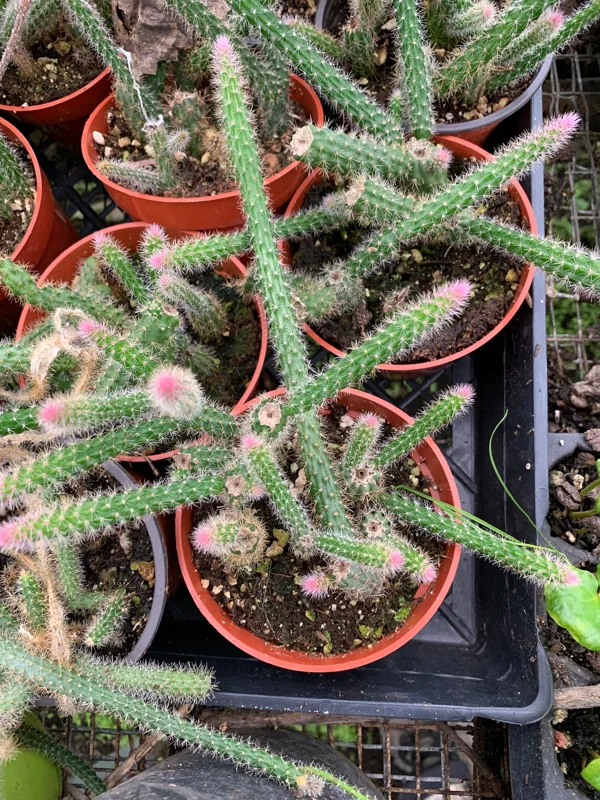
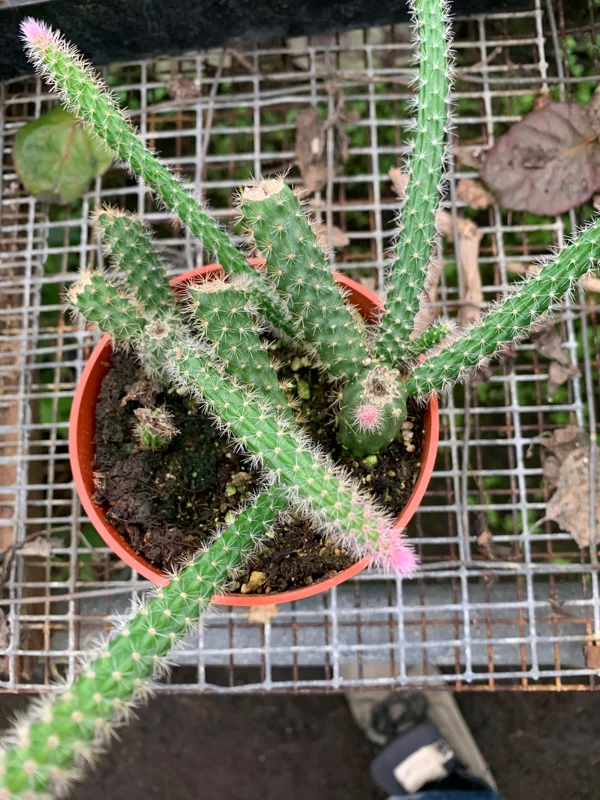
Rat Tail Cactus Live Plant – Succulent – 3 inch Pot – Indoor
Original price was: $102.60.$51.30Current price is: $51.30.
Bring unique charm to your home with this rat tail cactus live plant. This captivating trailing succulent arrives in a 3 inch pot, ready to grow. Perfect for hanging baskets, it adds a touch of exotic beauty to any indoor space.
-
USDA Hardiness Zone
USDA zones 9–11 (indoors elsewhere) -
Soil Type
Well-draining cactus or succulent mix -
Sunlight Exposure
Bright, indirect light -
Expected Planting Period
Year-round indoors

You can track your order HERE
Mar 01
Mar 06 - Mar 08
Mar 11 - Mar 15
Shipping and return policies: Our Alive & Thrive Guarantee covers issues with your plants within the first 30 days. Reach out to us. Our team will answer your questions and help you find the plants that are truly suitable for your environment, climate, and personal preferences.

Overview
Introduce an exotic flair to your indoor plant collection with the stunning rat tail cactus live plant. Known scientifically as Disocactus flagelliformis, this unique succulent is celebrated for its long, trailing stems that can grow several feet in length, resembling the tail of a rat. Originating from Mexico and Central America, this epiphytic cactus is perfect for hanging baskets or elevated planters, allowing its distinctive stems to cascade gracefully. Unlike many desert cacti, the rat tail cactus live plant prefers a bit more humidity and bright, indirect light, making it a fantastic choice for indoor environments. Its trailing habit and potential for vibrant pink-red flowers in spring make it a truly captivating addition to any home. This plant arrives healthy and established in a 3 inch pot, ready to thrive in your care.
Key Benefits
The rat tail cactus live plant offers a multitude of benefits, making it a highly desirable addition for both novice and experienced plant enthusiasts. Its unique aesthetics and relatively easy care requirements contribute to its widespread appeal.
- Striking Visual Appeal: The long, pendulous stems create a dramatic and beautiful display, especially when allowed to trail from a hanging basket. Its unique form adds an architectural element to your indoor decor.
- Potential for Beautiful Blooms: While primarily grown for its stems, mature rat tail cactus live plant specimens can produce vibrant, tubular pink to red flowers in spring, adding an unexpected pop of color.
- Low Maintenance: As a succulent, it is relatively drought-tolerant and forgiving, making it an excellent choice for those new to plant care or with busy schedules. It requires less frequent watering than many other houseplants.
- Air Purification: Like many plants, the rat tail cactus live plant contributes to a healthier indoor environment by helping to filter airborne toxins and increasing oxygen levels, improving overall air quality.
- Versatile Placement: Its trailing nature makes it ideal for hanging baskets, shelves, or plant stands where its unique stems can be fully appreciated. It thrives in various indoor settings with adequate light.
- Unique Conversation Starter: The distinctive appearance of this trailing succulent is sure to catch the eye of guests and become a talking point in your home.
- Resilience: This cactus is known for its hardiness and ability to adapt to a range of indoor conditions, making it a resilient and long-lasting houseplant.
Plant Care & Growing Tips
Caring for your rat tail cactus live plant is straightforward, and with the right conditions, it will flourish and potentially reward you with beautiful blooms. Understanding its specific needs will ensure a healthy and vibrant plant.
Sunlight Requirements: The rat tail cactus live plant thrives in bright, indirect light. A spot near an east or west-facing window is often ideal. Avoid direct midday sun, especially in warmer climates, as this can scorch its delicate stems. If grown outdoors in suitable climates, partial shade is best. Insufficient light can lead to leggy growth and fewer flowers, while too much direct sun can cause the stems to yellow or brown.
Watering & Soil: Water thoroughly when the top inch or two of soil feels dry to the touch. Allow excess water to drain completely from the pot to prevent root rot, which succulents are particularly susceptible to. Reduce watering significantly during the cooler, dormant months. The ideal soil for this disocactus flagelliformis is a well-draining cactus or succulent mix, which typically includes perlite or pumice to enhance drainage. A slightly acidic to neutral pH is preferred. Ensure the pot has drainage holes.
Temperature & Humidity: This cactus prefers average room temperatures between 60-75°F (15-24°C). It can tolerate slightly cooler temperatures in winter, which can encourage blooming. Protect it from frost. While it is a cactus, it appreciates moderate humidity, unlike desert cacti. You can increase humidity by misting occasionally or placing the pot on a pebble tray with water, especially in dry indoor environments. This trailing succulent is generally suited for USDA zones 9-11 if grown outdoors, but is predominantly an indoor plant in most regions.
Fertilization & Pruning: Feed your rat tail cactus live plant with a balanced, diluted liquid fertilizer (half strength) once a month during its active growing season (spring and summer). Avoid fertilizing in fall and winter. Pruning is not usually necessary for health but can be done to manage size or shape, or to propagate new plants from cuttings. Remove any dead or damaged stems to maintain plant vigor. Keep an eye out for common pests like mealybugs or spider mites, and treat promptly with insecticidal soap if detected.
Size & Details
This rat tail cactus live plant is shipped as an established plant in a 3 inch pot, providing a strong base for future growth. The trailing stems typically begin at a few inches in length upon arrival and can eventually grow up to 3-6 feet long or more, depending on growing conditions and age. Its growth rate is moderate, allowing you to enjoy its development over time. This plant is well-suited for transitioning directly into a decorative planter or hanging basket upon arrival. Expect this captivating cactus for hanging basket to become a prominent feature in your home, with its unique form evolving beautifully.
Frequently Asked Questions
- Q: How big does this plant get? A: The rat tail cactus live plant is known for its long, trailing stems that can reach lengths of 3 to 6 feet or even more when mature, making it ideal for hanging displays. It typically arrives with stems several inches long.
- Q: What size pot does it come in? A: This rat tail cactus live plant is shipped in a 3 inch pot, which is a perfect size for transplanting into a larger decorative pot or hanging basket upon arrival.
- Q: Is this an indoor or outdoor plant? A: While it can be grown outdoors in USDA zones 9-11, the rat tail cactus live plant is most commonly cultivated as an indoor houseplant in the US due to its preference for consistent temperatures and protection from frost.
- Q: How much sunlight does it need? A: This trailing succulent thrives in bright, indirect light. Avoid direct midday sun, which can scorch its stems. An east or west-facing window is usually ideal for optimal growth.
- Q: Is this plant easy to care for? A: Yes, the rat tail cactus live plant is considered relatively easy to care for, making it suitable for beginners. It’s drought-tolerant and forgiving of occasional neglect, provided it receives adequate light and well-draining soil.
- Q: What condition will it arrive in? A: Your rat tail cactus live plant will arrive healthy and well-rooted in its 3-inch nursery pot, carefully packaged to ensure its safe journey to your home.
- Q: When is the best time to plant or repot it? A: The best time to repot your disocactus flagelliformis is in the spring or early summer, during its active growing season. This allows the plant to establish itself quickly in its new environment.
- Q: Will it produce flowers? A: Yes, mature rat tail cactus live plant specimens can produce beautiful, vibrant pink to red tubular flowers, typically in the spring, adding another layer of beauty to this unique plant.
- Q: Is it pet-safe? A: The rat tail cactus live plant is generally considered non-toxic to pets, but it’s always best to keep plants out of reach to prevent curious pets from nibbling on them.
- Q: What kind of soil is best for this cactus for hanging basket? A: A well-draining cactus or succulent potting mix is ideal for the rat tail cactus live plant. This type of soil prevents waterlogging and provides the aeration its roots need.
Be the first to review “Rat Tail Cactus Live Plant – Succulent – 3 inch Pot – Indoor”
People Also Viewed


Sold 87 products
Original price was: $143.80.$71.90Current price is: $71.90.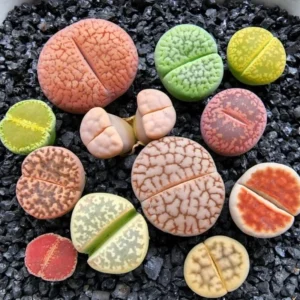
Sold 86 products
Original price was: $39.98.$19.99Current price is: $19.99.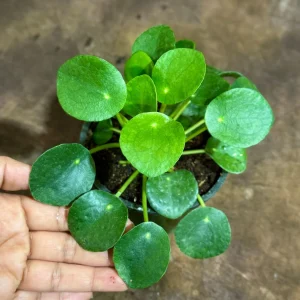
HousePlants
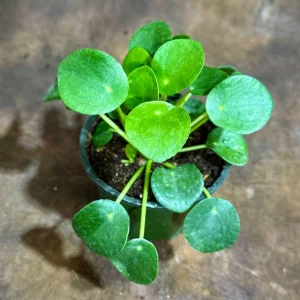
Chinese Money Plant Live Plant – Pilea Peperomioides – 4″ Nursery Pot – Indoor Houseplant
Sold 100 products
Original price was: $51.96.$25.98Current price is: $25.98.
Sold 71 products
Original price was: $77.06.$38.53Current price is: $38.53.
Sold 77 products
Original price was: $59.98.$29.99Current price is: $29.99.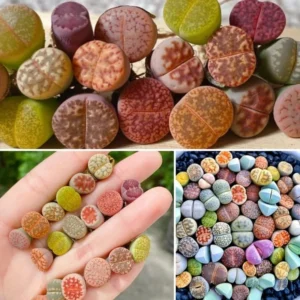
HousePlants
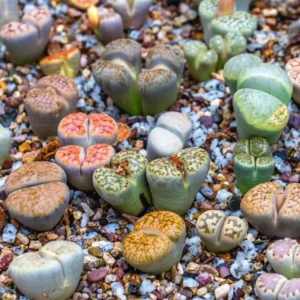
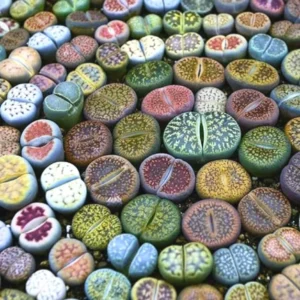
Lithops Live Plants Mix – 10 Large Colorful Living Stones Succulents for Indoor/Outdoor Growing
Sold 57 products
Original price was: $27.98.$13.99Current price is: $13.99.

Sold 53 products
Original price was: $44.76.$22.38Current price is: $22.38.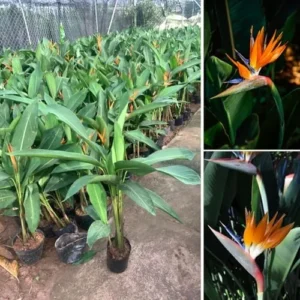
Flower Plants
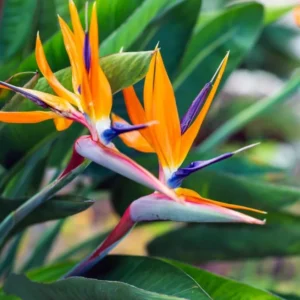
Orange Bird of Paradise Live Plant – 5-10 Inch Tropical Strelitzia Reginae Outdoor Plant
Sold 88 products
Original price was: $35.98.$17.99Current price is: $17.99.
Sold 85 products
Original price was: $147.16.$73.58Current price is: $73.58.
Sold 91 products
Original price was: $43.96.$21.98Current price is: $21.98.
Sold 87 products
Original price was: $74.18.$37.09Current price is: $37.09.
Sold 90 products
Original price was: $147.16.$73.58Current price is: $73.58.

Sold 75 products
Original price was: $36.00.$28.80Current price is: $28.80.
Sold 80 products
Original price was: $112.00.$89.60Current price is: $89.60.

Sold 61 products
Original price was: $89.98.$44.99Current price is: $44.99.
Sold 66 products
Original price was: $37.98.$18.99Current price is: $18.99.

Sold 88 products
Original price was: $39.96.$19.98Current price is: $19.98.
Sold 98 products
Original price was: $63.76.$31.88Current price is: $31.88.



Reviews
There are no reviews yet.