
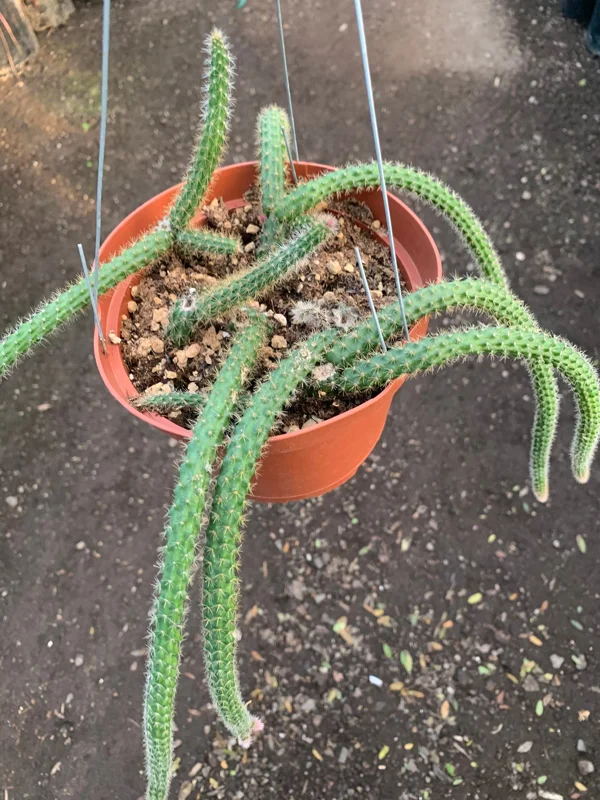
Rat Tail Cactus (Aporocactus Flagelliformis) Live Plant – 6 inch Pot
Original price was: $154.36.$77.18Current price is: $77.18.
Bring home a unique rat tail cactus live plant (Aporocactus Flagelliformis). This captivating trailing cactus is ideal for hanging baskets and offers vibrant violet-red to pink-orange flowers in spring and early summer. Easy to care for and a stunning addition to any collection.
-
USDA Hardiness Zone
USDA Zones 9-11 (outdoors), suitable for all zones indoors -
Soil Type
Well-draining cactus or succulent potting mix -
Sunlight Exposure
Bright indirect light to partial shade -
Expected Planting Period
Year-round indoors; spring to early summer outdoors (in suitable zones)

You can track your order HERE
Mar 02
Mar 07 - Mar 09
Mar 12 - Mar 16
Shipping and return policies: Our Alive & Thrive Guarantee covers issues with your plants within the first 30 days. Reach out to us. Our team will answer your questions and help you find the plants that are truly suitable for your environment, climate, and personal preferences.

Overview
Introducing the captivating rat tail cactus live plant, scientifically known as Aporocactus Flagelliformis. This distinctive succulent is celebrated for its long, trailing stems that can reach impressive lengths, making it an exceptional choice for hanging baskets or elevated planters. Originating from Mexico, the rat tail cactus is a true conversation starter, offering a unique architectural form and a burst of vibrant color during its blooming season. Its common name perfectly describes its striking appearance, with slender, segmented stems that gracefully cascade downwards. Unlike many cacti, the aporocactus flagelliformis boasts a soft, almost velvety texture, adding to its allure. It is a resilient and relatively low-maintenance plant, making it suitable for both experienced gardeners and beginners looking to add an exotic touch to their indoor or outdoor spaces.
This particular offering is for a healthy, established rat tail cactus live plant, ready to thrive in its new home. It promises to transform any space with its unique growth habit and spectacular flowering display. Whether you’re a succulent enthusiast or simply seeking a visually interesting and easy-to-grow plant, the trailing cactus will not disappoint. Prepare to be enchanted by its charm and the stunning visual impact it creates as its long stems gracefully drape.
Key Benefits
The rat tail cactus live plant offers a multitude of benefits, combining aesthetic appeal with ease of care. Its unique characteristics make it a standout choice for various settings:
- Stunning Visual Appeal: The long, trailing stems of the rat tail cactus live plant create a dramatic and eye-catching display, perfect for adding vertical interest to your plant collection or home decor. Its unique form is unlike most other succulents.
- Vibrant Seasonal Blooms: Enjoy a spectacular show of violet-red, pink, or orange flowers during spring and early summer. These bright blossoms provide a beautiful contrast against the green stems, adding a pop of color to your environment.
- Low Maintenance & Drought Tolerant: As a succulent, the aporocactus flagelliformis is incredibly forgiving and requires minimal watering, making it an excellent choice for busy individuals or those new to plant care. It thrives on neglect, needing less attention than many other houseplants.
- Versatile Placement: Ideal for hanging basket plant arrangements, shelves, or tall planters where its stems can freely cascade. It adapts well to various indoor and outdoor (in appropriate climates) settings.
- Unique Trailing Habit: Its distinctive trailing growth habit sets it apart, making it a focal point in any room or garden space. The segmented stems add an interesting textural element.
- Air Purification: Like many plants, the succulent plant contributes to a healthier indoor environment by helping to filter airborne toxins and improve air quality.
- Long-Lived Specimen: With proper care, a rat tail cactus live plant can live for many years, becoming a cherished and enduring part of your plant collection.
Plant Care & Growing Tips
Caring for your rat tail cactus live plant is straightforward, making it a joy for both novice and experienced plant enthusiasts. This resilient succulent plant prefers environments that mimic its native arid habitats.
Sunlight Requirements: The aporocactus flagelliformis thrives in bright, indirect light. While it can tolerate some direct morning sun, intense midday or afternoon sun should be avoided, especially in hotter climates, as it can scorch the stems. An east-facing window or a spot with dappled shade outdoors is ideal. If grown indoors, rotating the plant occasionally will ensure even growth.
Watering Schedule & Soil Moisture: Water thoroughly when the soil is completely dry to the touch. During the growing season (spring and summer), this might be every 2-4 weeks, but reduce watering significantly in fall and winter when the plant is dormant. Overwatering is the most common cause of problems, so ensure excellent drainage. The stems will look slightly shriveled if it needs water.
Soil Type & Drainage: A well-draining potting mix is crucial for this trailing cactus. A standard succulent or cactus mix, often containing perlite or pumice, is perfect. This prevents root rot and ensures the plant’s health. Good drainage is paramount for the long-term vitality of your rat tail cactus live plant.
Temperature Range & USDA Hardiness Zone: This plant prefers warm temperatures between 60-80°F (15-27°C) during its active growth. It is not frost-tolerant and should be brought indoors if temperatures drop below 40°F (4°C). It is generally suitable for outdoor cultivation in USDA Zones 9-11, provided it is protected from extreme cold.
Fertilization Schedule: Feed your rat tail cactus live plant with a balanced, diluted liquid fertilizer (half-strength) specifically formulated for cacti and succulents once a month during the spring and summer growing season. Avoid fertilizing during its dormant winter period.
Common Problems: Watch out for mealybugs or spider mites, which can sometimes affect cacti. Treat with insecticidal soap or neem oil. Root rot is a common issue caused by overwatering; ensure proper drainage and allow soil to dry out between waterings. Yellowing or mushy stems indicate too much water, while thin, shriveled stems suggest underwatering.
Size & Details
This offering includes one healthy rat tail cactus live plant, shipped in a 6-inch nursery pot. At maturity, the plant’s stems can grow to an impressive length of up to 4 feet, creating a magnificent cascading effect. Its growth rate is moderate, allowing you to enjoy its development over time. The plant will arrive well-rooted and ready to be placed in its preferred location, whether it’s an indoor hanging basket or a sheltered outdoor spot. The long, segmented stems are characteristic of this unique succulent plant, developing small spines that are typical for cacti but generally not overly sharp. Expect vibrant violet-red flowers, though some specimens may surprise with idiosyncratic colors like pink or orange during its spring and early summer blooming period. The 6-inch pot provides ample space for initial growth and establishment before needing a larger container.
Frequently Asked Questions
- Q: How big does this plant get? A: The stems of the rat tail cactus live plant can grow up to 4 feet long at maturity, making it an excellent choice for a cascading display. Its width will depend on how many stems it produces and how they are arranged.
- Q: What size pot does it come in? A: Each rat tail cactus live plant is shipped in a 6-inch nursery pot, providing a good start for its growth and establishment in your home or garden.
- Q: Is this an indoor or outdoor plant? A: The aporocactus flagelliformis can be grown indoors in bright, indirect light, or outdoors in suitable climates (USDA Zones 9-11) where it receives partial shade. It must be protected from frost.
- Q: How much sunlight does it need? A: This trailing cactus prefers bright, indirect sunlight. Avoid harsh, direct afternoon sun which can scorch its delicate stems. A few hours of morning sun is generally beneficial.
- Q: Is this plant easy to care for? A: Yes, the rat tail cactus live plant is considered relatively easy to care for, especially for a succulent. It’s drought-tolerant and forgiving, making it a great option for beginners or those with busy schedules.
- Q: What condition will it arrive in? A: Your plant will arrive as a healthy, live specimen, carefully packaged in its 6-inch nursery pot to ensure it reaches you in the best possible condition, ready for acclimation.
- Q: How often should I water my rat tail cactus? A: Water only when the soil is completely dry to the touch. This typically means every 2-4 weeks during the growing season and even less frequently during winter dormancy. Always prioritize excellent drainage.
- Q: When does the rat tail cactus bloom? A: The succulent plant typically blooms in spring and early summer, producing beautiful violet-red, pink, or orange flowers along its trailing stems.
- Q: Can I propagate my rat tail cactus? A: Yes, aporocactus flagelliformis is easy to propagate from stem cuttings. Simply allow a cut segment to callus for a few days before planting it in well-draining soil.
- Q: Is this plant pet-safe? A: While generally not considered toxic, the spines of a rat tail cactus live plant can cause irritation. It’s always best to keep plants out of reach of curious pets and children.
Be the first to review “Rat Tail Cactus (Aporocactus Flagelliformis) Live Plant – 6 inch Pot”
People Also Viewed
HousePlants
Sold 71 products
Original price was: $39.98.$19.99Current price is: $19.99.
Sold 87 products
Original price was: $283.96.$141.98Current price is: $141.98.
Sold 68 products
Original price was: $31.96.$15.98Current price is: $15.98.

Sold 93 products
Original price was: $60.00.$48.00Current price is: $48.00.

Sold 76 products
$87.98

Sold 73 products
Original price was: $18.76.$9.38Current price is: $9.38.
Sold 64 products
From $99.80
Sold 65 products
Original price was: $50.36.$25.18Current price is: $25.18.

Sold 78 products
Original price was: $140.00.$112.00Current price is: $112.00.
Sold 55 products
From $7.98

Sold 92 products
Original price was: $45.98.$22.99Current price is: $22.99.
Sold 67 products
Original price was: $82.40.$41.20Current price is: $41.20.
Sold 87 products
Original price was: $180.00.$90.00Current price is: $90.00.
Sold 61 products
Original price was: $54.00.$27.00Current price is: $27.00.
Sold 86 products
Original price was: $77.16.$38.58Current price is: $38.58.
Sold 91 products
From $60.00
Sold 71 products
Original price was: $70.36.$35.18Current price is: $35.18.
Sold 54 products
From $63.80



Reviews
There are no reviews yet.