
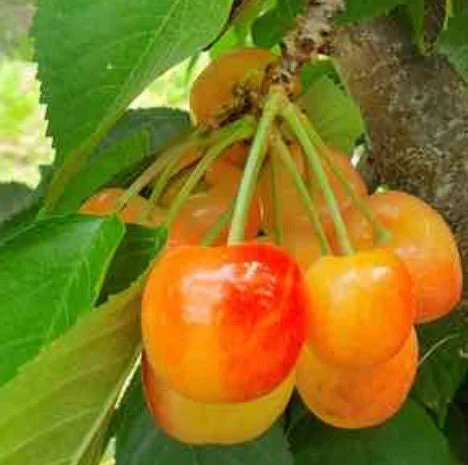
Rainier Cherry Tree Live Plant – 3-4 Ft, Sweet Golden Yellow Cherries, 3 Gal Pot
Original price was: $391.96.$195.98Current price is: $195.98.
Bring the joy of homegrown fruit to your garden with this Rainier cherry tree live plant. Standing 3 to 4 feet tall and shipped in a 3-gallon pot, this tree is ready to establish and produce delicious, sweet, golden-yellow cherries with a beautiful pink blush. Perfect for home orchards and fruit enthusiasts.
-
USDA Hardiness Zone
USDA Zones 5-8 -
Soil Type
Well-draining, slightly acidic to neutral soil -
Sunlight Exposure
Full sun (6-8+ hours daily) -
Expected Planting Period
Early spring or late fall

You can track your order HERE
Mar 13
Mar 18 - Mar 20
Mar 23 - Mar 27
Shipping and return policies: Our Alive & Thrive Guarantee covers issues with your plants within the first 30 days. Reach out to us. Our team will answer your questions and help you find the plants that are truly suitable for your environment, climate, and personal preferences.

Overview
Cultivate your very own orchard with a premium Rainier cherry tree live plant. Renowned for its exceptionally sweet flavor and striking appearance, the Rainier cherry is a prized variety among fruit lovers. This robust live plant, measuring 3 to 4 feet in height and shipped in a generous 3-gallon pot, is ready to be transplanted into your garden or a larger container. Originating from Washington State, the Rainier cherry (Prunus avium ‘Rainier’) is a cross between the ‘Bing’ and ‘Van’ cherry varieties, inheriting the best qualities of both parents. Its distinctive golden-yellow skin, often adorned with a beautiful red or pink blush, makes it a visually appealing addition to any landscape, while its firm, juicy flesh offers an unparalleled sweet taste that melts in your mouth.
Growing Rainier cherry trees can be a rewarding experience, providing fresh, delicious fruit right from your backyard. These trees are known for their vigorous growth and relatively high yield when properly cared for. The sweet, low-acid profile of Rainier cherries makes them ideal for fresh eating, baking, and preserves. With a little attention to their specific needs, you can look forward to bountiful harvests of these delectable golden cherries, transforming your garden into a productive and beautiful space. This particular specimen comes with a bigger trunk, indicating a well-established and healthy plant ready for optimal growth.
Key Benefits
Investing in a Rainier cherry tree live plant offers numerous advantages for any gardener or fruit enthusiast. Not only do you get to enjoy the freshest possible fruit, but you also enhance your garden’s aesthetic and ecological value:
- Exceptional Flavor: Renowned for their incredibly sweet and low-acid profile, Rainier cherries are often considered one of the best-tasting cherry varieties, perfect for fresh consumption.
- Beautiful Appearance: The golden-yellow skin with a distinctive red blush makes these cherries visually stunning, adding a touch of elegance to your fruit bowl and garden.
- Homegrown Goodness: Enjoy the satisfaction of harvesting your own fruit, free from pesticides and chemicals, ensuring the freshest and healthiest produce for your family.
- Ornamental Value: Beyond its fruit, the Rainier cherry tree is an attractive addition to any landscape, offering beautiful spring blossoms and lush green foliage throughout the growing season.
- Versatile Culinary Use: While perfect for eating fresh, these sweet cherries are also excellent for pies, tarts, jams, and other desserts, allowing for diverse culinary experimentation.
- Established Plant: Shipped in a 3-gallon pot and standing 3-4 feet tall, this tree has a strong root system and a bigger trunk, ensuring a head start in your garden and quicker establishment.
- Rewarding Harvests: With proper care, this tree can provide generous yields of delicious fruit, making the effort of growing Rainier cherries incredibly worthwhile.
Plant Care & Growing Tips
Proper care is essential for a thriving Rainier cherry tree live plant. These trees generally require consistent attention to produce the best fruit. They prefer a location that receives full sun, meaning at least 6-8 hours of direct sunlight per day. Good air circulation is also important to prevent fungal diseases. When planting, choose a site with well-draining soil. Cherries do not tolerate wet feet, so amend heavy clay soils with organic matter like compost to improve drainage. A slightly acidic to neutral pH (6.0-7.0) is ideal for optimal growth and fruit production.
Watering is crucial, especially during the first few years after planting and during dry spells. Deep watering once or twice a week, ensuring the soil is moist but not waterlogged, is generally sufficient. Reduce watering in the fall as the tree prepares for dormancy. Fertilize young trees lightly in early spring with a balanced fertilizer, increasing the amount as the tree matures. Pruning should be done annually in late winter or early spring while the tree is dormant. Focus on removing dead, damaged, or crossing branches, and shaping the tree to encourage good air circulation and light penetration, which is vital for quality fruit. Protecting the fruit from birds, often with netting, will be a key step in ensuring a good harvest when growing Rainier cherries.
For successful fruit production, Rainier cherry trees require a pollinator. While some sources suggest they can be partially self-fertile, planting another sweet cherry variety like ‘Bing’, ‘Van’, or ‘Lapins’ nearby will significantly improve fruit set and yield. Ensure the pollinator tree is within 50 feet for best results. These trees also require a certain number of chill hours (temperatures between 32°F and 45°F) during winter to produce fruit. Check your local climate to ensure it meets the chill hour requirements for sweet cherry tree for sale varieties like Rainier.
Size & Details
This offering is for one robust Rainier cherry tree live plant, meticulously grown and prepared for transplanting. The tree stands impressively between 3 to 4 feet tall from the base of the trunk to the top of its foliage, providing a substantial head start for your home orchard. It is delivered securely rooted in a 3-gallon nursery pot, ensuring the root ball remains intact and healthy during transit and upon arrival. The presence of a “bigger trunk” indicates a well-established and mature young tree, which contributes to its overall vigor and ability to quickly adapt to its new environment. Expect this tree to begin producing fruit within 3-5 years of planting, with yields increasing as it matures. The growth rate is moderate, eventually reaching a mature height of 15-20 feet with a similar spread, creating a beautiful and productive specimen in your garden. This golden cherry tree is an excellent choice for those looking for a reliable and high-quality fruit producer.
Frequently Asked Questions
- Q: How big does this Rainier cherry tree get? A: This Rainier cherry tree live plant is currently 3 to 4 feet tall and ships in a 3-gallon pot. When mature, it can reach a height of 15-20 feet with a similar spread, depending on pruning and growing conditions.
- Q: Is this an indoor or outdoor plant? A: The Rainier cherry tree is an outdoor fruit tree. It requires specific growing conditions, including full sun and adequate chill hours, that are best met in an outdoor garden or orchard setting.
- Q: How much sunlight does it need? A: For optimal growth and fruit production, this sweet cherry tree requires at least 6-8 hours of direct sunlight per day. Choose a sunny location in your garden.
- Q: Is this plant easy to care for? A: While not entirely hands-off, the Rainier cherry tree is considered moderately easy to care for. Consistent watering, annual pruning, and proper fertilization are key to its success. Protecting fruit from birds is also a common task.
- Q: What condition will it arrive in? A: Your Rainier cherry tree live plant will arrive securely packaged in its 3-gallon nursery pot, with its root ball intact and protected, ensuring it is healthy and ready for planting.
- Q: Does this tree need a pollinator? A: Yes, Rainier cherry trees are not self-fertile and require a pollinator variety such as ‘Bing’, ‘Van’, or ‘Lapins’ planted nearby to produce fruit. This is crucial for successful growing Rainier cherries.
- Q: When is the best time to plant this tree? A: The best time to plant your golden cherry tree is in early spring or late fall when the tree is dormant. This allows the roots to establish before extreme temperatures.
- Q: What USDA Hardiness Zones are suitable for Rainier cherries? A: Rainier cherry trees thrive in USDA Hardiness Zones 5-8. Ensure your local climate provides sufficient winter chill hours for proper fruit development.
- Q: How long until it starts producing fruit? A: You can typically expect your Rainier cherry tree live plant to begin bearing fruit within 3 to 5 years after planting, with full production increasing over time.
- Q: What kind of soil does it prefer? A: This tree prefers well-draining soil with a slightly acidic to neutral pH (6.0-7.0). Amend heavy clay soils with organic matter for improved drainage.
Be the first to review “Rainier Cherry Tree Live Plant – 3-4 Ft, Sweet Golden Yellow Cherries, 3 Gal Pot”
People Also Viewed
Sold 85 products
Original price was: $39.98.$19.99Current price is: $19.99.
Sold 89 products
Original price was: $40.00.$20.00Current price is: $20.00.
Sold 69 products
Original price was: $147.16.$73.58Current price is: $73.58.
Sold 59 products
Original price was: $65.98.$32.99Current price is: $32.99.
Sold 65 products
Original price was: $31.98.$15.99Current price is: $15.99.
Sold 64 products
Original price was: $140.00.$112.00Current price is: $112.00.
Sold 54 products
$65.98
Sold 58 products
Original price was: $39.98.$19.99Current price is: $19.99.
Sold 58 products
Original price was: $60.00.$30.00Current price is: $30.00.
Sold 97 products
Original price was: $44.00.$22.00Current price is: $22.00.
Sold 60 products
Original price was: $44.00.$35.20Current price is: $35.20.
Sold 95 products
From $11.98
Sold 85 products
Original price was: $77.98.$38.99Current price is: $38.99.
Sold 71 products
Original price was: $36.00.$18.00Current price is: $18.00.

Sold 66 products
Original price was: $30.76.$15.38Current price is: $15.38.
Sold 58 products
Original price was: $33.98.$16.99Current price is: $16.99.
Sold 72 products
From $23.10
Sold 88 products
Original price was: $32.00.$25.60Current price is: $25.60.



Reviews
There are no reviews yet.