


Raindrop Peperomia Live Plant – Peperomia polybotrya ‘Raindrop’ – 3.5 inch Pot – Indoor
From $51.80
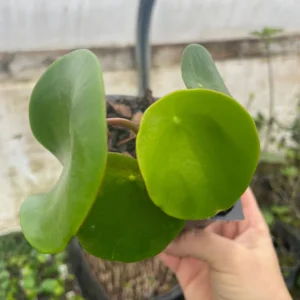
Introduce a touch of natural elegance with the raindrop peperomia live plant. This beautiful indoor peperomia is known for its glossy, teardrop-shaped leaves and is an excellent choice for any home. As one of the easy care houseplants, it’s perfect for beginners and is also a great option for pet friendly plants.
-
USDA Hardiness Zone
Year-round indoors (USDA zones 10-12 if outdoors) -
Soil Type
Well-draining potting mix -
Sunlight Exposure
Bright, indirect light -
Expected Planting Period
Year-round indoors

You can track your order HERE
Mar 01
Mar 06 - Mar 08
Mar 11 - Mar 15
Shipping and return policies: Our Alive & Thrive Guarantee covers issues with your plants within the first 30 days. Reach out to us. Our team will answer your questions and help you find the plants that are truly suitable for your environment, climate, and personal preferences.

Overview
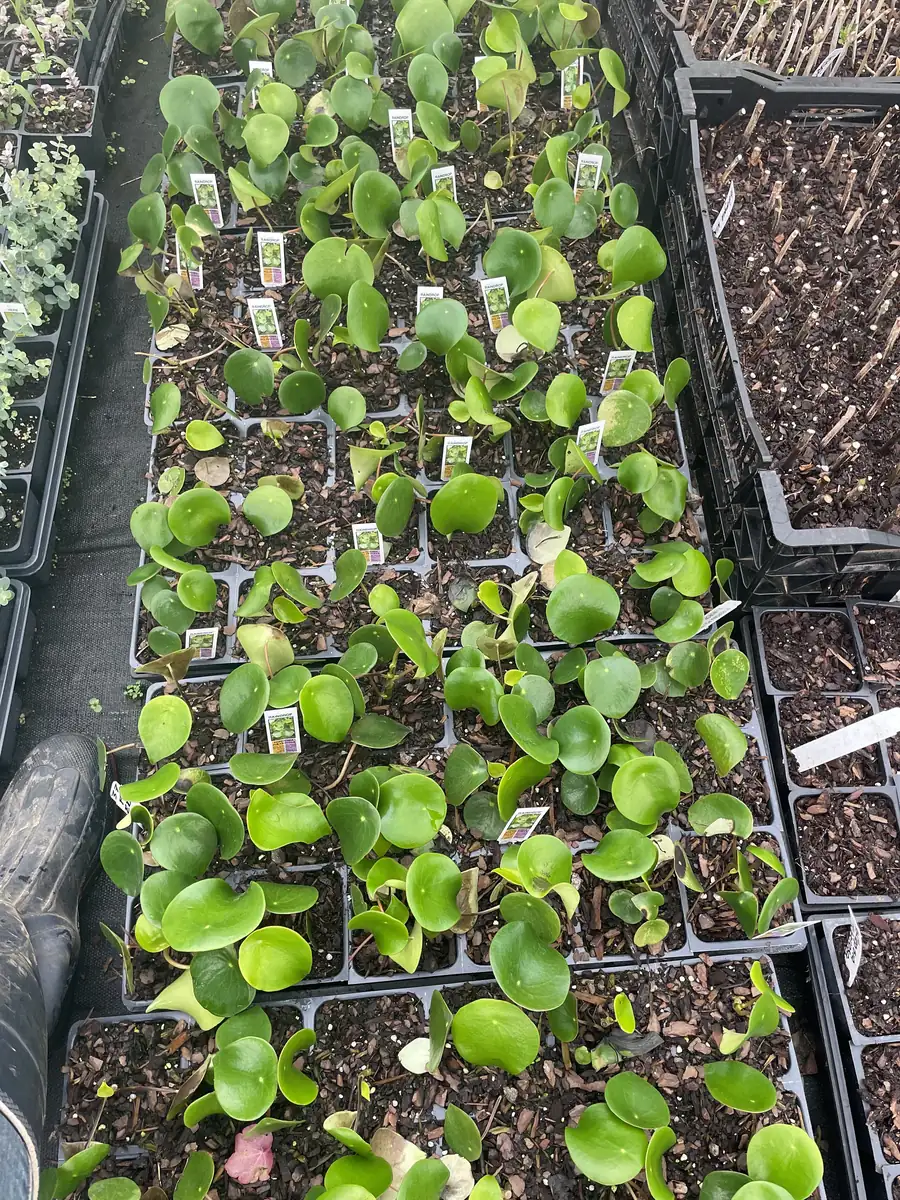
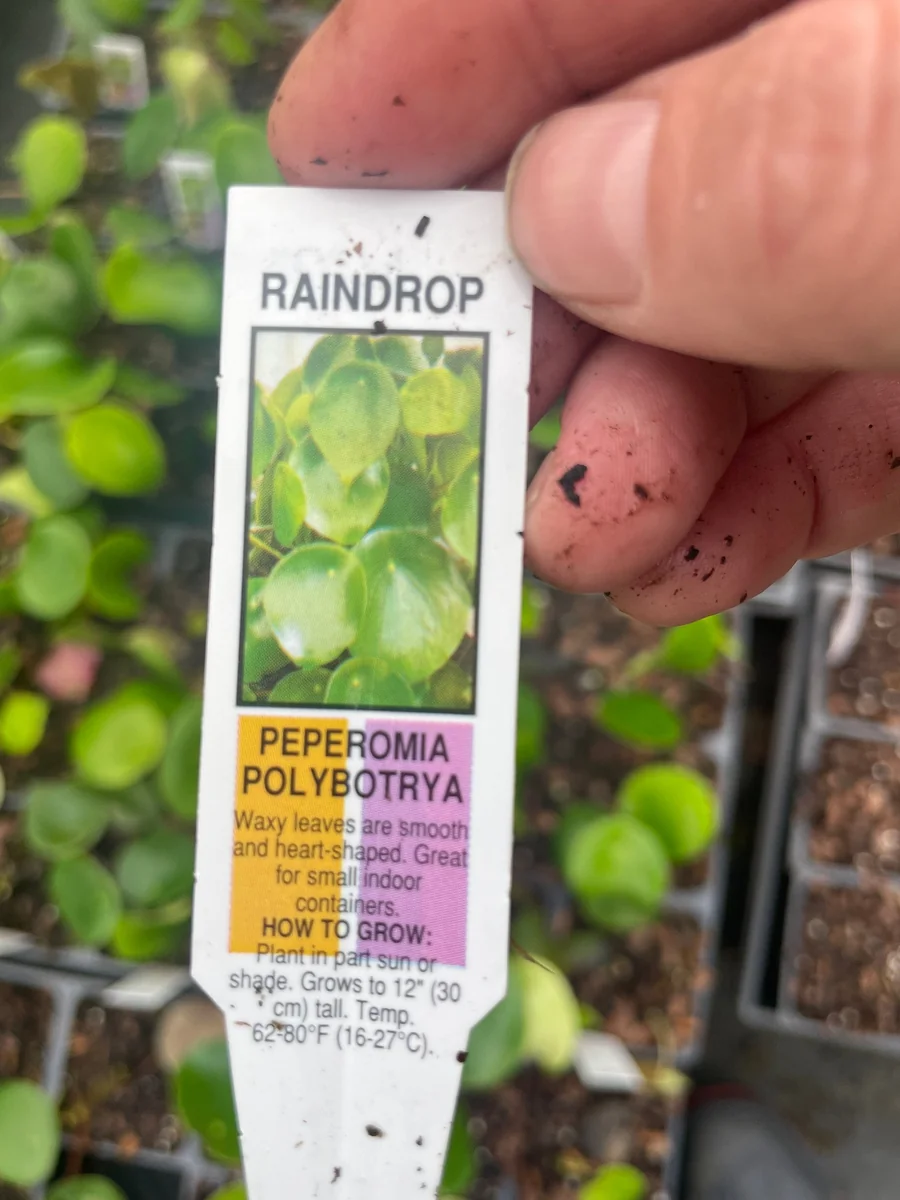
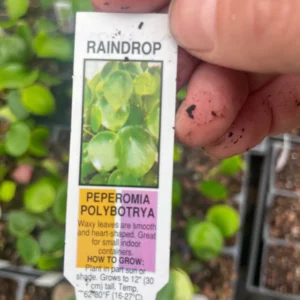
Introduce a touch of natural elegance to your indoor sanctuary with the captivating raindrop peperomia live plant. Also known by its botanical name, Peperomia polybotrya ‘Raindrop’, this charming houseplant is celebrated for its distinctive, glossy, heart-shaped to teardrop-shaped leaves that resemble raindrops. Native to the tropical regions of Colombia and Peru, this Peperomia variety is a fast-growing, upright plant that effortlessly enhances the aesthetic of any room. Its vibrant green foliage and unique texture make it a popular choice for both seasoned plant enthusiasts and beginners alike. As a raindrop peperomia live plant, it brings vitality and a fresh atmosphere to your home or office. Its compact size, typically around 6 inches tall when shipped, makes it an ideal desk plant or a delightful addition to shelves and windowsills.
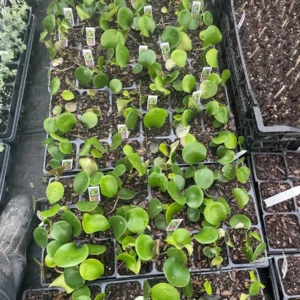
The raindrop peperomia live plant is a fantastic selection for those seeking a low-maintenance yet visually appealing specimen. It thrives with minimal fuss, making it one of the most forgiving easy care houseplants available. Its non-toxic nature further adds to its appeal, ensuring it’s a safe choice for homes with curious pets. Each plant arrives healthy and vibrant, potted in a convenient 3.5 inch nursery pot, providing a strong foundation for continued growth and enjoyment. Embrace the beauty of this unique Peperomia and transform your living space into a greener, more serene environment.
Key Benefits
The raindrop peperomia live plant offers a multitude of benefits, making it an excellent addition to any indoor plant collection. Its striking appearance and adaptable nature contribute to a healthier and more inviting home. Here are some of its most appreciated advantages:
- Aesthetic Appeal: The most prominent feature of the ‘Raindrop’ Peperomia is its unique, glossy, teardrop-shaped leaves. These bright green leaves catch the light beautifully, adding a vibrant and modern touch to any decor. Its upright growth habit creates an attractive silhouette, perfect for creating visual interest in your space. This makes the raindrop peperomia live plant a standout choice.
- Easy Maintenance: This plant is renowned for being an easy care houseplants. It does not demand constant attention, making it suitable for busy individuals or those new to plant care. Its forgiving nature means it can tolerate occasional neglect, bouncing back readily, ensuring successful peperomia raindrop care.
- Pet-Friendly: A significant advantage of the Raindrop Peperomia is that it is non-toxic to pets, making it a safe choice for homes with cats, dogs, or other animals. You can enjoy its beauty without worrying about your furry friends. This makes it an ideal pet friendly plants option.
- Air Purification: Like many houseplants, the Raindrop Peperomia contributes to improved indoor air quality by filtering out certain airborne toxins. While not as potent as some larger plants, it still helps create a fresher living environment.
- Compact Size: Growing to an average height of about 6-10 inches, this plant is perfect for small spaces, desks, shelves, and terrariums. Its manageable size means it won’t outgrow its spot quickly and is easy to relocate.
- Fast Growing: Despite its compact nature, the Raindrop Peperomia is a relatively fast grower, rewarding you with new foliage consistently. This rapid growth is satisfying to observe and quickly fills out its pot.
- Versatile Lighting: While it prefers bright indirect light, the Raindrop Peperomia can adapt to medium light conditions, offering flexibility in placement within your home. This adaptability makes it a versatile choice for various room settings.
Plant Care & Growing Tips
Caring for your raindrop peperomia live plant is straightforward, making it an excellent choice for plant enthusiasts of all skill levels. Understanding its basic needs will ensure it thrives and continues to display its beautiful foliage. This section provides detailed instructions to help you keep your indoor peperomia healthy and vibrant.
Sunlight Requirements: The Raindrop Peperomia prefers bright, indirect light. A spot near an east or north-facing window is ideal, or a few feet away from a brighter south or west-facing window where it won’t receive harsh direct sun. While it can tolerate medium light, too little light can lead to leggy growth and less vibrant foliage. Avoid direct afternoon sun, which can scorch its delicate leaves. Rotating the plant every few weeks will ensure even growth.
Watering Schedule and Soil Moisture: One of the most crucial aspects of peperomia raindrop care is proper watering. These plants prefer their soil to dry out almost completely between waterings. Overwatering is a common cause of issues like root rot, so it’s always best to err on the side of underwatering. Check the soil moisture by sticking your finger about an inch or two into the soil; if it feels dry, it’s time to water. Water thoroughly until water drains from the bottom of the pot, then discard any excess water in the saucer. Reduce watering frequency in winter when the plant’s growth slows.
Soil Type and Drainage: A well-draining potting mix is essential for the health of your Raindrop Peperomia. A standard houseplant mix amended with perlite or orchid bark for extra drainage works well. The pot should always have drainage holes to prevent waterlogging. Good drainage is key to preventing root issues and promoting robust growth.
Temperature Range and USDA Hardiness Zone: This tropical plant thrives in average household temperatures, ideally between 65°F and 80°F (18°C-27°C). It is not tolerant of cold temperatures and should be protected from drafts and temperatures below 50°F (10°C). As an indoor plant, USDA hardiness zones are less relevant, but if grown outdoors in a suitable climate, it would align with tropical zones, typically USDA zone 10-12.
Fertilization Schedule: During the growing season (spring and summer), you can feed your Raindrop Peperomia monthly or bi-monthly with a balanced liquid fertilizer diluted to half strength. Avoid fertilizing in fall and winter when the plant is dormant. Too much fertilizer can harm the plant, so less is often more.
Humidity Preference: The Raindrop Peperomia prefers low to average humidity, which makes it well-suited for most indoor environments without needing extra humidification. However, it will appreciate occasional misting or being placed near a humidifier if your home is particularly dry, especially during winter months when heating systems can lower humidity levels.
Common Problems and Solutions: Yellowing leaves can indicate overwatering or nutrient deficiency. Drooping leaves often signal underwatering, while soft, mushy stems point to root rot from excessive moisture. Pests like spider mites or mealybugs can sometimes appear but can usually be managed with insecticidal soap or neem oil. Regular inspection will help catch issues early. These issues are uncommon for easy care houseplants when proper care is given.
Size & Details
The raindrop peperomia live plant you receive measures approximately 6 inches tall from the base of the pot to the top of the foliage, providing an immediate impact in your indoor garden. It is shipped in a 3.5 inch diameter nursery pot, a perfect size for transplanting into a decorative container of your choice or allowing it to grow a bit more before repotting. This plant has a moderate to fast growth rate, and with proper peperomia raindrop care, it can reach a mature height of 10-12 inches indoors, with a similar spread, creating a full and attractive specimen.
Your plant will arrive as a healthy, established live plant in its nursery container, ready for placement in your home. The compact nature of this indoor peperomia makes it ideal for various settings, from office desks to kitchen counters and bookshelves. While it doesn’t typically produce showy flowers, its lush, vibrant foliage is its main attraction. Expect it to continue growing and filling out its pot within a few months of receiving it, especially during the spring and summer growing seasons.
Frequently Asked Questions
- Q: How big does this plant get? A: The raindrop peperomia live plant typically grows to about 6-10 inches tall indoors, with a similar spread. When you receive it, it will be around 6 inches tall in its nursery pot.
- Q: What size pot does it come in? A: This plant comes in a 3.5 inch diameter nursery pot, which is suitable for its initial growth stage. You can repot it into a slightly larger decorative pot upon arrival if desired.
- Q: Is this an indoor or outdoor plant? A: The Raindrop Peperomia is primarily an indoor peperomia in most climates. It can be grown outdoors in very warm, humid, tropical conditions (USDA zones 10-12) but is best kept indoors where temperatures are stable.
- Q: How much sunlight does it need? A: This plant thrives in bright, indirect light. Avoid direct, harsh sunlight which can burn its leaves. It can tolerate medium light conditions but will grow best with ample indirect light.
- Q: Is this plant easy to care for? A: Yes, the Raindrop Peperomia is considered an easy care houseplants option, making it great for beginners. Its main requirements are bright indirect light and careful watering to avoid overwatering, ensuring successful peperomia raindrop care.
- Q: Is it good for beginners? A: Absolutely! Its forgiving nature and straightforward care routine make it an excellent choice for those new to plant parenting. Following basic care tips will ensure success.
- Q: Is it pet-safe? A: Yes, the Raindrop Peperomia is non-toxic to pets, making it a wonderful and safe addition to homes with cats, dogs, or other animals. It’s truly one of the best pet friendly plants available.
- Q: How long until it grows? A: The Raindrop Peperomia is a relatively fast grower, especially during spring and summer. You should see new leaves and increased size within a few weeks to a couple of months after receiving it.
- Q: When is the best time to plant? A: As an indoor plant, it can be ‘planted’ (or placed in a new pot) year-round. However, spring and early summer are ideal for repotting as the plant is in its active growth phase.
- Q: What’s the minimum temperature it can tolerate? A: This tropical plant prefers temperatures above 60°F (15°C) and should not be exposed to temperatures below 50°F (10°C) for extended periods, as it is sensitive to cold.
| Amount | 1, 2, 3, 4, 5 |
|---|
Be the first to review “Raindrop Peperomia Live Plant – Peperomia polybotrya ‘Raindrop’ – 3.5 inch Pot – Indoor”
People Also Viewed
Sold 55 products
Original price was: $213.58.$128.14Current price is: $128.14.
Sold 99 products
From $19.98
Flower Bulbs
Minerva Amaryllis Bulb – Large Red Winter Blooms, 28-30 cm Circumference, Indoor/Outdoor
Sold 59 products
From $75.80
Sold 90 products
$35.18
Sold 89 products
Original price was: $90.00.$72.00Current price is: $72.00.
Sold 97 products
Original price was: $63.22.$37.94Current price is: $37.94.
Sold 73 products
Original price was: $58.54.$35.12Current price is: $35.12.
Sold 63 products
Original price was: $91.98.$45.99Current price is: $45.99.
Sold 77 products
Original price was: $159.80.$79.90Current price is: $79.90.
Sold 66 products
Original price was: $39.98.$19.99Current price is: $19.99.
Sold 92 products
Original price was: $74.36.$37.18Current price is: $37.18.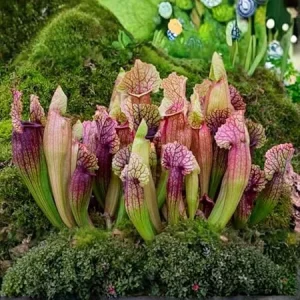
HousePlants
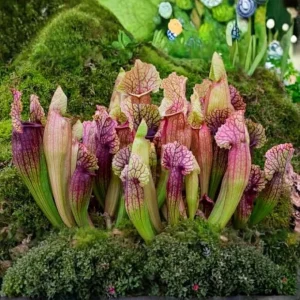
Purple Nepenthes Pitcher Plant Live – Exotic Tropical Houseplant for Indoor/Outdoor Décor
Sold 62 products
$65.98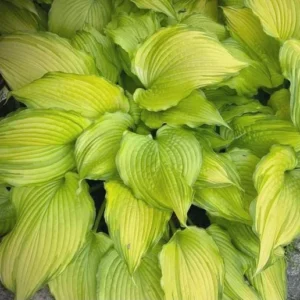
Flower Plants
Dancing Darling Hosta Live Plant – Yellow-Golden Foliage – 1 Gallon Pot – Shade Garden Perennial
Sold 82 products
From $99.80
Sold 98 products
Original price was: $39.98.$19.99Current price is: $19.99.
Sold 50 products
Original price was: $143.80.$71.90Current price is: $71.90.
Sold 66 products
Original price was: $39.98.$19.99Current price is: $19.99.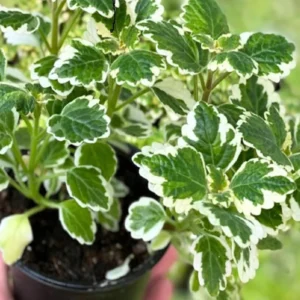
HousePlants
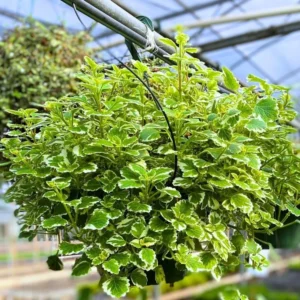
Swedish Ivy Plectranthus – 2 Live Plants in 4 Inch Pots – Variegated Swedish Ivy Mint Starter Plants
Sold 77 products
Original price was: $37.98.$18.99Current price is: $18.99.

Sold 73 products
Original price was: $89.98.$44.99Current price is: $44.99.


Reviews
There are no reviews yet.