
Purple Wisteria Live Plant – 6-12″ Tall – 3″ Pot – Wisteria Sinensis Vine
Original price was: $24.35.$7.74Current price is: $7.74.
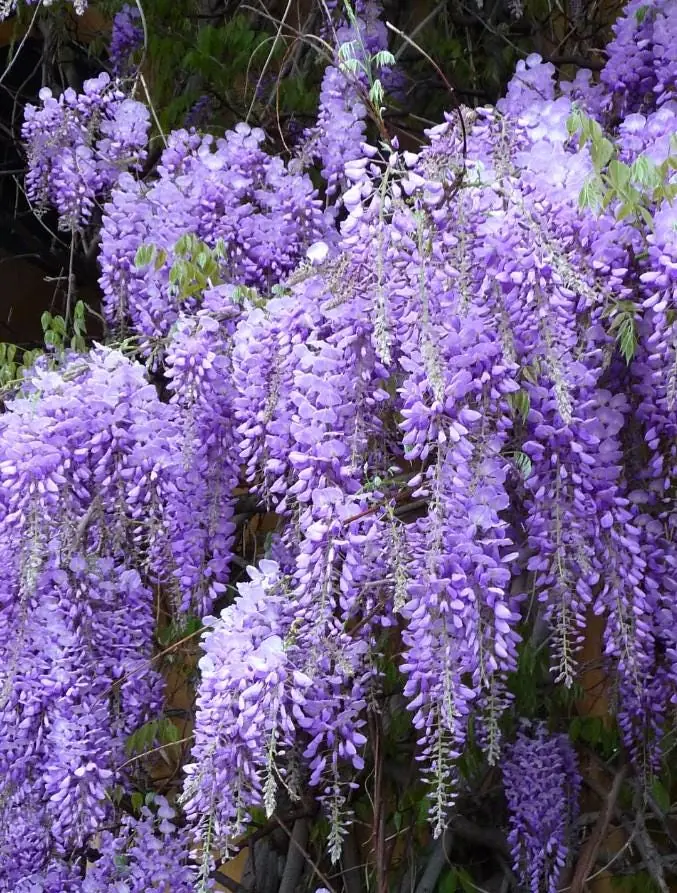
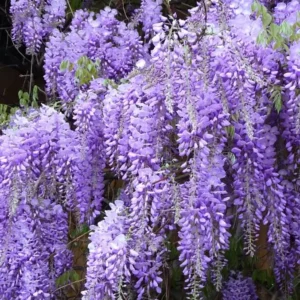
Add elegance to your garden with this beautiful purple wisteria live plant. Known for its cascading, fragrant blooms, this wisteria sinensis vine is ideal for trellises, pergolas, and ornamental landscaping. Arrives 6-12″ tall in a 3″ pot, ready to plant and transform your outdoor space.
-
USDA Hardiness Zone
USDA zones 5–9 -
Soil Type
Well-drained, fertile soil; pH 6.0–7.0 -
Sunlight Exposure
Full sun (at least 6 hours of direct sunlight daily) -
Expected Planting Period
Early spring or fall

You can track your order HERE
Feb 26
Mar 03 - Mar 05
Mar 08 - Mar 12
Shipping and return policies: Our Alive & Thrive Guarantee covers issues with your plants within the first 30 days. Reach out to us. Our team will answer your questions and help you find the plants that are truly suitable for your environment, climate, and personal preferences.

Overview
Introduce breathtaking beauty and captivating fragrance to your garden with this exquisite purple wisteria live plant. A true showstopper, the Wisteria Sinensis, commonly known as Chinese Wisteria, is a fast-growing, deciduous woody vine celebrated for its spectacular display of long, pendulous clusters of fragrant purple flowers. This particular offering provides a healthy, young plant, typically 6-12 inches tall, rooted in a 3-inch pot, ready to establish itself in your landscape. Symbolizing love and longevity, a well-cared-for fragrant wisteria plant can thrive for decades, becoming a cherished focal point in any outdoor setting. Its vigorous growth and stunning floral show make it a popular choice for gardeners seeking to create a dramatic and romantic atmosphere. This live plant is perfect for those looking to cultivate a robust and beautiful vine that offers both visual appeal and a delightful aroma.
Key Benefits
The purple wisteria live plant offers an array of benefits, making it an exceptional addition to diverse garden designs. Its striking appearance and vigorous growth habits provide both aesthetic pleasure and practical garden solutions. Cultivating a wisteria sinensis vine brings numerous advantages to your outdoor living space.
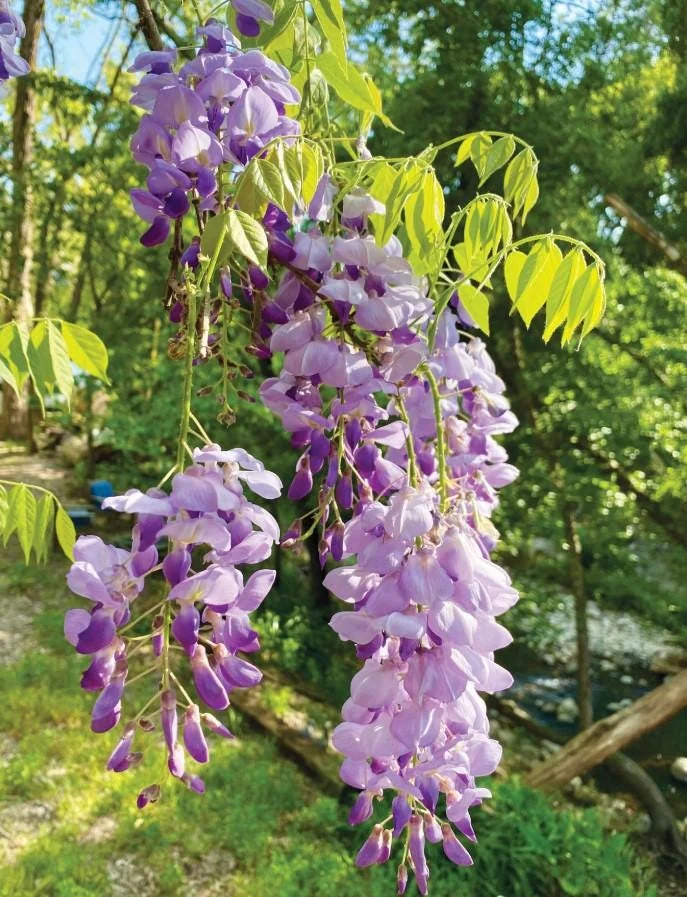
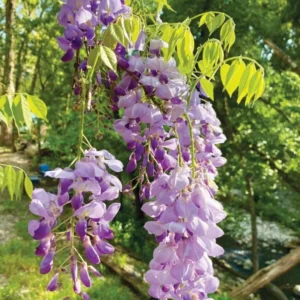
- Spectacular Floral Display: Enjoy an abundance of long, cascading clusters of vibrant purple flowers in spring and early summer, creating a truly magnificent visual spectacle. The blooms are incredibly showy and can transform any structure into a floral masterpiece.
- Captivating Fragrance: The flowers emit a sweet, intoxicating perfume that can fill your garden, attracting pollinators and delighting human visitors alike. This makes the fragrant wisteria plant not just a visual treat, but an olfactory delight.
- Rapid Growth & Coverage: This fast-growing vine quickly covers trellises, pergolas, arbors, and fences, providing shade, privacy, and a lush green backdrop throughout the growing season. It’s an excellent choice for quickly establishing vertical interest.
- Symbolic & Long-Lived: Wisteria is often associated with love, longevity, and new beginnings. With proper care, these plants can live for decades, becoming a lasting legacy in your garden.
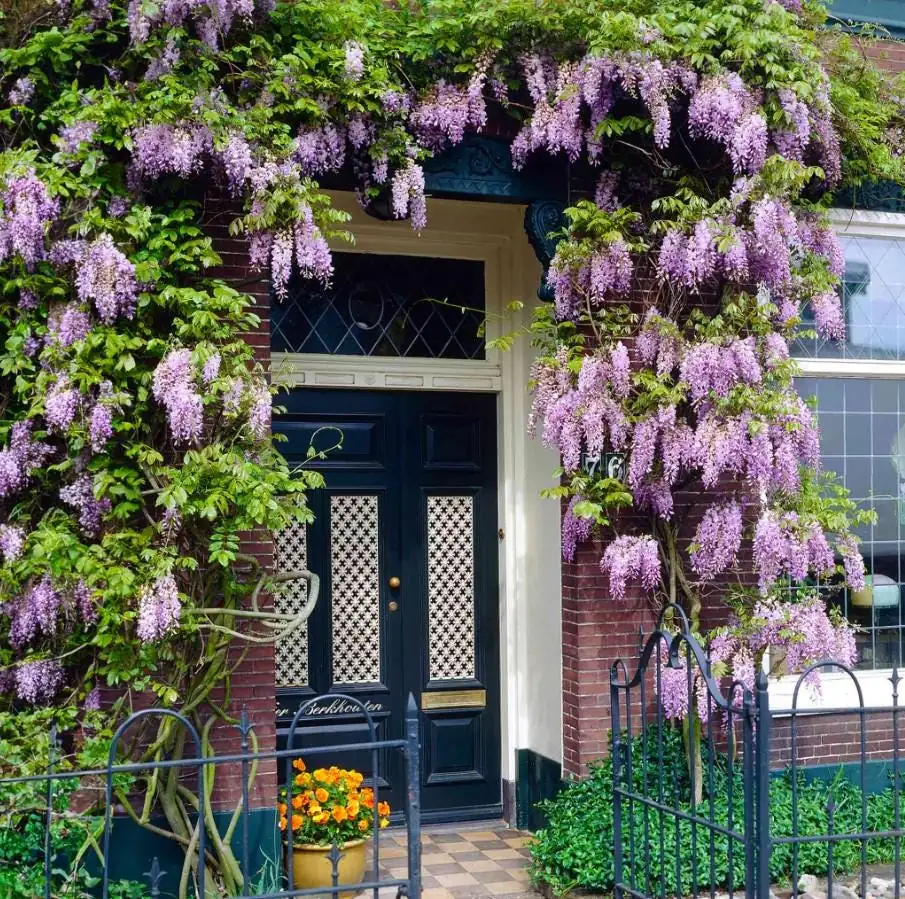
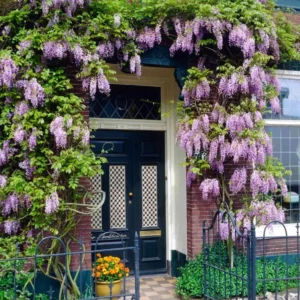
- Versatile Landscaping Element: Ideal for ornamental landscaping, this vine can be trained to grow as a standard ‘tree,’ draped over structures, or allowed to ramble over walls, offering immense design flexibility. Consider how to incorporate your wisteria for landscape designs.
- Attracts Pollinators: The nectar-rich flowers are a magnet for bees, butterflies, and hummingbirds, contributing to the biodiversity and health of your garden ecosystem.
- Drought-Tolerant Once Established: While requiring regular watering during its establishment phase, mature wisteria plants are quite tolerant of dry conditions, reducing long-term irrigation needs.
Plant Care & Growing Tips
Proper care is essential for ensuring your purple wisteria live plant flourishes and delivers its spectacular blooms. Understanding its specific needs will help you achieve the best results and enjoy your wisteria sinensis vine for many years. Learning how to grow wisteria successfully involves attention to several key environmental factors.
Sunlight Requirements: Wisteria thrives in full sun, meaning it needs at least 6 hours of direct sunlight daily for optimal flowering. While it can tolerate partial shade, too little sun will result in sparse blooming. Ensure your chosen planting location receives ample sunlight throughout the day. In hotter climates, some afternoon shade can be beneficial to protect the plant from intense heat, but morning sun is crucial for flower bud development.
Watering Schedule & Soil Moisture: During the first growing season, water regularly and deeply to help establish a strong root system. Aim to keep the soil consistently moist but never waterlogged. Once established, mature wisteria plants are relatively drought-tolerant but will benefit from occasional deep watering during prolonged dry spells, especially when flowering. Overwatering can lead to root rot, so ensure good drainage. The ideal soil for a fragrant wisteria plant should be well-drained and fertile.
Soil Type & Drainage: Wisteria prefers well-drained, fertile soil with a pH between 6.0 and 7.0. It tolerates a range of soil types but absolutely avoids overly wet or poorly drained areas, which can lead to root diseases. Amend heavy clay soils with organic matter like compost or aged manure to improve drainage and fertility. Sandy soils may require more frequent watering and nutrient supplementation. Preparing the soil properly is a critical step in how to grow wisteria effectively.
Temperature Range & USDA Hardiness Zone: This purple wisteria live plant is hardy in USDA zones 5–9, making it suitable for a wide range of temperate climates. It requires a period of winter chill to set flower buds. Protect young plants from extreme cold during their first winter. In colder zones, choose a sheltered location. Fertilize sparingly; too much nitrogen can promote foliage growth at the expense of flowers. Use a fertilizer high in phosphorus to encourage blooming. Pruning is crucial for flowering; prune in late winter to shape and remove dead wood, and again in summer to control growth and promote flower bud formation. Learning how to prune is a big part of successful wisteria for landscape use.
Size & Details
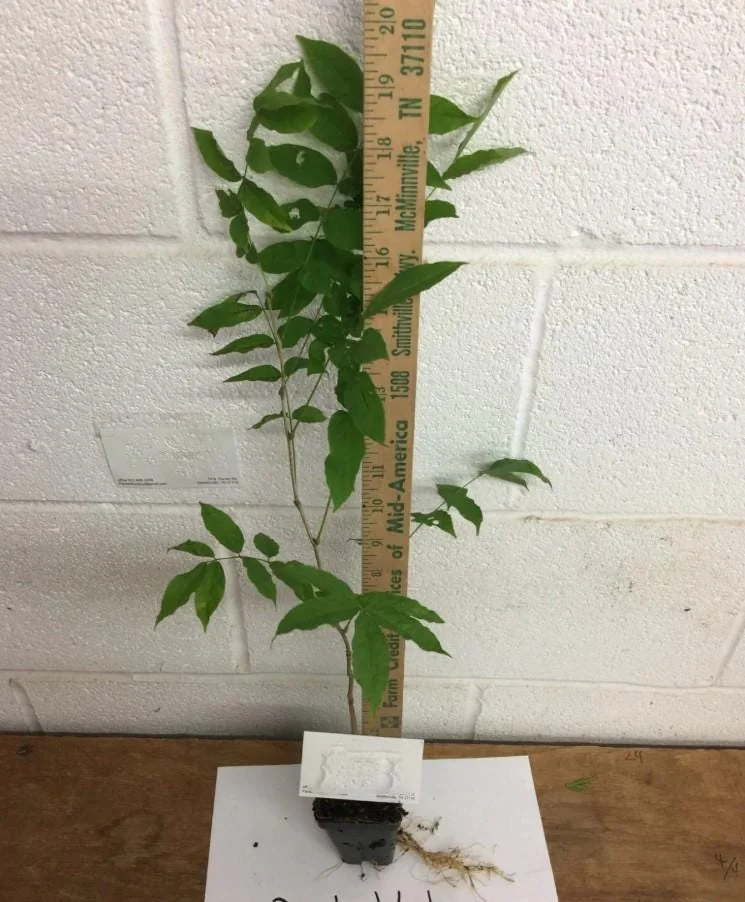
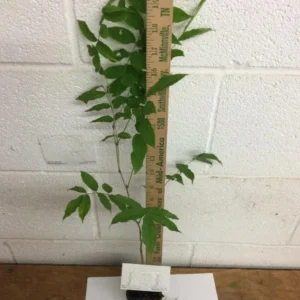
This offering is for a young purple wisteria live plant, typically arriving in a 3-inch pot with a height ranging from 6 to 12 inches tall. This size is ideal for establishing in your garden, allowing it to adapt and grow vigorously. Wisteria Sinensis is a fast-growing vine, and with proper care, it can quickly reach impressive lengths, often growing 10-25 feet or more, depending on the support structure and pruning. Its spread can be equally substantial, making it perfect for covering large pergolas or arbors. Expect the plant to begin producing its characteristic fragrant purple blooms within a few years of planting, with flowering becoming more prolific as the vine matures. This wisteria sinensis vine is shipped as a live, rooted plant, ready for immediate transplanting into its permanent location in your garden. Providing a sturdy support structure at planting is crucial for the future development of this magnificent vine. Understanding the growth potential is key to successful wisteria for landscape planning.
Frequently Asked Questions
- Q: How big does this plant get? A: This purple wisteria live plant typically arrives 6-12 inches tall in a 3-inch pot. With proper care and support, the vine can grow to be 10-25 feet long or more, creating a substantial and beautiful display.
- Q: What size pot does it come in? A: The purple wisteria live plant is shipped in a 3-inch nursery pot, providing a healthy root system for transplanting into your garden or a larger container.
- Q: Is this an indoor or outdoor plant? A: Wisteria is primarily an outdoor plant, thriving in garden settings where it can grow vigorously and receive ample sunlight. It requires a period of winter dormancy to flower properly.
- Q: How much sunlight does it need? A: For best flowering, your wisteria sinensis vine requires full sun, meaning at least 6 hours of direct sunlight per day. Adequate sunlight is crucial for bloom production.
- Q: Is this plant easy to care for? A: While relatively low-maintenance once established, wisteria does require specific pruning and a sturdy support structure. Understanding how to grow wisteria through proper pruning techniques is key to its success and abundant flowering.
- Q: What condition will it arrive in? A: Your fragrant wisteria plant will arrive as a healthy, live plant, carefully packaged to ensure it reaches you in good condition, ready for planting.
- Q: How long until it blooms? A: Wisteria typically takes a few years to establish and begin flowering, usually 3-5 years after planting. Proper pruning and sufficient sunlight can encourage earlier and more prolific blooms.
- Q: When is the best time to plant? A: The best times for planting your purple wisteria live plant are early spring or fall, allowing the roots to establish before extreme summer heat or winter cold.
- Q: Will it survive winter in my zone? A: This wisteria variety is hardy in USDA zones 5–9. If you are within these zones, your plant should survive winter outdoors. Protection might be needed for young plants in the colder end of its hardiness range.
- Q: What type of soil does it prefer? A: Wisteria prefers well-drained, fertile soil with a pH between 6.0 and 7.0. Avoid waterlogged conditions to prevent root issues. This is an important consideration for successfully growing wisteria for landscape.
Be the first to review “Purple Wisteria Live Plant – 6-12″ Tall – 3″ Pot – Wisteria Sinensis Vine”
People Also Viewed


Sold 73 products
From $39.98
Sold 88 products
Original price was: $29.96.$14.98Current price is: $14.98.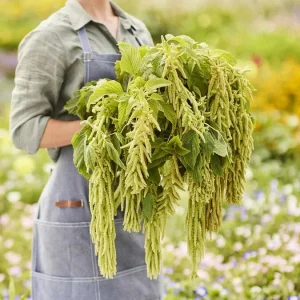
Flower Seeds
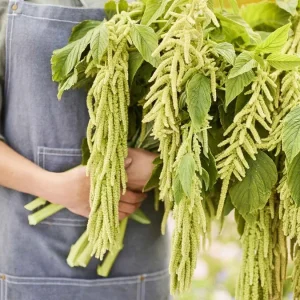
Amaranthus Viridis Seeds – 500+ Amaranthus caudatus Green Flower Seeds Perennial Outdoor
Sold 68 products
Original price was: $18.76.$9.38Current price is: $9.38.
Sold 73 products
From $87.00
Sold 62 products
Original price was: $16.60.$8.30Current price is: $8.30.
Sold 76 products
Original price was: $22.76.$11.38Current price is: $11.38.
Sold 86 products
Original price was: $86.36.$43.18Current price is: $43.18.

Sold 70 products
Original price was: $61.98.$49.58Current price is: $49.58.
Sold 92 products
$43.96
Sold 77 products
From $43.80

Sold 93 products
Original price was: $75.96.$37.98Current price is: $37.98.
Sold 59 products
Original price was: $20.00.$10.00Current price is: $10.00.

Sold 100 products
Original price was: $62.36.$31.18Current price is: $31.18.
Sold 67 products
Original price was: $18.76.$9.38Current price is: $9.38.
Sold 83 products
Original price was: $57.98.$28.99Current price is: $28.99.
Sold 92 products
From $38.92
Sold 89 products
Original price was: $147.16.$73.58Current price is: $73.58.
Sold 74 products
Original price was: $179.98.$89.99Current price is: $89.99.


Reviews
There are no reviews yet.