
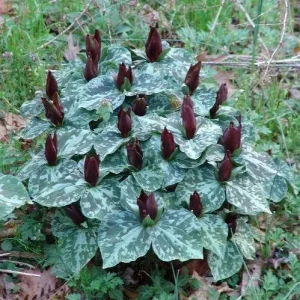
Purple Toad Trillium Bulbs – Sweet Betsy Trillium – Woodland Plant
From $59.80
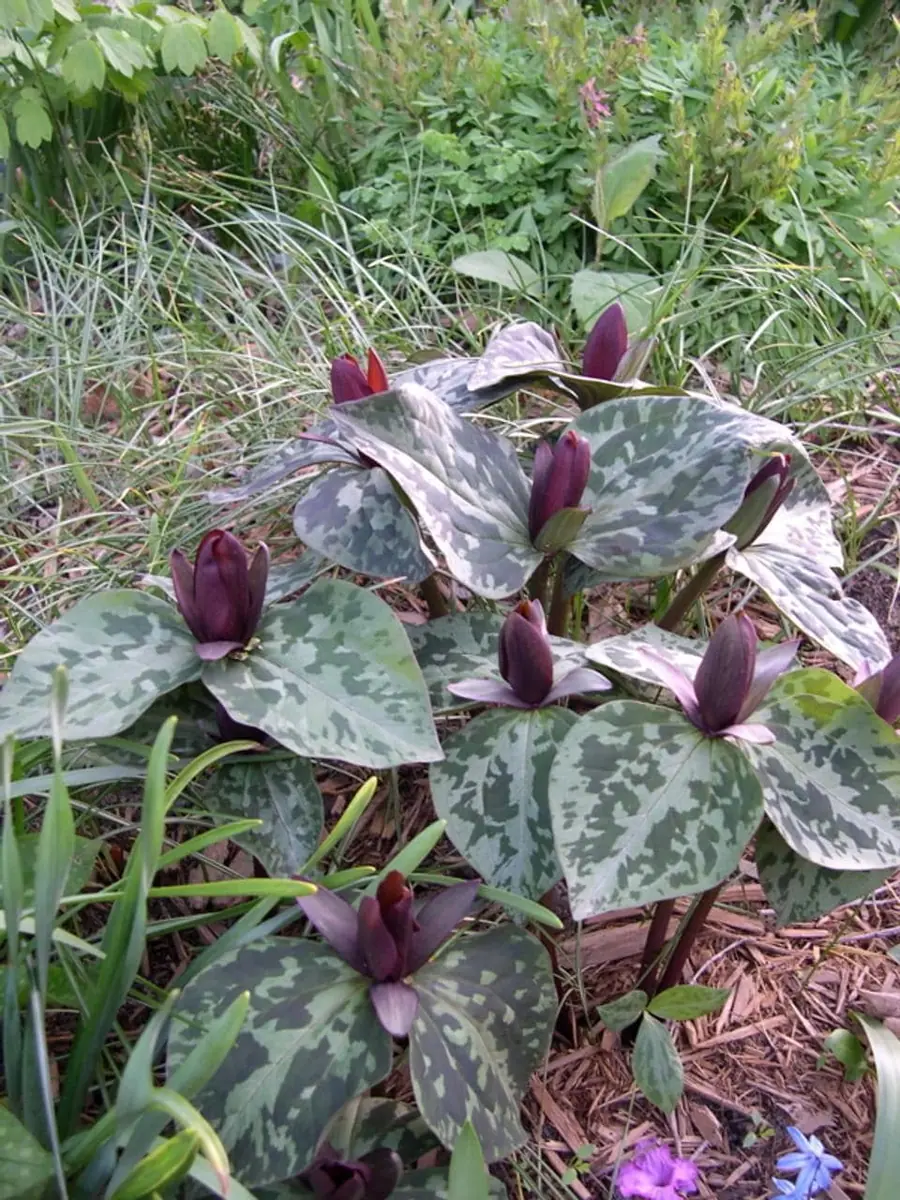
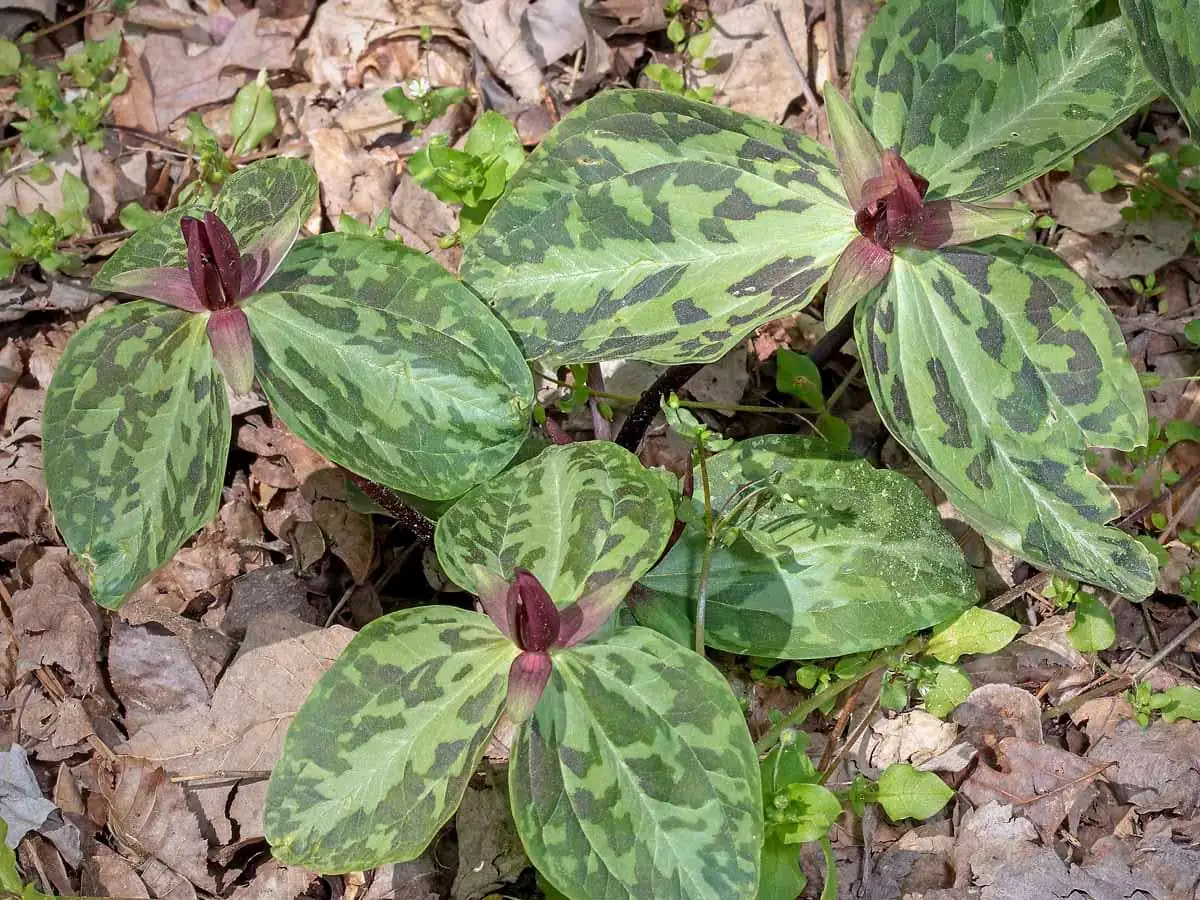
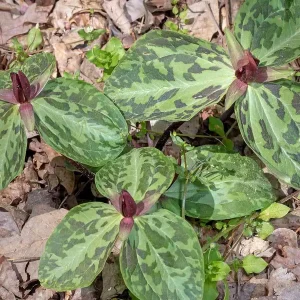
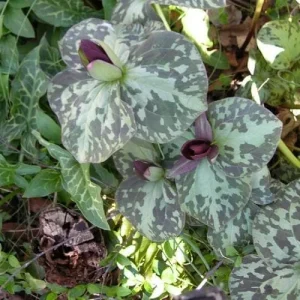
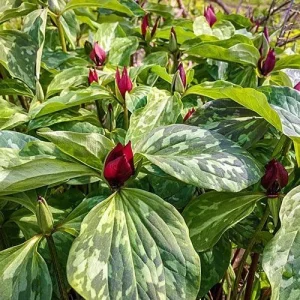
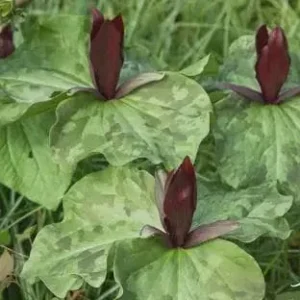
Enhance your shaded garden with purple toad trillium bulbs. Also known as sweet betsy trillium, these unique plants feature mottled foliage and distinctive maroon to burgundy flowers. Perfect for native plant gardens and woodland settings, offering easy care and striking visual appeal.
-
USDA Hardiness Zone
USDA zones 5-8 -
Soil Type
Well-draining, rich in organic matter -
Sunlight Exposure
Partial to full shade -
Expected Planting Period
Fall to early spring

You can track your order HERE
Jan 16
Jan 21 - Jan 23
Jan 26 - Jan 30
Shipping and return policies: Our Alive & Thrive Guarantee covers issues with your plants within the first 30 days. Reach out to us. Our team will answer your questions and help you find the plants that are truly suitable for your environment, climate, and personal preferences.

Overview
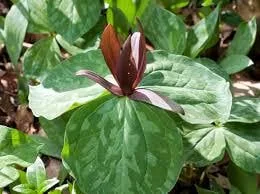
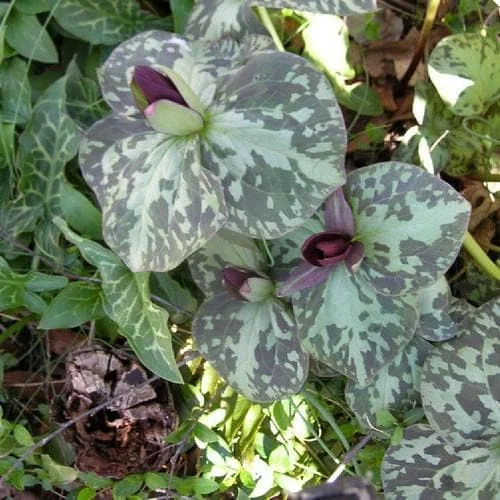
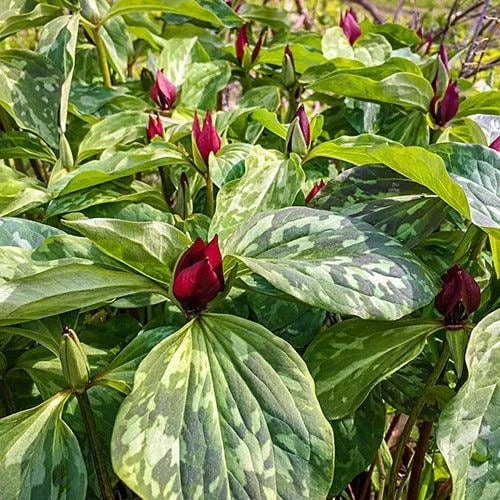
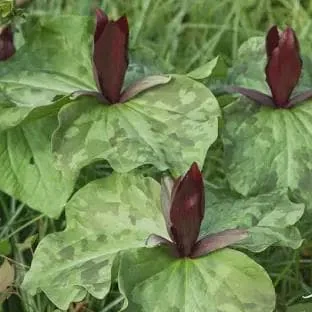
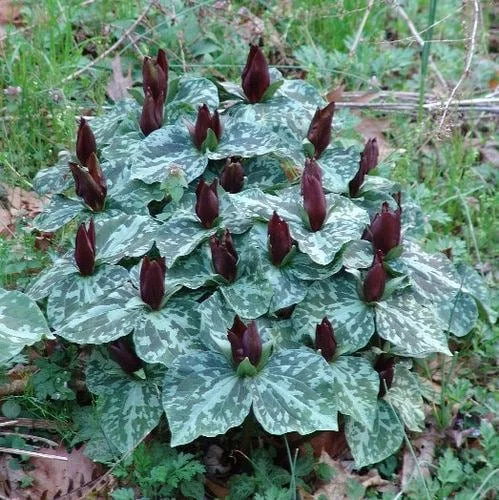
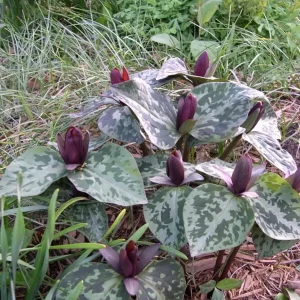
Introduce an element of unique beauty to your shaded landscape with purple toad trillium bulbs. Also known as sweet betsy trillium (Trillium cuneatum), this remarkable plant is a native gem of the southeastern United States, thriving from Kentucky to Mississippi. Grown from an underground rhizome, the Sweet Betsy Trillium produces an extension that can reach 12 to 18 inches above ground in spring, showcasing its distinctive three leaves. These 3 to 7-inch leaves boast an attractive mottled pattern with shades of dark green, light green, and silver, reminiscent of a toad’s skin, which gives the plant its common name. The single, fragrant flower varies in color from yellowish-bronze to deep burgundy, blooming from late March to early May. These trillium cuneatum bulbs are an excellent choice for creating a naturalistic feel in your garden.
The sweet betsy trillium is a robust and resilient plant, making it an ideal choice for gardeners looking for low-maintenance yet visually appealing options. Its ability to thrive in shaded areas makes it particularly valuable for woodland gardens or beneath deciduous trees where many other flowering plants struggle. Beyond its striking appearance, the plant also contributes to local ecosystems by providing seeds distributed by ants, a fascinating natural process. These purple toad trillium bulbs are a fantastic addition to any native plant collection, offering both aesthetic charm and ecological benefits.
Key Benefits
Bringing purple toad trillium bulbs into your garden offers numerous advantages, from their unique aesthetic to their ecological contributions. These benefits make the sweet betsy trillium a highly desirable plant for various garden styles, especially those focused on native flora and shaded environments.
- Distinctive Foliage: The three large, mottled leaves with shades of dark green, light green, and silver create a striking visual texture that stands out in any shaded garden. This unique pattern, resembling a toad’s skin, provides year-round interest even before the flowers appear.
- Unique Bloom Colors: Enjoy a beautiful display of single flowers that can range from yellowish-bronze to rich maroon or deep burgundy, blooming from late March to early May. These subtle yet captivating colors add depth and sophistication to woodland settings.
- Sweet Fragrance: The flowers emit a slightly sweet fragrance, enhancing the sensory experience of your garden space. This delicate scent is a delightful surprise, inviting closer inspection of these charming blooms.
- Low Maintenance: Once established, the purple toad trillium bulbs are relatively low-maintenance, requiring minimal intervention. They are naturally resistant to many serious pests and diseases, making them an easy-care option for busy gardeners.
- Native Plant Appeal: As a native species to the southeastern US, the trillium cuneatum is perfect for native plant gardens, helping to support local biodiversity and create a natural habitat. It integrates seamlessly into existing woodland ecosystems.
- Versatile Garden Use: Ideal for woodland gardens, native plant gardens, and even rock gardens in shady spots. Its adaptability allows it to be incorporated into various landscape designs where shade is prevalent, providing a touch of wild elegance.
- Pest and Disease Resistance: The sweet betsy trillium is generally robust and does not suffer from many serious pest or disease vulnerabilities, though vigilance for snails, slugs, and occasional leaf spots is recommended. This resilience contributes to its ease of care.
Plant Care & Growing Tips
Caring for your purple toad trillium bulbs is straightforward, especially when you understand their natural habitat requirements. The sweet betsy trillium thrives in conditions that mimic its native woodland environment, making it an excellent choice for shaded areas. They prefer well-drained soil rich in organic matter. Amending your soil with compost or leaf mold before planting will provide the ideal conditions for robust growth. Ensure the planting site offers consistent moisture without becoming waterlogged, as excessive wetness can lead to rot.
Sunlight is a crucial factor for trillium cuneatum. These plants are best suited for partial to full shade, especially during the hottest parts of the day. They naturally grow under the canopy of deciduous trees, where they receive filtered sunlight in spring before the leaves fully emerge, and then dappled to deep shade in summer. Avoid planting them in direct, harsh sunlight, which can scorch their leaves. The Sweet Betsy Trillium grows best in USDA hardiness zones 5-8, tolerating a range of temperatures. Fertilization is generally not heavily required; a light application of a balanced, slow-release organic fertilizer in early spring can be beneficial. Watch out for snails and slugs, which can occasionally damage the leaves, and address any leaf spot issues promptly. Care should be taken when transplanting, as trilliums can be sensitive to disturbance.
Size & Details
The sweet betsy trillium typically grows from an underground rhizome, producing an above-ground extension measuring 12 to 18 inches in height. Each plant features three prominent leaves, ranging from 3 to 7 inches long, displaying a beautiful mottled pattern of dark green, light green, and silver. The single flower, which can vary in color from yellowish-bronze to maroon or deep burgundy, blooms from late March to early May, offering a sweet fragrance. These purple toad trillium bulbs will arrive ready for planting, allowing them to establish roots and begin their growth cycle in your garden. They are known for their moderate growth rate, gradually spreading to form attractive clumps over time. Expect the plants to reach their mature height and begin flowering within the first year or two after successful planting, depending on environmental conditions.
Frequently Asked Questions
- Q: How big does this plant get? A: The purple toad trillium bulbs will grow to an average height of 12 to 18 inches above ground, forming a compact and attractive plant with distinctive foliage and a single flower.
- Q: Is this an indoor or outdoor plant? A: The sweet betsy trillium is primarily an outdoor plant, ideally suited for woodland gardens, native plant gardens, and shaded areas in temperate climates within USDA zones 5-8.
- Q: How much sunlight does it need? A: This plant thrives in partial to full shade. It prefers the filtered light found under deciduous trees, receiving sunlight in early spring and then shade as the canopy fills out.
- Q: Is this plant easy to care for? A: Yes, once established, the trillium cuneatum is considered relatively low-maintenance. It is naturally resilient to many pests and diseases, requiring minimal ongoing care beyond ensuring proper shade and moisture.
- Q: What condition will it arrive in? A: Your purple toad trillium bulbs will arrive as dormant bulbs, carefully packaged to ensure their health and vitality, ready for immediate planting in your prepared garden space.
- Q: How long until it blooms? A: Depending on planting time and conditions, you can expect the sweet betsy trillium to bloom in late March to early May, typically in the first or second spring after planting.
- Q: Will it survive winter in my zone? A: This plant is cold-hardy and will survive winters in USDA zones 5-8. It is a perennial that will return year after year, going dormant in the colder months.
- Q: What soil type does it prefer? A: The Sweet Betsy Trillium prefers well-draining soil that is rich in organic matter. Incorporating compost or leaf mold will provide an ideal growing medium for these bulbs.
- Q: Can I grow this in a container? A: While primarily a garden plant, it can be grown in large containers with appropriate drainage and shade, though it may not achieve its full natural spread as readily as in the ground.
- Q: Are there any common issues to watch for? A: The trillium cuneatum is generally robust, but keep an eye out for snails, slugs, and occasional leaf spot, especially in very damp conditions.
| Qty | 10, 15, 5 |
|---|
Be the first to review “Purple Toad Trillium Bulbs – Sweet Betsy Trillium – Woodland Plant”
People Also Viewed
Sold 95 products
Original price was: $111.80.$55.90Current price is: $55.90.
Sold 99 products
Original price was: $33.98.$27.18Current price is: $27.18.
Sold 91 products
Original price was: $49.98.$24.99Current price is: $24.99.
Sold 82 products
Original price was: $47.98.$23.99Current price is: $23.99.
Sold 50 products
Original price was: $39.98.$19.99Current price is: $19.99.
Sold 60 products
From $79.40

Sold 83 products
Original price was: $135.80.$67.90Current price is: $67.90.
Sold 78 products
Original price was: $23.00.$18.40Current price is: $18.40.



Reviews
There are no reviews yet.