

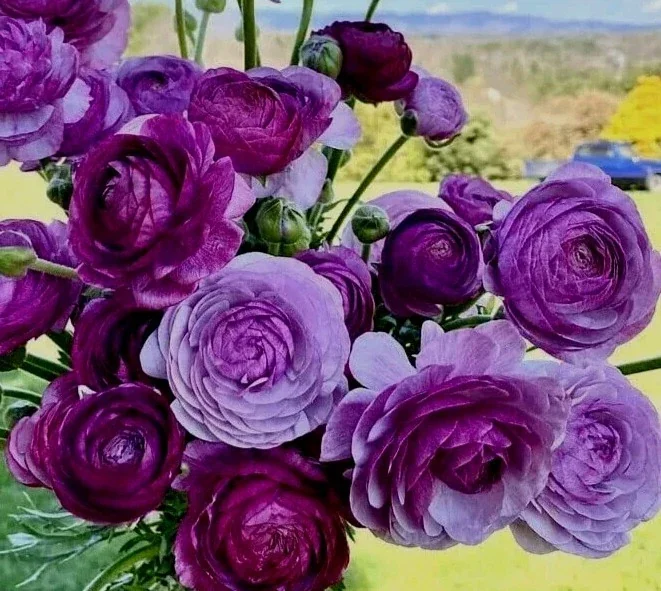
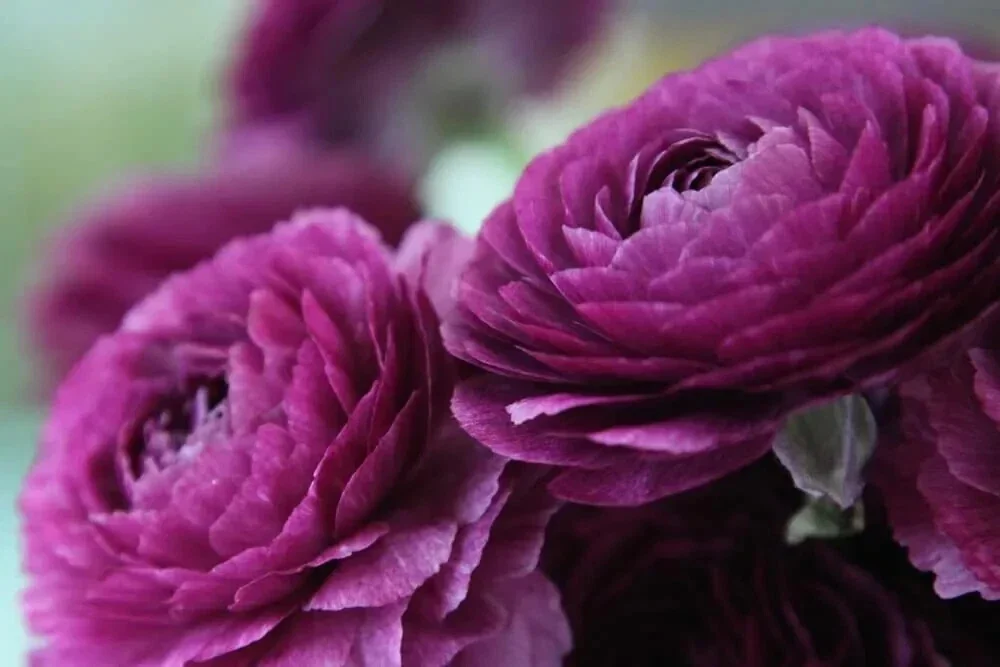
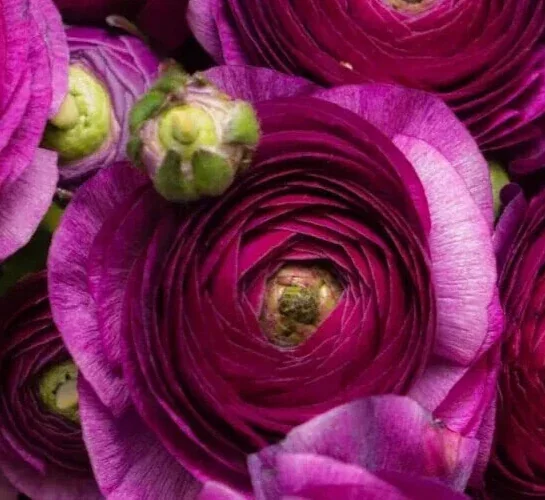
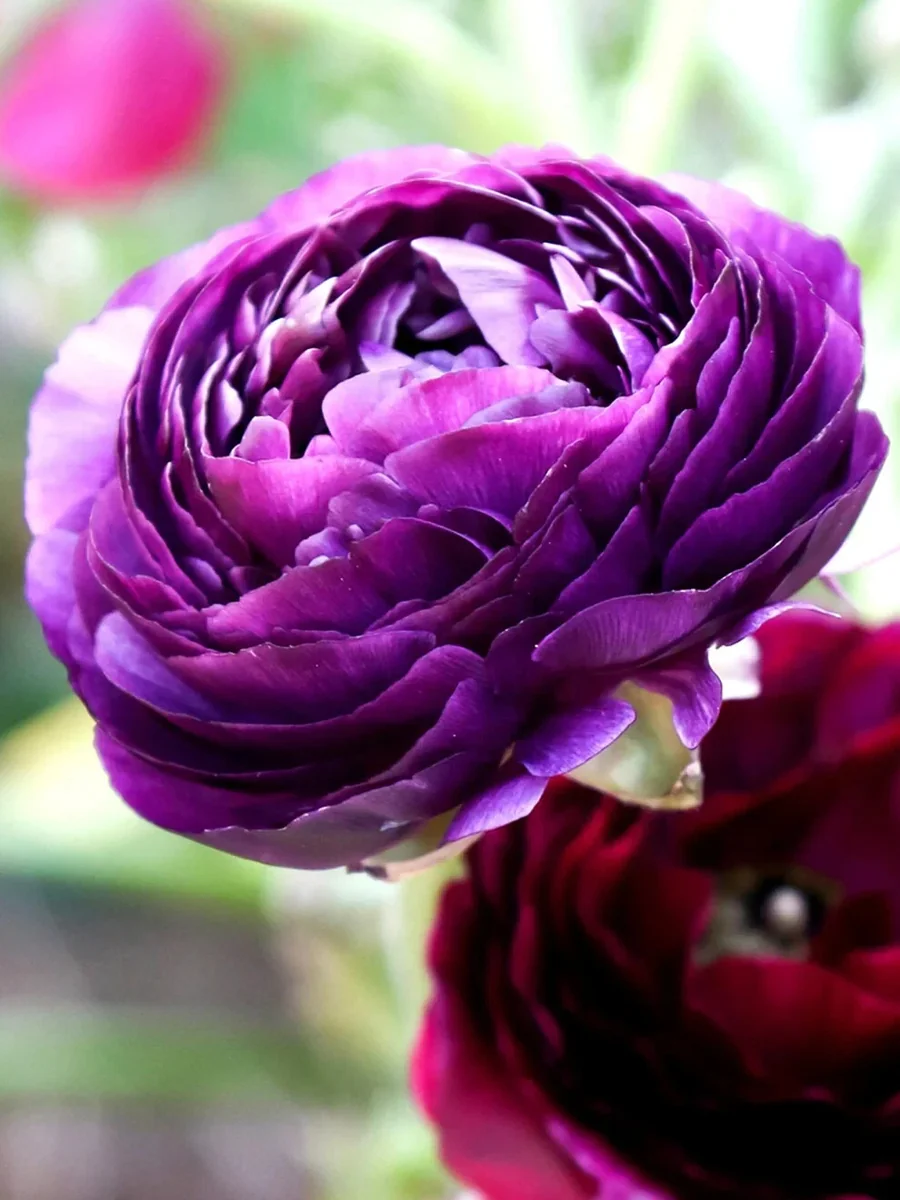
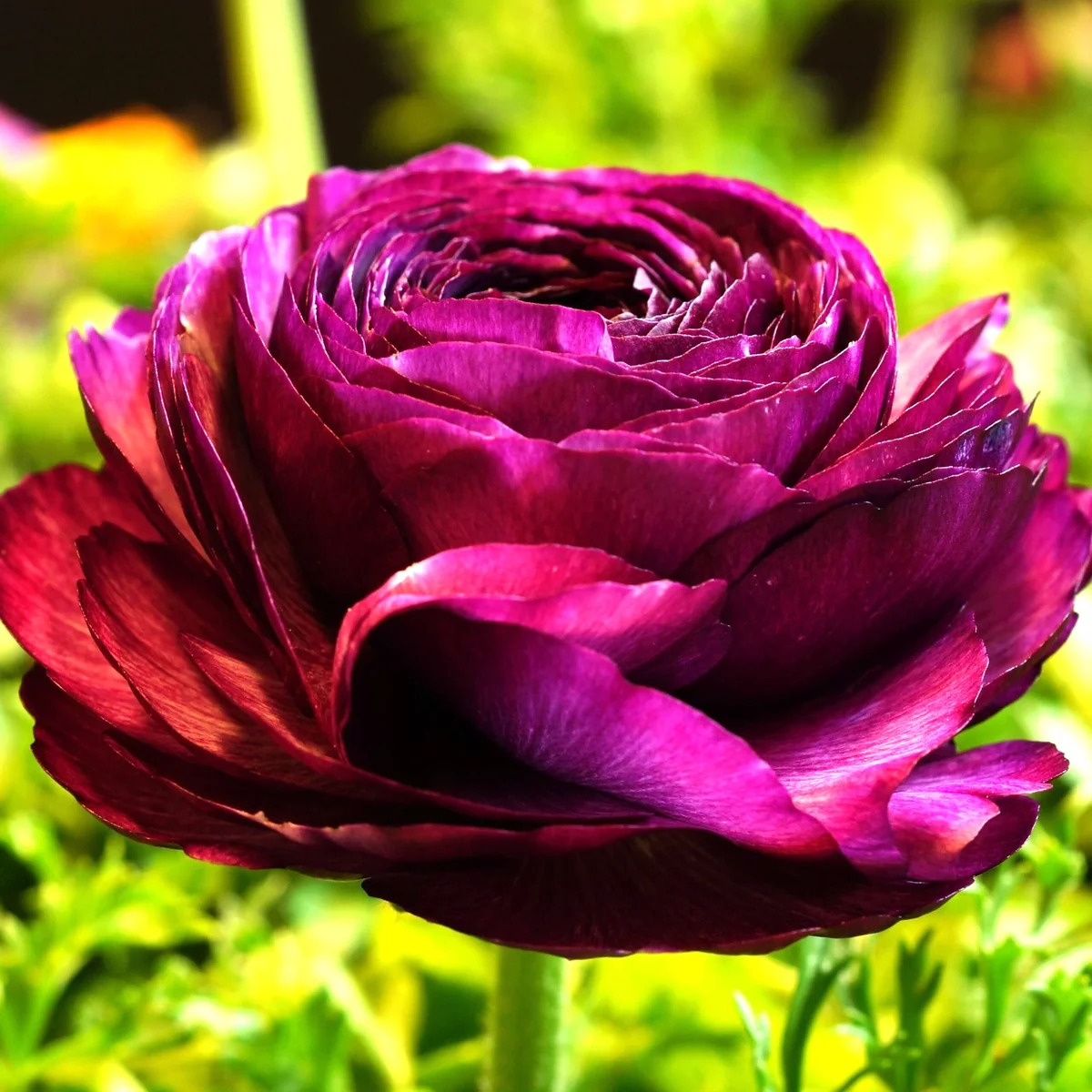
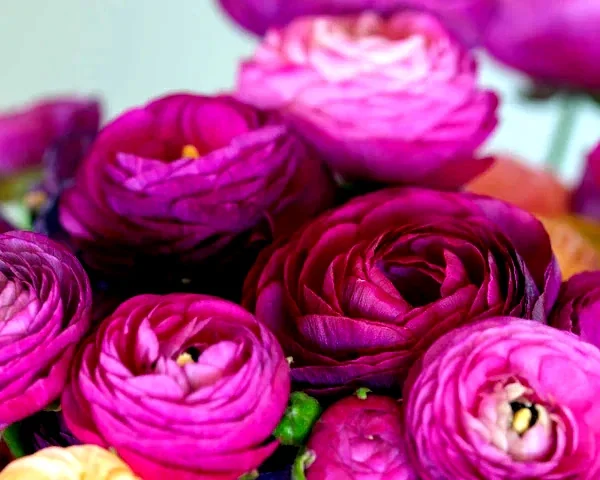
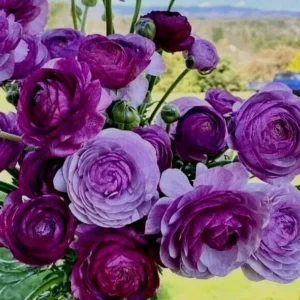
Purple Ranunculus Corms – 15 Bulbs, Perennial Flowers for Planting
Original price was: $63.96.$31.98Current price is: $31.98.
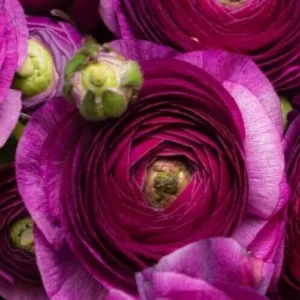
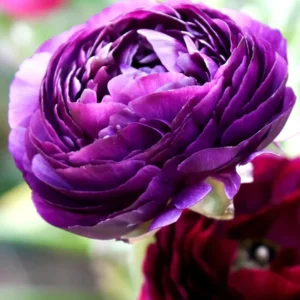
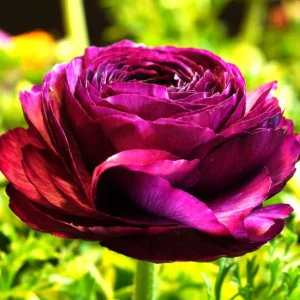
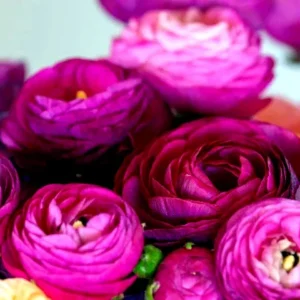
Cultivate stunning, vibrant purple ranunculus bulbs in your garden or containers. This pack contains 15 high-quality corms, ready to produce beautiful, long-lasting blooms ideal for cutting or adding a touch of elegance to any landscape. Enjoy these peony-like flowers with ease.
-
USDA Hardiness Zone
USDA zones 8-10 (perennial), 4-7 (annual) -
Soil Type
Well-draining, rich, loose soil -
Sunlight Exposure
Full sun to medium sun -
Expected Planting Period
Fall (warm climates) or early Spring (cold climates)

You can track your order HERE
Apr 12
Apr 17 - Apr 19
Apr 22 - Apr 26
Shipping and return policies: Our Alive & Thrive Guarantee covers issues with your plants within the first 30 days. Reach out to us. Our team will answer your questions and help you find the plants that are truly suitable for your environment, climate, and personal preferences.

Overview
Transform your garden into a spectacle of rich color with these exquisite purple ranunculus bulbs. Each pack provides 15 premium corms, promising a breathtaking display of vibrant, multi-petaled flowers that closely resemble traditional peonies or roses. Known for their intricate beauty and long-lasting blooms, ranunculus flowers are a favorite among gardeners and florists alike. These specific corms are selected to produce a striking purple hue, adding depth and sophistication to any floral arrangement or garden bed. Prepare to be enchanted by the elegance and charm of these remarkable flowering plants, perfect for creating a romantic and visually appealing outdoor space.
Ranunculus (Ranunculus asiaticus), often called Persian Buttercup, is a genus of over 500 species of flowering plants in the family Ranunculaceae. The corms are easy to plant and care for, making them suitable for gardeners of all experience levels. With proper conditions, these ranunculus corms will flourish, providing a continuous show of beautiful blossoms through their blooming season. Their unique, layered petals create a full and luxurious appearance, making them a standout addition to any landscape.
Key Benefits
Adding purple ranunculus bulbs to your garden offers a myriad of benefits, enhancing both the aesthetic appeal and the joy of gardening. These corms are a fantastic choice for anyone looking to create a vibrant and rewarding floral display.
- Stunning Visual Impact: The deep purple, peony-like blooms of these ranunculus are incredibly striking, providing a luxurious and elegant focal point in any garden or floral arrangement. Their rich color demands attention and adds a touch of sophistication.
- Excellent Cut Flowers: Ranunculus are renowned for their long vase life, making them one of the best choices for fresh cut flower arrangements. Enjoy their beauty indoors for weeks, bringing garden freshness into your home. These are ideal cut flower ranunculus.
- Easy to Grow: Despite their intricate appearance, ranunculus corms are surprisingly easy to plant and maintain. They are a rewarding option for both novice and experienced gardeners, requiring minimal effort for maximum impact.
- Extended Blooming Season: With proper care, ranunculus can provide a prolonged period of bloom, offering continuous color and beauty from late spring into summer. This extended display ensures a vibrant garden for a significant portion of the growing season.
- Versatile Planting Options: These corms thrive in various settings, including garden beds, borders, containers, and even as part of a wedding flower theme. Their adaptability allows for creative planting designs to suit any space.
- Attracts Pollinators: While primarily grown for their beauty, ranunculus flowers can attract beneficial pollinators like bees and butterflies, contributing to a healthier garden ecosystem.
- Perennial Beauty: In appropriate climates, ranunculus flowers can return year after year, providing enduring beauty and reducing the need for annual replanting.
Plant Care & Growing Tips
Caring for your purple ranunculus bulbs is straightforward, ensuring a successful and vibrant bloom. These plants thrive in conditions that mimic their native Mediterranean climate. Begin by soaking the corms in lukewarm water for a few hours before planting to rehydrate them and encourage sprouting. Plant the corms with their ‘claws’ pointing downwards, about 2 inches deep and 4-6 inches apart.
Ranunculus prefer a location with full sun to medium sun, meaning at least 6 hours of direct sunlight per day. Good air circulation is also beneficial to prevent fungal diseases. The ideal soil for ranunculus is well-draining, loose, and rich in organic matter. A neutral soil pH is preferred. Avoid heavy clay soils that retain too much moisture, as this can lead to corm rot. If your soil is heavy, amend it with compost or sand to improve drainage. Consistent moisture is key during their growth period, but be careful not to overwater. The soil should be kept moist but not waterlogged. Once the foliage begins to yellow after flowering, reduce watering to allow the corms to dry out and prepare for dormancy.
For optimal growth and bloom production, consider fertilizing your ranunculus with a balanced, slow-release fertilizer at planting time, or a liquid feed every few weeks once growth appears. Protect your corms from hard freezes; in colder climates (USDA zones 4-7), it’s often best to dig up the corms after the foliage dies back and store them in a cool, dry place over winter, then replant in spring. In warmer climates (USDA zones 8-10), they can often be left in the ground. Watch out for common pests like aphids and powdery mildew, treating them with appropriate organic solutions if they appear. Following these guidelines will help ensure your planting ranunculus effort yields spectacular results.
Size & Details
This offering includes 15 high-quality, top-sized ranunculus corms, carefully selected to ensure vigorous growth and abundant flowering. Each corm is ready for planting and will develop into a robust plant capable of producing multiple exquisite blooms. When mature, ranunculus plants typically reach a height of 12-18 inches (30-45 cm) and spread about 6-8 inches (15-20 cm) wide, forming attractive clumps of foliage and flowers. The flowers themselves can be quite large, often 3-5 inches (7-12 cm) in diameter, showcasing their impressive, layered petals.
These corms are ideal for creating dense patches of color in garden beds, vibrant borders, or striking container displays. They are shipped dormant, ensuring they arrive in optimal condition for planting. The expected bloom time is typically late spring to early summer, depending on your climate and planting schedule. With their strong stems and captivating appearance, these ranunculus flowers are not only a garden delight but also perfect for creating stunning bouquets and centerpieces. Expect a beautiful display of color and form that will enhance any outdoor or indoor setting.
Frequently Asked Questions
- Q: How big do these ranunculus plants get? A: Mature ranunculus plants typically grow to about 12-18 inches tall and spread 6-8 inches wide, creating a lovely, compact floral display. Each flower can be quite large, ranging from 3-5 inches in diameter.
- Q: Is this an indoor or outdoor plant? A: While primarily grown outdoors in garden beds and containers, ranunculus corms can also be forced indoors in pots for stunning temporary displays. They are best suited for outdoor cultivation in suitable climates.
- Q: How much sunlight does it need? A: Ranunculus thrives in full sun to medium sun, requiring at least 6 hours of direct sunlight per day to produce the most abundant and vibrant blooms. Adequate sunlight is crucial for healthy growth.
- Q: Is this plant easy to care for? A: Yes, ranunculus are considered relatively easy to care for, especially when their basic needs for sun, well-draining soil, and consistent moisture are met. They are a rewarding choice for many gardeners.
- Q: What condition will the ranunculus bulbs arrive in? A: The purple ranunculus bulbs will arrive as dormant corms, which is their natural state for shipping and planting. They are carefully packed to ensure they reach you in excellent condition, ready for planting.
- Q: How long until it blooms? A: After planting, ranunculus typically begin to bloom in late spring to early summer, usually within 60-90 days, depending on planting time and growing conditions.
- Q: Can I use these for cut flower arrangements? A: Absolutely! These are exceptional cut flower ranunculus. Their strong stems and long vase life make them a top choice for creating beautiful and lasting floral arrangements for your home or special events.
- Q: What’s the best time for planting ranunculus? A: In warmer climates (USDA zones 8-10), ranunculus corms are often planted in the fall for spring blooms. In colder climates (USDA zones 4-7), they are typically planted in early spring after the last frost.
- Q: What is the ideal soil type for these ranunculus? A: Ranunculus prefer well-draining, rich, and loose soil. Amending heavy clay soils with organic matter like compost or sand is highly recommended to improve drainage and prevent corm rot.
- Q: Will these ranunculus flowers attract pollinators? A: Yes, ranunculus flowers can attract beneficial pollinators such as bees and butterflies to your garden, contributing to a healthier and more biodiverse environment.
Be the first to review “Purple Ranunculus Corms – 15 Bulbs, Perennial Flowers for Planting”
People Also Viewed
Sold 87 products
From $107.80
Sold 51 products
$39.58
Shrubs
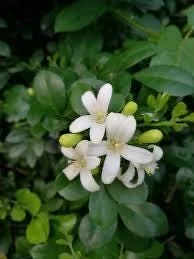
Orange Jasmine Live Plant – Murraya paniculata – 6 Inch Tall in 4 Inch Pot – Fragrant Tropical Shrub
Sold 86 products
From $54.00
Sold 77 products
Original price was: $31.96.$15.98Current price is: $15.98.
Sold 78 products
Original price was: $107.96.$53.98Current price is: $53.98.
Sold 73 products
From $63.80
Sold 92 products
Original price was: $28.76.$14.38Current price is: $14.38.
Sold 71 products
Original price was: $63.00.$31.50Current price is: $31.50.
Sold 76 products
Original price was: $180.00.$90.00Current price is: $90.00.
Sold 79 products
Original price was: $161.56.$80.78Current price is: $80.78.
Sold 95 products
Original price was: $85.98.$42.99Current price is: $42.99.

Sold 85 products
Original price was: $81.98.$40.99Current price is: $40.99.
Flower Bulbs
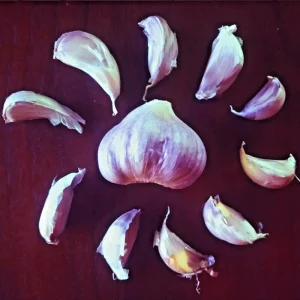
Chesnok Red Garlic Bulbs – Organic Heirloom Hardneck for Planting & Eating – 3 Bulbs to 10 lbs
Sold 53 products
From $20.98
Sold 60 products
Original price was: $45.98.$22.99Current price is: $22.99.
Sold 59 products
Original price was: $59.98.$29.99Current price is: $29.99.
Sold 90 products
Original price was: $210.00.$157.50Current price is: $157.50.
Sold 78 products
Original price was: $391.96.$195.98Current price is: $195.98.
Sold 66 products
From $91.80





Reviews
There are no reviews yet.