
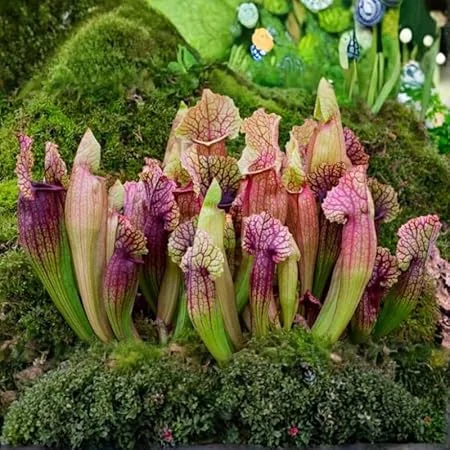
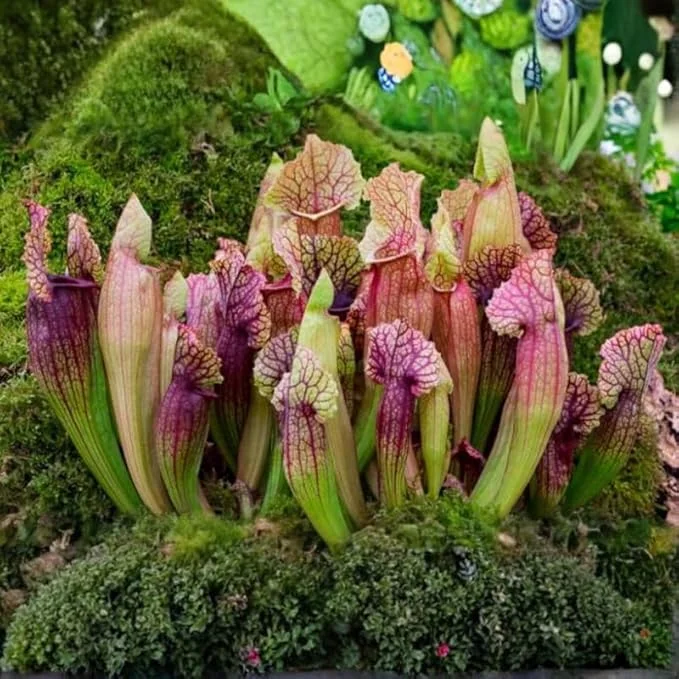
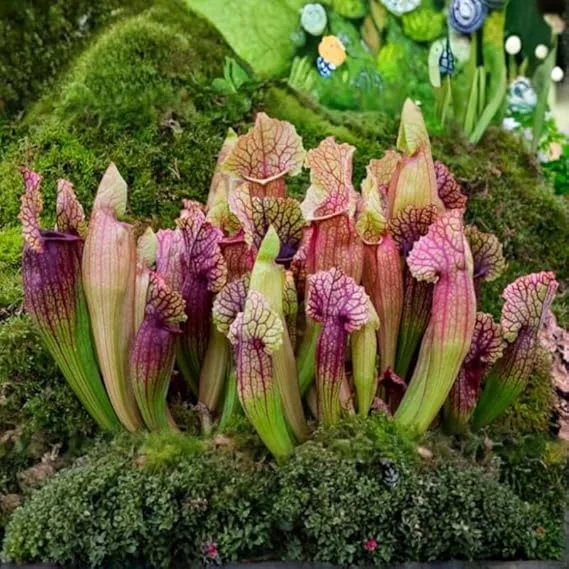
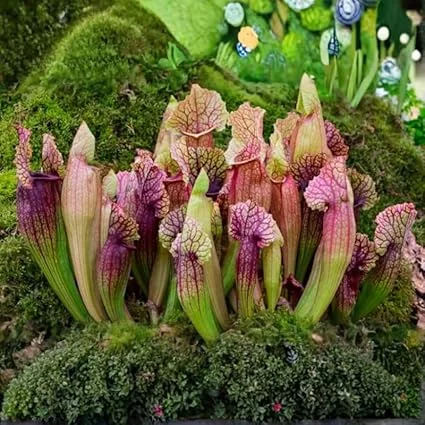
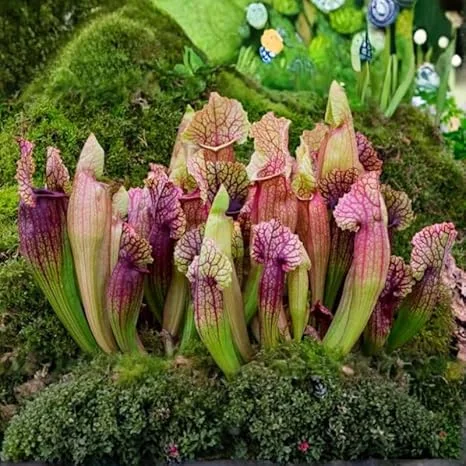
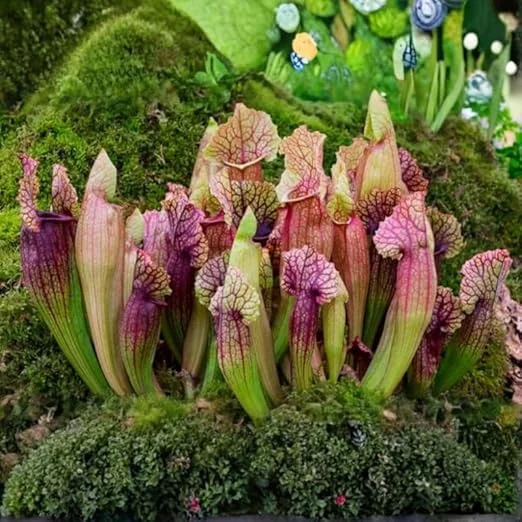
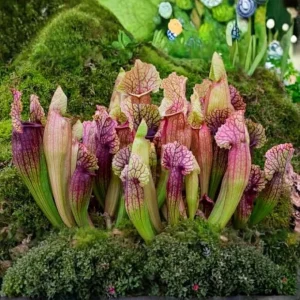
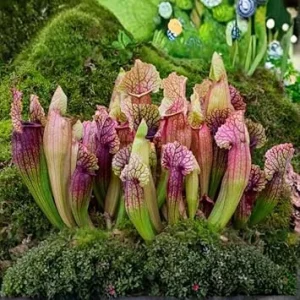
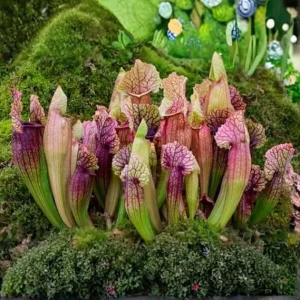
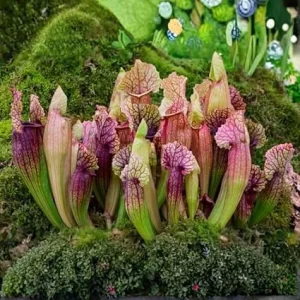
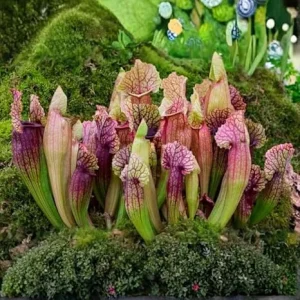
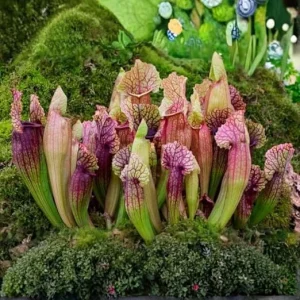
Purple Nepenthes Pitcher Plant Live – Exotic Tropical Houseplant for Indoor/Outdoor Décor
$65.98
Bring exotic flair to your home with a captivating purple nepenthes pitcher plant. This vibrant live tropical plant is perfect for both indoor and outdoor settings, adding unique beauty and natural pest control. Ideal for collectors and beginners alike, it’s an easy-to-grow addition to any plant collection.
-
USDA Hardiness Zone
USDA zones 10-11 (outdoors), suitable for all zones indoors -
Soil Type
Acidic, well-draining mix (sphagnum moss, perlite, orchid bark) -
Sunlight Exposure
Bright, indirect light -
Expected Planting Period
Year-round indoors

You can track your order HERE
Mar 31
Apr 05 - Apr 07
Apr 10 - Apr 14
Shipping and return policies: Our Alive & Thrive Guarantee covers issues with your plants within the first 30 days. Reach out to us. Our team will answer your questions and help you find the plants that are truly suitable for your environment, climate, and personal preferences.

Overview
Immerse yourself in the fascinating world of carnivorous plants with our stunning purple nepenthes pitcher plant. This exquisite live tropical plant, often referred to as a tropical pitcher plant, is renowned for its vibrant, deep purple pitchers that serve as natural insect traps. Originating from the humid rainforests of Southeast Asia, Nepenthes plants are not only effective in pest control but also make for an incredibly unique and visually striking addition to any indoor or outdoor space. Whether you’re a seasoned plant collector or a curious beginner, this exotic beauty offers an intriguing blend of natural wonder and decorative appeal. Our nepenthes live plant arrives ready to thrive, bringing a touch of the tropics right to your home or garden.
The Nepenthes genus encompasses a wide array of species, each with unique pitcher shapes and colors. This particular variety, with its striking purple hues, is a true showstopper. It’s an excellent choice for creating a conversation piece in your living room, adding a splash of exotic color to a terrarium, or even enhancing a shaded outdoor pond area in warmer climates. The allure of an exotic pitcher plant lies not just in its predatory nature but also in its captivating form and the intricate patterns found on its pitchers. Embrace the charm of this remarkable botanical specimen and elevate your plant collection.
Key Benefits
The purple nepenthes pitcher plant offers a multitude of benefits beyond its captivating appearance, making it a highly desirable addition to any plant enthusiast’s collection. Its unique characteristics contribute to both aesthetic appeal and environmental advantages.
- Natural Insect Control: The primary and most fascinating benefit is its ability to naturally trap and digest insects like flies, mosquitoes, and ants. This makes it an eco-friendly way to manage pests in your home or garden without chemical sprays.
- Exotic Aesthetic Appeal: With its vibrant purple pitchers and lush green foliage, this tropical carnivorous plant instantly adds an exotic and decorative touch to any setting. It’s a living piece of art that draws attention and sparks conversation.
- Educational Value: Observing the carnivorous nature of the Nepenthes can be a truly educational experience for all ages, offering insights into unique plant adaptations and ecosystems.
- Low Maintenance: Despite its exotic appearance, this easy care nepenthes is surprisingly forgiving, making it suitable for both experienced gardeners and those new to carnivorous plants.
- Versatile Placement: Thrives both indoors as a houseplant and outdoors in suitable humid and warm environments, offering flexibility in where you can enjoy its beauty.
- Air Purification: Like many plants, Nepenthes contributes to better indoor air quality by absorbing carbon dioxide and releasing oxygen, promoting a healthier living environment.
- Collector’s Item: For plant enthusiasts, particularly those interested in rare and unusual species, the purple Nepenthes is a prized possession that adds diversity and intrigue to a collection.
Plant Care & Growing Tips
Caring for your purple nepenthes pitcher plant is a rewarding experience, and with the right conditions, it will flourish and produce abundant, colorful pitchers. These tropical beauties thrive in conditions that mimic their natural rainforest habitat, focusing on high humidity, consistent moisture, and appropriate lighting.
For sunlight, Nepenthes prefer bright, indirect light. Avoid harsh, direct afternoon sun, which can scorch their leaves and pitchers. An east-facing window is often ideal indoors, providing gentle morning sun. If grown outdoors, a location with dappled shade or morning sun and afternoon shade is best. In a greenhouse or terrarium, ensure good light without overheating. Maintain high humidity levels, ideally above 60%. This can be achieved indoors by placing the pot on a pebble tray filled with water (ensuring the pot doesn’t sit in the water), using a humidifier, or growing it in a terrarium. Outdoors, choose a naturally humid spot.
Watering is crucial for an exotic pitcher plant. Use distilled water, rainwater, or reverse osmosis water, as tap water often contains minerals that can harm Nepenthes over time. Keep the soil consistently moist but never waterlogged. Allow the top inch of soil to dry slightly between waterings. The ideal soil type is a well-draining, acidic, and nutrient-poor mix, typically a blend of sphagnum moss, perlite, and orchid bark. Avoid standard potting soil, which is too rich and dense. Nepenthes generally prefer warm temperatures, ideally between 65-85°F (18-29°C) during the day and not dropping below 55°F (13°C) at night. Most varieties are not frost-tolerant, so in colder climates, they must be brought indoors during winter. Fertilization is generally not necessary; the pitchers catch insects to supplement their nutrient needs. If insects are scarce, you can occasionally drop a small, dead insect into a pitcher. Avoid using conventional fertilizers, as they can burn the roots. Repot only when necessary, typically every 2-3 years, to refresh the growing medium.
Size & Details
This purple nepenthes pitcher plant is a young, vigorous specimen, typically arriving with several developing pitchers and robust foliage. The plant is supplied in a nursery pot, ready for you to transplant into your preferred decorative container or terrarium. While specific dimensions can vary slightly based on individual growth, these plants generally stand between 6-10 inches tall from the base of the pot upon arrival, with a spread of 8-12 inches. Nepenthes have a moderate growth rate and, with proper care, can grow significantly larger over time, with pitchers reaching several inches in length depending on the variety.
The plant is shipped as a live, rooted specimen, carefully packaged to ensure its safe arrival. It is approximately 7 months old, providing a well-established root system ready to adapt to its new home. Expect to see continued development of new pitchers and foliage as it settles in. This plant is ideal for those seeking a unique and long-lasting botanical companion, offering years of exotic beauty and natural pest control. When mature, some Nepenthes varieties can produce pitchers over a foot long, making them truly impressive specimens.
Frequently Asked Questions
- Q: How big does this purple nepenthes pitcher plant get? A: Upon arrival, your purple nepenthes pitcher plant will typically be 6-10 inches tall. With proper care, it can grow significantly larger, with some varieties producing pitchers several inches long when mature, creating an impressive display.
- Q: Is this an indoor or outdoor plant? A: This nepenthes live plant is highly versatile. It thrives indoors as a houseplant in humid environments like terrariums, or outdoors in warm, humid climates (USDA Zones 10-11) where it can receive bright, indirect light.
- Q: How much sunlight does it need? A: The exotic pitcher plant prefers bright, indirect sunlight. Avoid harsh, direct afternoon sun which can damage the leaves and pitchers. Morning sun or dappled shade is ideal for outdoor placement.
- Q: Is this plant easy to care for? A: Yes, this is considered an easy care nepenthes compared to some other carnivorous plants. It requires consistent humidity, moist soil (with distilled or rainwater), and bright indirect light, but is generally forgiving for beginners.
- Q: What condition will the tropical carnivorous plant arrive in? A: Your plant will arrive as a live, rooted specimen in a nursery pot, carefully packaged to minimize stress during transit. It will be ready to be placed in its new environment upon arrival.
- Q: Can I use tap water for my Nepenthes? A: It is strongly recommended to use distilled water, rainwater, or reverse osmosis water for your purple nepenthes pitcher plant. Tap water often contains minerals and chemicals that can build up in the soil and harm the plant over time.
- Q: Does this plant need to catch insects to survive? A: While Nepenthes plants catch insects to supplement their nutrient intake, they can survive without a constant supply of bugs, especially if grown in appropriate soil. If insects are scarce, you can occasionally place a small, dead insect into a pitcher.
- Q: What type of soil is best for this easy care nepenthes? A: A well-draining, acidic, and nutrient-poor soil mix is best. A common blend includes sphagnum moss, perlite, and orchid bark. Avoid using conventional potting soil, which is too rich.
- Q: What is the ideal temperature range for this plant? A: This tropical carnivorous plant prefers warm temperatures, ideally between 65-85°F (18-29°C) during the day, and should not drop below 55°F (13°C) at night. It is not frost-tolerant.
- Q: How often should I fertilize my Nepenthes? A: Fertilization is generally not needed for your purple nepenthes pitcher plant. The plant obtains nutrients from the insects it catches. Conventional fertilizers can burn its roots, so it’s best to avoid them.
| Style | "Large" Nepenthes Pitcher Plant, Bat Nepenthes Pitcher Plant, Green Red Nepenthes Pitcher Plant, Hybrid Nepenthes Pitcher Plant, Large Giant Nepenthes Pitcher Plant, Purple Nepenthes Pitcher Plant, Sweet Nepenthes Pitcher Plant, Yellow Nepenthes Pitcher Plant |
|---|
Be the first to review “Purple Nepenthes Pitcher Plant Live – Exotic Tropical Houseplant for Indoor/Outdoor Décor”
People Also Viewed
Sold 97 products
Original price was: $220.00.$110.00Current price is: $110.00.
Sold 64 products
From $54.00
Sold 63 products
Original price was: $27.98.$13.99Current price is: $13.99.
Sold 94 products
Original price was: $43.98.$21.99Current price is: $21.99.
Sold 87 products
Original price was: $1,996.00.$998.00Current price is: $998.00.
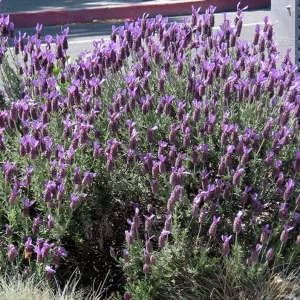
Flowers
Set of 2 Spanish Eyes Lavender Live Plants – 4-6″ Tall – Fragrant Perennial Flowers – Indoor/Outdoor
Sold 93 products
Original price was: $36.38.$18.19Current price is: $18.19.
Sold 50 products
Original price was: $95.96.$47.98Current price is: $47.98.
Sold 67 products
Original price was: $79.98.$39.99Current price is: $39.99.
Sold 90 products
Original price was: $59.98.$47.98Current price is: $47.98.
Sold 75 products
Original price was: $69.98.$34.99Current price is: $34.99.
Sold 84 products
Original price was: $91.98.$45.99Current price is: $45.99.
Sold 64 products
Original price was: $76.78.$38.39Current price is: $38.39.
Sold 87 products
Original price was: $30.78.$15.39Current price is: $15.39.
Sold 67 products
Original price was: $39.98.$19.99Current price is: $19.99.
Sold 83 products
Original price was: $38.00.$30.40Current price is: $30.40.
Sold 89 products
Original price was: $127.96.$63.98Current price is: $63.98.
Sold 73 products
Original price was: $57.98.$28.99Current price is: $28.99.
Sold 75 products
Original price was: $236.00.$118.00Current price is: $118.00.


Reviews
There are no reviews yet.