
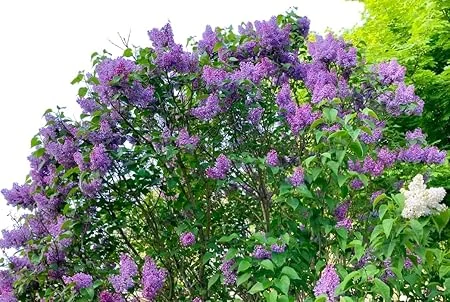
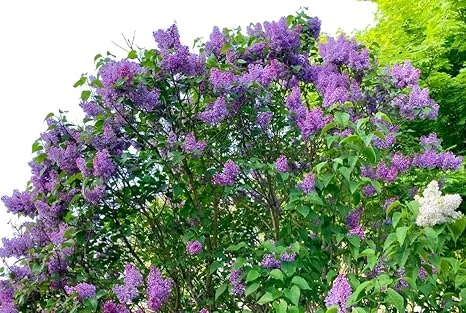
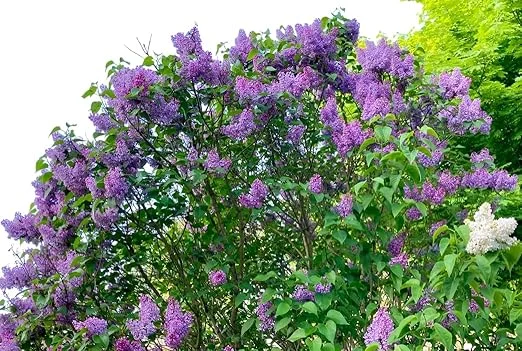
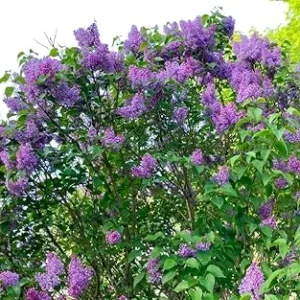
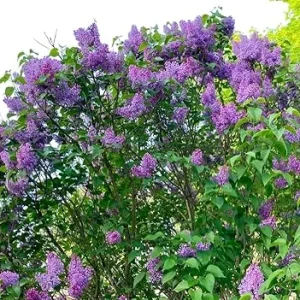
Purple Lilac Tree Live Plant – Fragrant Syringa Shrub 2-3 Ft Tall, Hardy
Original price was: $113.60.$56.80Current price is: $56.80.
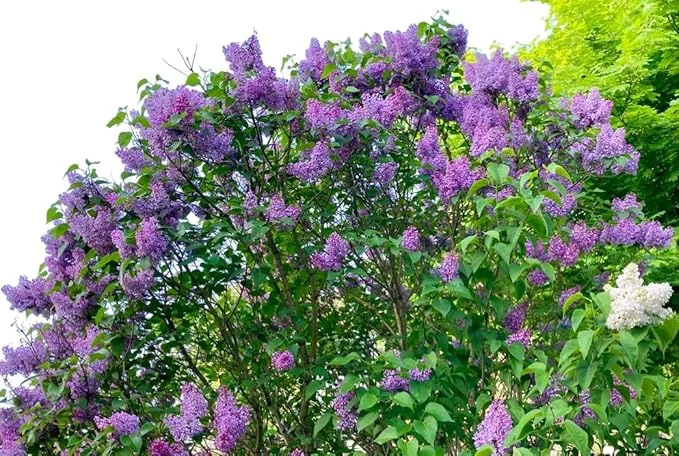
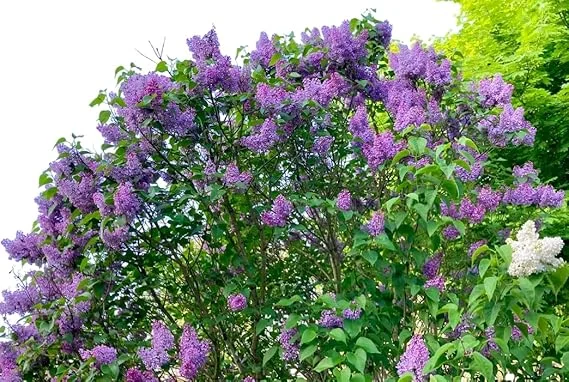
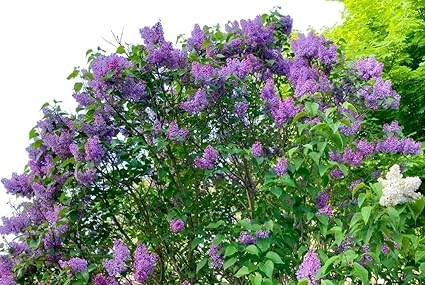
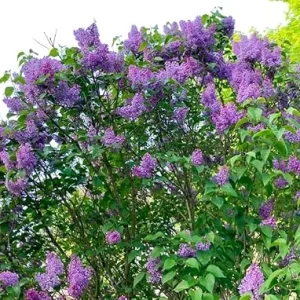
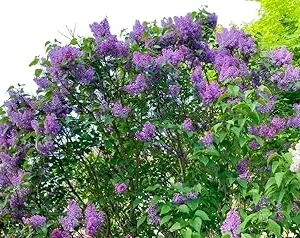
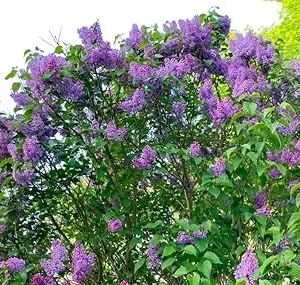
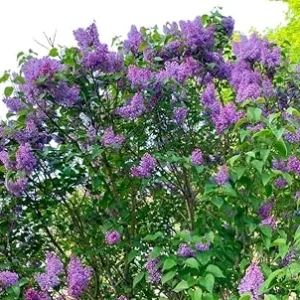
Bring timeless beauty and intoxicating fragrance to your outdoor space with a purple lilac tree. This common lilac shrub (Syringa) is a hardy live plant, growing 2-3 ft tall, perfect for creating a stunning focal point or a fragrant hedge in your garden.
-
USDA Hardiness Zone
4-8 -
Soil Type
Loam soil, well-draining -
Sunlight Exposure
Full Sun -
Expected Planting Period
Spring to Fall (for establishment), blooms Spring

You can track your order HERE
Mar 24
Mar 29 - Mar 31
Apr 03 - Apr 07
Shipping and return policies: Our Alive & Thrive Guarantee covers issues with your plants within the first 30 days. Reach out to us. Our team will answer your questions and help you find the plants that are truly suitable for your environment, climate, and personal preferences.

Overview
Transform your landscape with the enchanting beauty and captivating aroma of a purple lilac tree. This live plant, also known as a common lilac shrub (Syringa vulgaris), arrives ready to plant, standing approximately 2-3 feet tall. Lilacs are celebrated for their spectacular clusters of highly fragrant, purple flowers that emerge in spring, signaling the arrival of warmer weather. Known for their hardiness and ease of care, these deciduous shrubs are a beloved addition to gardens across many climates. Whether you’re looking to create a vibrant hedge, a stunning focal point, or simply add a touch of classic charm, this purple lilac tree offers both visual appeal and an unforgettable scent that will delight for years to come.
Originating from the Balkan Peninsula, the common lilac has been a garden favorite for centuries, revered for its resilience and prolific blooms. Our purple lilac tree is a robust specimen, cultivated to thrive and bring joy to your outdoor living space. It’s an excellent choice for gardeners seeking a plant that provides consistent beauty with relatively low maintenance, making it suitable for both experienced green thumbs and those new to gardening.
Key Benefits
Investing in a purple lilac tree brings a wealth of benefits to any garden. Its impressive floral display and delightful scent are just the beginning:
- Stunning Visual Appeal: The dense clusters of deep purple flowers create a spectacular springtime show, offering a rich color contrast against its green foliage. It’s a true showstopper in any garden design.
- Intoxicating Fragrance: Lilac flowers are renowned for their sweet, memorable perfume. Planting a purple lilac tree near a patio, window, or entryway ensures you can enjoy its delightful scent throughout its blooming period.
- Excellent for Pollinators: The nectar-rich flowers attract bees, butterflies, and other beneficial pollinators to your garden, contributing to a healthy ecosystem.
- Hardy and Resilient: This common lilac shrub is incredibly tough, thriving in USDA Hardiness Zones 4-8. It can withstand a range of temperatures and conditions, making it a reliable choice for many regions.
- Versatile Landscaping Plant: Use it as a specimen plant, in mixed borders, or for creating a beautiful, fragrant hedge. Its mature size offers flexibility in garden design.
- Low Maintenance: Once established, lilac trees require minimal care. They are relatively drought-tolerant and disease-resistant, making them a gardener’s delight.
- Long-Lasting Blooms: While the primary bloom is in spring, some varieties may offer sporadic re-blooming, extending the season of its beautiful fragrant lilac flowers.
Plant Care & Growing Tips
Caring for your purple lilac tree is straightforward, ensuring years of beautiful blooms. This common lilac shrub thrives with proper attention to its basic needs. For optimal growth and prolific flowering, follow these guidelines:
Sunlight Requirements
Lilacs are sun-lovers. Your purple lilac tree requires at least 6 hours of full, direct sunlight per day to produce the most abundant and vibrant blooms. While it can tolerate partial shade, too little sun will result in fewer flowers and a leggy growth habit. Choose a location in your garden that receives ample morning sun, as this helps dry dew from the leaves and can reduce the risk of powdery mildew.
Watering Schedule & Soil Moisture
When establishing your new purple lilac tree, water it regularly to keep the soil consistently moist but not waterlogged. Once established, lilacs are quite drought-tolerant. Water deeply once a week during dry periods, especially in hot summer months. Ensure the soil has good drainage; lilacs do not like “wet feet.” Moderate watering is key to healthy root development and overall plant vigor.
Soil Type & Drainage
The ideal soil for a common lilac shrub is rich, fertile, and well-draining loam soil with a neutral to slightly alkaline pH (6.5-7.0). If you have heavy clay soil, amend it with organic matter like compost or aged manure to improve drainage and fertility. Poor drainage can lead to root rot, so ensuring your planting site is well-prepared is crucial for the health of your purple lilac tree.
Temperature Range & USDA Hardiness Zone
This hardy Syringa plant thrives in USDA Hardiness Zones 4-8. It requires a period of winter chill to set its flower buds, making it unsuitable for very warm, subtropical climates. It can tolerate cold temperatures down to -30°F (-34°C) in winter, and performs best when summer temperatures are not excessively hot and humid. Understanding your hardy lilac zones will help ensure its success.
Fertilization Schedule & Type
Fertilize your purple lilac tree sparingly. An annual application of a balanced slow-release fertilizer in early spring, before new growth begins, is usually sufficient. Avoid high-nitrogen fertilizers, as these can promote leafy growth at the expense of flowers. A soil test can help determine if your soil has any nutrient deficiencies that need addressing. For optimal syringa plant care, ensure nutrients are balanced.
Common Problems & Solutions
Lilacs are generally robust, but can occasionally face issues. Powdery mildew can occur in humid conditions or with poor air circulation; ensure good spacing and prune for air flow. Borers can sometimes attack stressed plants; maintain plant health to deter them. Regularly inspect your plant for any signs of pests or diseases and address them promptly with appropriate organic or chemical treatments as needed.
Size & Details
Your purple lilac tree arrives as a vibrant, healthy live plant, typically measuring 2-3 feet tall from the base of the root ball to the top of the plant. It is established in a nursery pot, ensuring a strong root system for successful transplantation. The mature height of this common lilac shrub can range from 10 to 20 feet, with a similar spread, creating a substantial and impactful presence in your garden. Its growth rate is moderate, allowing it to reach a considerable size within a few years. This plant is shipped ready to be planted directly into your garden or a larger container if preferred. Expect the first fragrant blooms to appear within one to two seasons after planting, depending on care and growing conditions. The mature size makes it an excellent choice for a focal point or a natural privacy screen. Knowing the potential size helps in planning your garden layout for this beautiful purple lilac tree.
Frequently Asked Questions
- Q: How big does this purple lilac tree get? A: This purple lilac tree can reach a mature height and spread of 10 to 20 feet. It is a medium to large shrub that provides significant presence in the landscape.
- Q: Is this an indoor or outdoor plant? A: The purple lilac tree is an outdoor plant. It requires a period of winter dormancy and specific light conditions that are best provided outdoors.
- Q: How much sunlight does the common lilac shrub need? A: For best flowering, your common lilac shrub needs at least 6 hours of full, direct sunlight daily. More sun generally means more blooms.
- Q: Is this plant easy to care for? A: Yes, once established, the purple lilac tree is considered a low-maintenance plant. It is hardy and relatively drought-tolerant, making syringa plant care quite easy.
- Q: What condition will it arrive in? A: Your lilac will arrive as a healthy, live plant in a nursery pot, with its root system intact and ready for planting. We ensure careful packaging for safe transit.
- Q: When is the best time to plant a fragrant lilac tree? A: The best time to plant a fragrant lilac tree is in early spring or fall. This allows the roots to establish before extreme summer heat or winter cold.
- Q: Will it survive winter in my zone? A: This purple lilac tree is hardy in USDA Zones 4-8. If your zone falls within this range, it should thrive and survive winter conditions well, making it a reliable choice for hardy lilac zones.
- Q: What type of soil is best for this lilac? A: Lilacs prefer rich, fertile, well-draining loam soil with a neutral to slightly alkaline pH. Good drainage is essential for its health.
- Q: How tall is the plant when shipped? A: The purple lilac tree is typically shipped at a height of 2-3 feet tall, including the root ball. This is a good size for establishing in your garden.
- Q: How often should I water my lilac tree? A: Water deeply once a week during dry periods, especially during its first year. Once established, it is fairly drought-tolerant but benefits from consistent moisture.
Be the first to review “Purple Lilac Tree Live Plant – Fragrant Syringa Shrub 2-3 Ft Tall, Hardy”
People Also Viewed

Sold 96 products
$50.58
Sold 70 products
Original price was: $172.80.$86.40Current price is: $86.40.
Sold 61 products
Original price was: $177.60.$88.80Current price is: $88.80.
Trees
Mimosa Wattle Seedling Live Plant – Acacia Baileyana Yellow Flower Tree 3-5 Inch Tall 4 Inch Pot
Sold 90 products
Original price was: $37.99.$27.99Current price is: $27.99.
Sold 82 products
$63.78
Sold 53 products
Original price was: $247.96.$123.98Current price is: $123.98.

Sold 59 products
Original price was: $19.16.$9.58Current price is: $9.58.
Sold 77 products
Original price was: $59.98.$41.98Current price is: $41.98.
Sold 52 products
Original price was: $391.96.$195.98Current price is: $195.98.

Sold 78 products
Original price was: $39.98.$19.99Current price is: $19.99.
Sold 71 products
Original price was: $44.76.$22.38Current price is: $22.38.
Sold 89 products
Original price was: $149.98.$74.99Current price is: $74.99.
Sold 99 products
Original price was: $175.96.$87.98Current price is: $87.98.
Sold 80 products
Original price was: $28.76.$14.38Current price is: $14.38.

Sold 78 products
Original price was: $46.99.$26.99Current price is: $26.99.
Sold 65 products
Original price was: $28.76.$14.38Current price is: $14.38.

Sold 97 products
Original price was: $60.76.$30.38Current price is: $30.38.
Sold 52 products
Original price was: $67.16.$33.58Current price is: $33.58.



Reviews
There are no reviews yet.