
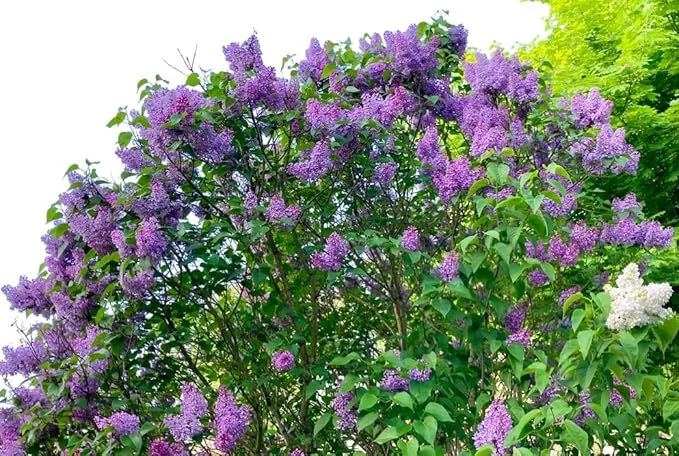
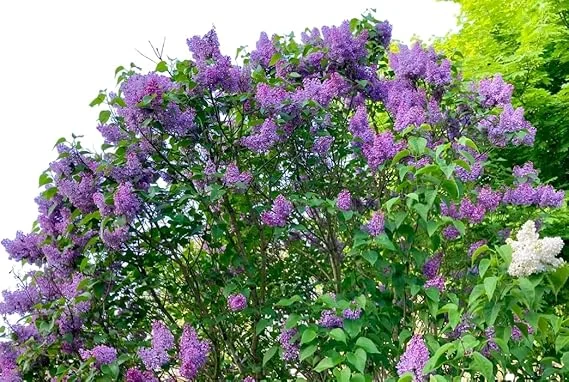
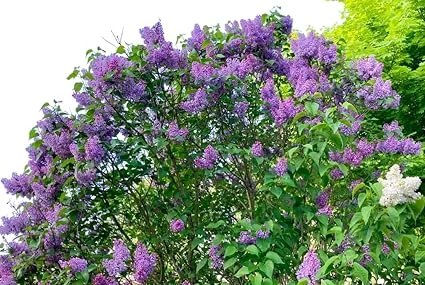
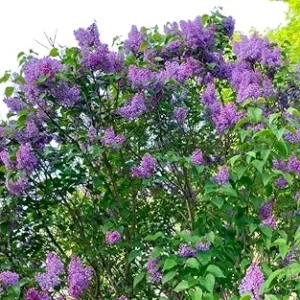
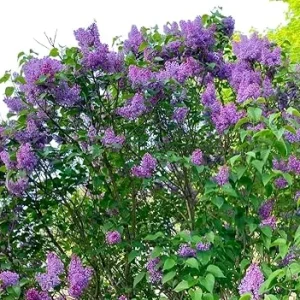
Purple Lilac Tree Live Plant 1-2 Ft Tall – Fragrant Hardy Outdoor Shrub
Original price was: $97.60.$48.80Current price is: $48.80.
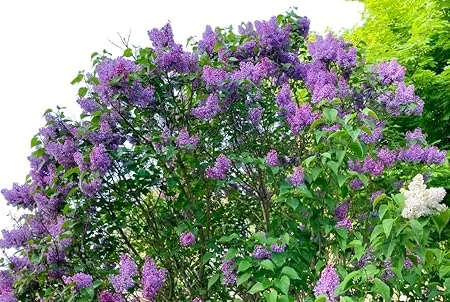
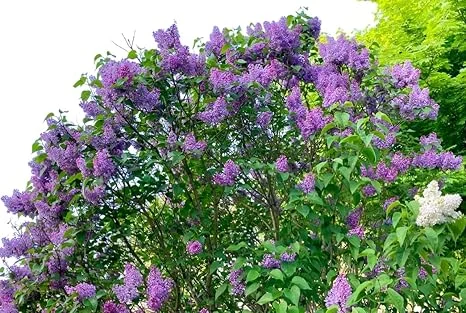
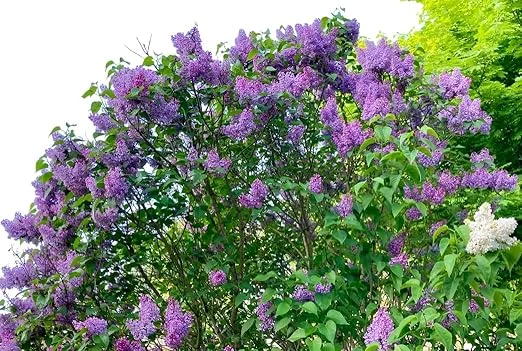
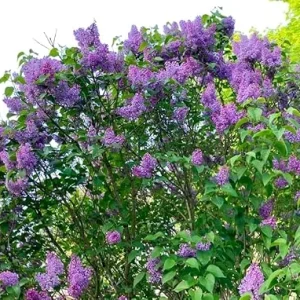
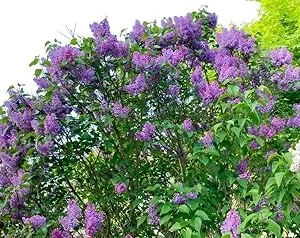
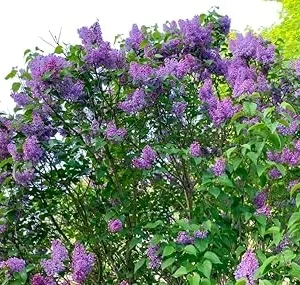
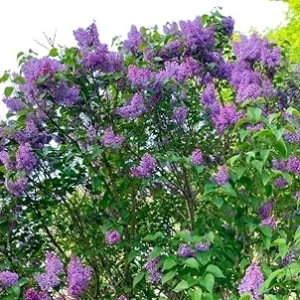
Bring enchanting fragrance and beauty to your garden with this Purple Lilac Tree live plant. Standing 1-2 feet tall, this hardy lilac shrub (Syringa vulgaris) produces clusters of stunning purple flowers, perfect for creating a focal point or a fragrant hedge in USDA Zones 4-8. Enjoy its early summer blooms and easy care.
-
USDA Hardiness Zone
4-8 -
Soil Type
Loam soil, well-draining -
Sunlight Exposure
Full Sun -
Expected Planting Period
Spring to Fall

You can track your order HERE
Mar 23
Mar 28 - Mar 30
Apr 02 - Apr 06
Shipping and return policies: Our Alive & Thrive Guarantee covers issues with your plants within the first 30 days. Reach out to us. Our team will answer your questions and help you find the plants that are truly suitable for your environment, climate, and personal preferences.

Overview
Introduce timeless beauty and intoxicating fragrance to your landscape with the Purple Lilac Tree live plant. This robust and enchanting specimen, often referred to as a hardy lilac shrub, is a beloved classic in American gardens. Our 1-2 foot tall bare root plant offers an excellent start to cultivating this magnificent tree, scientifically known as Syringa vulgaris. Renowned for its abundant clusters of fragrant purple flowers that emerge in late spring to early summer, the common lilac creates a spectacular visual and aromatic display. It’s an ideal choice for a standalone specimen, a privacy screen, or an attractive hedge, thriving in a variety of garden settings. This resilient plant is well-suited for a wide range of climates, making it a versatile addition to many outdoor spaces.
The Purple Lilac Tree live plant is a symbol of spring, bringing joy with its highly perfumed blossoms. Its upright growth habit and dense foliage provide year-round interest, even when not in bloom. Easy to establish and maintain, this lilac tree will quickly become a cherished feature in your garden, attracting pollinators and providing cut flowers for indoor enjoyment. Whether you’re an experienced gardener or just starting, the common lilac offers a rewarding growing experience with stunning results.
Key Benefits
The Purple Lilac Tree live plant offers a multitude of benefits that enhance any garden space, making it a popular choice for homeowners seeking both beauty and ease of care. Its striking appearance and delightful aroma contribute significantly to the aesthetic and sensory appeal of outdoor environments.
- Exquisite Fragrance: The primary draw of the lilac is its intensely sweet and memorable perfume. The fragrant purple flowers fill the air with a delightful scent during their blooming season, creating an inviting atmosphere in your garden and providing wonderful cut flowers for your home.
- Stunning Visual Impact: With its profusion of vibrant purple blossoms, this tree creates a spectacular visual display from late spring to early summer. It’s an excellent choice for adding a burst of color and elegance to borders, focal points, or as part of a mixed shrub planting.
- Hardy and Resilient: This particular hardy lilac shrub is incredibly adaptable and robust, thriving across a broad range of USDA Hardiness Zones (4-8). It tolerates various soil conditions and is relatively low-maintenance once established, making it suitable for both novice and experienced gardeners.
- Attracts Pollinators: The nectar-rich flowers are a magnet for beneficial pollinators such as bees and butterflies, contributing to the biodiversity and health of your garden ecosystem. Enjoy watching these beautiful creatures visit your blooming lilac.
- Versatile Landscape Use: Whether you desire a majestic specimen tree, a dense privacy hedge, a windbreak, or simply a beautiful backdrop, the common lilac’s mature size and form lend themselves to diverse landscaping applications. Its strong structure provides year-round appeal.
- Low Maintenance: Once established, this Syringa vulgaris plant requires minimal care. It’s drought-tolerant and generally resistant to pests and diseases, allowing you more time to enjoy its beauty rather than tending to complex needs.
Plant Care & Growing Tips
Cultivating a thriving Purple Lilac Tree live plant is straightforward with the right care and attention. These robust shrubs are known for their resilience, but providing optimal conditions will ensure the most abundant blooms and vigorous growth. Proper planting and ongoing maintenance are key to the success of your new tree.
Sunlight and Location: Lilacs are sun-lovers. For the best flowering, plant your fragrant purple flowers in a location that receives at least six hours of direct sunlight per day. Full sun is ideal. While they can tolerate partial shade, too little sun will result in fewer flowers and a leggy growth habit. Ensure good air circulation around the plant to prevent fungal issues. This plant is primarily an outdoor specimen, thriving in garden beds and open landscapes.
Soil and Watering: The hardy lilac shrub prefers rich, fertile, well-drained soil. Loam soil is ideal, but they can adapt to a range of soil types as long as drainage is adequate. Avoid heavy, waterlogged soils, which can lead to root rot. During the first growing season, water regularly to establish a strong root system. Once established, lilacs are quite drought-tolerant, but moderate watering during prolonged dry spells will benefit them, especially during blooming. Mulching around the base can help retain soil moisture and regulate temperature.
Temperature and Hardiness: The Syringa vulgaris plant is incredibly hardy, thriving in USDA Zones 4 through 8. It requires a period of winter chill to produce flowers, making it unsuitable for very warm, subtropical climates. Protect young plants from extreme winter winds in colder zones. Fertilize in early spring with a balanced slow-release fertilizer before new growth begins. Pruning is best done immediately after flowering to shape the plant and remove spent blooms, which encourages more flowers the following year. Remove any suckers that appear at the base to maintain a tree-like form for your lilac tree care.
Size & Details
This offering is for one Purple Lilac Tree live plant, typically shipped as a bare root specimen, ensuring it’s ready for planting upon arrival. The plant you receive will be approximately 1-2 feet tall, providing a healthy young tree with established roots. While its current size is compact, this hardy lilac shrub has the potential for significant growth. Mature height and spread typically range from 10-20 feet, forming a beautiful, broad, upright tree or large shrub, depending on pruning. Its growth rate is moderate, meaning you’ll see noticeable development each year.
Expected blooming period for the fragrant purple flowers is from spring to early summer, with the most vibrant display occurring once the plant is well-established, usually within 2-3 years of planting. This tree is best suited for outdoor planting and will provide years of enjoyment. It is recommended to plant in a location where it has ample space to reach its mature size without crowding. The robust nature of the Syringa vulgaris plant ensures it will quickly settle into its new home.
Frequently Asked Questions
- Q: How big does this Purple Lilac Tree get? A: This Purple Lilac Tree live plant is shipped 1-2 feet tall. Once mature, it can reach a height and spread of 10-20 feet, forming a substantial and beautiful tree or large shrub in your landscape.
- Q: Is this an indoor or outdoor plant? A: This hardy lilac shrub is strictly an outdoor plant. It requires full sun and a period of winter chill to thrive and produce its iconic fragrant purple flowers. It is not suitable for indoor cultivation.
- Q: How much sunlight does it need? A: For optimal growth and the most abundant blooms, your Purple Lilac Tree live plant needs at least 6 hours of direct sunlight per day. Full sun exposure is highly recommended to ensure a spectacular floral display.
- Q: Is this plant easy to care for? A: Yes, the Syringa vulgaris plant is considered relatively easy to care for once established. It’s a very hardy and low-maintenance shrub, making it a great choice for both beginner and experienced gardeners. Regular watering during establishment and annual pruning after flowering are its main requirements.
- Q: What condition will it arrive in? A: Your Purple Lilac Tree live plant will arrive as a healthy 1-2 foot bare root specimen, carefully packaged to ensure its safe transit and readiness for planting upon arrival.
- Q: How long until it blooms? A: While your lilac tree is young, it may take 2-3 years for it to establish and start producing its full display of fragrant purple flowers. Once mature, it will bloom reliably every spring to early summer.
- Q: Will it survive winter in my zone? A: Yes, this hardy lilac shrub is very resilient and thrives in USDA Hardiness Zones 4-8. It is well-adapted to cold winters and requires the chill period to set its flower buds for the following spring.
- Q: When is the best time to plant this lilac tree? A: The best time to plant a bare root Purple Lilac Tree live plant is in early spring, after the last frost, or in the fall before the ground freezes. This allows the plant to establish its root system before extreme temperatures.
- Q: What soil type does it prefer? A: This lilac prefers rich, fertile, and well-draining soil, ideally loam. While adaptable, ensuring good drainage is crucial for the health of your lilac tree care.
Be the first to review “Purple Lilac Tree Live Plant 1-2 Ft Tall – Fragrant Hardy Outdoor Shrub”
People Also Viewed


Sold 93 products
Original price was: $8.52.$4.26Current price is: $4.26.
Sold 92 products
Original price was: $119.74.$71.84Current price is: $71.84.
Sold 87 products
Original price was: $439.96.$219.98Current price is: $219.98.
Sold 98 products
Original price was: $201.98.$100.99Current price is: $100.99.
Sold 62 products
Original price was: $247.96.$123.98Current price is: $123.98.
Sold 60 products
Original price was: $139.96.$69.98Current price is: $69.98.
Sold 59 products
Original price was: $59.98.$29.99Current price is: $29.99.
Sold 76 products
Original price was: $339.96.$169.98Current price is: $169.98.
Sold 65 products
Original price was: $63.96.$31.98Current price is: $31.98.
Sold 77 products
Original price was: $339.96.$169.98Current price is: $169.98.

Sold 52 products
Original price was: $111.96.$55.98Current price is: $55.98.
Sold 64 products
Original price was: $195.96.$97.98Current price is: $97.98.
Sold 76 products
From $7.98
Sold 86 products
Original price was: $67.96.$33.98Current price is: $33.98.

Vegetable Seeds
Tiny Tim Micro Dwarf Tomato Seeds – 20 Seeds – Red Tomatoes for Patio & Small Gardens
Sold 86 products
Original price was: $15.96.$7.98Current price is: $7.98.
Sold 57 products
Original price was: $355.96.$177.98Current price is: $177.98.
Sold 93 products
Original price was: $319.96.$159.98Current price is: $159.98.

Sold 53 products
Original price was: $47.96.$23.98Current price is: $23.98.



Reviews
There are no reviews yet.