
Pomegranate Live Plant – 3-4 Ft Tall – Fruit Bearing Shrub – 3 Gallon Pot
Original price was: $355.96.$177.98Current price is: $177.98.
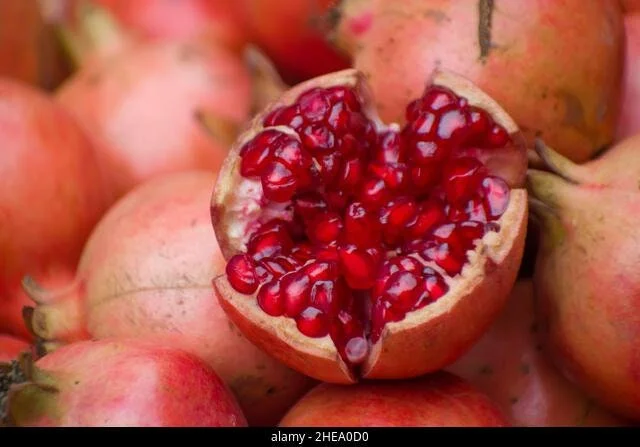
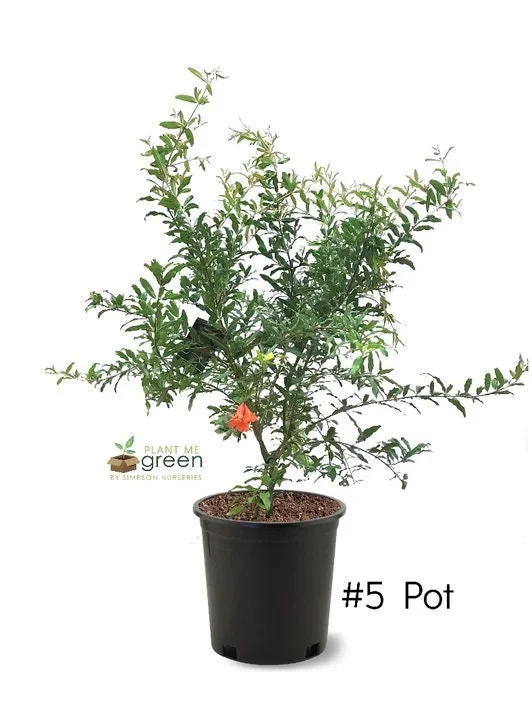
Bring the joy of fresh fruit to your garden with this vibrant pomegranate live plant. Standing 3 to 4 feet tall and shipped in a 3-gallon pot, this deciduous shrub is ready to establish quickly and produce delicious pomegranates. Ideal for outdoor planting.
-
USDA Hardiness Zone
USDA zones 7-10 -
Soil Type
Well-draining soil -
Sunlight Exposure
Full sun (6-8+ hours daily) -
Expected Planting Period
Spring to early summer

You can track your order HERE
Mar 05
Mar 10 - Mar 12
Mar 15 - Mar 19
Shipping and return policies: Our Alive & Thrive Guarantee covers issues with your plants within the first 30 days. Reach out to us. Our team will answer your questions and help you find the plants that are truly suitable for your environment, climate, and personal preferences.

Overview
Cultivate your own delicious and health-boosting fruits with our exquisite pomegranate live plant. This beautiful specimen arrives at your doorstep standing an impressive 3 to 4 feet tall, securely nestled in a 3-gallon pot, ensuring a robust start in your garden. Pomegranates (Punica granatum) are ancient fruit-bearing deciduous shrubs, cherished for their vibrant red fruits and ornamental appeal. This particular plant is mature enough that you can expect it to bear fruit relatively soon, bringing the delight of homegrown pomegranates to your table. Originating from the Mediterranean region, these plants are known for their resilience and striking beauty, making them a fantastic addition to any home orchard or landscape. If you’re looking to grow pomegranate tree in your backyard, this well-established plant offers a significant head start.
The pomegranate is not just a fruit producer; it’s also a visually appealing shrub that adds structure and interest to your garden. Its glossy leaves, showy red-orange flowers, and unique, leathery-skinned fruits make it a conversation piece. Growing your own pomegranates allows you to enjoy fresh, organic fruit, rich in antioxidants, right from your garden. This fruit bearing shrub is a rewarding choice for both experienced gardeners and those new to cultivating fruit trees, offering a relatively easy path to a bountiful harvest.
Key Benefits
Our pomegranate live plant offers a multitude of benefits, combining aesthetic appeal with practical fruit production. It’s a wonderful investment for any gardener:
- Fresh, Organic Fruit: Enjoy the satisfaction of harvesting your own pomegranates, ensuring they are fresh, ripe, and free from pesticides. Pomegranates are rich in vitamins, especially Vitamin C, and powerful antioxidants.
- Ornamental Value: Beyond its fruit, the pomegranate plant is a beautiful addition to your landscape. Its bright green leaves, striking orange-red flowers, and unique fruit provide year-round visual interest.
- Established Growth: Shipped at 3-4 feet tall in a 3-gallon pot, this plant is well-established, significantly reducing the time until it begins producing fruit compared to smaller plants or seeds.
- Drought Tolerance: Once established, pomegranate plants are remarkably drought-tolerant, making them a sustainable choice for many climates and reducing water consumption.
- Versatile Landscaping: Pomegranates can be grown as a shrub, trained as a small tree, or even cultivated in large containers, offering flexibility in garden design.
- Health Benefits: Pomegranate fruit is renowned for its numerous health benefits, including supporting heart health and providing anti-inflammatory properties. Growing your own makes these superfoods easily accessible.
- Easy to Care For: With proper initial planting and basic care, pomegranate plant care is straightforward, making it suitable for gardeners of varying skill levels.
Plant Care & Growing Tips
Caring for your pomegranate live plant is relatively simple, and with the right conditions, it will thrive and produce abundant fruit. Pomegranates prefer a sunny location, requiring at least 6-8 hours of direct sunlight per day to ensure optimal fruit production and plant health. Choose a spot in your garden that receives full sun, ideally with some protection from strong, cold winds in cooler climates. They are quite adaptable but will perform best when given ample light.
When it comes to soil, pomegranates are not overly particular, but they do require well-draining soil. A loamy or sandy-loam soil is ideal. Avoid heavy clay soils that retain too much moisture, as this can lead to root rot. If your soil is heavy, amend it with organic matter like compost or sand to improve drainage. Water newly planted pomegranates regularly to help them establish, typically 2-3 times a week during dry periods for the first year. Once established, they are quite drought-tolerant but will benefit from deep watering every 1-2 weeks during fruiting season. To successfully how to plant pomegranate, ensure the planting hole is twice as wide as the root ball and just as deep, backfilling with a mix of native soil and compost.
Pomegranates are deciduous, meaning they will lose their leaves in the fall. They are generally hardy in USDA Zones 7-10, though some varieties can tolerate Zone 6 with winter protection. Protect young plants from frost. Fertilize your pomegranate plant in early spring before new growth begins, using a balanced slow-release fertilizer or one formulated for fruit trees. Pruning should be done in late winter or early spring to remove dead or crossing branches, encourage new growth, and maintain an open structure for better air circulation and fruit development. This attention to pomegranate plant care will ensure a healthy and productive shrub.
Size & Details
This pomegranate live plant is a robust specimen, standing approximately 3 to 4 feet tall from the base of the plant to the top of its foliage, providing a significant presence in your garden from day one. It is shipped in a sturdy 3-gallon nursery pot, complete with its established root system and growing medium, ensuring a smooth transition to your landscape. Pomegranates are known for their moderate growth rate, and with proper care, this plant will continue to grow, eventually reaching a mature height of 10 to 15 feet if left unpruned, though it can be maintained at a smaller size with regular pruning. Expect this fruit bearing shrub to start producing fruit within 1-2 years of planting, given its current size and maturity.
The plant’s spread can be similar to its height, creating a lovely rounded or vase-shaped form. It will arrive with healthy foliage, ready to be planted directly into your garden or a larger container. The plant’s vigorous nature means it will quickly establish itself and begin to flourish in its new environment. Early fruit production is a key advantage of purchasing a larger, established plant like this, allowing you to enjoy the fruits of your labor sooner rather than later.
Frequently Asked Questions
- Q: How big does this plant get? A: This pomegranate live plant is currently 3-4 feet tall and can grow up to 10-15 feet tall and wide at maturity if not pruned. Its size can be controlled with annual pruning to fit your garden space.
- Q: Is this an indoor or outdoor plant? A: Pomegranates are primarily outdoor plants, thriving in full sun. While they can be grown in large containers and brought indoors in colder climates during winter, they require significant light and space to fruit successfully indoors.
- Q: How much sunlight does it need? A: Your fruit bearing shrub requires at least 6-8 hours of direct sunlight daily to produce the best fruit. Choose a location in your garden that receives ample sun throughout the day.
- Q: Is this plant easy to care for? A: Yes, pomegranate plant care is considered relatively easy. Once established, they are quite hardy and drought-tolerant. Key care involves sufficient sunlight, well-draining soil, and occasional pruning.
- Q: What condition will it arrive in? A: Your pomegranate plant will arrive in a 3-gallon nursery pot, with its roots securely in soil, and carefully packaged to ensure it reaches you in healthy, vibrant condition, ready for planting.
- Q: How long until it blooms and fruits? A: Given its current size and maturity, this plant is expected to bloom and begin producing fruit relatively soon, often within 1-2 years after planting, under optimal growing conditions.
- Q: What’s the best way to how to plant pomegranate? A: Dig a hole twice as wide as the root ball and just as deep. Carefully remove the plant from its pot, loosen any circling roots, and place it in the hole. Backfill with enriched soil, water thoroughly, and mulch around the base.
- Q: Will it survive winter in my zone? A: Pomegranates are generally hardy in USDA Zones 7-10. If you are in a colder zone (like Zone 6), ensure it’s planted in a protected location or consider growing it in a container that can be moved indoors during severe winter weather to grow pomegranate tree in cooler climates.
- Q: What type of soil is best for this plant? A: Pomegranates prefer well-draining soil, such as loamy or sandy-loam. They can tolerate a range of soil types but will struggle in heavy clay that retains too much moisture.
- Q: Can I grow this plant in a large pot? A: Yes, you can successfully grow pomegranate tree in a large container (at least 20-25 gallons) if you have limited garden space or live in a colder zone where you need to move it indoors during winter. Ensure the pot has good drainage.
Be the first to review “Pomegranate Live Plant – 3-4 Ft Tall – Fruit Bearing Shrub – 3 Gallon Pot”
People Also Viewed
Sold 68 products
Original price was: $96.00.$48.00Current price is: $48.00.
Sold 76 products
Original price was: $180.00.$90.00Current price is: $90.00.
Sold 78 products
From $22.99
HousePlants
Chinese Dumpling Venus Flytrap Live Carnivorous Plant – Adult Size, 3 inch pot – Indoor/Outdoor
Sold 82 products
Original price was: $91.96.$45.98Current price is: $45.98.
Sold 99 products
Original price was: $16.76.$8.38Current price is: $8.38.

Sold 92 products
Original price was: $131.96.$65.98Current price is: $65.98.
Flower Plants
Sold 77 products
Original price was: $77.98.$38.99Current price is: $38.99.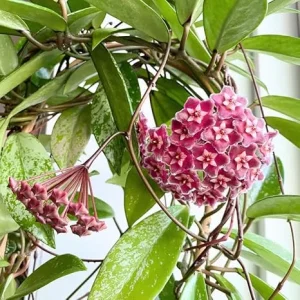
HousePlants
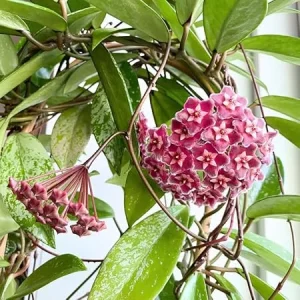
Hoya Plant Live Houseplant – Pink Flower Silver Leaf – 5 Inch Bareroot for Indoor/Outdoor
Sold 97 products
Original price was: $52.18.$26.09Current price is: $26.09.
Sold 67 products
Original price was: $45.98.$22.99Current price is: $22.99.
Sold 61 products
Original price was: $47.96.$23.98Current price is: $23.98.
Sold 88 products
Original price was: $213.58.$128.14Current price is: $128.14.
Sold 92 products
Original price was: $99.80.$49.90Current price is: $49.90.
Sold 100 products
Original price was: $80.00.$64.00Current price is: $64.00.
Sold 71 products
Original price was: $54.00.$27.00Current price is: $27.00.
Sold 81 products
Original price was: $51.78.$25.89Current price is: $25.89.
Sold 81 products
Original price was: $36.00.$18.00Current price is: $18.00.
Sold 74 products
Original price was: $41.99.$29.39Current price is: $29.39.
Sold 92 products
Original price was: $95.16.$47.58Current price is: $47.58.



Reviews
There are no reviews yet.