
Plectranthus ernstii Live Plant – 2.5″ Pot – Unique Caudex Succulent for Bonsai – Indoor House Plant
Original price was: $28.76.$14.38Current price is: $14.38.
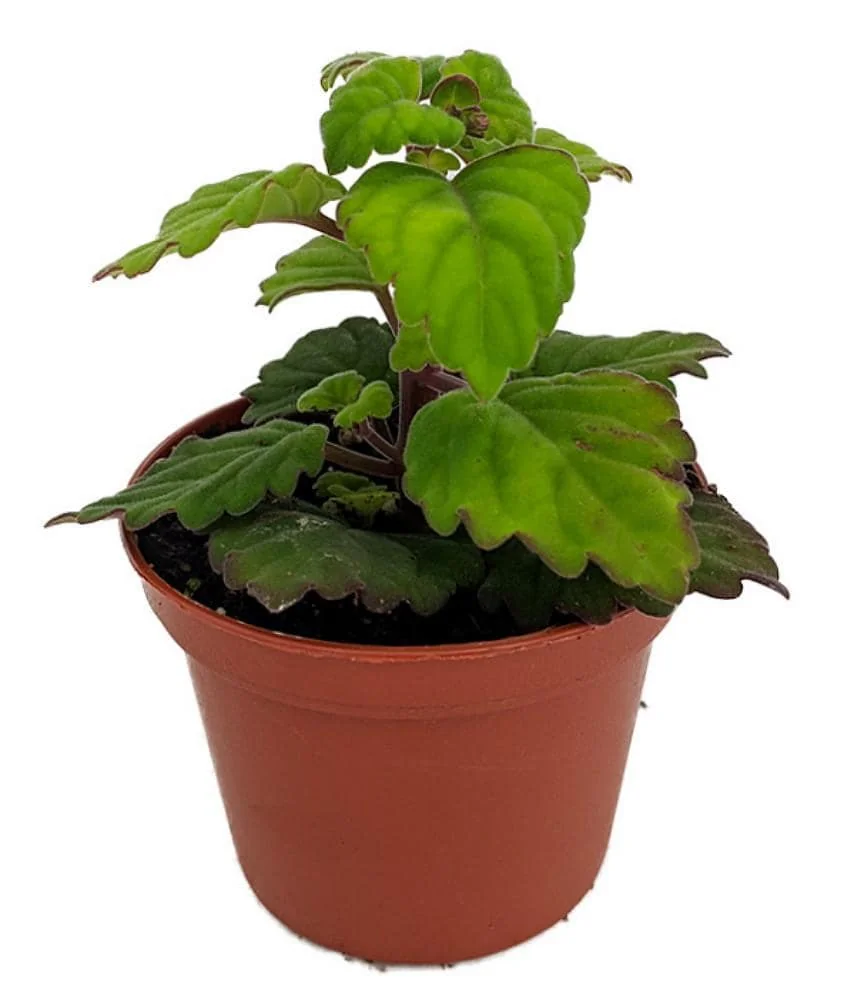
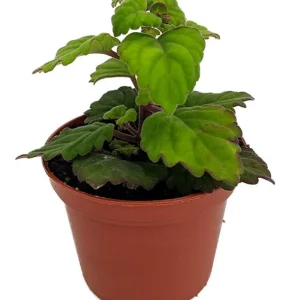
Bring home a unique Plectranthus ernstii live plant, also known as Swedish Ivy, with its distinctive caudex and mildly spice-scented leaves. This 2.5″ potted succulent is ideal for bonsai training or as an eye-catching indoor houseplant, offering architectural beauty and easy care.
-
USDA Hardiness Zone
USDA zones 10-11 (when grown outdoors) -
Soil Type
Well-draining succulent/cactus potting mix -
Sunlight Exposure
Bright indirect light or morning sun -
Expected Planting Period
Year-round indoors

You can track your order HERE
Mar 02
Mar 07 - Mar 09
Mar 12 - Mar 16
Shipping and return policies: Our Alive & Thrive Guarantee covers issues with your plants within the first 30 days. Reach out to us. Our team will answer your questions and help you find the plants that are truly suitable for your environment, climate, and personal preferences.

Overview
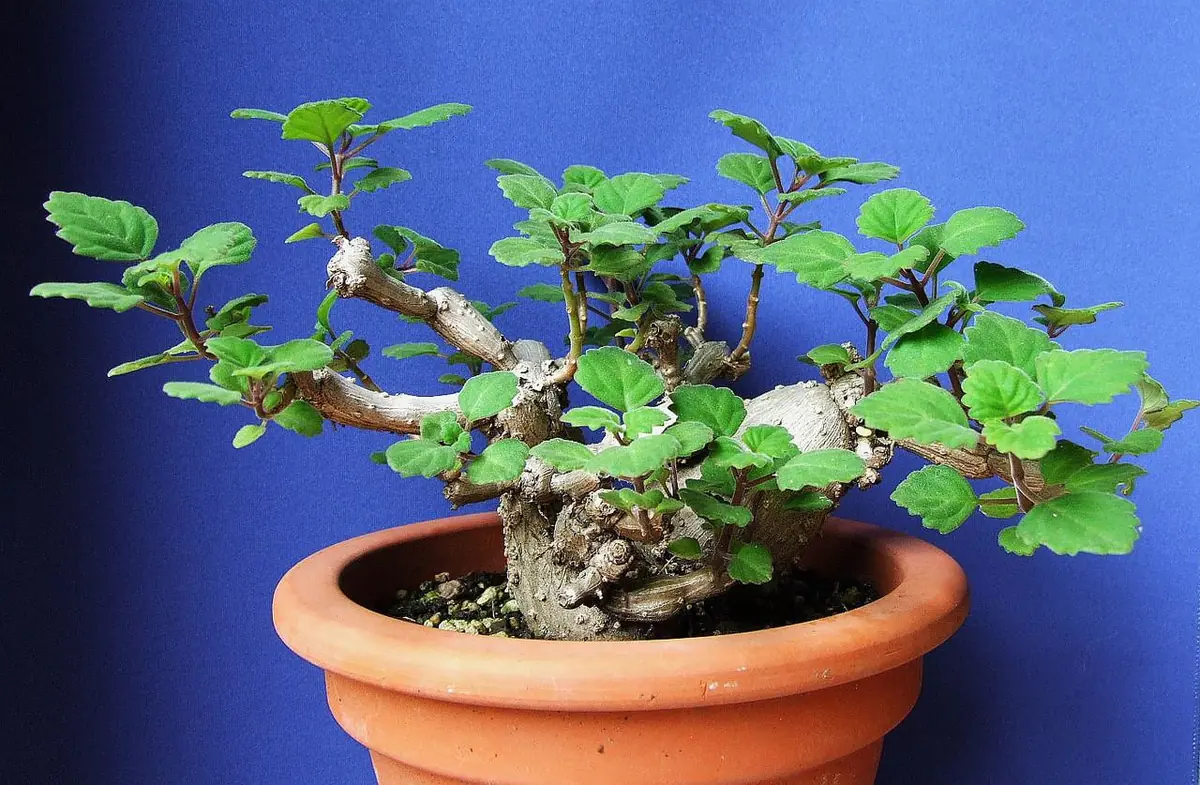
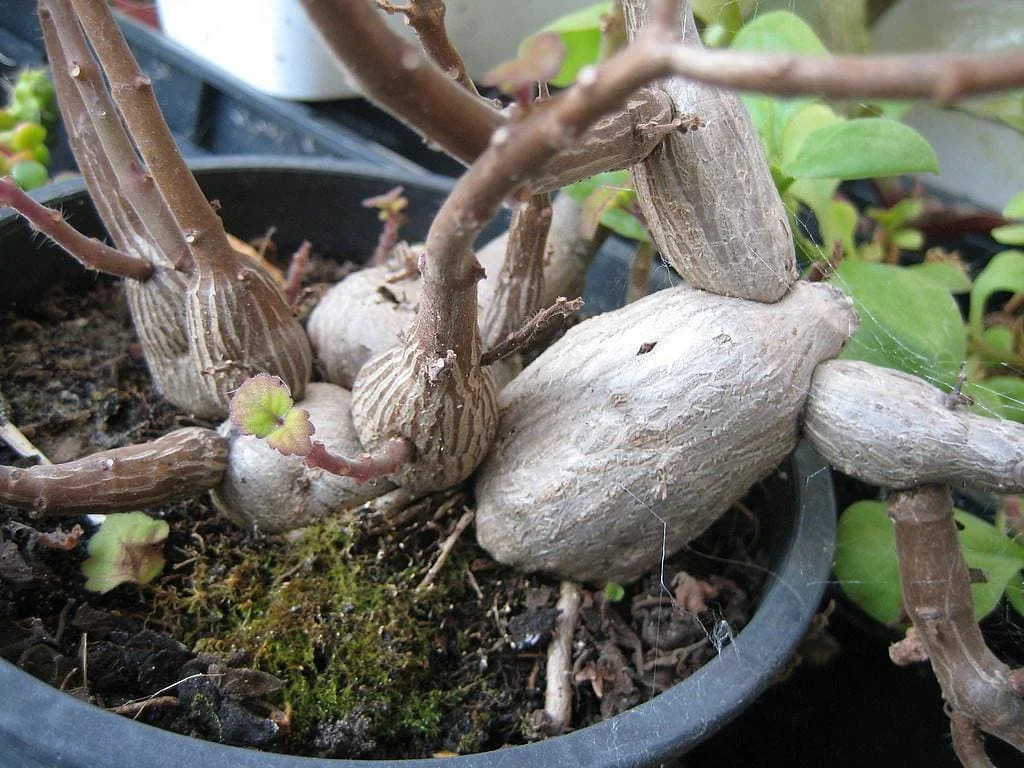
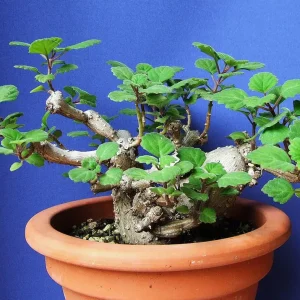
Introduce a fascinating botanical specimen into your collection with the Plectranthus ernstii live plant. This unique succulent, often referred to as Swedish Ivy, is highly prized for its striking, swollen caudex that can develop into an impressive, gnarled ‘trunk’ over time, making it a natural candidate for bonsai. While its leaves offer a subtle, mildly spice-scented aroma, the true allure of Plectranthus ernstii lies in its sculptural form and intriguing growth habit. Originating from South Africa, this delightful plant brings an exotic touch to any indoor space. It’s a robust and relatively low-maintenance succulent houseplant that rewards careful observation with its evolving beauty, perfect for both novice and experienced plant enthusiasts looking for a unique indoor plant.
Key Benefits
The Plectranthus ernstii live plant offers a multitude of benefits, making it a highly desirable addition to your home or office. Its distinctive features contribute to both aesthetic appeal and ease of care, ensuring a rewarding plant ownership experience.
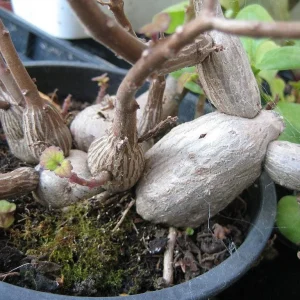
- Unique Ornamental Value: The most striking feature of the Plectranthus ernstii live plant is its large, attractive caudex and main branches, which develop a woody appearance and sculptural quality over time. This makes it a captivating focal point in any room.
- Ideal for Bonsai: With its naturally succulent ‘trunk’ and branches, this plant is an excellent choice for those interested in bonsai. Its growth habit lends itself well to shaping and training, allowing for creative horticultural expression and the creation of a stunning Plectranthus ernstii bonsai.
- Low Maintenance Succulent: As a succulent, Plectranthus ernstii is relatively drought-tolerant and forgiving, making it an excellent choice for busy individuals or those new to plant care. It thrives with minimal fuss, provided its basic light and water needs are met.
- Fragrant Foliage: The leaves of this plant, though subtle, possess a mildly spice-scented aroma, adding another sensory dimension to its appeal.
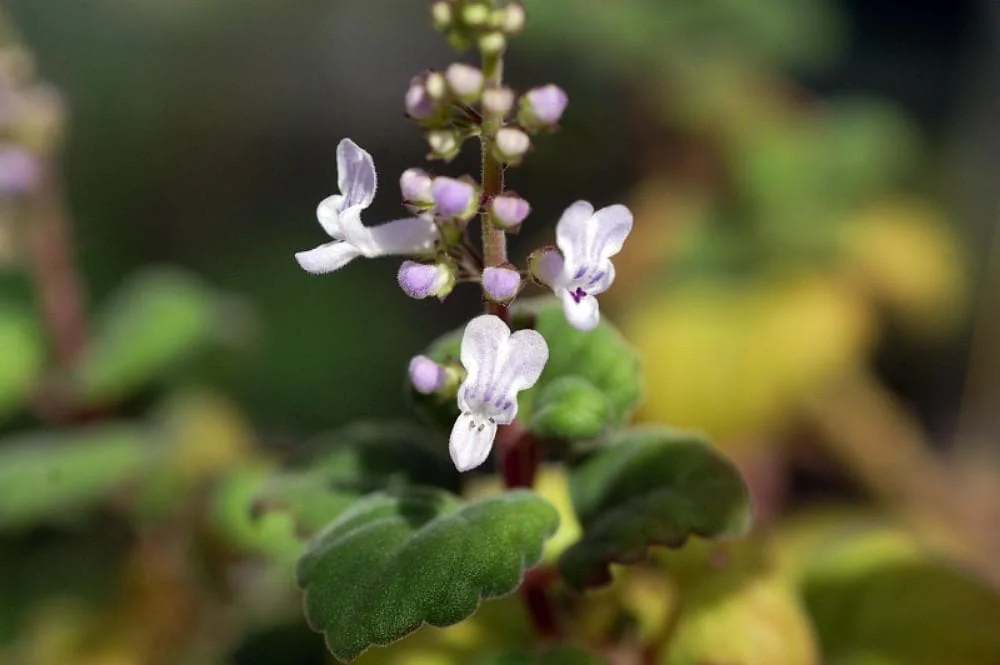
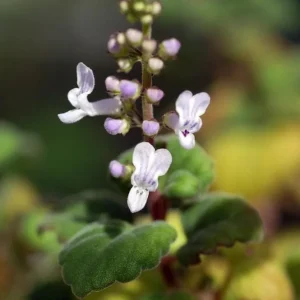
- Seasonal Blooms: During summer and into fall, the plant produces small, salvia-like spikes of lavender-blue or white flowers with lavender details, providing a delightful late-season interest and a splash of color.
- Compact Growth Habit: Generally well-branched and compact, this plant typically grows to about a foot high, making it suitable for windowsills, desks, or terrariums where space might be limited.
- Conversation Starter: Its unusual appearance and potential for bonsai artistry make the Plectranthus ernstii live plant a guaranteed conversation starter, sure to impress guests and fellow plant lovers.
Plant Care & Growing Tips
Caring for your Plectranthus ernstii live plant is straightforward, especially once you understand its succulent nature. Provide very bright, indirect light or morning sun to ensure optimal growth and caudex development. Avoid harsh, direct afternoon sun which can scorch the leaves. An east-facing window is often ideal, or a few feet away from a south or west-facing window. Adequate light is crucial for the health and aesthetic appeal of this unique indoor plant.
Watering should be done when the soil is completely dry to the touch. As a succulent, Plectranthus ernstii is susceptible to root rot if overwatered. Allow the soil to dry out thoroughly between waterings, especially during cooler months. During active growth in spring and summer, you might water more frequently, but always check the soil moisture first. A well-draining potting mix specifically formulated for succulents and cacti is essential. This ensures that excess water drains away quickly, preventing moisture from lingering around the roots. Fertilize sparingly, perhaps once or twice during the growing season (spring/summer) with a balanced liquid fertilizer diluted to half strength. Trim as needed to maintain its shape or encourage branching, particularly if you are training it as a Plectranthus ernstii bonsai. This plant generally prefers warmer temperatures and should be protected from frost. Common problems are usually related to overwatering, leading to soft spots or rot in the caudex.
Size & Details
This offering is for a Plectranthus ernstii live plant, thoughtfully grown and shipped in a 2.5″ nursery pot. At this young stage, the plant is beginning to develop its characteristic caudex, which will become more pronounced and attractive with age. In time, the caudex can exceed 1 inch in diameter, potentially reaching up to 2 inches across in very old, well-established specimens. The plant typically grows to about a foot in height, forming a compact and well-branched structure. While the caudex will take on a woody appearance, it remains succulent in its tissues. The leaves are only slightly succulent and covered with a minute, nearly invisible layer of fuzz. This plant is delivered as a healthy, rooted specimen, ready to be enjoyed as a succulent houseplant or for starting your own Plectranthus ernstii bonsai project.
Frequently Asked Questions
- Q: How big does this Plectranthus ernstii live plant get? A: This plant typically grows to about 1 foot in height with proper care. The caudex, or succulent trunk, can eventually reach 1 to 2 inches in diameter in mature plants, offering significant visual interest.
- Q: Is this an indoor or outdoor plant? A: While it can thrive outdoors in warm climates, it is primarily cultivated as an indoor houseplant in most regions due to its temperature preferences and succulent nature. It makes for a beautiful unique indoor plant.
- Q: How much sunlight does Plectranthus ernstii need? A: It requires very bright, indirect light or morning sun. Avoid prolonged exposure to harsh afternoon sun, which can damage the leaves and caudex.
- Q: Is this plant easy to care for? A: Yes, as a succulent, the Plectranthus ernstii live plant is considered relatively easy to care for. Its main requirement is bright light and infrequent watering, allowing the soil to dry out completely between waterings.
- Q: What condition will it arrive in? A: Your Plectranthus ernstii live plant will arrive as a healthy, rooted specimen in a 2.5″ nursery pot, carefully packaged to ensure its safe journey to your home.
- Q: Can Plectranthus ernstii be used for bonsai? A: Absolutely! Its naturally swollen caudex and woody appearance make it an excellent choice for training as a Plectranthus ernstii bonsai. Its growth habit is well-suited for this art form.
- Q: What kind of soil is best for this succulent houseplant? A: A well-draining potting mix, such as one formulated for cacti and succulents, is ideal. This prevents waterlogging and promotes healthy root development for your caudex plant care.
Be the first to review “Plectranthus ernstii Live Plant – 2.5″ Pot – Unique Caudex Succulent for Bonsai – Indoor House Plant”
People Also Viewed
Sold 52 products
Original price was: $24.00.$12.00Current price is: $12.00.
Sold 68 products
Original price was: $47.96.$23.98Current price is: $23.98.
Sold 98 products
Original price was: $391.96.$195.98Current price is: $195.98.
Sold 98 products
Original price was: $61.98.$30.99Current price is: $30.99.
Sold 94 products
Original price was: $67.96.$33.98Current price is: $33.98.
Sold 57 products
Original price was: $67.96.$33.98Current price is: $33.98.
Sold 86 products
Original price was: $73.24.$36.62Current price is: $36.62.
Sold 65 products
Original price was: $59.98.$47.98Current price is: $47.98.
Sold 51 products
Original price was: $130.00.$104.00Current price is: $104.00.
Sold 52 products
Original price was: $67.96.$33.98Current price is: $33.98.
Sold 73 products
Original price was: $39.99.$29.99Current price is: $29.99.
Sold 54 products
Original price was: $47.96.$23.98Current price is: $23.98.
Sold 57 products
Original price was: $119.74.$71.84Current price is: $71.84.
Sold 81 products
Original price was: $319.96.$159.98Current price is: $159.98.
Sold 52 products
Original price was: $47.96.$23.98Current price is: $23.98.
Sold 93 products
Original price was: $47.96.$23.98Current price is: $23.98.
Sold 59 products
Original price was: $67.96.$33.98Current price is: $33.98.
Sold 55 products
Original price was: $67.96.$33.98Current price is: $33.98.


Reviews
There are no reviews yet.