
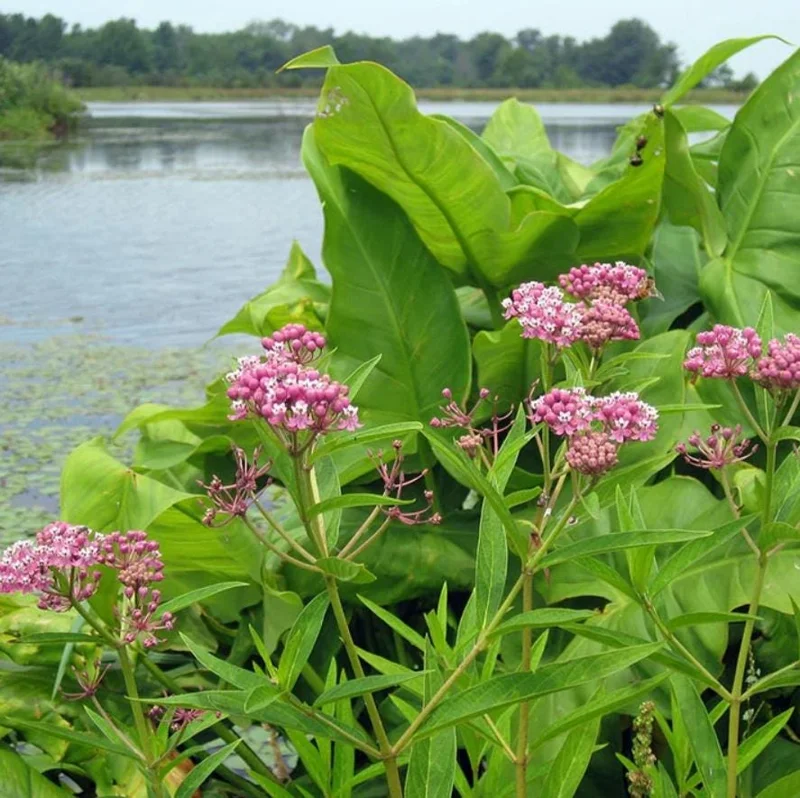
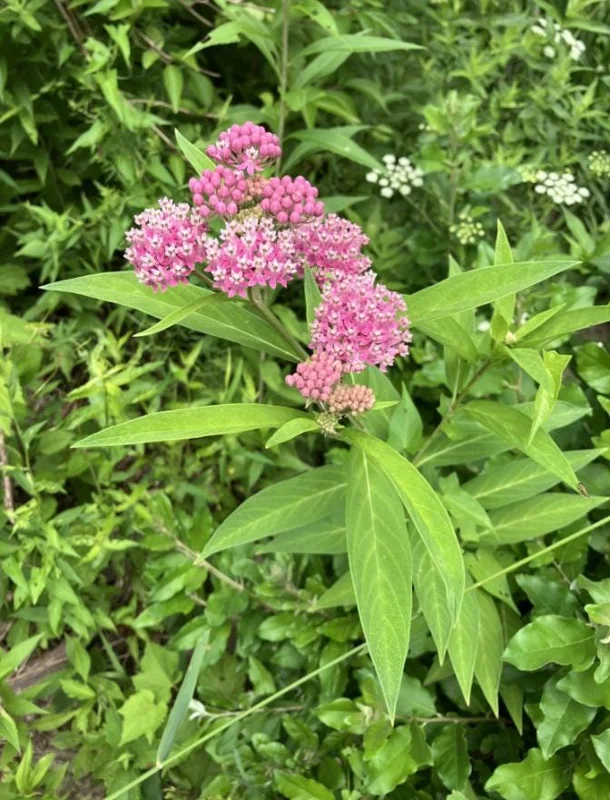
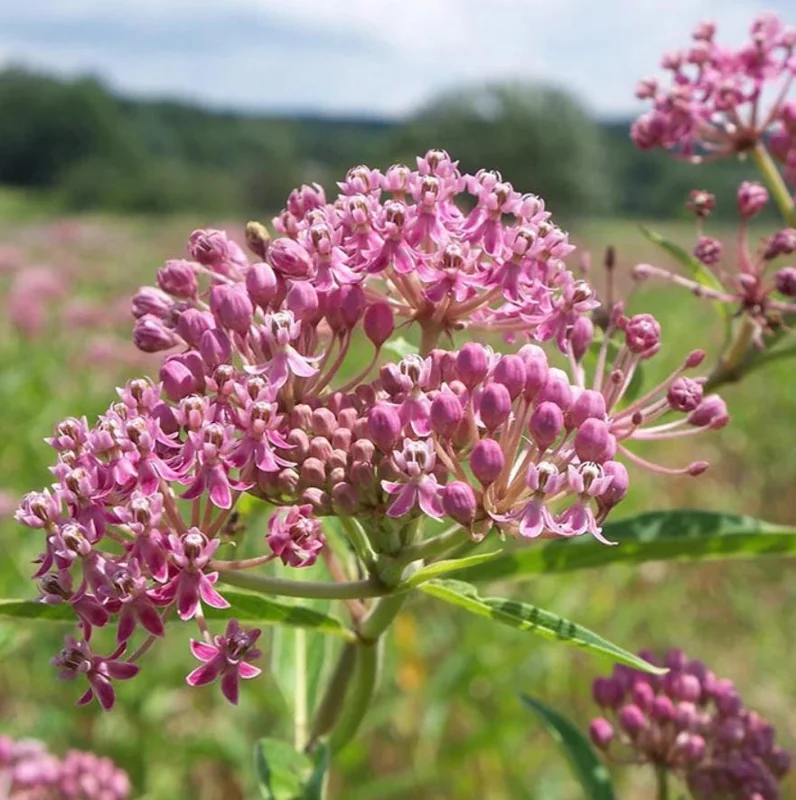
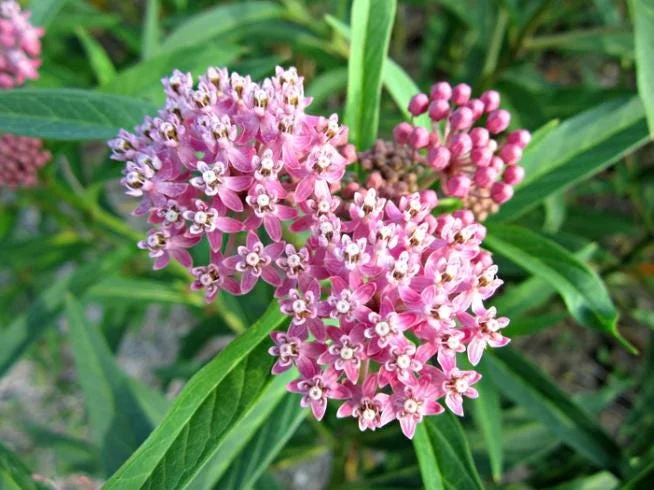
Pink Milkweed Live Plant – Set of 2, 4-6″ Tall, Asclepias, Outdoor Perennial
Original price was: $95.16.$47.58Current price is: $47.58.
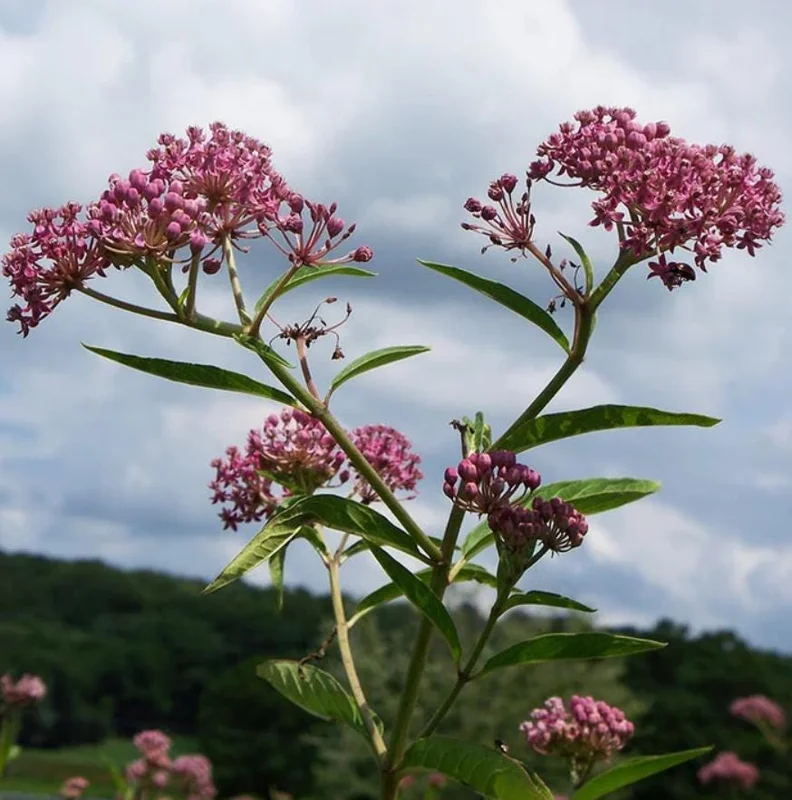
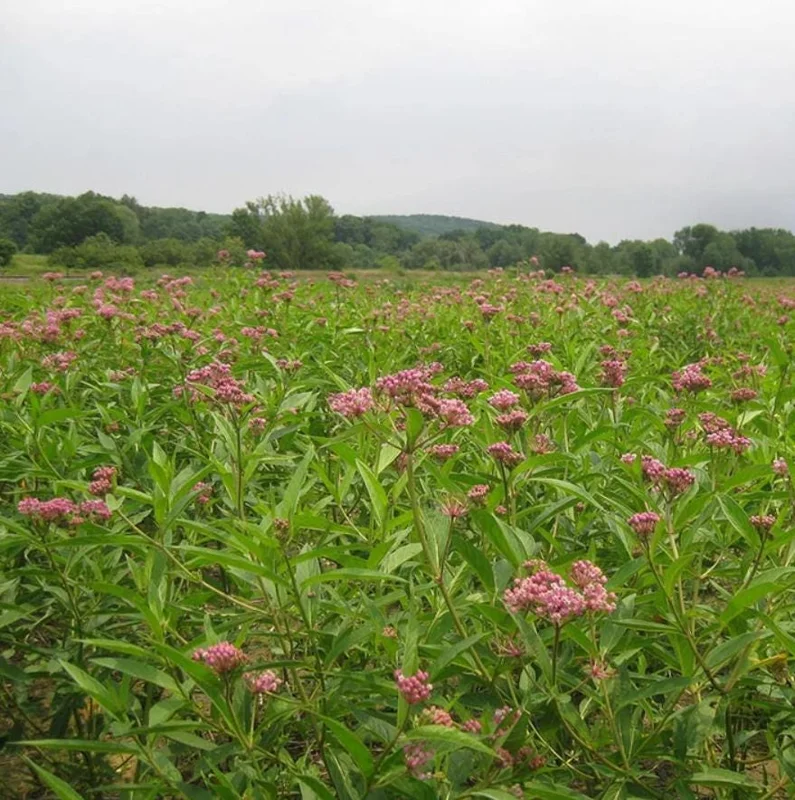
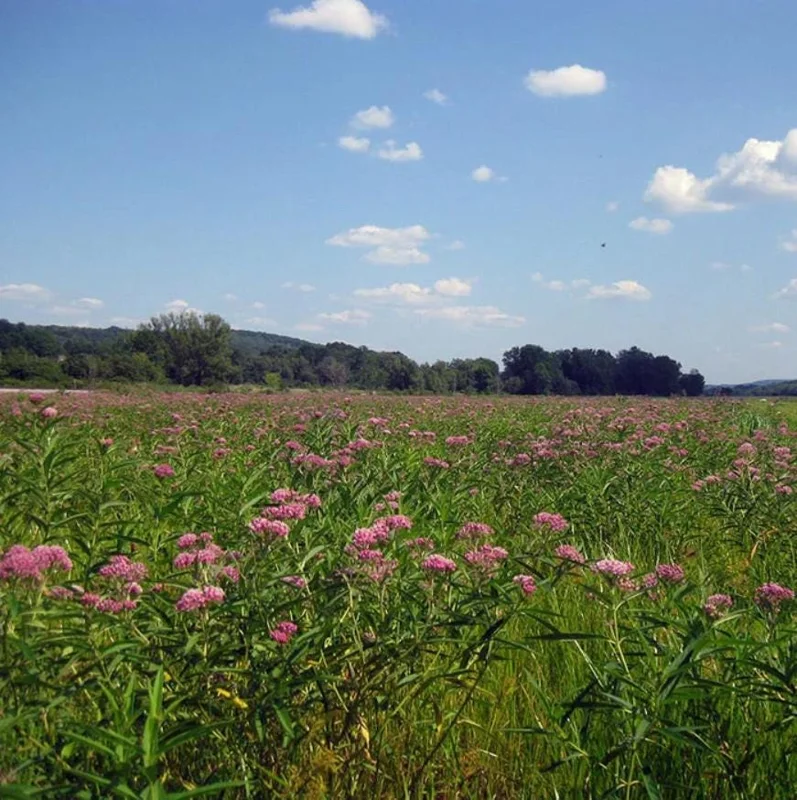
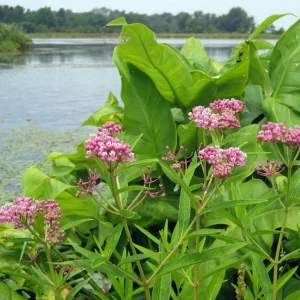
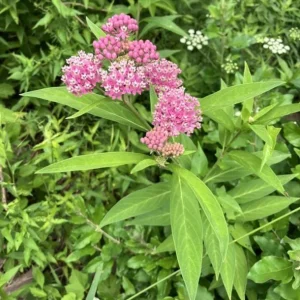
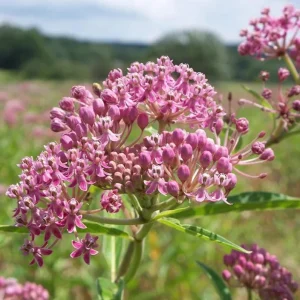
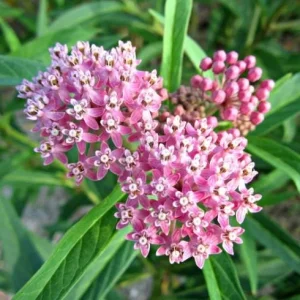
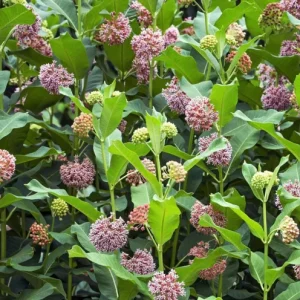
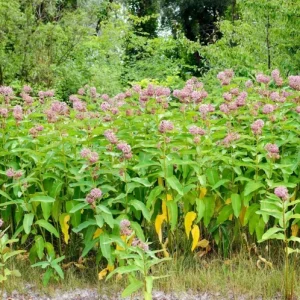
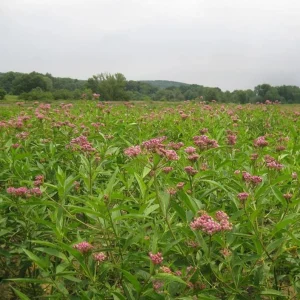
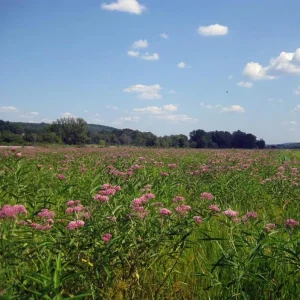
Attract monarch butterflies and other pollinators with this set of two pink milkweed live plant starter plants. Each 4-6 inch tall perennial, Asclepias spp., features vibrant pink blooms and is a crucial monarch butterfly plant, adding beauty and ecological value to any outdoor garden.
-
USDA Hardiness Zone
3-9 -
Soil Type
Well-draining soil -
Sunlight Exposure
Full sun to partial shade -
Expected Planting Period
Spring or early summer

You can track your order HERE
Mar 01
Mar 06 - Mar 08
Mar 11 - Mar 15
Shipping and return policies: Our Alive & Thrive Guarantee covers issues with your plants within the first 30 days. Reach out to us. Our team will answer your questions and help you find the plants that are truly suitable for your environment, climate, and personal preferences.

Overview
Transform your outdoor space into a vibrant haven for pollinators with our pink milkweed live plant set. This offering includes two healthy starter plants of Asclepias spp., approximately 4-6 inches tall, ready to establish in your garden. Known for its stunning pink flowers and crucial role in supporting monarch butterflies, pink milkweed live plant is a must-have for any eco-conscious gardener. These hardy perennials not only add a splash of color but also provide essential nectar and host plant resources for various beneficial insects, making them an invaluable addition to butterfly and wildflower gardens. Each plant is carefully prepared for shipment, ensuring it arrives in optimal condition, ready to thrive and contribute to your landscape’s biodiversity.
The Asclepias genus, commonly known as milkweed, is celebrated for its ecological significance. Our pink milkweed live plant variety is particularly prized for its attractive blooms and resilience. Whether you’re an experienced gardener or just starting, these plants offer an easy and rewarding way to create a dynamic, pollinator-friendly environment. They are young starter plants, ensuring they adapt well to new growing conditions and establish strong root systems for years of enjoyment, making them an excellent pollinator garden plant choice.
Key Benefits
Choosing a pink milkweed live plant for your garden brings a multitude of benefits, enhancing both the aesthetic appeal and ecological value of your outdoor space. These plants are specifically chosen for their hardiness and ability to support local ecosystems, providing essential resources for wildlife.
- Attracts Pollinators: The vibrant pink flowers are a magnet for monarch butterflies, bees, and other beneficial insects, playing a vital role in supporting local ecosystems and biodiversity. Planting this monarch butterfly plant helps sustain these crucial species and enriches your garden’s ecosystem.
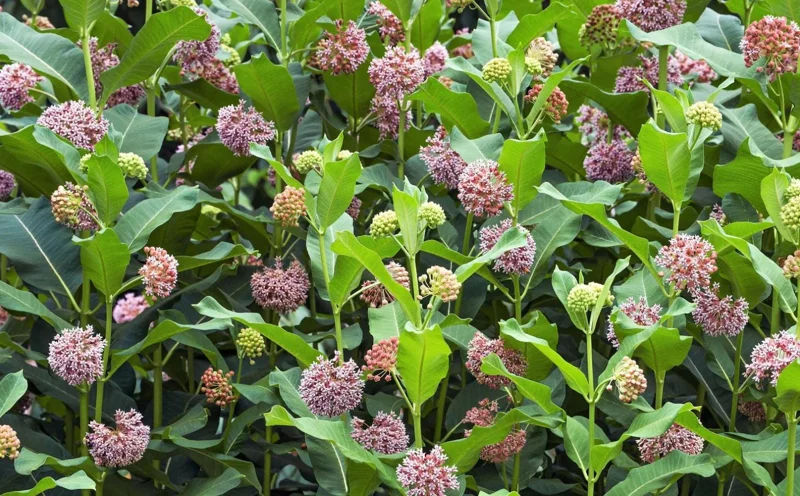
- Vibrant Pink Blooms: Enjoy a season of beautiful, showy pink flowers that add significant visual interest and charm to garden borders, wildflower patches, and naturalized areas. The blooms are not only stunning but also provide vital nectar.
- Low Maintenance: Once established, hardy milkweed is remarkably drought-tolerant and requires minimal care, making it an excellent choice for busy gardeners seeking beauty without constant upkeep. Its resilience makes it a rewarding addition.
- Ecological Value: As a host plant for monarch butterfly caterpillars, these milkweed plants are indispensable for the monarch life cycle, directly contributing to their conservation efforts. This makes the pink milkweed live plant an environmentally responsible choice.
- Adaptable & Resilient: These plants thrive in a range of soil types and are hardy in USDA Zones 3–9, demonstrating impressive resilience in various climates. They are known for their ability to adapt to different environmental conditions.
- Creates a Wildlife Habitat: By providing food and shelter, pink milkweed helps create a welcoming habitat for various garden creatures, fostering a healthier, more dynamic garden environment. It’s a cornerstone for local biodiversity.
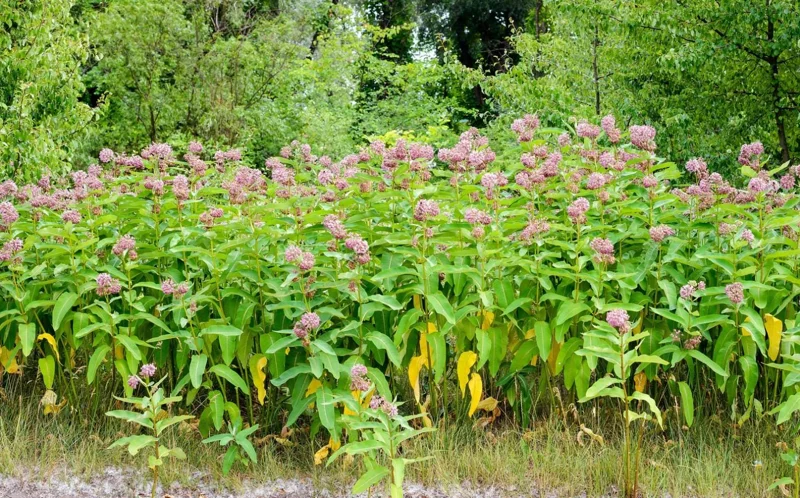
- Garden Versatility: Ideal for a wide array of landscape designs, from formal borders to informal wildflower meadows, enhancing any outdoor setting. The Asclepias spp. adds a touch of natural beauty wherever it’s planted.
Plant Care & Growing Tips
Caring for your pink milkweed live plant is straightforward, ensuring a successful and rewarding gardening experience. These plants are relatively low-maintenance, especially once established. For optimal growth and flowering, plant your milkweed in a location that receives full sun to partial shade. Full sun (at least 6 hours of direct sunlight per day) will encourage the most prolific blooming and robust growth. While adaptable to various soil types, well-draining soil is crucial to prevent root rot. If your soil is heavy clay, consider amending it with compost or grit to improve drainage for your hardy milkweed.
Watering requirements for this pollinator garden plant are moderate. Keep the soil consistently moist during the initial establishment period, typically the first few weeks after planting. Once established, pink milkweed exhibits good drought tolerance, meaning it won’t need frequent watering unless there are extended dry spells. Overwatering should be avoided. Regarding fertilization, a light feeding in early spring with a balanced, slow-release fertilizer is optional but can promote vigorous growth. However, milkweed often thrives without additional feeding in rich garden soils. Protect the roots in extreme winter conditions in colder zones (USDA 3-9) by applying a layer of mulch.
As a young starter plant, it will take time to mature and produce flowers. Blooming depends on factors such as plant age, adequate sunlight, and consistent growing conditions. Be patient; the reward of vibrant pink blooms and visiting monarch butterflies is well worth the wait. This Asclepias spp. is generally pest-resistant, but keep an eye out for common garden pests and treat as needed with organic solutions. Remember, creating a thriving environment for your milkweed directly benefits the wildlife it supports.
Size & Details
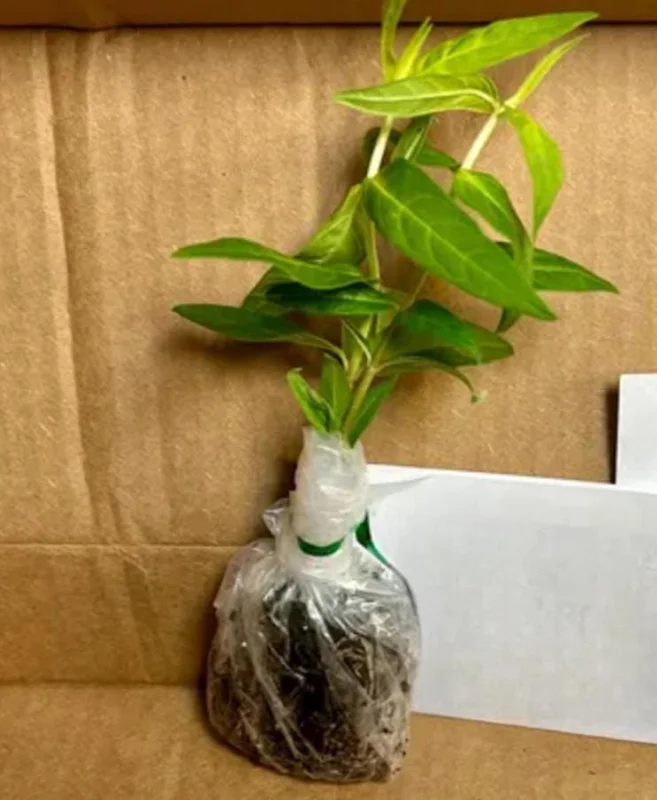
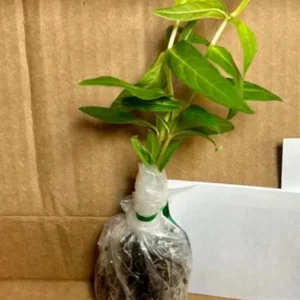
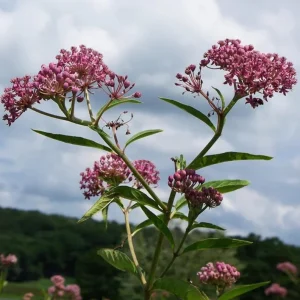
This offering includes a set of two healthy pink milkweed live plant starter plants, each approximately 4–6 inches tall at the time of shipment. These are young, vigorous plants, not mature flowering specimens, allowing them to acclimate easily to your garden. They are shipped bare root, with their roots carefully wrapped in soil or a moisture-retaining medium to ensure they remain hydrated and protected during transit. This method promotes a strong root system upon planting. Pink milkweed is a perennial flowering plant that will grow to a mature size suitable for garden borders, wildflower gardens, or as a dedicated monarch butterfly plant. Expected growth spacing for mature plants is 18–24 inches apart to allow ample room for spread and development. Blooming typically occurs from mid-summer to fall, once the plant has reached sufficient maturity and conditions are favorable. Mature plants typically reach 2-4 feet in height and spread 1-2 feet wide.
Frequently Asked Questions
- Q: How big will the pink milkweed live plant grow? A: This plant typically grows to a height of 2-4 feet and spreads about 1-2 feet wide, forming an attractive clump. The plant you receive will be a 4-6 inch starter plant and will grow significantly once established.
- Q: Is this an indoor or outdoor plant? A: The pink milkweed live plant is an outdoor perennial, best suited for garden beds, wildflower areas, and naturalized landscapes where it can receive ample sunlight and support pollinators. It is not recommended for indoor cultivation.
- Q: How much sunlight does this pollinator garden plant need? A: For best growth and abundant flowering, pink milkweed requires full sun to partial shade. Aim for at least 6 hours of direct sunlight daily for optimal results and vigorous blooming.
- Q: What condition will the plants arrive in? A: You will receive two healthy 4-6 inch tall starter plants, shipped bare root with their roots carefully wrapped to retain moisture. They are carefully packaged to ensure safe arrival and are ready for planting.
- Q: Is the hardy milkweed safe for pets? A: While milkweed is essential for pollinators, it may be mildly toxic if ingested by pets or children. It’s advisable to use caution and plant it in areas not easily accessible to them.
- Q: When is the best time to plant pink milkweed? A: The best time to plant these starter plants is in spring or early summer, after the last frost, to allow them ample time to establish strong root systems before colder weather.
- Q: How long until it blooms? A: As starter plants, blooming depends on age, growing conditions, and light. Typically, you can expect blooms in the first or second growing season after planting, usually in mid-summer, bringing vibrant color to your garden.
- Q: What type of soil does this Asclepias spp. prefer? A: Pink milkweed is adaptable but thrives in well-draining soil. It can tolerate various soil types, from sandy to clay, as long as drainage is adequate to prevent root issues.
- Q: Will this monarch butterfly plant survive winter in my zone? A: Yes, this hardy milkweed is perennial in USDA Zones 3–9. In colder zones, applying a layer of mulch around the base can help protect the roots during winter and ensure its return next spring.
- Q: What are the primary benefits of planting this pink milkweed? A: The main benefits are attracting and supporting monarch butterflies and other beneficial pollinators, adding significant ecological value to your garden. It also provides beautiful pink flowers and is a low-maintenance addition.
Be the first to review “Pink Milkweed Live Plant – Set of 2, 4-6″ Tall, Asclepias, Outdoor Perennial”
People Also Viewed
Flower Bulbs
Sold 60 products
Original price was: $34.10.$11.64Current price is: $11.64.
Sold 96 products
From $19.00
Sold 90 products
Original price was: $180.00.$144.00Current price is: $144.00.

Sold 60 products
Original price was: $59.96.$29.98Current price is: $29.98.
Sold 75 products
Original price was: $60.00.$48.00Current price is: $48.00.
Sold 79 products
Original price was: $155.80.$77.90Current price is: $77.90.
Succulents
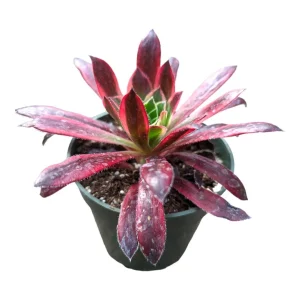
Aeonium ‘Phoenix’ Variegata Succulent Plant – Live Succulent – 2-4 Inch Pot – Indoor/Outdoor
Sold 66 products
From $36.64
Sold 66 products
Original price was: $79.98.$39.99Current price is: $39.99.
Sold 96 products
Original price was: $149.98.$74.99Current price is: $74.99.

Sold 80 products
From $79.80
Sold 57 products
Original price was: $211.96.$105.98Current price is: $105.98.
Sold 80 products
Original price was: $63.96.$31.98Current price is: $31.98.
Sold 66 products
$43.98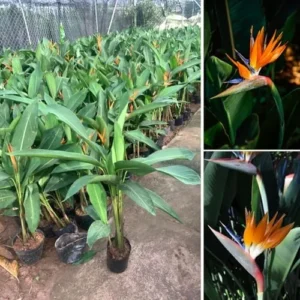
Flower Plants
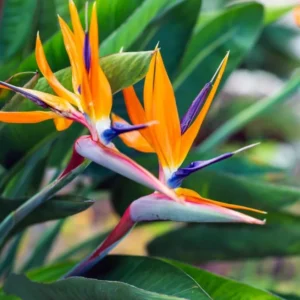
Orange Bird of Paradise Plant – Live Tropical Houseplant – 5-10 Inches – Exotic Blooms
Sold 78 products
Original price was: $57.98.$28.99Current price is: $28.99.
Sold 86 products
From $61.58
Sold 96 products
Original price was: $46.76.$23.38Current price is: $23.38.
Sold 63 products
Original price was: $78.08.$39.04Current price is: $39.04.
Sold 88 products
Original price was: $140.00.$70.00Current price is: $70.00.



Reviews
There are no reviews yet.