
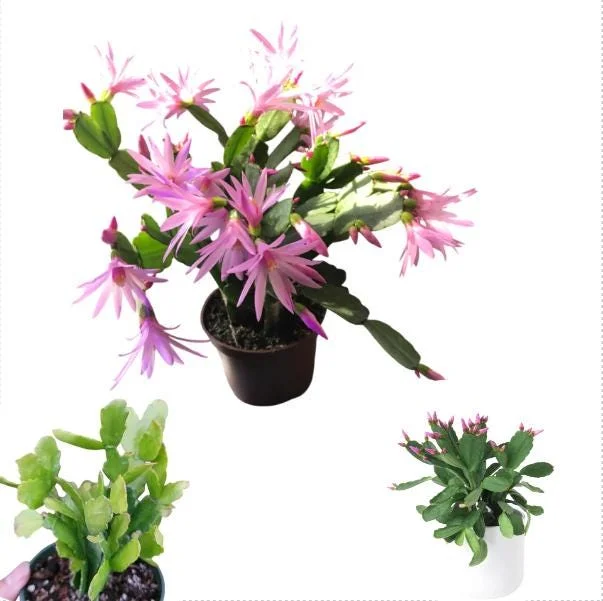
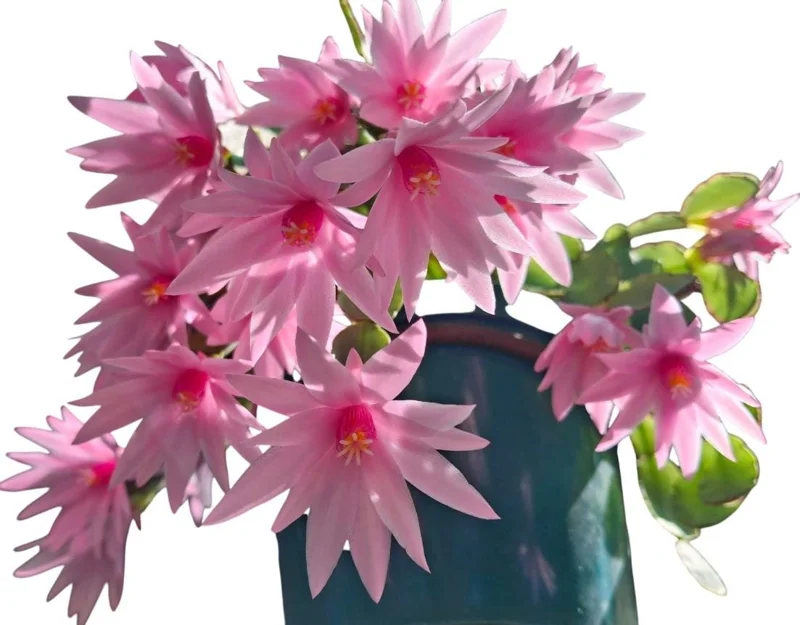
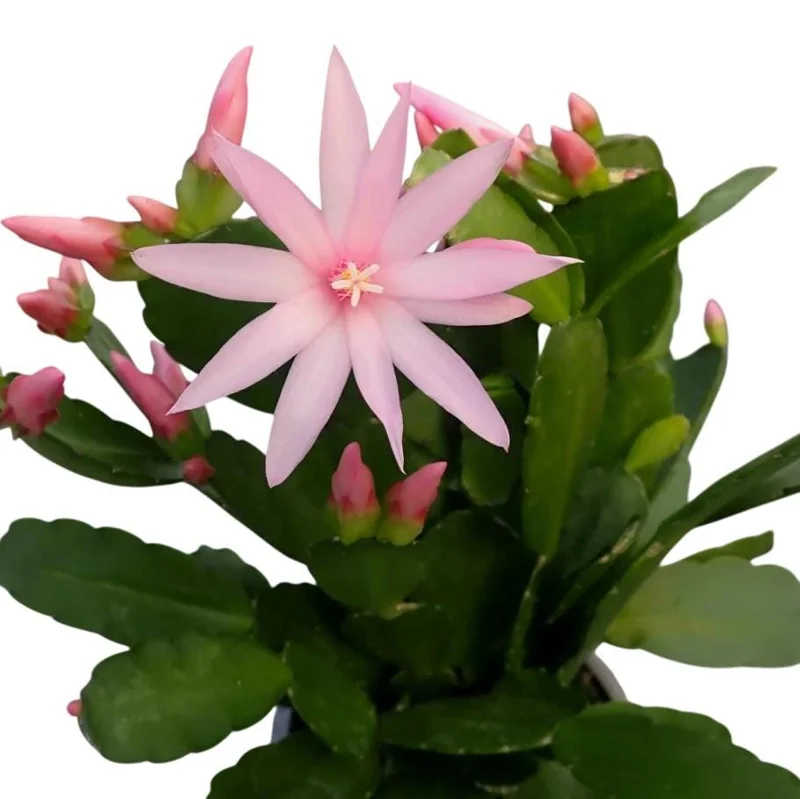
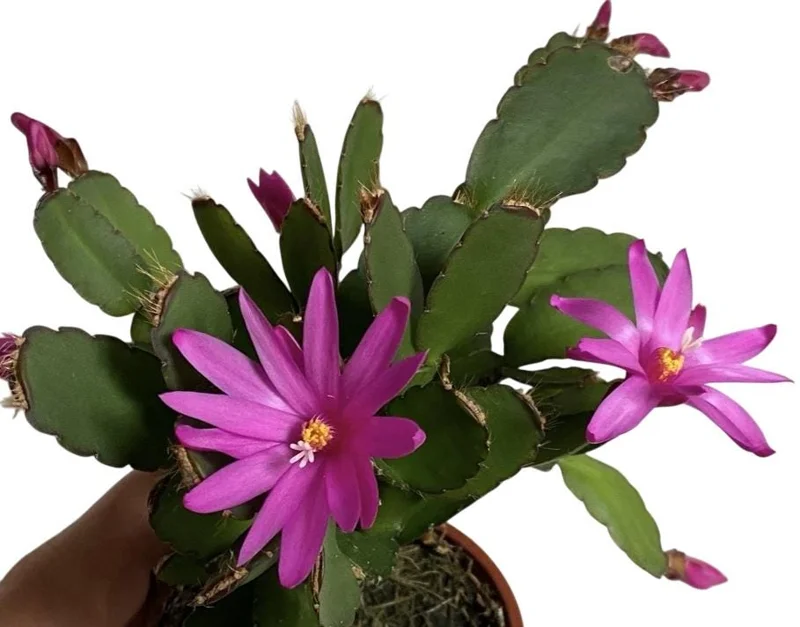
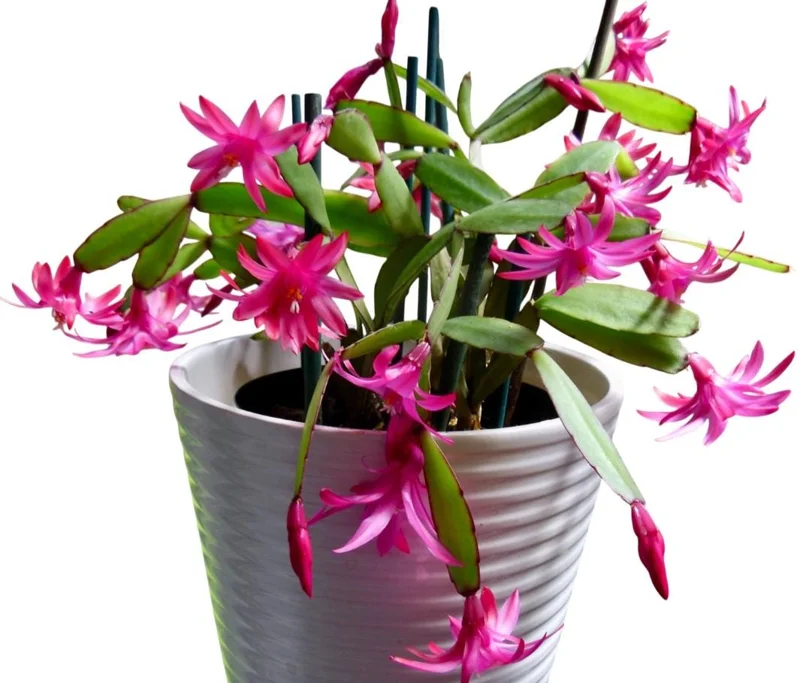
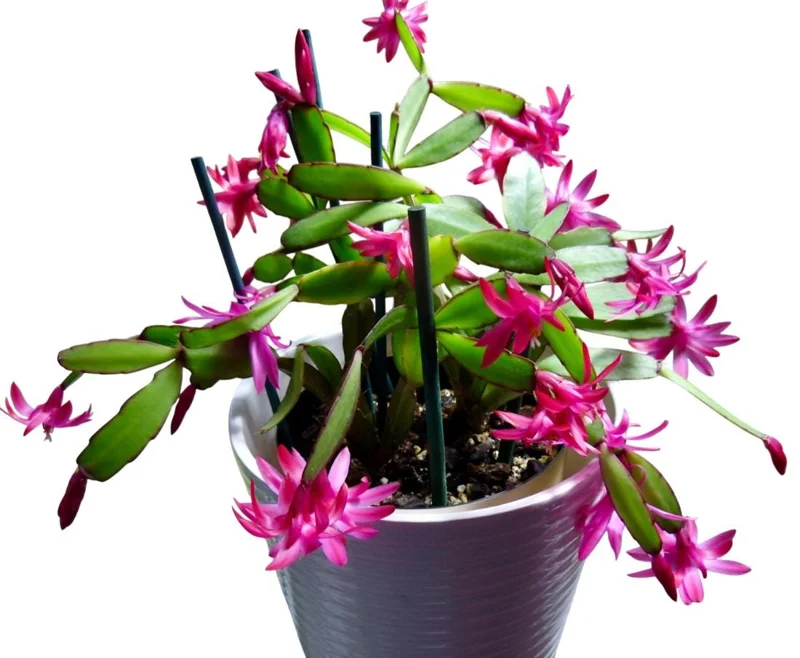
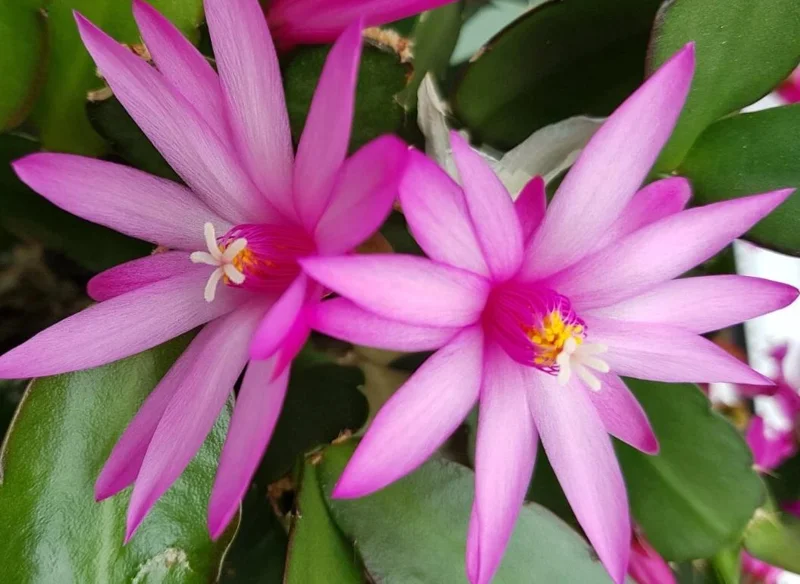
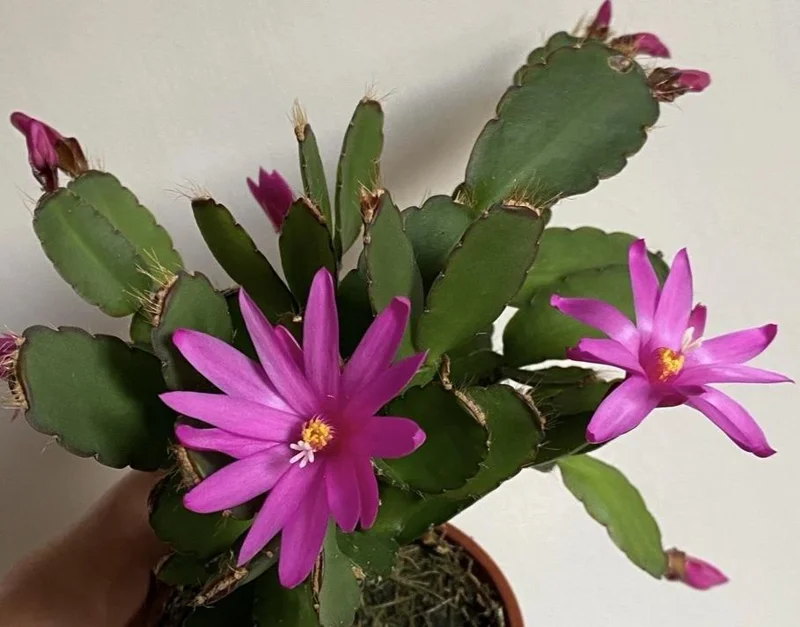
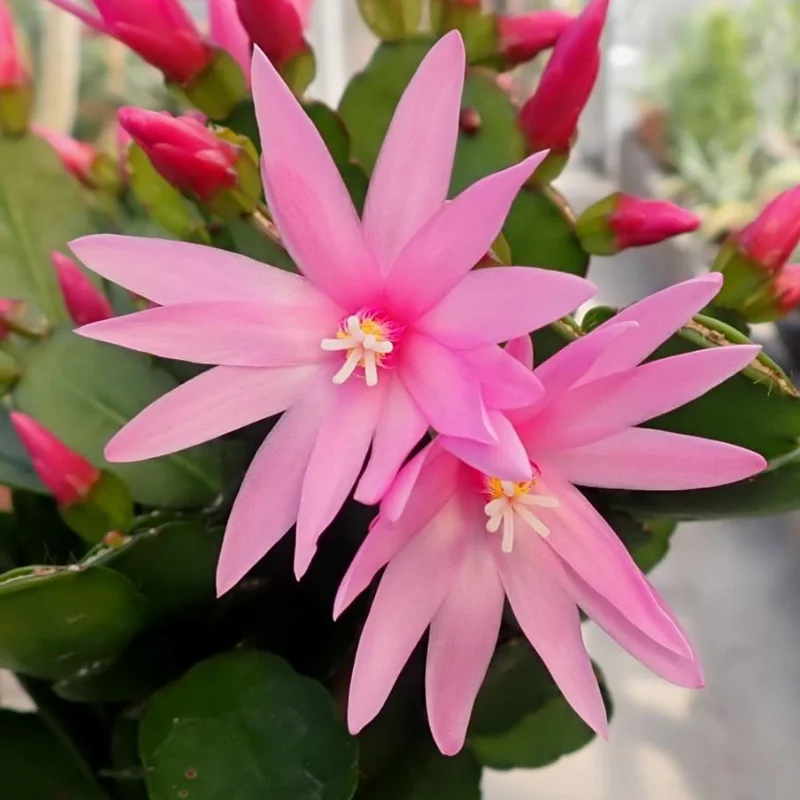
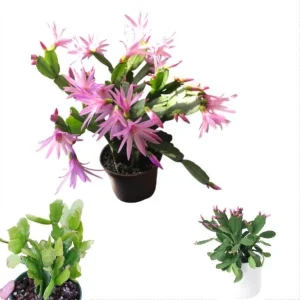
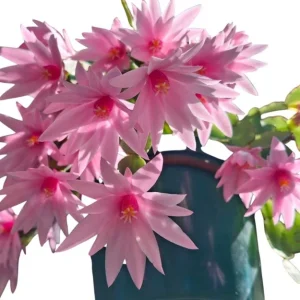
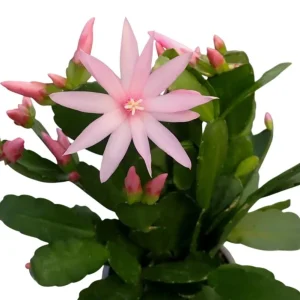
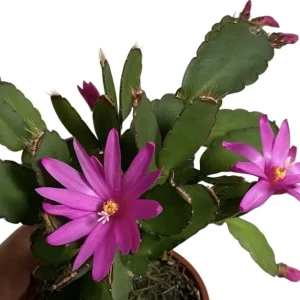
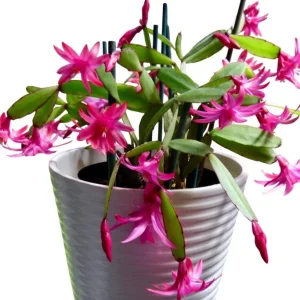
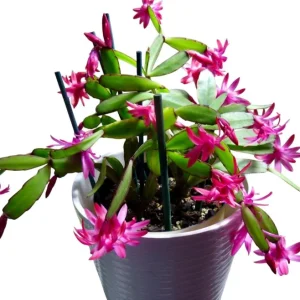
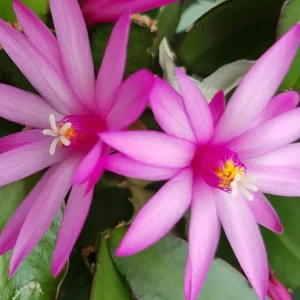
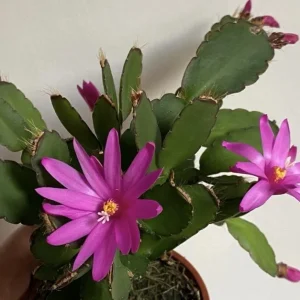
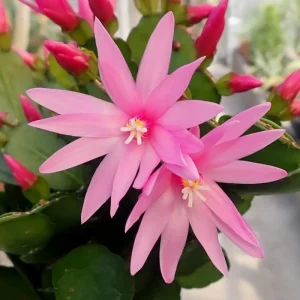
Pink Easter Cactus Live Plant Rhipsalidopsis Gaertneri Holiday Cactus 5-7″ Tall Starter
Original price was: $49.99.$29.99Current price is: $29.99.
Bring vibrant spring color indoors with a pink Easter cactus live plant (Rhipsalidopsis Gaertneri). This stunning tropical cactus produces prolific star-shaped blooms, making it a perfect addition to any home. Enjoy its easy care and beautiful display.
-
USDA Hardiness Zone
USDA zones 9-11 (when grown outdoors) -
Soil Type
Well-draining potting mix -
Sunlight Exposure
Bright, indirect light -
Expected Planting Period
Year-round indoors

You can track your order HERE
Mar 21
Mar 26 - Mar 28
Mar 31 - Apr 04
Shipping and return policies: Our Alive & Thrive Guarantee covers issues with your plants within the first 30 days. Reach out to us. Our team will answer your questions and help you find the plants that are truly suitable for your environment, climate, and personal preferences.

Overview
Bring the joy of spring blooms into your home with a stunning pink Easter cactus live plant. Scientifically known as Rhipsalidopsis gaertneri, and sometimes referred to by its synonyms Schlumbergera gaertneri or Hatiora gaertneri, this captivating epiphytic cactus is a true spectacle. Renowned for its prolific, star-shaped flowers that burst forth around the Easter holiday, this tropical beauty is a favorite among plant enthusiasts. Unlike desert cacti, the pink Easter cactus live plant thrives in rainforest-like conditions, preferring dappled light and higher humidity. It’s an excellent choice for adding a splash of vibrant color and unique texture to any indoor plant collection, offering a delightful display that brightens up living spaces during its blooming season.
This particular offering provides a well-rooted starter plant, typically 5-7 inches tall, ready to establish itself in your care. Its succulent-like foliage and charming pink flowers make it a captivating focal point. Understanding Rhipsalidopsis Gaertneri care is key to ensuring its long-term health and abundant flowering. With proper attention to its specific needs, including light, water, and humidity, your Easter cactus will reward you with years of beautiful blooms, transforming your home into a lively, colorful sanctuary.
Key Benefits
The pink Easter cactus live plant offers numerous benefits, making it a highly desirable addition to any indoor garden. Its unique characteristics and relatively straightforward care contribute to its popularity and appeal.
- Stunning Spring Blooms: The most prominent benefit is its breathtaking display of star-shaped, vibrant pink flowers that typically appear in spring, perfectly coinciding with the Easter season. These blooms provide a spectacular splash of color, making it an ideal decorative plant. Enjoy the beauty of these holiday cactus blooms every year with proper care.
- Easy to Grow for Beginners: Despite its exotic appearance, the Easter cactus is surprisingly forgiving and easy to care for, even for those new to houseplants. Its specific care requirements are simple to follow, allowing for successful growth and blooming.
- Long-Lasting Floral Display: When in bloom, the flowers can last for several weeks, providing prolonged enjoyment and visual interest in your home. This extended bloom period sets it apart from many other flowering houseplants.
- Compact and Manageable Size: As a starter plant, it’s easy to place in various indoor settings, from windowsills to desks. Even at maturity, it remains a manageable size, making it suitable for smaller spaces or apartments.
- Unique Epiphytic Nature: As an epiphytic cactus, it has distinct growth habits that differentiate it from terrestrial plants, adding an interesting botanical element to your collection. This also informs its preference for well-draining soil and higher humidity.
- Air Purifying Qualities: Like many houseplants, the pink Easter cactus live plant contributes to a healthier indoor environment by helping to purify the air, improving overall air quality in your living space.
- Conversation Starter: Its beautiful and timely blooms often spark conversations, making it a wonderful gift or a delightful addition to social gatherings. Learning about growing Easter cactus can be a rewarding hobby.
Plant Care & Growing Tips
Providing the right environment is crucial for a thriving pink Easter cactus live plant. These tropical cacti have specific needs that, when met, will ensure vigorous growth and abundant flowering. Understanding Rhipsalidopsis Gaertneri care is simpler than you might think.
Sunlight: Place your Easter cactus in a spot with dappled sunlight or bright, indirect light. Direct, harsh sunlight, especially during the hottest parts of the day, can scorch its delicate foliage. An east-facing window is often ideal, providing gentle morning sun. If you notice the foliage turning reddish, it might be receiving too much light. Conversely, insufficient light can hinder flowering. For optimal holiday cactus blooms, ensure consistent, bright indirect light.
Watering: The most common mistake with Easter cacti is overwatering. Allow the soil to dry out fully in between waterings. When you do water, do so thoroughly, allowing excess water to drain completely from the pot’s drainage hole. Never let the plant sit in standing water, as this can lead to root rot. During its active growing and blooming periods (spring and summer), it will require more frequent watering than during its dormant period in late fall and winter. This approach is essential when growing Easter cactus successfully.
Soil and Humidity: Prepare a well-draining soil mix, ideally one formulated for cacti and succulents, or a general potting mix amended with perlite or orchid bark to enhance drainage. A pot with a drainage hole is absolutely essential. These plants prefer rainforest conditions, so ideally, keep the humidity around your Easter cactus high. You can achieve this by misting the plant regularly, placing it on a pebble tray with water, or using a humidifier, especially in dry indoor environments. This epiphytic plant is not a true desert cactus, so understanding its need for humidity is key to its health.
Temperature and Fertilization: Maintain temperatures between 65-75°F (18-24°C) during the day and slightly cooler at night. Protect it from sudden temperature fluctuations and cold drafts. Fertilize regularly during the growing season (spring through summer) with a balanced liquid fertilizer diluted to half strength. Reduce or stop fertilizing during fall and winter when the plant is resting. Providing the right nutrients supports healthy foliage and encourages a profusion of holiday cactus blooms.
Size & Details
This offering is for a vibrant pink Easter cactus live plant, provided as a well-rooted starter plant. Each plant measures approximately 5-7 inches tall, offering a substantial foundation for growth in your home garden. It is shipped without a pot, allowing you to choose the perfect container that complements your decor and provides adequate drainage. The plant will arrive ready for immediate potting, ensuring a smooth transition to its new environment. These are young, healthy specimens, poised to develop into mature, blooming plants with proper care.
The Easter cactus succulent typically exhibits a moderate growth rate, gradually expanding its segmented stems. With optimal conditions, you can expect it to produce its characteristic star-shaped pink blooms in the spring, usually beginning in its second year of growth or when it has established a robust root system. Its ultimate size is generally compact, making it suitable for windowsills, shelves, or hanging baskets. Expect a charming cascade of green segments that will eventually be adorned with beautiful pink flowers, adding a touch of elegance to any room.
Frequently Asked Questions
- Q: How big will my pink Easter cactus live plant get? A: Your starter plant will arrive 5-7 inches tall. With proper care, these plants typically grow into a compact, bushy form, often reaching 8-12 inches in height and spreading similarly, making them ideal for indoor display.
- Q: Is this an indoor or outdoor plant? A: The pink Easter cactus live plant is primarily an indoor plant in most climates. While it can be placed outdoors in a shaded, protected area during warm summer months, it must be brought indoors before temperatures drop below 50°F (10°C).
- Q: How much sunlight does my Easter cactus need? A: It thrives in bright, indirect light or dappled sunlight. Avoid direct, intense sun, which can burn its foliage. An east-facing window is often ideal.
- Q: Is this plant easy to care for? Is it good for beginners? A: Yes, the pink Easter cactus live plant is considered relatively easy to care for and is an excellent choice for beginners. Its main requirements are consistent indirect light, proper watering, and good humidity.
- Q: What condition will the plant arrive in? A: You will receive a healthy, well-rooted starter plant, typically 5-7 inches tall. It will be shipped without a pot, carefully packaged to ensure its safety during transit.
- Q: When is the best time for growing Easter cactus for blooms? A: The Easter cactus typically blooms in spring. To encourage blooming, provide a cool, dry rest period in late fall/early winter (around 50-55°F or 10-13°C) with reduced watering and light for 6-8 weeks before returning it to brighter, warmer conditions.
- Q: What type of soil is best for an Easter cactus succulent? A: A well-draining soil mix is essential. Use a potting mix specifically designed for cacti and succulents, or amend a standard potting mix with perlite, sand, or orchid bark to improve drainage.
- Q: How often should I water my Rhipsalidopsis Gaertneri care plant? A: Water thoroughly when the top inch or two of soil feels dry to the touch. Allow all excess water to drain out. Overwatering is more detrimental than underwatering for this plant.
- Q: Is the Easter cactus pet-safe? A: Generally, Easter cacti are considered non-toxic to pets, making them a safe choice for homes with cats and dogs. However, it’s always best to prevent pets from chewing on plants.
- Q: How can I increase humidity for my holiday cactus blooms? A: You can increase humidity by misting the plant daily, placing it on a pebble tray filled with water (ensuring the pot doesn’t sit in the water), or using a room humidifier, especially during dry indoor seasons.
Be the first to review “Pink Easter Cactus Live Plant Rhipsalidopsis Gaertneri Holiday Cactus 5-7″ Tall Starter”
People Also Viewed
Sold 59 products
Original price was: $355.96.$177.98Current price is: $177.98.
Sold 98 products
Original price was: $123.16.$61.58Current price is: $61.58.
Sold 56 products
Original price was: $36.00.$18.00Current price is: $18.00.
Sold 64 products
Original price was: $28.76.$14.38Current price is: $14.38.
Sold 85 products
Original price was: $380.00.$190.00Current price is: $190.00.
Sold 92 products
Original price was: $240.00.$120.00Current price is: $120.00.
Sold 65 products
Original price was: $101.66.$61.00Current price is: $61.00.
Sold 92 products
Original price was: $183.16.$91.58Current price is: $91.58.
Sold 94 products
Original price was: $47.96.$23.98Current price is: $23.98.
Sold 59 products
Original price was: $80.00.$64.00Current price is: $64.00.
Sold 67 products
From $67.96
Sold 80 products
$63.78
Sold 100 products
Original price was: $18.00.$9.00Current price is: $9.00.
Sold 83 products
Original price was: $9.16.$4.58Current price is: $4.58.
Sold 50 products
Original price was: $216.00.$108.00Current price is: $108.00.
Sold 95 products
Original price was: $38.00.$19.00Current price is: $19.00.
Sold 67 products
Original price was: $37.98.$20.49Current price is: $20.49.
Sold 77 products
Original price was: $141.60.$113.28Current price is: $113.28.



Reviews
There are no reviews yet.