

Pineapple Pear Tree Live Plant – 4 Feet Tall – 3 Gallon Pot – Outdoor Fruit
Original price was: $319.96.$159.98Current price is: $159.98.
Cultivate your own orchard with a robust pineapple pear tree. This 4-foot tall live plant, delivered in a 3-gallon pot, is ready for planting and promises a late summer harvest of unique, flavorful fruit. Ideal for home gardens.
-
USDA Hardiness Zone
USDA zones 5-9 -
Soil Type
Well-draining loamy soil -
Sunlight Exposure
Full sun -
Expected Planting Period
Early spring to fall

You can track your order HERE
Mar 03
Mar 08 - Mar 10
Mar 13 - Mar 17
Shipping and return policies: Our Alive & Thrive Guarantee covers issues with your plants within the first 30 days. Reach out to us. Our team will answer your questions and help you find the plants that are truly suitable for your environment, climate, and personal preferences.

Overview
Embark on a delightful gardening journey with your very own pineapple pear tree. This robust, 4-foot tall live plant arrives ready for transplanting in a convenient 3-gallon pot, ensuring a healthy start in your garden. The ‘Pineapple’ pear variety is renowned for its large, russet-colored fruit that ripens in late summer, offering a distinctive sweet flavor with subtle pineapple undertones. Perfect for home gardeners looking to add a unique and productive fruit tree to their landscape, this pear tree is a fantastic choice for both novice and experienced growers. Enjoy the satisfaction of harvesting your own delicious, homegrown pears, perfect for fresh eating, canning, or baking. Plant this beautiful tree and watch it transform your garden into a bountiful haven.
Key Benefits
Adding a pineapple pear tree to your garden offers a multitude of rewards, from its aesthetic appeal to its delicious harvest. This variety is celebrated for its unique fruit characteristics and ease of growth.
- Unique Flavor Profile: Enjoy large, juicy pears with a distinct sweet taste and subtle pineapple notes, offering a refreshing twist on traditional pear varieties.
- Abundant Late Summer Harvest: The pineapple pear plant consistently produces a generous crop of fruit that ripens in late summer, providing a plentiful supply for fresh consumption and preservation.
- Attractive Ornamental Value: Beyond its fruit, the pear tree features attractive foliage and, in spring, beautiful white blossoms, adding year-round beauty to your landscape.
- Homegrown Goodness: Experience the joy and health benefits of harvesting your own fruit, free from commercial waxes and pesticides, ensuring fresh, wholesome produce for your family.
- Versatile Culinary Use: These delicious russet pears are perfect for eating fresh, making pies, tarts, preserves, or even pear cider, offering endless culinary possibilities.
- Established Live Plant: Shipped as a 4-foot tall live plant in a 3-gallon pot, it has a strong root system, ensuring a higher success rate for establishment and faster fruit production compared to smaller plants.
- Long-Term Investment: A well-cared-for pear tree can provide decades of fruit, making it a valuable and sustainable addition to any home garden, enhancing your property’s value and appeal.
Plant Care & Growing Tips
Caring for your pineapple pear tree is straightforward, leading to years of delicious harvests. These trees thrive with proper attention to their environmental needs and routine maintenance. Select a site that receives full sun, meaning at least 6-8 hours of direct sunlight daily, to ensure optimal fruit production and tree health. Good air circulation is also important to prevent fungal diseases. When planting, dig a hole twice as wide as the root ball and just as deep. Ensure the graft union (the swollen part on the trunk) remains above the soil line.
Growing pineapple pears requires well-draining soil. While adaptable to various soil types, they prefer a rich, loamy soil with a pH between 6.0 and 7.0. Water thoroughly after planting and regularly during the first growing season to establish a strong root system. Once established, pear trees are somewhat drought-tolerant but will benefit from consistent moisture, especially during fruit development. Fertilize in early spring with a balanced fruit tree fertilizer, following package directions. Prune your tree annually in late winter or early spring to remove dead or diseased branches, improve air circulation, and shape the tree for better fruit production. Watch for common pear pests and diseases like codling moth or fire blight and address them promptly with organic or conventional treatments as preferred. The mature height of a standard pineapple pear tree can reach 15-20 feet, but dwarf and semi-dwarf varieties are available for smaller spaces.
Size & Details
This offering is for a healthy pineapple pear tree, a live plant that stands approximately 4 feet tall upon arrival. It is carefully nurtured and shipped in a robust 3-gallon nursery pot, ensuring its roots are well-protected and ready for transplanting into your garden. Pear trees typically exhibit a moderate growth rate, and with proper care, you can expect this tree to continue growing vigorously. Fruit production usually begins within 3-5 years after planting for young trees, rewarding your patience with sweet, russet-colored pears. The ‘Pineapple’ pear is known for its reliability and produces large fruit, perfect for various culinary uses. This established plant provides a significant head start compared to planting smaller saplings or seeds.
Frequently Asked Questions
- Q: How big does this pineapple pear tree get? A: This live plant is 4 feet tall upon arrival. With proper care, a standard pineapple pear tree can reach 15-20 feet tall, though pruning can manage its size for smaller gardens.
- Q: What size pot does it come in? A: The pineapple pear plant is shipped in a sturdy 3-gallon nursery pot, providing a well-established root system for successful transplanting.
- Q: Is this an indoor or outdoor plant? A: This is an outdoor fruit tree. While it can be started indoors in a large container in very cold climates, it requires outdoor conditions, including full sun and chill hours, to produce fruit.
- Q: How much sunlight does it need? A: For optimal growth and fruit production, your growing pineapple pears will need at least 6-8 hours of direct sunlight per day. Choose a sunny spot in your garden.
- Q: Is this plant easy to care for? A: Pear trees are considered moderately easy to care for. They require consistent watering, annual pruning, and protection from common pests and diseases, similar to other fruit trees.
- Q: What condition will it arrive in? A: Your pineapple pear tree will arrive as a healthy, live plant in its 3-gallon pot, carefully packaged to ensure its safety during transit and ready for planting.
- Q: How long until it produces fruit? A: Typically, a young pineapple pear tree like this one will begin to bear fruit within 3-5 years after planting, depending on growing conditions and care.
- Q: When is the best time to plant a pineapple pear tree? A: The best time to plant a pear tree is in early spring or fall, allowing the roots to establish before extreme summer heat or winter cold.
- Q: Will it survive winter in my zone? A: Pear trees are generally hardy. The pineapple pear tree typically thrives in USDA zones 5-9, requiring a certain number of chill hours to set fruit.
- Q: Are these russet pears good for cooking? A: Yes, the large, flavorful russet pears from this tree are excellent for both fresh eating and a variety of culinary applications, including baking, canning, and making preserves.
Be the first to review “Pineapple Pear Tree Live Plant – 4 Feet Tall – 3 Gallon Pot – Outdoor Fruit”
People Also Viewed
Sold 93 products
$329.98
Sold 78 products
Original price was: $23.96.$11.98Current price is: $11.98.
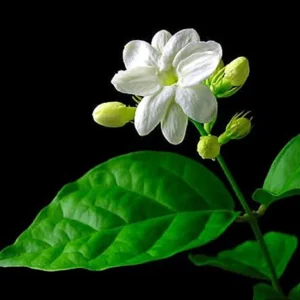
HousePlants
Arabian & Common Jasmine Live Plant Set, 10″ Height, Fragrant White Flowers, Indoor/Outdoor
Sold 77 products
Original price was: $171.80.$85.90Current price is: $85.90.
Sold 90 products
Original price was: $96.76.$48.38Current price is: $48.38.
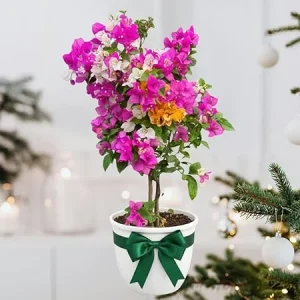
Sold 56 products
Original price was: $229.98.$114.99Current price is: $114.99.
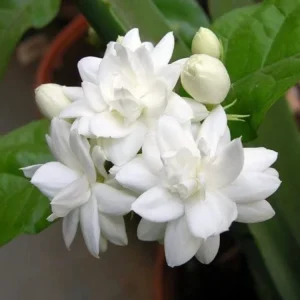
Sold 55 products
Original price was: $161.56.$80.78Current price is: $80.78.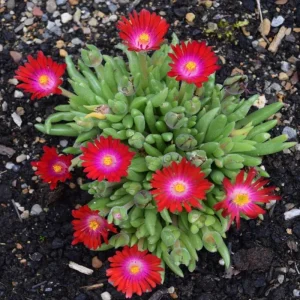
Sold 84 products
$48.38
Sold 91 products
Original price was: $77.98.$38.99Current price is: $38.99.
Flower Plants
Sold 93 products
Original price was: $45.96.$22.98Current price is: $22.98.
Sold 73 products
$87.98
Sold 77 products
Original price was: $91.98.$45.99Current price is: $45.99.
Sold 79 products
Original price was: $63.96.$31.98Current price is: $31.98.
Sold 57 products
Original price was: $44.99.$24.99Current price is: $24.99.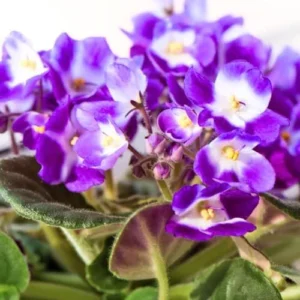
Flower Plants
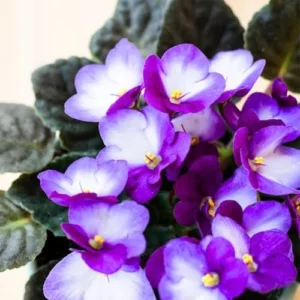
African Violet Live Plant Houseplant – Purple White Flower, 4 Inch Pot, Indoor Growing
Sold 84 products
Original price was: $79.98.$39.99Current price is: $39.99.
Sold 71 products
From $197.96

Flower Bulbs
Butterfly Double Mixed Daffodil Bulbs – 5 Pack, Multicolor, Perennial, Full/Partial Sun
Sold 93 products
Original price was: $75.96.$37.98Current price is: $37.98.
Sold 71 products
Original price was: $30.76.$15.38Current price is: $15.38.
Sold 81 products
Original price was: $147.16.$73.58Current price is: $73.58.


Reviews
There are no reviews yet.