
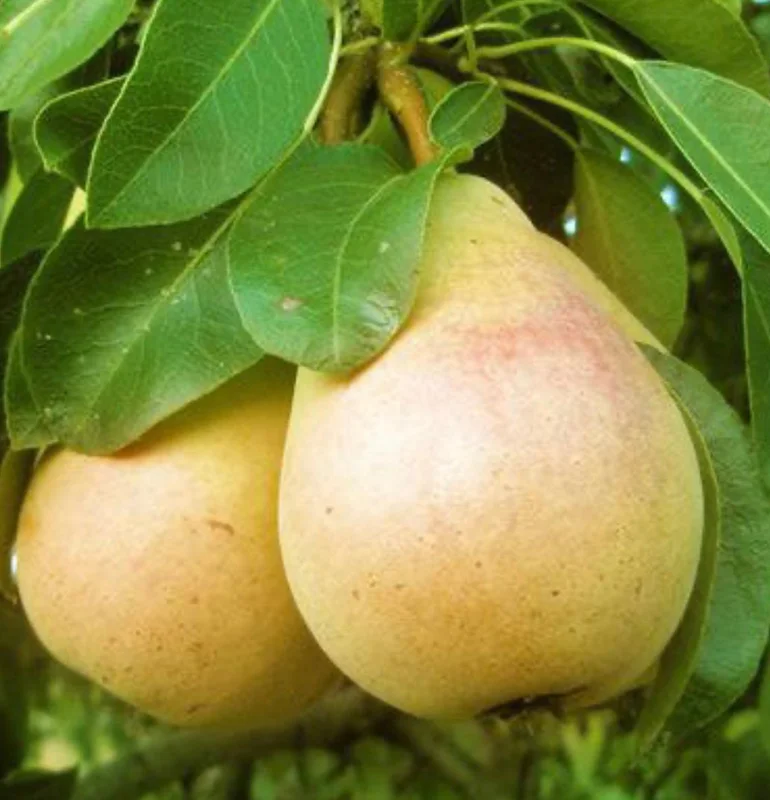
Pineapple Pear Tree Live Plant – 3 Feet Tall – 3 Gallon Pot – Sweet Fruit
Original price was: $283.96.$141.98Current price is: $141.98.
Bring home a unique and flavorful addition to your garden with this pineapple pear tree. Standing at 3 feet tall and shipped in a 3-gallon pot, this live plant is ready to thrive. Enjoy large, delicious fruit with a distinctive pineapple taste, ripening in late summer.
-
USDA Hardiness Zone
USDA Zones 5-9 -
Soil Type
Well-draining, loamy soil -
Sunlight Exposure
Full sun -
Expected Planting Period
Early spring or fall

You can track your order HERE
Mar 02
Mar 07 - Mar 09
Mar 12 - Mar 16
Shipping and return policies: Our Alive & Thrive Guarantee covers issues with your plants within the first 30 days. Reach out to us. Our team will answer your questions and help you find the plants that are truly suitable for your environment, climate, and personal preferences.

Overview
Cultivate your own orchard with the delightful pineapple pear tree. This particular variety is renowned for its large, flavorful fruit that offers a unique blend of sweetness with a hint of tropical pineapple. As a live plant, it arrives ready for planting, making it an excellent choice for both seasoned gardeners and those looking to start their fruit tree collection. The ‘Pineapple’ pear (Pyrus communis ‘Pineapple’) is a robust and productive fruit tree, known for its consistent yields and delicious, russet-colored fruit. Imagine picking your own sweet, juicy pears right from your backyard, perfect for fresh eating, canning, or baking. This pineapple pear tree is a fantastic investment for anyone who appreciates homegrown produce and the joy of nurturing a productive plant.
The pineapple pear tree is a deciduous fruit tree that thrives in various climates, producing beautiful white blossoms in spring before the fruit sets. Its unique flavor profile makes it a standout among other pear varieties. This tree is a long-term investment that will provide bountiful harvests for many years, enhancing your landscape with its beauty and productivity. For those searching to buy pear tree varieties with distinct characteristics, the ‘Pineapple’ pear is a top contender, offering both aesthetic appeal and a delicious harvest.
Key Benefits
Adding a pineapple pear tree to your garden offers numerous advantages, from its unique fruit to its ornamental value. This resilient tree is more than just a source of food; it’s a living, growing asset that contributes to the biodiversity and beauty of your outdoor space. Here are some of the key benefits:
- Unique Flavor Profile: Enjoy large pears with a distinct, sweet, and tangy pineapple-like flavor, setting them apart from traditional pear varieties. This makes for a delightful culinary experience.
- Abundant Harvests: Once established, your pineapple pear tree will consistently produce a generous crop of fruit, providing plenty for fresh consumption and preservation.
- Ornamental Value: Beyond its fruit, the tree offers attractive spring blossoms and lush green foliage, adding beauty to your landscape throughout the growing season.
- Homegrown Goodness: Experience the satisfaction of growing your own fruit, free from pesticides and chemicals often found in store-bought produce. You control the quality from tree to table.
- Versatile Use: The sweet pear fruit is excellent for eating fresh, canning, making preserves, baking pies, or even crafting refreshing beverages.
- Adaptable Growth: This pear tree is known for its adaptability to various soil types and climates, making it a reliable choice for many gardeners.
- Long-Term Investment: A well-cared-for pear tree can provide delicious fruit for decades, becoming a cherished part of your home and garden.
Plant Care & Growing Tips
Caring for your pineapple pear tree ensures a healthy plant and abundant harvests. Pears generally prefer a location with full sun, meaning at least 6-8 hours of direct sunlight per day. Good air circulation is also beneficial to prevent fungal diseases. When planting, choose a site with well-draining soil. While pear trees can tolerate various soil types, they thrive in loamy, fertile soil with a pH between 6.0 and 7.0. Amend heavy clay soils with organic matter to improve drainage and aeration. Dig a hole twice as wide as the root ball and just as deep, ensuring the graft union remains above the soil line.
Regular watering is crucial, especially during the first few years after planting and during dry spells. Aim for consistent moisture, but avoid waterlogging, which can lead to root rot. Deep watering encourages a strong root system. Fertilize your pineapple pear tree in early spring before new growth begins, using a balanced slow-release fertilizer or one formulated for fruit trees. Pruning is essential for maintaining tree health, shape, and fruit production. Annually prune in late winter while the tree is dormant, removing dead, damaged, or crossing branches, and thinning out crowded areas to improve light penetration and air circulation. Understanding pear tree care is vital for a thriving plant.
Protect young trees from pests and diseases by monitoring regularly and addressing issues promptly. Common pests include aphids and codling moths, while fire blight is a significant disease concern. Choose resistant varieties if available and practice good sanitation. The ‘Pineapple’ pear typically ripens in late summer, turning a distinctive russet pear color. Harvest when the fruit changes color and easily detaches from the branch with a gentle twist. Proper care will reward you with years of delicious fruit from your pineapple pear tree.
Size & Details
This pineapple pear tree is offered as a live plant, standing approximately 3 feet tall upon delivery. It is shipped in a 3-gallon nursery pot, providing a well-established root system for successful transplanting into your garden or a larger container. Pear trees typically have a moderate growth rate, reaching a mature height of 15-20 feet with a similar spread, though this can be managed with proper pruning. The fruit ripens in late summer, developing its characteristic russet color and sweet, pineapple-like flavor. Expect the tree to begin producing fruit within 3-5 years after planting, with yields increasing as the tree matures. This robust specimen is ideal for home gardeners looking for a reliable and productive fruit tree.
The 3-gallon pot size ensures the tree has a good head start, making it easier to establish in its new location. The sweet pear fruit is a highlight, offering a delightful harvest each year. Its manageable size at shipping makes it convenient to handle and plant. This pineapple pear tree is a valuable addition to any home orchard, promising years of delicious, homegrown fruit. While it is currently 3 feet tall, with proper care it will grow into a substantial, fruit-bearing tree.
Frequently Asked Questions
- Q: How big does this pineapple pear tree get at maturity? A: With proper care and pruning, a ‘Pineapple’ pear tree can reach a mature height of 15-20 feet and a similar spread. Regular pruning can help manage its size for smaller spaces.
- Q: What size pot does it come in? A: This pineapple pear tree is shipped as a live plant in a 3-gallon nursery pot, providing a healthy root system ready for transplanting.
- Q: Is this an indoor or outdoor plant? A: The pineapple pear tree is an outdoor fruit tree. It requires significant sunlight and space to grow and produce fruit effectively.
- Q: How much sunlight does it need? A: This pear tree thrives in full sun, meaning it needs at least 6-8 hours of direct sunlight per day to ensure optimal growth and fruit production.
- Q: Is this plant easy to care for? Is it good for beginners? A: Pear trees require moderate care, including regular watering, pruning, and occasional fertilization. With a good understanding of pear tree care, it can be a rewarding plant for beginners.
- Q: What condition will it arrive in? A: Your pineapple pear tree will arrive as a live plant, carefully packaged in its 3-gallon pot, with its root ball intact to minimize stress during transit.
- Q: How long until it starts producing fruit? A: Typically, a ‘Pineapple’ pear tree will begin bearing fruit within 3-5 years after planting, with harvests increasing as the tree matures and establishes itself.
- Q: When is the best time to plant this pear tree? A: The best time to plant a pineapple pear tree is in early spring or fall when the weather is cooler and less stressful for the plant, allowing it to establish its root system.
- Q: Will it survive winter in my zone? A: The ‘Pineapple’ pear tree is generally hardy in USDA Zones 5-9. Check your specific USDA zone to ensure it’s suitable for your climate.
- Q: What is the distinctive characteristic of the russet pear fruit from this tree? A: The fruit from this tree is known for its large size, sweet and tangy flavor with a pineapple-like note, and a beautiful russet-colored skin when ripe in late summer.
Be the first to review “Pineapple Pear Tree Live Plant – 3 Feet Tall – 3 Gallon Pot – Sweet Fruit”
People Also Viewed
Sold 76 products
Original price was: $23.98.$19.18Current price is: $19.18.
Flower Plants
Orange Mini Rose Bush Live Plant in 3” Pot – 3-5” Tall Miniature Rose for Home & Office
Sold 59 products
Original price was: $42.98.$21.49Current price is: $21.49.
Sold 76 products
Original price was: $147.16.$73.58Current price is: $73.58.
Sold 68 products
$43.98
Sold 70 products
Original price was: $147.16.$73.58Current price is: $73.58.
Sold 83 products
$54.98
Sold 54 products
Original price was: $47.96.$23.98Current price is: $23.98.
HousePlants
Purple Nepenthes Pitcher Plant Live – Exotic Tropical Houseplant for Indoor/Outdoor Décor
Sold 89 products
$65.98
Sold 88 products
Original price was: $135.80.$67.90Current price is: $67.90.
Sold 82 products
Original price was: $39.98.$31.98Current price is: $31.98.
Sold 51 products
From $59.80

Sold 85 products
Original price was: $39.96.$19.98Current price is: $19.98.
Sold 63 products
Original price was: $41.56.$20.78Current price is: $20.78.
Sold 57 products
From $50.00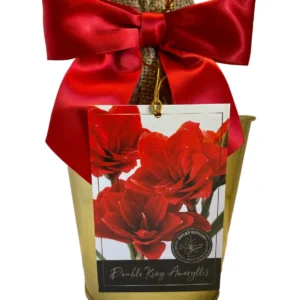
Flower Bulbs
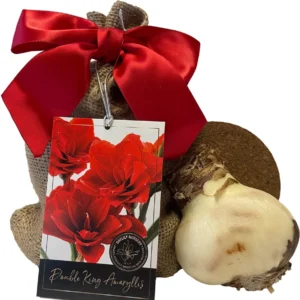
Amaryllis Double King Bulb Growing Kit – Gold Tin Pot, Professional Medium, 14-16cm Bulb, Indoor
Sold 55 products
Original price was: $107.80.$53.90Current price is: $53.90.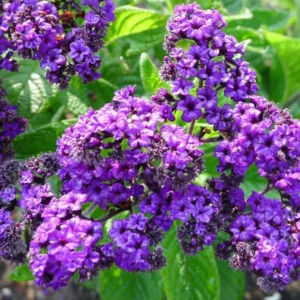
Flower Plants
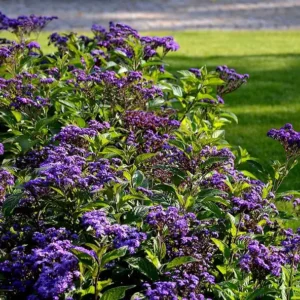
Heliotrope Fragrant Delight Live Plants – Set of 2, 3-6″ Tall, Violet Fragrant Flowers
Sold 62 products
Original price was: $41.97.$13.99Current price is: $13.99.
Sold 50 products
Original price was: $49.98.$24.99Current price is: $24.99.
Sold 67 products
Original price was: $391.96.$195.98Current price is: $195.98.


Reviews
There are no reviews yet.