
Pilea Glauca Plant – Blue Baby Tears Live Plant – 2.5 inch Pot – Indoor
Original price was: $25.56.$12.78Current price is: $12.78.
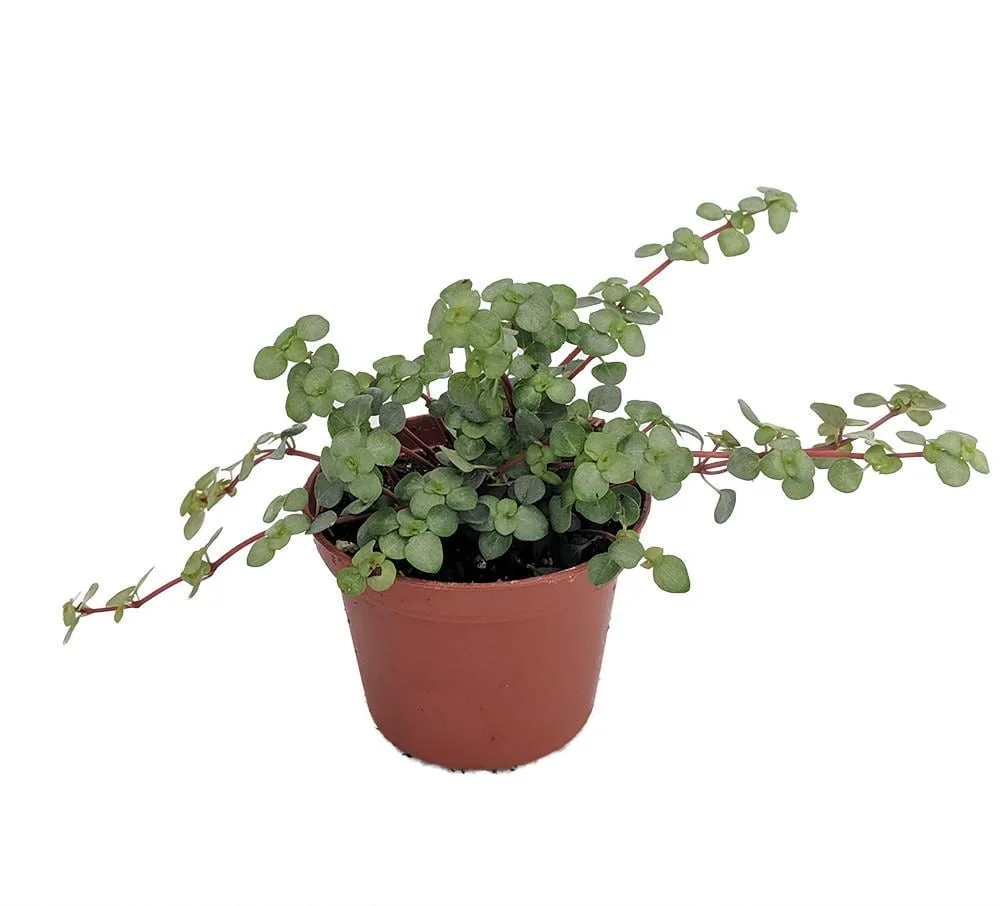
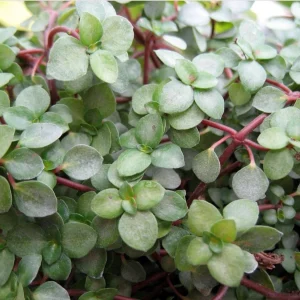
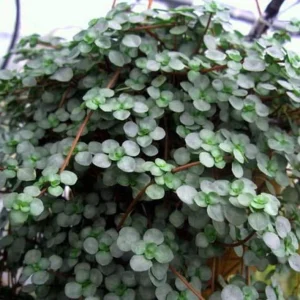
Introduce the charming pilea glauca live plant, also known as Blue Baby Tears, to your home. This delightful 2.5-inch potted plant features tiny blue-grey leaves with contrasting red stems, perfect for a windowsill or hanging basket. Renowned for being an easy indoor plant, it thrives in bright, indirect light and adds a touch of delicate beauty to any indoor space.
-
USDA Hardiness Zone
year-round indoors -
Soil Type
well-draining potting mix -
Sunlight Exposure
bright indirect light -
Expected Planting Period
year-round indoors

You can track your order HERE
Feb 28
Mar 05 - Mar 07
Mar 10 - Mar 14
Shipping and return policies: Our Alive & Thrive Guarantee covers issues with your plants within the first 30 days. Reach out to us. Our team will answer your questions and help you find the plants that are truly suitable for your environment, climate, and personal preferences.

Overview
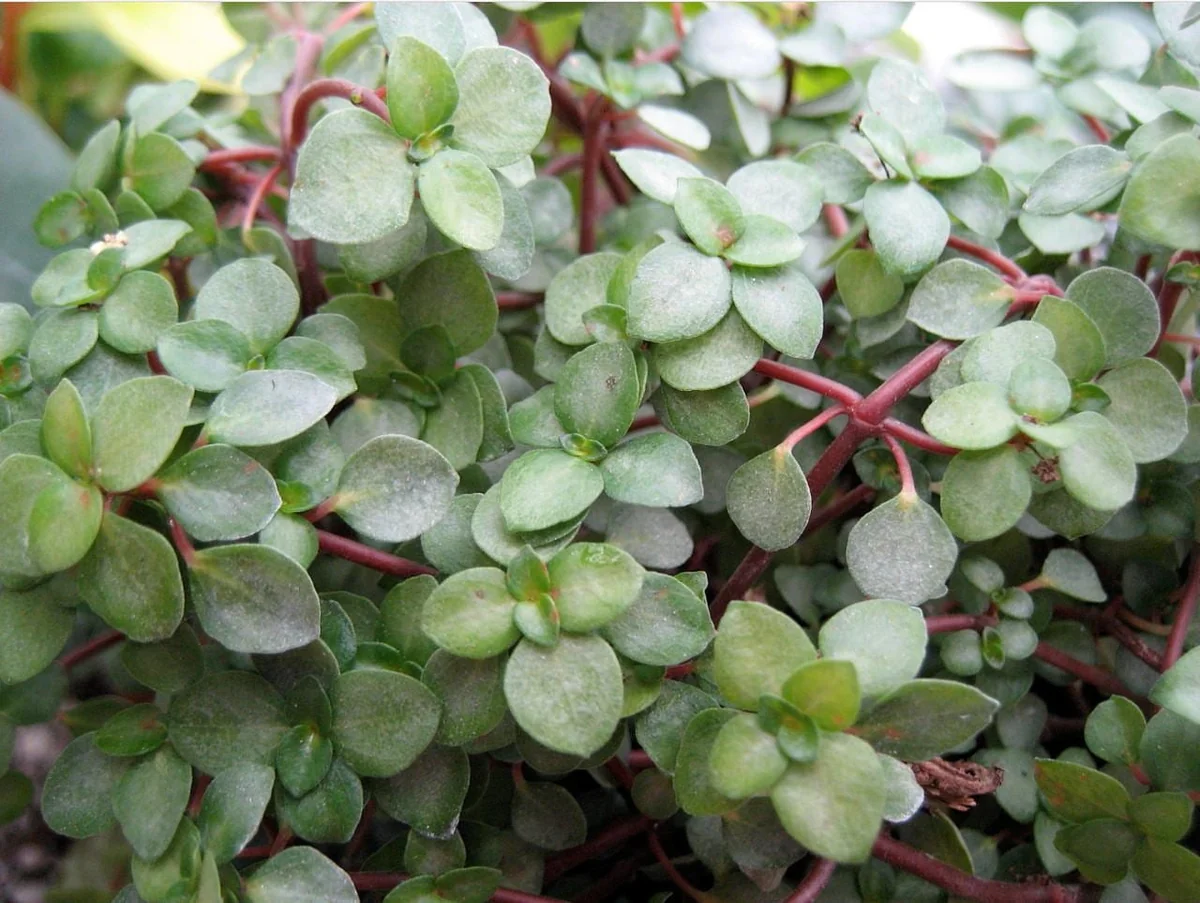
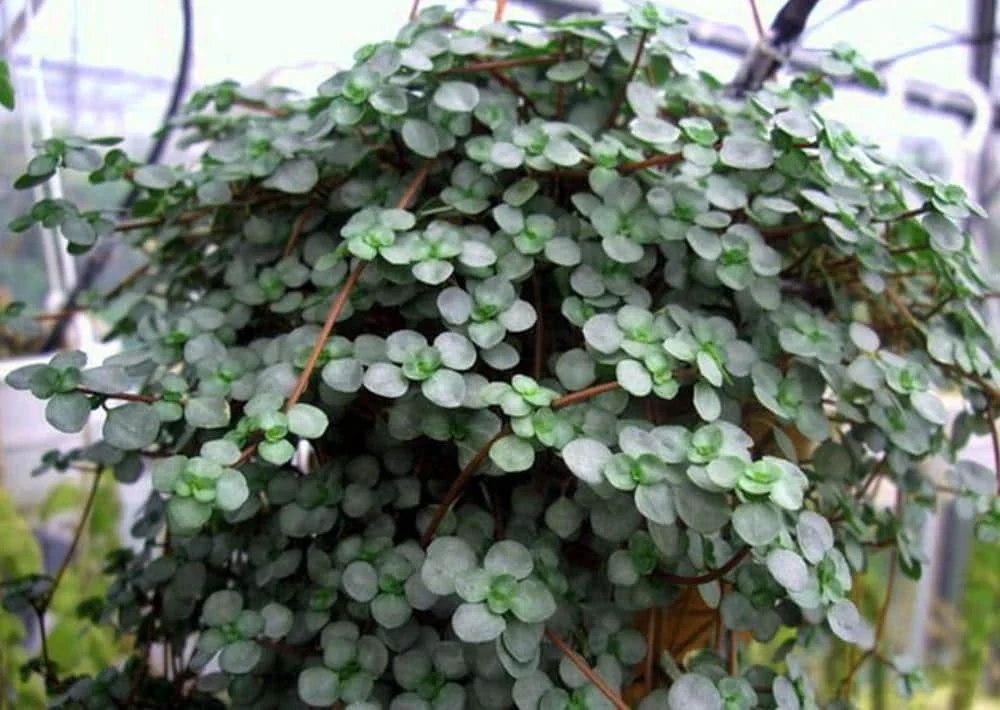
Immerse your home in natural beauty with the captivating pilea glauca live plant, commonly known as Blue Baby Tears or Red Stem Pilea. This miniature, trailing plant is celebrated for its delicate appearance, featuring a cascade of tiny, round, blue-green leaves that are beautifully contrasted by slender, reddish stems. Originating from tropical regions, Pilea glauca is a fantastic choice for adding a touch of vibrant greenery to small spaces, terrariums, or as an underplanting in larger arrangements. Its unique coloring and manageable size make it a favorite among houseplant enthusiasts looking for an attractive and relatively low-maintenance addition to their collection. This live plant arrives ready to thrive in a 2.5-inch pot, perfect for immediate display.
The common name ‘Biblical Job’s Tears’, though sometimes associated with this plant, more accurately refers to Coix lacryma-jobi, a different species entirely. For clarity and accuracy, we focus on its widely recognized names: Pilea Glauca live plant or Blue Baby Tears.
Key Benefits
The pilea glauca live plant offers numerous advantages, making it an excellent choice for both novice and experienced plant owners.
- Exceptional Decorative Appeal: Its unique blue-green foliage and red stems provide a stunning visual contrast, adding a delicate texture and pop of color to any interior decor. It’s perfect for creating miniature landscapes or enhancing existing plant displays.
- Compact & Versatile Size: Growing as a small, trailing plant, it’s ideal for windowsills, shelves, terrariums, or as a charming component in a hanging basket. Its modest size means it won’t overwhelm your space.
- Easy to Grow: Known as an easy indoor plant, the Pilea Glauca is forgiving and requires minimal fuss once its basic needs are met. This makes it an excellent choice for beginners.
- Air Purifying Qualities: Like many houseplants, it contributes to a healthier indoor environment by helping to filter and clean the air.
- Pet-Friendly: While always advisable to research specific plant toxicity, Pilea Glauca is generally considered non-toxic to pets, making it a safer choice for homes with furry friends.
- Vigorous Growth: With proper care, this plant can grow quite quickly, producing lush, dense foliage that can be easily pruned to maintain its desired shape and size.
- Great for Gifting: Its charming appearance and ease of care make it a thoughtful and delightful gift for plant lovers or those new to gardening.
Plant Care & Growing Tips
Caring for your Pilea Glauca live plant is straightforward, ensuring a healthy and vibrant display. This plant thrives in bright, indirect light. Avoid direct sunlight, especially the harsh afternoon sun, which can scorch its delicate leaves. An east-facing window or a few feet away from a south or west-facing window is often ideal. Consistent, even moisture is key for this plant. Water thoroughly when the top inch of soil feels dry to the touch, but ensure the pot has good drainage to prevent waterlogging, which can lead to root rot. Never let the plant sit in standing water, and avoid letting the soil dry out completely between waterings.
The pilea glauca care routine also includes providing high humidity, which mimics its native tropical environment. You can achieve this by placing the pot on a pebble tray filled with water, using a humidifier, or grouping it with other plants. A well-draining potting mix is essential. A standard houseplant mix amended with perlite or orchid bark for extra drainage works well. Fertilize sparingly during the growing season (spring and summer) with a balanced liquid fertilizer diluted to half strength. Pruning can be done as needed to maintain shape, encourage bushier growth, and propagate new plants from cuttings. This plant generally prefers warmer temperatures, ideally between 65-75°F (18-24°C), and should be protected from cold drafts.
Size & Details
This Pilea Glauca live plant is delivered in a 2.5-inch nursery pot, providing a perfect starting size for your indoor collection. The plant features delicate blue-green leaves and contrasting red stems, typically displaying a trailing or mounding growth habit. While its exact height and spread can vary, it generally remains a compact desk-friendly size, making it suitable for various indoor settings. With good blue baby tears plant care, it can quickly fill out its pot and begin to trail gracefully. It ships as a healthy, established plant, ready to adapt to its new home and begin its journey of growth and beauty.
Frequently Asked Questions
- Q: How big does this plant get? A: The pilea glauca live plant is a miniature, trailing plant. While its exact spread can vary, it typically remains compact, making it ideal for small spaces, and its vines can trail several inches.
- Q: What size pot does it come in? A: This Pilea Glauca is shipped in a 2.5-inch nursery pot, providing a healthy start for your new houseplant.
- Q: Is this an indoor or outdoor plant? A: This is primarily an indoor plant, thriving in typical household conditions. While it can be grown outdoors in very warm, humid, and shaded environments, it’s generally best kept as an indoor specimen in most climates.
- Q: How much sunlight does it need? A: The Pilea Glauca prefers bright, indirect light. Avoid direct sunlight, which can burn its delicate leaves. An east-facing window or a spot a few feet from a bright window is usually ideal.
- Q: Is this plant easy to care for? A: Yes, the Pilea Glauca is considered an easy indoor plant. With consistent watering and bright indirect light, it’s quite forgiving and suitable for beginners, making pilea glauca care relatively simple.
- Q: What condition will it arrive in? A: Your pilea glauca live plant will arrive carefully packaged, healthy, and established in its 2.5-inch nursery pot, ready to be placed in your home.
- Q: Is it pet-safe? A: Pilea Glauca is generally considered non-toxic to pets, making it a safer option for homes with cats and dogs. However, it’s always best to monitor pets around new plants.
- Q: What’s the best soil for Pilea Glauca? A: A well-draining potting mix is crucial. You can use a standard houseplant mix and amend it with perlite or orchid bark to enhance drainage and aeration for optimal blue baby tears plant care.
- Q: How often should I water my Pilea Glauca? A: Water when the top inch of soil feels dry to the touch. Keep the soil consistently moist but never soggy. Avoid letting the plant dry out completely.
- Q: What are these tiny blue leaves with red stems? A: These are the characteristic features of the Pilea Glauca, giving it its common name, Blue Baby Tears. The striking contrast is a key part of its appeal as a small houseplant.
Be the first to review “Pilea Glauca Plant – Blue Baby Tears Live Plant – 2.5 inch Pot – Indoor”
People Also Viewed
Sold 58 products
Original price was: $37.98.$18.99Current price is: $18.99.
Sold 70 products
Original price was: $32.00.$25.60Current price is: $25.60.
Sold 61 products
Original price was: $147.16.$73.58Current price is: $73.58.
Sold 50 products
Original price was: $54.36.$27.18Current price is: $27.18.
Sold 77 products
Original price was: $319.96.$159.98Current price is: $159.98.

Sold 59 products
Original price was: $19.16.$9.58Current price is: $9.58.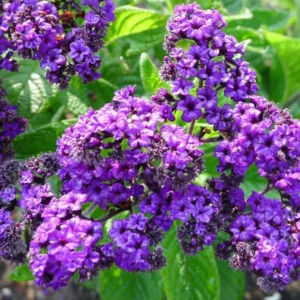
Flower Plants
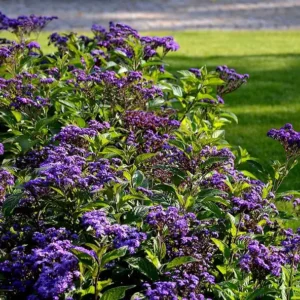
Heliotrope Fragrant Delight Live Plants – Set of 2, 3-6″ Tall, Violet Fragrant Flowers
Sold 76 products
Original price was: $41.97.$13.99Current price is: $13.99.
Sold 52 products
Original price was: $79.80.$39.90Current price is: $39.90.
Sold 88 products
From $107.80
Trees
Sold 72 products
Original price was: $43.20.$21.60Current price is: $21.60.
Sold 50 products
Original price was: $53.98.$26.99Current price is: $26.99.
Sold 87 products
Original price was: $43.99.$23.99Current price is: $23.99.
Sold 85 products
Original price was: $72.00.$36.00Current price is: $36.00.
Sold 77 products
Original price was: $35.98.$17.99Current price is: $17.99.
Sold 64 products
Original price was: $28.00.$22.40Current price is: $22.40.
Sold 55 products
From $99.80
Sold 66 products
From $19.00
Sold 77 products
From $19.00



Reviews
There are no reviews yet.