
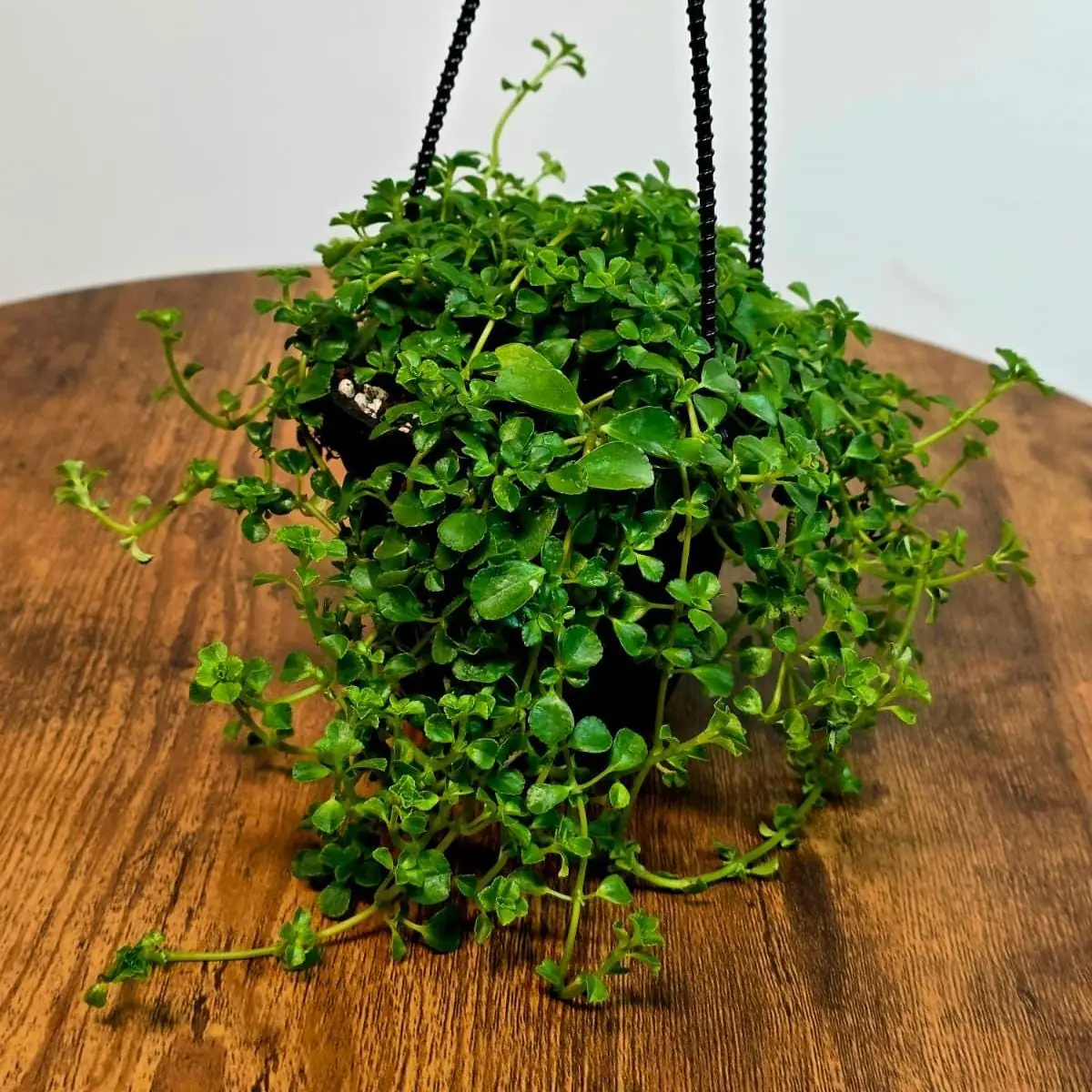
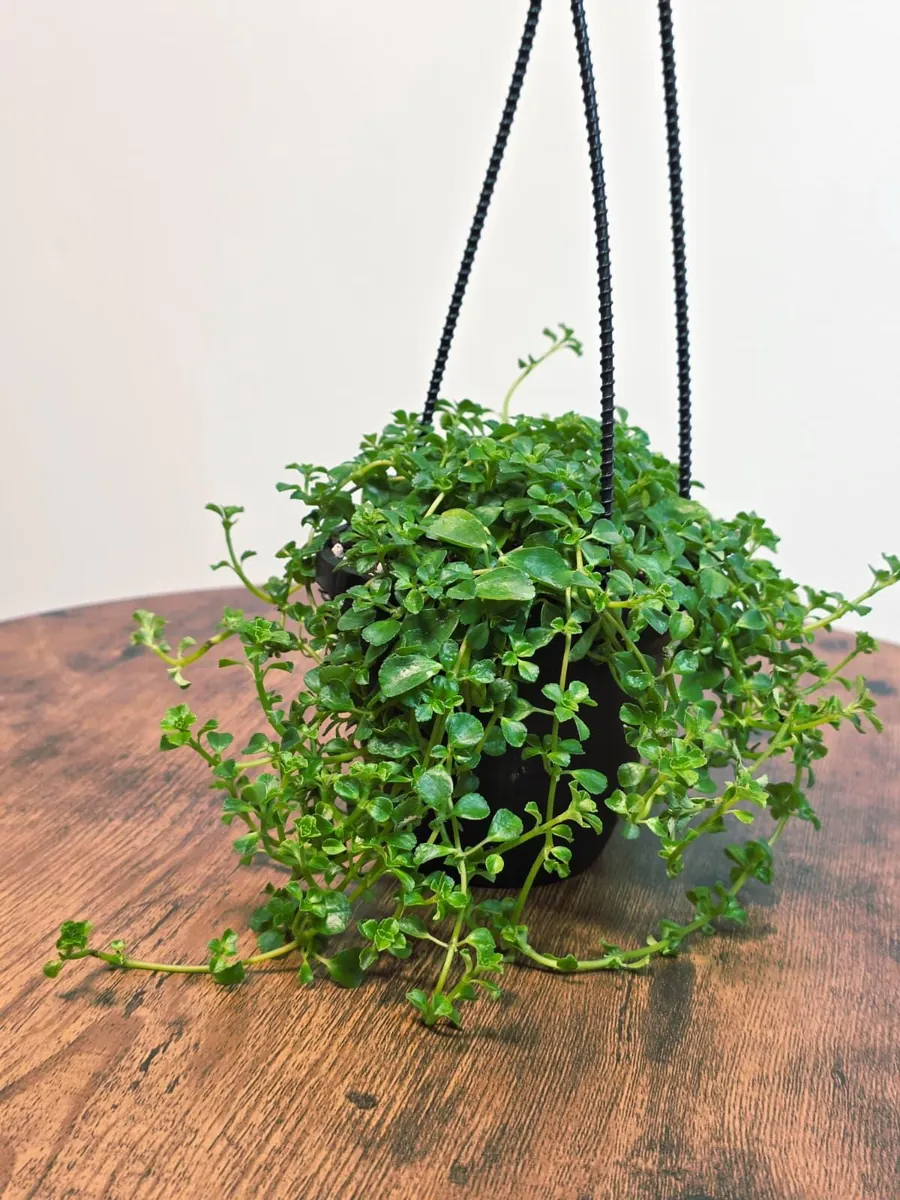
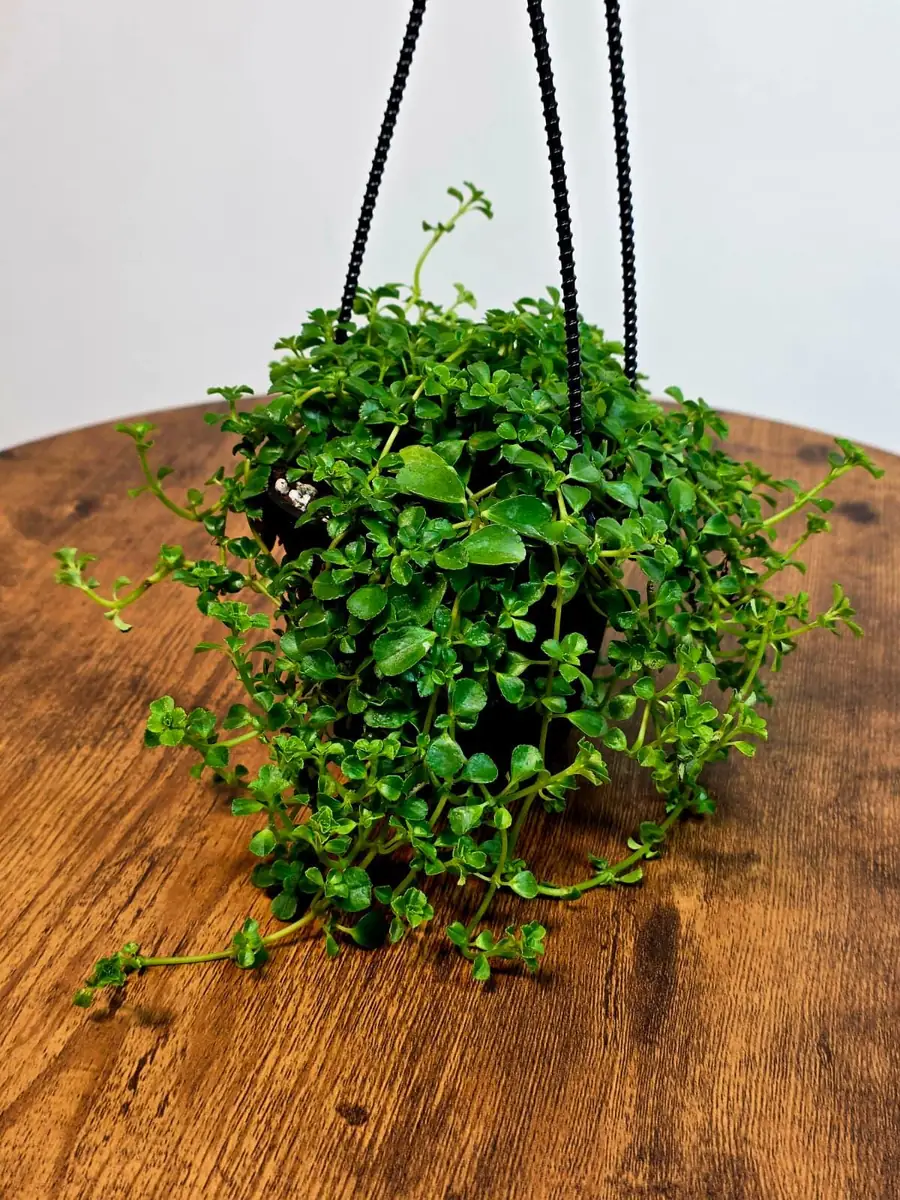
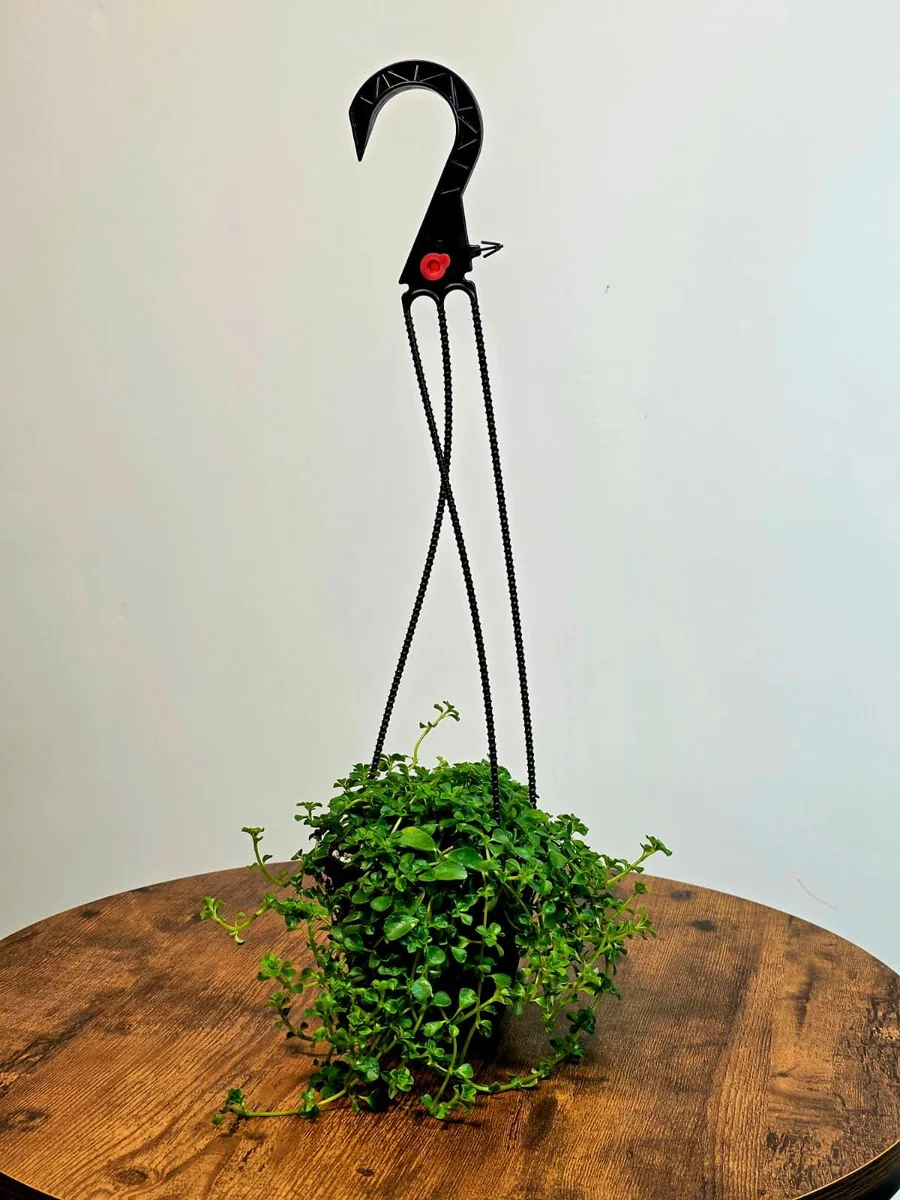
Pilea depressa Baby Tears Live Plant – 4″ Hanging Basket – Indoor Succulent Houseplant
Original price was: $79.92.$39.96Current price is: $39.96.
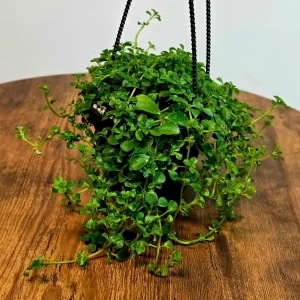
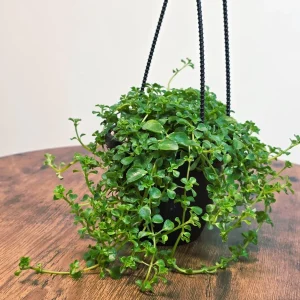
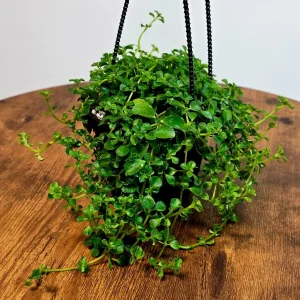
Bring charm to your home with the pilea depressa live plant, also known as ‘Baby Tears’. This delightful 4-inch potted plant is an easy care houseplant, ideal for hanging baskets or terrariums. Its cascading habit and tiny, round leaves create a lush, vibrant display perfect for any indoor space.
-
USDA Hardiness Zone
unknown -
Soil Type
well-draining potting mix -
Sunlight Exposure
bright indirect light -
Expected Planting Period
year-round indoors

You can track your order HERE
Mar 01
Mar 06 - Mar 08
Mar 11 - Mar 15
Shipping and return policies: Our Alive & Thrive Guarantee covers issues with your plants within the first 30 days. Reach out to us. Our team will answer your questions and help you find the plants that are truly suitable for your environment, climate, and personal preferences.

Overview
Introduce a touch of lush greenery to your indoor space with the exquisite pilea depressa live plant, affectionately known as ‘Baby Tears’. This captivating live plant is celebrated for its dense mat of tiny, round, succulent-like leaves that cascade gracefully over the edges of its pot, creating a stunning visual effect. Perfect as an easy care houseplant, the Pilea depressa is a versatile and charming addition to any plant collection, whether you’re a seasoned enthusiast or a novice gardener. Its vibrant green foliage brings a refreshing, natural aesthetic to desks, shelves, or hanging displays. This particular offering comes as a thriving live plant, ready to bring immediate beauty and life to your home. It’s an excellent choice for those seeking a low-maintenance yet highly rewarding botanical companion.
The Pilea depressa is a popular variety due to its charming appearance and adaptability. Its common name, ‘Baby Tears’, perfectly describes its diminutive, tear-shaped leaves that grow in profusion, forming a lush, carpet-like texture. Originating from the Caribbean and parts of Central and South America, this plant thrives in warm, humid environments, making it well-suited for indoor cultivation. Its trailing habit makes it an ideal candidate for hanging baskets, allowing its verdant stems to drape elegantly. It also excels as a groundcover in larger planters or as a delightful component in terrariums, where its love for humidity can be easily satisfied. This pilea depressa live plant is a testament to natural beauty and simple elegance.
Key Benefits
The pilea depressa live plant offers a multitude of benefits, making it a highly desirable choice for indoor gardeners. Its attractive appearance and straightforward care requirements contribute to its widespread appeal. Here are some of the key advantages of welcoming a ‘Baby Tears’ plant into your home:
- Aesthetic Appeal: The dense, trailing foliage of the ‘Baby Tears’ plant creates a captivating visual display. Its small, vibrant green leaves form a lush carpet, adding a serene and natural element to any room. It’s perfect for enhancing home decor with its organic beauty.
- Easy Care Houseplant: Known for its forgiving nature, the Pilea depressa is an excellent choice for beginners and busy individuals. It requires consistent moisture and bright, indirect light, but is generally low-maintenance compared to many other indoor plants, making it a truly easy care houseplant.
- Versatile Display Options: Its trailing growth habit makes it ideal for hanging baskets, allowing its stems to cascade beautifully. It also works wonderfully in terrariums, as a groundcover in larger pots, or simply placed on a shelf where its foliage can gently spill over.
- Air Purification: Like many houseplants, the ‘Baby Tears’ plant contributes to a healthier indoor environment by helping to filter airborne toxins and increasing oxygen levels, promoting a fresher and cleaner living space.
- Compact & Space-Saving: Despite its lush appearance, the Pilea depressa remains relatively compact, making it suitable for small apartments, offices, or any area where space is at a premium. Its dense growth provides a lot of greenery without taking up much room.
- Terrarium Plant Excellence: The plant’s preference for humidity and its small stature make it an outstanding terrarium plant. It thrives in the enclosed, moist environment of a terrarium, creating a miniature, self-sustaining ecosystem that is both beautiful and fascinating.
- Pet-Friendly Option: While always advisable to research specific plant toxicity, Pilea depressa is generally considered non-toxic to pets, making it a safer choice for households with curious cats and dogs, offering peace of mind to pet owners.
Plant Care & Growing Tips
Caring for your pilea depressa live plant is straightforward, making it an ideal choice for both novice and experienced plant enthusiasts. Understanding its basic needs will ensure your ‘Baby Tears’ thrives and continues to produce its beautiful, dense foliage. This indoor succulent plant requires consistent attention to light, water, and humidity to maintain its vibrant green appearance and trailing growth habit.
Light: Provide bright, indirect light for your Pilea depressa. It can tolerate some morning or evening sun, but direct, harsh sunlight should be avoided as it can scorch the delicate leaves. If growing indoors, an east or north-facing window is often ideal, offering ample light without the intensity of direct afternoon sun. Insufficient light can lead to leggy growth and duller foliage, while too much direct light can cause the leaves to turn yellow or brown. Rotating your plant periodically will ensure even growth.
Watering: The ‘Baby Tears’ plant prefers consistently moist soil, but it is crucial to avoid waterlogging. Water thoroughly when the top layer of the soil feels dry to the touch. Allow excess water to drain completely from the pot to prevent root rot. During warmer months or in drier environments, you may need to water more frequently. In cooler temperatures or during winter, reduce watering frequency. The key for happy baby tears plant care is balance – never let the soil dry out completely, but also ensure it’s not constantly soggy.
Humidity & Temperature: This plant absolutely loves high humidity, which mimics its tropical origins. To increase humidity, you can mist the plant regularly, place it near a humidifier, or set its pot on a tray filled with pebbles and water (ensure the pot doesn’t sit directly in the water). Maintain a temperature range between 60°F to 75°F (15°C to 24°C). It prefers slightly cooler temperatures within this range and should be protected from cold drafts or sudden temperature fluctuations. As a terrarium plant, these conditions are easily met.
Soil & Fertilization: Use a well-draining potting mix that retains some moisture, such as a peat-based or succulent soil mix. Good drainage is vital to prevent root issues. Fertilize your Pilea depressa every 2-4 weeks during the growing season (spring and summer) with a balanced liquid fertilizer diluted to half strength. Reduce or cease fertilization during fall and winter when the plant’s growth slows. Consistent feeding supports its vigorous growth and lush foliage. Regular baby tears plant care includes providing the right nutrients.
Size & Details
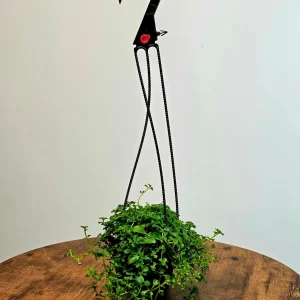
This offering is for one healthy pilea depressa live plant, commonly known as ‘Baby Tears’, provided in a 4-inch hanging basket (HB). The plant arrives established and actively growing, with its characteristic dense, cascading foliage. The 4-inch pot size is perfect for immediate display or for transplanting into a slightly larger decorative container or terrarium. While exact dimensions vary slightly with each individual plant, you can expect a vibrant specimen with stems already trailing over the pot’s edge, creating a lush, full appearance.
The Pilea depressa is a fast-growing plant under optimal conditions, quickly filling out its container and producing long, trailing stems that can extend several inches. This makes it an excellent choice for creating dynamic displays. It is shipped as a rooted, thriving plant, ensuring it is ready to flourish in its new home. The hanging basket format makes it easy to integrate into your indoor decor, providing an instant green accent. This indoor succulent plant is robust and resilient, prepared for its journey to you.
Frequently Asked Questions
- Q: How big does this pilea depressa live plant get? A: In a 4-inch pot, the plant will arrive with established growth and trailing stems. With good care, its stems can grow to several feet long, creating a beautiful cascading effect, though it can be pruned to maintain a desired size.
- Q: Is this an indoor succulent plant or can it be grown outdoors? A: While it can tolerate outdoor conditions in very warm, humid, and shaded environments (USDA Zones 10-11), it is primarily cultivated as an indoor plant in most climates due to its preference for consistent temperatures and high humidity.
- Q: How much sunlight does the ‘Baby Tears’ plant need? A: This plant thrives in bright, indirect light. Avoid direct, harsh sunlight, which can burn its delicate leaves. An east or north-facing window is usually ideal for optimal growth and leaf color.
- Q: Is this plant easy to care for, especially for beginners? A: Yes, the Pilea depressa is considered an easy care houseplant. Its main requirements are consistent moisture and indirect light, making it a forgiving and rewarding plant for those new to gardening.
- Q: What condition will the pilea depressa live plant arrive in? A: Your plant will arrive healthy and actively growing in its 4-inch hanging basket, carefully packaged to ensure its well-being during transit. It will be ready to display or repot upon arrival.
- Q: How often should I water my ‘Baby Tears’ plant? A: Water when the top inch of soil feels dry to the touch. The goal is consistently moist, but not waterlogged, soil. Watering frequency will depend on your home’s humidity and temperature.
- Q: Can I use this plant in a terrarium? A: Absolutely! The Pilea depressa makes an excellent terrarium plant due to its love for high humidity and its compact, trailing growth habit, which allows it to thrive in enclosed environments.
- Q: Is the Pilea depressa safe for pets? A: The Pilea depressa is generally considered non-toxic to pets, making it a safer option for households with cats and dogs. However, it’s always best to monitor pets around new plants.
- Q: What kind of soil is best for baby tears plant care? A: A well-draining potting mix that retains moisture is ideal. A peat-based or succulent soil mix works well, ensuring good drainage while preventing the soil from drying out too quickly.
- Q: Does this plant require high humidity? A: Yes, the ‘Baby Tears’ plant appreciates high humidity. Misting regularly, using a pebble tray, or placing it near a humidifier can help provide the ideal environment for its growth.
Be the first to review “Pilea depressa Baby Tears Live Plant – 4″ Hanging Basket – Indoor Succulent Houseplant”
People Also Viewed
Sold 96 products
$35.18
Sold 58 products
$54.98
Sold 100 products
Original price was: $355.96.$177.98Current price is: $177.98.
Sold 54 products
Original price was: $391.96.$195.98Current price is: $195.98.
Sold 65 products
Original price was: $44.00.$35.20Current price is: $35.20.
Sold 96 products
Original price was: $614.76.$307.38Current price is: $307.38.
Sold 52 products
Original price was: $99.80.$49.90Current price is: $49.90.
Sold 50 products
From $61.58

Sold 60 products
Original price was: $51.80.$25.90Current price is: $25.90.
Sold 92 products
Original price was: $39.98.$19.99Current price is: $19.99.
Sold 57 products
Original price was: $199.80.$99.90Current price is: $99.90.
Sold 81 products
From $47.80
Sold 100 products
Original price was: $144.00.$72.00Current price is: $72.00.
Sold 68 products
Original price was: $391.96.$195.98Current price is: $195.98.
Sold 62 products
Original price was: $91.98.$45.99Current price is: $45.99.
Sold 50 products
From $4.26
Sold 86 products
From $51.80
Sold 69 products
Original price was: $111.96.$55.98Current price is: $55.98.



Reviews
There are no reviews yet.