
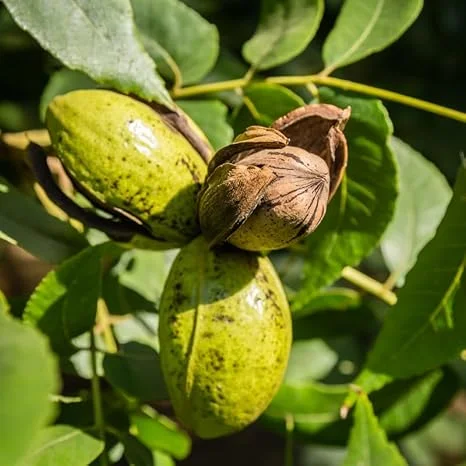
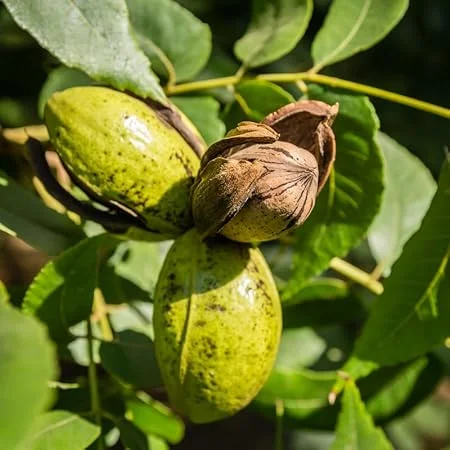
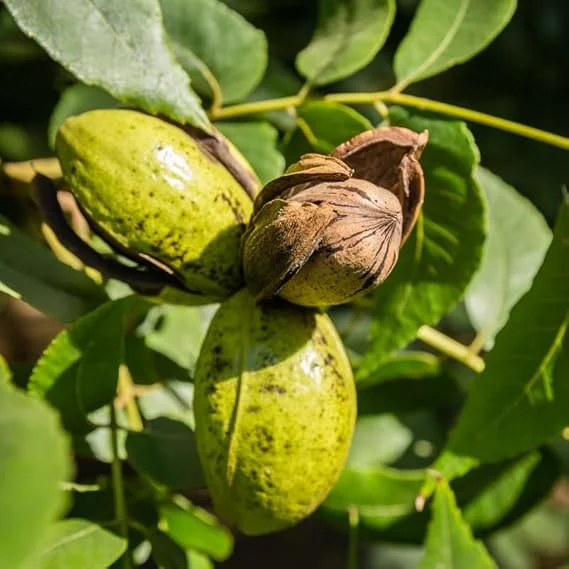
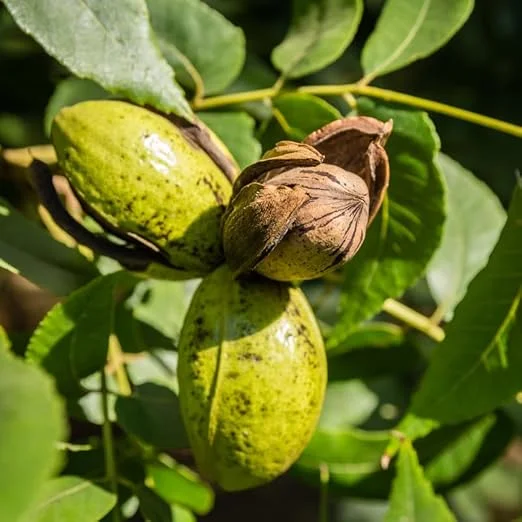
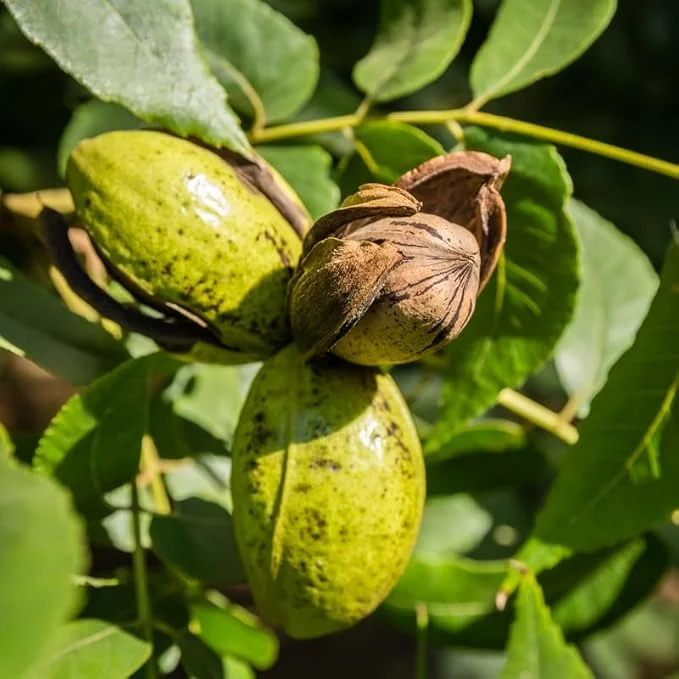
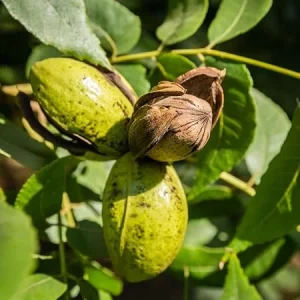
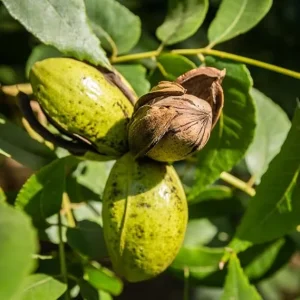
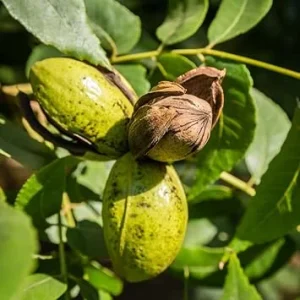
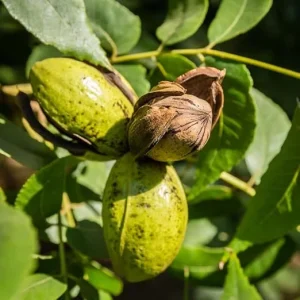
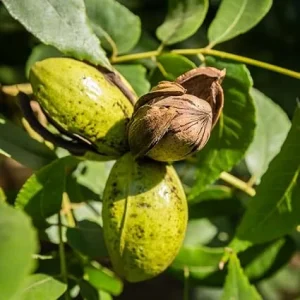
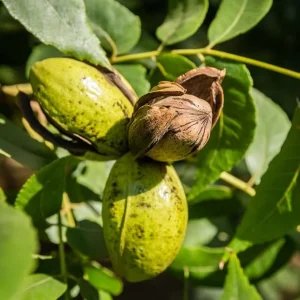
Pecan Tree Bare Root Seedlings – Set of 2 Live Plants, 1-2 Ft Tall, Hardy Perennial for Full Sun
Original price was: $45.98.$22.99Current price is: $22.99.
Cultivate your own delicious pecans with this set of pecan tree bare root seedlings. This pack includes two 1-2 ft tall live pecan tree plants, ideal for establishing a nut orchard or providing shade. These hardy perennials prefer full sun and well-drained soil, thriving in various landscapes.
-
USDA Hardiness Zone
5-9 -
Soil Type
Well-drained, loamy soil -
Sunlight Exposure
Full Sun -
Expected Planting Period
Late winter to early spring

You can track your order HERE
Apr 01
Apr 06 - Apr 08
Apr 11 - Apr 15
Shipping and return policies: Our Alive & Thrive Guarantee covers issues with your plants within the first 30 days. Reach out to us. Our team will answer your questions and help you find the plants that are truly suitable for your environment, climate, and personal preferences.

Overview
Embark on the rewarding journey of growing your own nuts with this exceptional offering of pecan tree bare root seedlings. This package includes two vigorous, 1-2 foot tall bare root pecan plants, ready to be established in your garden or orchard. Known scientifically as Carya illinoinensis, the pecan tree is a long-lived, deciduous tree celebrated for its delicious nuts and stately presence. These seedlings arrive leafless during their dormant winter state, which is the optimal time for planting bare root stock, ensuring a smooth transition and robust growth once spring arrives. Perfect for both novice and experienced gardeners, these trees will not only provide a bountiful harvest but also contribute significantly to your landscape’s aesthetic appeal, offering ample shade and a touch of natural elegance.
Our live pecan tree seedlings are carefully selected to provide you with healthy, strong foundation plants for your future pecan grove. Pecan trees are native to North America and are well-adapted to a variety of climates, making them a popular choice for home growers across many USDA zones. Investing in these bare root seedlings means you are planting a legacy, as pecan trees can produce nuts for many decades, becoming a cherished part of your property for generations to come. Prepare for a rewarding experience as you watch these young trees mature into magnificent nut-bearing giants.
Key Benefits
Planting these pecan tree bare root seedlings offers a multitude of advantages, transforming your outdoor space into a productive and beautiful environment. Here are some of the key benefits you can expect:
- Homegrown Pecans: Enjoy the unparalleled taste of fresh, homegrown pecans directly from your own trees. These nuts are not only delicious but also packed with nutrients, offering a healthy snack or ingredient for countless recipes.
- Long-Term Investment: Pecan trees are incredibly long-lived, often producing nuts for over 100 years. This makes them a fantastic long-term investment that provides both environmental and economic returns.
- Beautiful Landscape Addition: Beyond their nut production, pecan trees are magnificent shade trees, growing large and stately. They provide excellent canopy cover, reducing energy costs and creating a pleasant outdoor living space during hot summer months.
- Supports Wildlife: The nuts produced by a hardy pecan tree are a valuable food source for local wildlife, including squirrels, birds, and deer, contributing to the biodiversity of your ecosystem.
- Durable and Resilient: These seedlings are hardy perennials, meaning they are built to withstand various environmental conditions once established. They are known for their robust nature and ability to thrive with proper care.
- Environmental Benefits: Like all trees, pecan trees help improve air quality, reduce carbon dioxide, and prevent soil erosion, contributing positively to the local environment.
- Easy to Establish: As pecan seedlings, they are relatively easy to plant and establish, especially when started as bare roots during their dormant period, allowing them to quickly adapt to their new environment.
Plant Care & Growing Tips
To ensure your pecan tree bare root seedlings flourish, proper care and attention are crucial from the moment they arrive. Pecan trees thrive in conditions that mimic their natural habitat. Upon arrival, if you cannot plant immediately, keep the bare roots moist and cool, ideally in a dark place or temporarily “heeled in” with soil or damp sawdust. When planting, choose a site with at least 6-8 hours of direct sunlight daily. Full sun exposure is paramount for optimal growth and nut production. Dig a hole wide enough to accommodate the roots without bending them, and deep enough so that the root collar (where the roots meet the trunk) is at or slightly above ground level.
These trees prefer deep, fertile, well-draining soil. While they can tolerate a range of soil types, a loamy soil with a pH between 6.0 and 7.0 is ideal. Good drainage is essential to prevent root rot. Water thoroughly after planting and maintain consistent moisture, especially during the first few growing seasons. Young live pecan tree plants will need regular watering, particularly during dry spells, to establish a strong root system. Once established, they are somewhat drought-tolerant but will benefit from supplemental watering during extended dry periods. Pecan trees are hardy in USDA Zones 5-9, tolerating winter dormancy and hot summers.
Fertilization should begin after the first year of growth. Use a balanced fertilizer or one specifically formulated for nut trees, applying it in early spring. Follow package instructions for application rates. Pruning is generally minimal for young trees, focusing on removing any dead, damaged, or crossing branches to promote good air circulation and structural integrity. As the tree matures, you may prune to shape it and encourage stronger nut production. Watch out for common pests and diseases, and address them promptly. With diligent care, your hardy pecan tree will grow into a robust and productive specimen, allowing you to grow pecan nuts for years to come.
Size & Details
This product includes a set of two pecan tree bare root seedlings. Each seedling measures approximately 1-2 feet in height upon arrival. These bare root plants are shipped in their dormant state, typically leafless, which is the ideal condition for transplanting and ensures minimal stress on the plant. Pecan trees are known for their impressive mature size, eventually reaching heights of 70-100 feet with a similar spread, making them excellent shade trees. The growth rate can vary depending on environmental conditions, but with proper care, young trees can grow several feet per year.
When you grow pecan nuts, be aware that it takes several years for a pecan tree to begin producing nuts, typically between 6-10 years, though some varieties may start sooner. The size and form of these pecan seedlings make them easy to handle and plant, providing a strong foundation for future growth. Ensure you have adequate space for their mature size when selecting a planting location. These plants are shipped without leaves to preserve energy and facilitate successful transplantation.
Frequently Asked Questions
- Q: How big do these pecan tree bare root seedlings get? A: Each seedling arrives at 1-2 feet tall. Mature pecan trees can reach impressive heights of 70-100 feet with a similar spread, so ensure you have ample space for their mature size.
- Q: Is this an indoor or outdoor plant? A: These are outdoor plants. Live pecan tree plants require full sun and are intended for planting in gardens, orchards, or as large landscape trees.
- Q: How much sunlight does a hardy pecan tree need? A: Pecan trees require full sun, meaning at least 6-8 hours of direct sunlight per day, for optimal growth and nut production.
- Q: Is this plant easy to care for? A: While establishing, young pecan seedlings require consistent watering and proper site selection. Once established, they are relatively low-maintenance and quite hardy.
- Q: What condition will the pecan tree bare root plants arrive in? A: They will arrive as bare root plants, typically leafless, which is normal for dormant plants. The roots will be carefully packaged to retain moisture during transit.
- Q: When is the best time to plant these pecan tree bare root seedlings? A: The best time to plant bare root pecan trees is in late winter or early spring, during their dormant period, before new growth begins.
- Q: What USDA hardiness zones are suitable for growing pecan nuts? A: Pecan trees generally thrive in USDA Hardiness Zones 5-9, where they can experience cold winters for dormancy and warm summers for growth.
- Q: What kind of soil do these live pecan tree plants prefer? A: They prefer deep, fertile, well-draining soil, ideally with a pH between 6.0 and 7.0. Good drainage is crucial to prevent root issues.
- Q: How long until these pecan seedlings start producing nuts? A: It typically takes 6-10 years for a pecan tree to begin producing nuts, though this can vary by variety and growing conditions.
- Q: Do I need more than one pecan tree to get nuts? A: While some pecan varieties are self-pollinating, planting two or more different varieties can significantly improve cross-pollination and result in a much higher nut yield.
Be the first to review “Pecan Tree Bare Root Seedlings – Set of 2 Live Plants, 1-2 Ft Tall, Hardy Perennial for Full Sun”
People Also Viewed
Sold 80 products
Original price was: $45.98.$22.99Current price is: $22.99.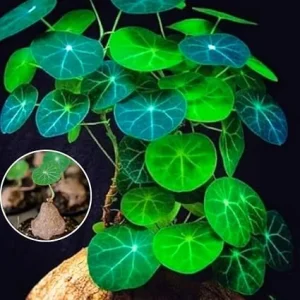
Succulents
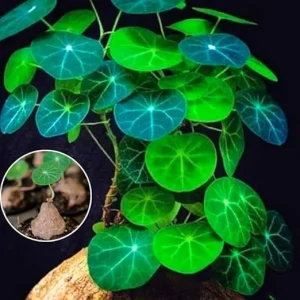
Stephania Cephalantha Caudex Live Plant – Rare Succulent – 2-2.5″ Wide Caudex – Indoor Decor
Sold 76 products
Original price was: $39.98.$19.99Current price is: $19.99.
Sold 87 products
Original price was: $35.98.$17.99Current price is: $17.99.

Sold 73 products
Original price was: $35.98.$17.99Current price is: $17.99.

Succulents
Variegated String of Hearts Live Plant, Ceropegia Woodii, Trailing Succulent, 2.5-inch Pot, Indoor
Sold 66 products
Original price was: $37.96.$18.98Current price is: $18.98.

Succulents
2-2.5 inch Stephania Cephalantha Caudex Live Plant – Rare Succulent for Home Decor, Sprouted
Sold 72 products
Original price was: $33.98.$16.99Current price is: $16.99.
Sold 100 products
Original price was: $53.98.$26.99Current price is: $26.99.
Sold 83 products
Original price was: $499.96.$249.98Current price is: $249.98.
Sold 65 products
Original price was: $57.98.$28.99Current price is: $28.99.
Herbs
Bay Leaf Live Plant 8-12″ Tall – Sweet Bay Laurel, Laurus Nobilis, 4″ Pot, Indoor/Outdoor Herb Tree
Sold 85 products
Original price was: $39.98.$19.99Current price is: $19.99.
Sold 95 products
Original price was: $45.98.$22.99Current price is: $22.99.
Sold 83 products
Original price was: $211.96.$105.98Current price is: $105.98.
Sold 54 products
Original price was: $45.98.$22.99Current price is: $22.99.
Sold 54 products
Original price was: $39.98.$19.99Current price is: $19.99.
Sold 58 products
Original price was: $283.96.$141.98Current price is: $141.98.
Sold 94 products
Original price was: $391.96.$195.98Current price is: $195.98.
Sold 85 products
Original price was: $319.96.$159.98Current price is: $159.98.
Sold 65 products
Original price was: $45.98.$22.99Current price is: $22.99.


Reviews
There are no reviews yet.