
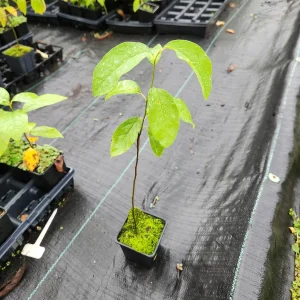
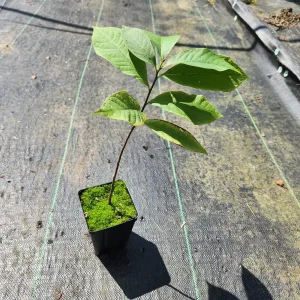
Paw Paw Plant (Asimina Triloba) Live Plant – 4″ Container, 6-12″ Tall
Original price was: $43.20.$21.60Current price is: $21.60.
Bring a taste of the tropics to your garden with a Paw Paw live plant (Asimina Triloba). This native fruit tree produces delicious, banana-like fruit and thrives in USDA zones 5-8. Perfect for naturalizing or as a unique edible landscape addition.
-
USDA Hardiness Zone
5-8 -
Soil Type
Moist, deep, fertile, well-draining soil -
Sunlight Exposure
Full sun to partial shade -
Expected Planting Period
Spring, Early Summer

You can track your order HERE
Mar 07
Mar 12 - Mar 14
Mar 17 - Mar 21
Shipping and return policies: Our Alive & Thrive Guarantee covers issues with your plants within the first 30 days. Reach out to us. Our team will answer your questions and help you find the plants that are truly suitable for your environment, climate, and personal preferences.

Overview
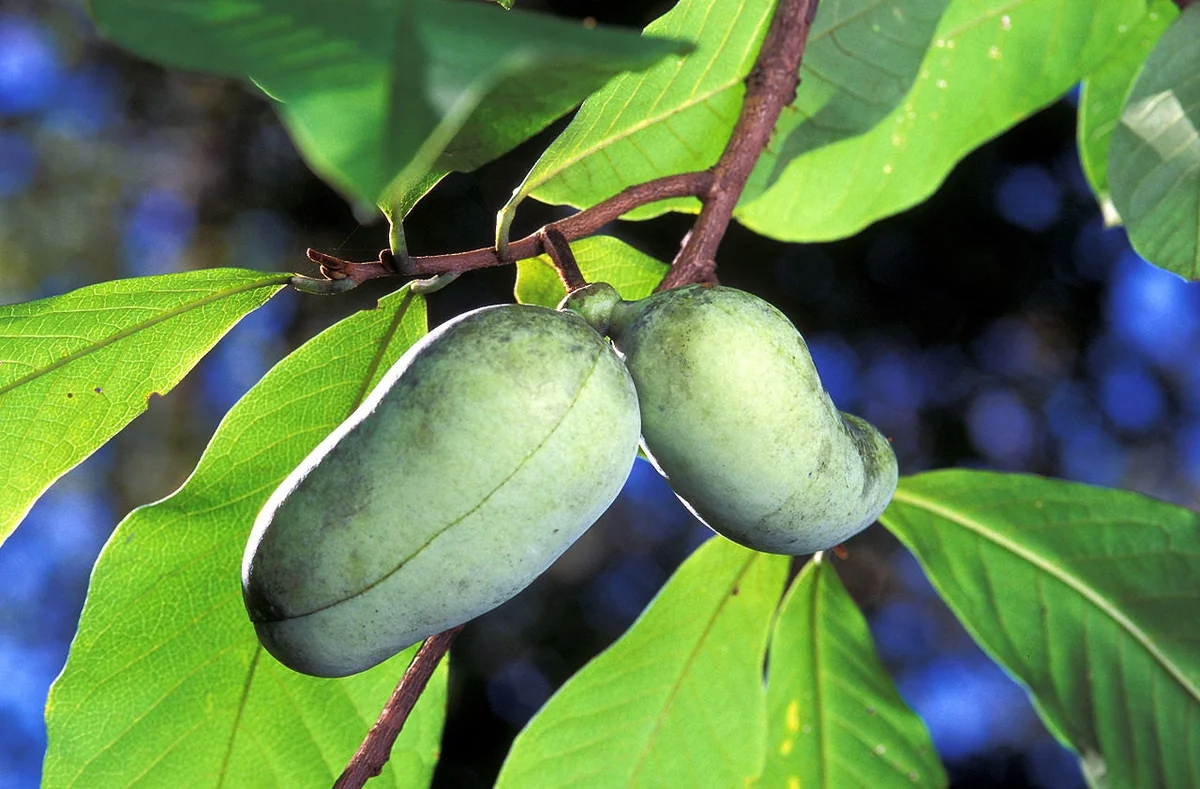
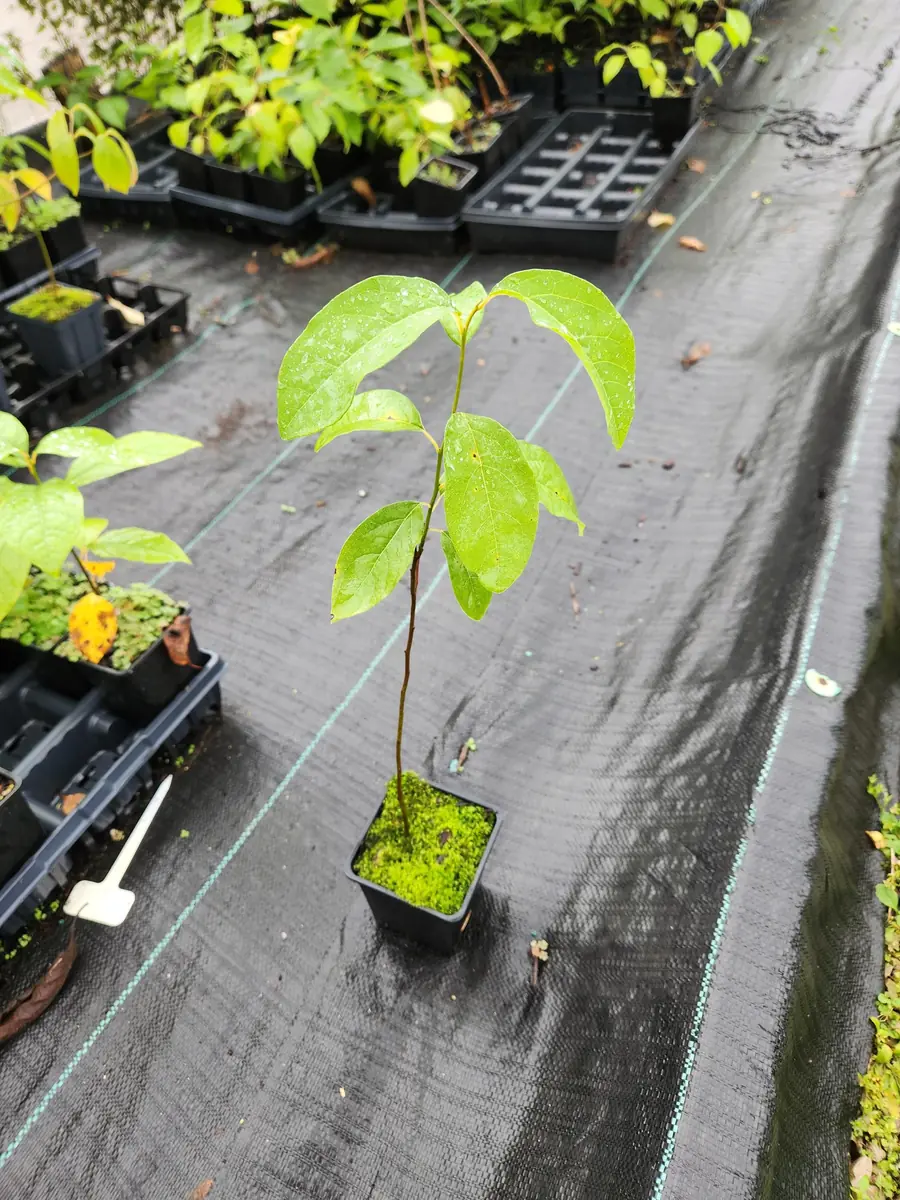
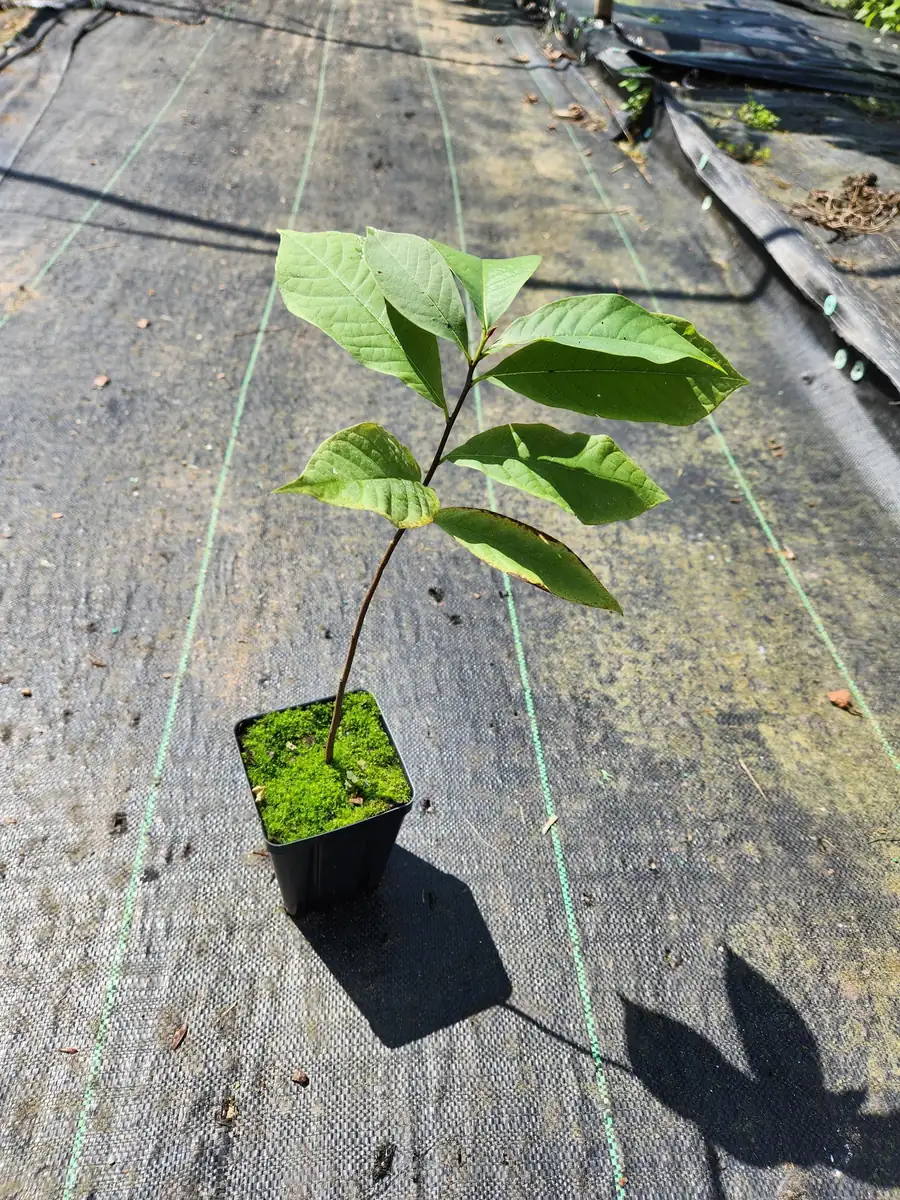
Discover the unique appeal of the Paw Paw live plant (Asimina Triloba), a fascinating native fruit tree that offers both ornamental beauty and delicious, edible fruit. Often referred to as the ‘poor man’s banana’ or ‘custard apple’, the Paw Paw is the largest edible fruit indigenous to the United States. This multi-stemmed shrub or small tree develops a dense, pyramidal or round-topped head, providing a semi-tropical appearance to any landscape. Our Paw Paw live plant is rooted in a 4-inch container and stands 6-12 inches tall, ready to establish itself in your garden. It’s an excellent choice for those looking to add a distinctive, low-maintenance fruit-bearing tree to their property, especially suitable for naturalizing in moist, deep soils along streams.
The Asimina Triloba is not just a fruit producer; it’s also a valuable addition to native plant ecosystems, attracting local wildlife. Its robust nature and adaptability make it a rewarding plant for gardeners across various experience levels. Embrace the opportunity to grow this unique North American treasure and enjoy its sweet, banana-like fruit straight from your own backyard. Growing a Paw Paw live plant is a journey into sustainable gardening and a connection to native flora.
Key Benefits
Adding a Paw Paw plant to your garden offers a wealth of advantages, from its unique fruit to its ecological contributions. This remarkable native tree is a truly rewarding investment for any gardener.
- Delicious Edible Fruit: Enjoy the rich, sweet, banana-like flavor of the Paw Paw fruit, a unique treat that’s edible for both humans and animals. Its greenish-yellow berries mature to a brownish-black, offering a distinctive taste.
- Native & Hardy: As a native tree, the Asimina Triloba for sale is well-adapted to local climates, thriving in USDA zones 5-8. This hardiness means less fuss and more resilience in various environmental conditions.
- Unique Ornamental Appeal: With its large leaves and semi-tropical appearance, the Paw Paw adds an exotic touch to your landscape, creating visual interest throughout the growing season. It forms an attractive multi-stemmed shrub or small tree.
- Wildlife Attraction: The fruit and foliage of the Paw Paw plant provide food and habitat for local wildlife, contributing to biodiversity in your garden. It’s a great way to support local ecosystems.
- Low Maintenance: Once established, this native fruit tree requires minimal care, making it an excellent choice for busy gardeners or those new to fruit cultivation. Its natural resilience reduces the need for extensive intervention.
- Naturalizing Potential: Ideal for naturalizing in moist, deep soils, especially along streams or in woodland-edge settings, helping to restore native habitats.
Plant Care & Growing Tips
Caring for your Paw Paw live plant is straightforward, especially since it’s a native species well-suited to many climates. For optimal growth, these trees prefer full sun to partial shade. While they can tolerate some shade, more sunlight generally leads to better fruit production. Young Paw Paw trees, particularly in their first year, benefit from some protection from intense afternoon sun. They thrive in moist, deep, fertile, and well-draining soils, ideally with a slightly acidic to neutral pH. When planting, ensure the site has good drainage to prevent root rot.
Watering is crucial, especially during dry spells and for young plants. Keep the soil consistently moist but never waterlogged. Once established, Paw Paws are relatively drought-tolerant but will perform best with regular moisture, especially when fruiting. Fertilize annually in spring with a balanced slow-release fertilizer or a good layer of compost. Pruning is generally minimal, focusing on removing dead or crossing branches to maintain good air circulation and shape. While generally robust, keep an eye out for common pests and diseases, though the paw paw plant care needs are typically low.
Paw Paws are self-incompatible, meaning you’ll need at least two genetically different trees for successful cross-pollination and fruit production. Consider planting another Asimina Triloba for sale to ensure a bountiful harvest of your edible paw paw fruit. Protection during harsh winters for very young trees in the colder parts of their zone range (5-6) can be beneficial, though established trees are quite hardy.
Size & Details
This offering is for one Paw Paw live plant (Asimina Triloba), carefully rooted and grown in a 4-inch container. Each plant stands approximately 6-12 inches in height, providing a robust start for your garden. Paw Paw trees are known for their medium growth rate, typically reaching a mature height of 15-20 feet, though some can grow taller. They develop a spreading canopy, making them an excellent choice for a small to medium-sized shade or fruit tree. The plant will be shipped in its nursery container with soil, ensuring minimal transplant shock upon arrival. Expect fruit production to begin within 3-5 years after planting, with increasing yields as the tree matures. The unique edible paw paw fruit matures in late summer to early fall, offering a delightful harvest.
Frequently Asked Questions
- Q: How big does this Paw Paw plant get? A: This Paw Paw live plant is currently 6-12 inches tall in a 4-inch container. At maturity, Paw Paw trees typically reach 15-20 feet in height and spread, though some can grow taller.
- Q: Is this an indoor or outdoor plant? A: The Paw Paw (Asimina Triloba) is an outdoor deciduous fruit tree. It requires a winter dormancy period and is not suitable for long-term indoor cultivation.
- Q: How much sunlight does a Paw Paw tree need? A: For best fruit production, Paw Paw trees prefer full sun (6+ hours direct sunlight). Young plants may benefit from partial shade to protect them from intense afternoon sun during their first year.
- Q: Is this plant easy to care for? A: Yes, paw paw plant care is relatively easy once established. They are native trees, making them quite hardy and low-maintenance, especially when planted in suitable conditions.
- Q: What condition will it arrive in? A: Your Paw Paw live plant will arrive well-rooted in its 4-inch nursery container with soil, carefully packaged to ensure its health during transit.
- Q: How long until it produces fruit? A: Paw Paw trees typically begin producing their delicious edible paw paw fruit within 3-5 years after planting, with production increasing as the tree matures.
- Q: Will it survive winter in my zone? A: This Paw Paw plant is hardy in USDA zones 5-8. If you are in these zones, it will survive winter outdoors. For zone 5, very young trees might benefit from some winter protection.
- Q: Do I need more than one Paw Paw tree for fruit? A: Yes, Paw Paw trees are generally self-incompatible, meaning you will need at least two genetically different Paw Paw plants for successful cross-pollination and fruit production. Consider another Asimina Triloba for sale.
- Q: What type of soil is best for Paw Paws? A: Paw Paws thrive in deep, moist, fertile, and well-draining soil with a slightly acidic to neutral pH. Avoid heavy, compacted soils.
- Q: Can I grow this Paw Paw live plant in a container long-term? A: While you can start it in a container, for optimal growth and fruit production, it’s best to transplant your native fruit tree into the ground. It can be grown in a very large container for a few years, but it will eventually outgrow it.
Be the first to review “Paw Paw Plant (Asimina Triloba) Live Plant – 4″ Container, 6-12″ Tall”
People Also Viewed
Sold 73 products
Original price was: $75.96.$37.98Current price is: $37.98.
Sold 57 products
Original price was: $136.00.$108.80Current price is: $108.80.
Sold 54 products
Original price was: $28.76.$14.38Current price is: $14.38.
Sold 70 products
Original price was: $95.96.$47.98Current price is: $47.98.
Sold 90 products
Original price was: $183.16.$91.58Current price is: $91.58.
Sold 82 products
Original price was: $139.96.$69.98Current price is: $69.98.
Sold 98 products
Original price was: $147.16.$73.58Current price is: $73.58.
Sold 78 products
Original price was: $18.98.$15.18Current price is: $15.18.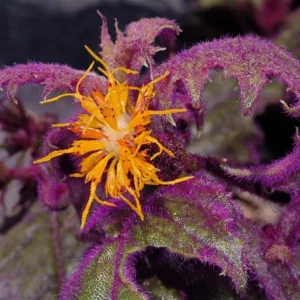
Flower Plants
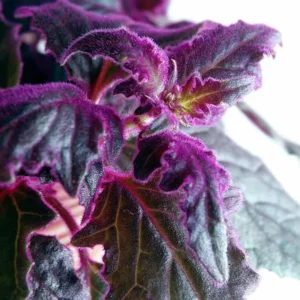
Purple Passion Plant Live – 2 Gynura Aurantiaca Plants, 4-9 Inch, Purple Velvet Royal Plant Indoor
Sold 90 products
Original price was: $49.98.$24.99Current price is: $24.99.
Sold 68 products
Original price was: $535.96.$267.98Current price is: $267.98.
Sold 88 products
Original price was: $73.98.$36.99Current price is: $36.99.
Sold 78 products
Original price was: $183.16.$91.58Current price is: $91.58.

Trees
Sold 70 products
Original price was: $25.98.$12.99Current price is: $12.99.
Sold 87 products
Original price was: $111.96.$55.98Current price is: $55.98.
Sold 93 products
Original price was: $283.96.$141.98Current price is: $141.98.
Sold 95 products
Original price was: $183.16.$91.58Current price is: $91.58.

Sold 59 products
Original price was: $54.36.$27.18Current price is: $27.18.
Sold 50 products
Original price was: $24.35.$7.74Current price is: $7.74.



Reviews
There are no reviews yet.