
Paw Paw “Indian Banana” Bare Root Plants – 2 Pack, 1-2 ft Tall, Outdoor Fruit Tree
Original price was: $39.96.$19.98Current price is: $19.98.
Cultivate a unique American native with our Paw Paw bare root plant 2-pack. These 1-2 ft tall Asimina triloba bare root seedlings offer delicious, banana-mango flavored fruit, perfect for outdoor gardens in USDA Zones 5-8. Enjoy your very own edible fruit tree.
-
USDA Hardiness Zone
USDA Zones 5-8 -
Soil Type
Well-drained, deep, fertile soil with slightly acidic to neutral pH -
Sunlight Exposure
Full sun to partial shade -
Expected Planting Period
Early spring

You can track your order HERE
Feb 28
Mar 05 - Mar 07
Mar 10 - Mar 14
Shipping and return policies: Our Alive & Thrive Guarantee covers issues with your plants within the first 30 days. Reach out to us. Our team will answer your questions and help you find the plants that are truly suitable for your environment, climate, and personal preferences.

Overview
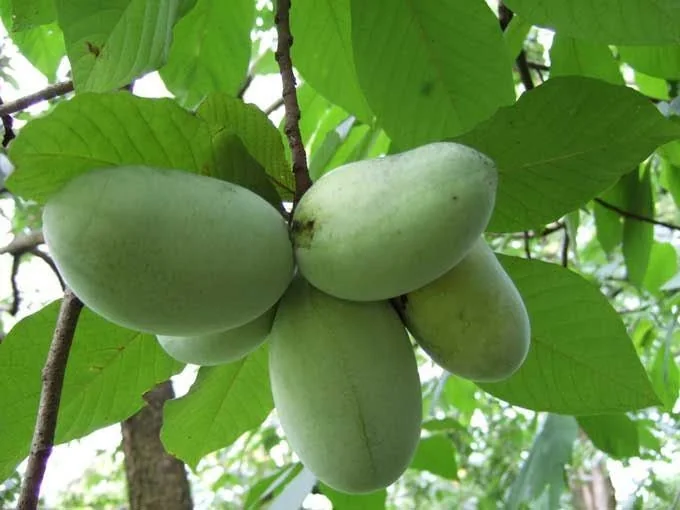
Embark on a rewarding gardening journey with the Paw Paw bare root plant, a fascinating and delicious native fruit tree known as ‘Indian Banana’. This offering includes two robust bare root seedlings, each standing 1-2 feet tall, perfect for establishing in your home garden. The Paw Paw, scientifically known as Asimina triloba, is celebrated for producing the largest edible fruit indigenous to the United States. Its unique flavor profile, often described as a sweet, custard-like blend of banana, mango, and pineapple, makes it a true culinary delight. Whether you’re a seasoned gardener or looking to expand your edible landscape, growing a Paw Paw fruit tree offers both ornamental beauty and a bountiful harvest. These trees are known for their resilience and ability to thrive in various conditions, making them a wonderful addition to many outdoor spaces.
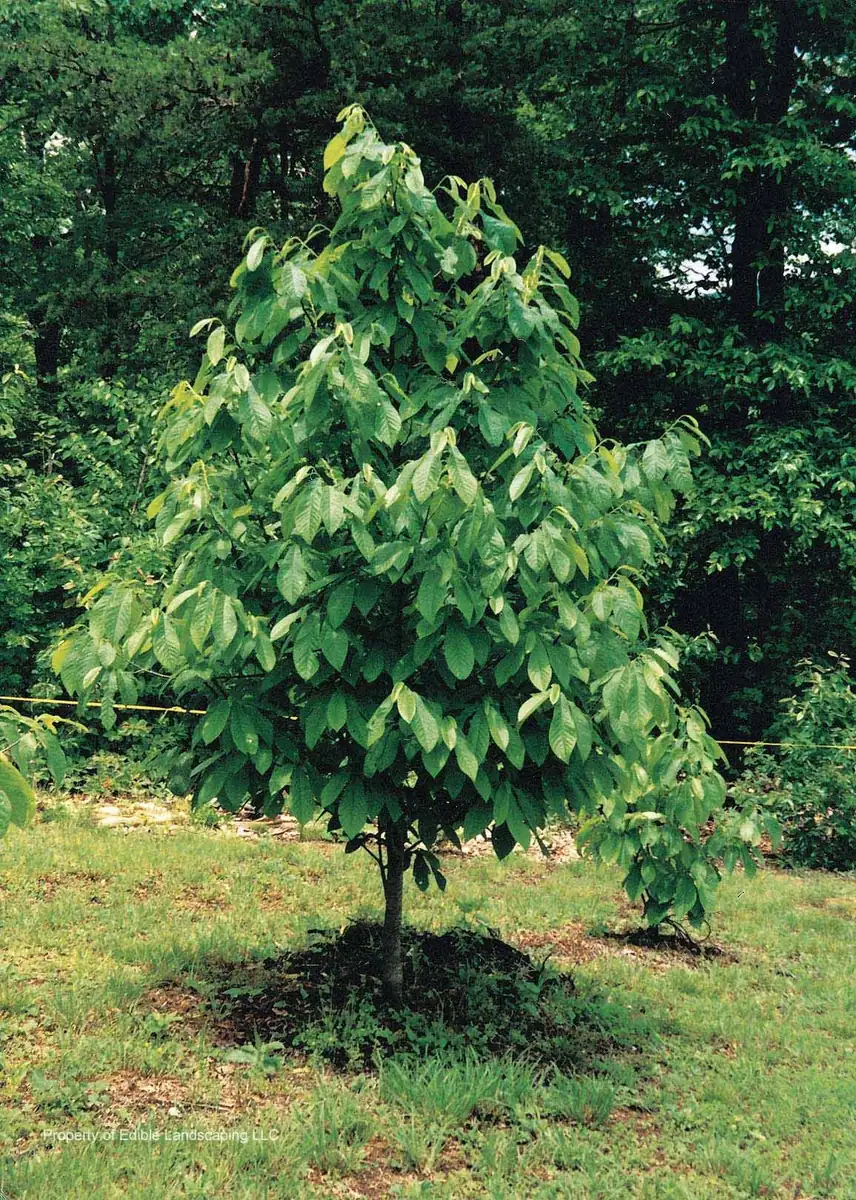
The Paw Paw is a patch-forming understory tree, naturally found in well-drained, deep, fertile bottomland and hilly upland habitats. Its large, simple leaves create an attractive canopy, and in the right conditions, it can become a significant feature in your landscape. This particular variety, often referred to as ‘Indian Banana,’ highlights the fruit’s tropical essence. Planting an Asimina triloba bare root is an excellent way to introduce a piece of American botanical history into your garden, providing not only delicious fruit but also supporting local biodiversity.
These Paw Paw bare root plants are shipped dormant, which is the ideal state for transplanting, ensuring they establish a strong root system in their new environment. Get ready to enjoy the unique taste of this exceptional edible fruit tree.
Key Benefits
Growing a Paw Paw bare root plant offers numerous advantages, blending aesthetic appeal with practical benefits for any gardener. These trees are a fantastic choice for those seeking unique, homegrown produce and a truly special addition to their landscape.
- Unique Edible Fruit: Enjoy the distinct, sweet, custard-like flavor of the Paw Paw fruit, reminiscent of banana, mango, and pineapple. It’s perfect for eating fresh, making ice cream, or incorporating into baked desserts, offering a truly special culinary experience from your own backyard. This edible fruit tree provides a harvest unlike any other.
- Native American Tree: Cultivate a piece of natural heritage. The Paw Paw is the largest edible fruit indigenous to the United States, making it an excellent choice for supporting native ecosystems and introducing unique flora to your garden. This native fruit tree contributes to local biodiversity.
- Hardy and Resilient: These native fruit tree bare root plants are typically robust and well-adapted to various climates within their USDA hardiness zones, requiring less intensive care once established compared to many other fruit trees. They offer reliable growth and fruit production.
- Attractive Foliage: Beyond its fruit, the Paw Paw tree boasts large, simple leaves that provide a lush, tropical appearance, adding significant ornamental value to your landscape throughout the growing season. The foliage turns a beautiful golden-yellow in autumn.
- Supports Local Wildlife: While primarily grown for human consumption, Paw Paw trees can also attract and support local wildlife, including butterflies and other pollinators, contributing to a healthy garden ecosystem.
- Low Maintenance Once Established: Once your Paw Paw fruit tree has settled into its new home, it generally requires minimal ongoing care, making it a rewarding choice for gardeners of all experience levels. Its natural resilience makes it easy to maintain.
- Sustainable Gardening Choice: By growing a native species like the Asimina triloba bare root, you contribute to sustainable gardening practices, promoting biodiversity and reducing the need for extensive resources often associated with non-native plants.
Plant Care & Growing Tips
Caring for your Paw Paw bare root plant is straightforward, especially once it’s established. Paw Paws thrive in USDA Zones 5-8, indicating good cold hardiness. They prefer a location with full sun to partial shade for optimal fruit production; however, they can tolerate more shade as understory trees, albeit with reduced fruiting. For the best fruit yield from your Paw Paw fruit tree, aim for at least 6 hours of direct sunlight per day. When planting, ensure your site has well-drained, deep, and fertile soil, ideally with a slightly acidic to neutral pH (6.0-7.0). Incorporating organic matter such as compost will significantly benefit their growth and provide essential nutrients. Dig a hole wide enough to accommodate the roots without bending and deep enough so the crown (where the roots meet the stem) is at soil level. Backfill gently, ensuring no air pockets, and water thoroughly immediately after planting.
Watering is crucial during the establishment phase, typically the first year or two after planting. Keep the soil consistently moist but never waterlogged, as this can lead to root rot. Once mature, Paw Paws are relatively drought-tolerant but will benefit from supplemental watering during prolonged dry spells, especially when fruiting to ensure plump, juicy harvests. Fertilize young trees sparingly with a balanced, slow-release fertilizer in early spring, following package instructions. Avoid high-nitrogen fertilizers, which can promote leafy growth at the expense of fruit development. Pruning is generally minimal, focusing on removing dead, damaged, or crossing branches to maintain good air circulation and shape. Young trees may benefit from some protection during their first few winters in colder zones, such as a tree guard or burlap wrap. Pay attention to pest and disease issues, though the Asimina triloba bare root is generally quite resistant. Remember that Paw Paws often require cross-pollination from a different genetic variety for optimal fruit set, so planting two different types or ensuring other Paw Paws are in the vicinity is beneficial for a good harvest from your native fruit tree.
Size & Details
This offering includes two Paw Paw bare root plant seedlings, each measuring between 1 and 2 feet in height upon arrival. These bare root plants are dormant, which is the ideal state for transplanting, allowing them to establish a strong root system in their new environment without the stress of active growth. Paw Paw trees are known for their moderate growth rate, typically reaching mature heights of 15-30 feet with a similar spread, forming a dense, pyramidal to rounded canopy, making them a significant feature in any landscape. The fruit production usually begins within 3-5 years after planting, with trees becoming more prolific as they mature, providing a consistent supply of delicious fruit. Each tree will develop large, simple leaves, providing a lush green appearance throughout the growing season, which then turns a vibrant yellow in autumn. They are shipped without soil, carefully packaged to ensure their health during transit, ready for immediate planting upon arrival. Expect vigorous growth once established, leading to delicious harvests from your very own edible fruit tree.
Frequently Asked Questions
- Q: How big do these Paw Paw bare root plants get? A: Each Paw Paw bare root plant seedling will arrive 1-2 feet tall. Once mature, Paw Paw trees typically grow to a height of 15-30 feet with a similar spread, forming a lovely, dense canopy, providing ample shade and fruit.
- Q: Is this an indoor or outdoor plant? A: The Paw Paw fruit tree is an outdoor plant. It is a deciduous tree that requires a period of dormancy and is best suited for planting directly in the ground in USDA Zones 5-8, where it can thrive and produce fruit.
- Q: How much sunlight does the Paw Paw tree need? A: For optimal fruit production, the Asimina triloba bare root prefers full sun to partial shade, meaning at least 6 hours of direct sunlight. While it can tolerate more shade, fruiting will be significantly reduced in shadier conditions.
- Q: Is this plant easy to care for? A: Once established, the Paw Paw tree is relatively low-maintenance. It requires consistent watering during its initial establishment phase and minimal pruning. It’s a great choice for gardeners looking for a unique, hardy native fruit tree.
- Q: What condition will the plants arrive in? A: You will receive two dormant Paw Paw bare root plant seedlings. They are shipped without soil, carefully packaged to ensure their health and readiness for planting upon arrival, ensuring a successful start.
- Q: When is the best time to plant these bare root Paw Paws? A: The best time to plant bare root Paw Paws is typically in early spring, as soon as the ground can be worked, before the trees break dormancy. This allows them to establish their root systems before the heat of summer.
- Q: Will this tree survive winter in my zone? A: The Paw Paw tree is hardy in USDA Zones 5-8. If you are within these zones, your native fruit tree should survive winter without special protection once established, though young trees may benefit from some winter protection in the colder parts of its range.
- Q: Do I need more than one Paw Paw tree for fruit? A: Yes, for optimal fruit production, it is highly recommended to plant at least two different genetic varieties of Paw Paw trees for cross-pollination. This will significantly increase your chances of a bountiful harvest from your edible fruit tree.
- Q: What kind of soil does a Paw Paw tree prefer? A: Paw Paw trees thrive in well-drained, deep, fertile soil with a slightly acidic to neutral pH. Amending heavy clay soils with organic matter can improve drainage and overall soil health, promoting vigorous growth.
- Q: How long until the Paw Paw tree produces fruit? A: You can typically expect your Paw Paw fruit tree to begin producing fruit within 3-5 years after planting, with production increasing as the tree matures and establishes itself in your garden.
Be the first to review “Paw Paw “Indian Banana” Bare Root Plants – 2 Pack, 1-2 ft Tall, Outdoor Fruit Tree”
People Also Viewed
Sold 100 products
Original price was: $109.98.$54.99Current price is: $54.99.
Sold 82 products
From $43.98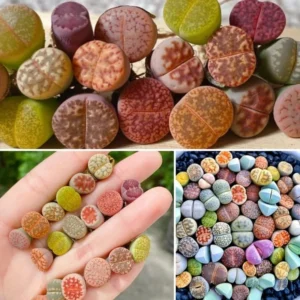
HousePlants
Lithops Live Plants Mix – 10 Large Colorful Living Stones Succulents for Indoor/Outdoor Growing
Sold 91 products
Original price was: $27.98.$13.99Current price is: $13.99.
Sold 88 products
Original price was: $90.34.$54.20Current price is: $54.20.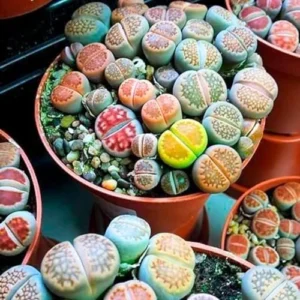
HousePlants
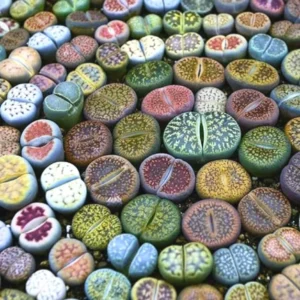
Lithops Live Plants Mix – 30 Colorful Succulents – Living Stones for Indoor/Outdoor Planting
Sold 80 products
Original price was: $65.98.$32.99Current price is: $32.99.
Sold 73 products
From $61.58
Sold 51 products
Original price was: $79.02.$39.51Current price is: $39.51.
Sold 79 products
Original price was: $65.58.$32.79Current price is: $32.79.
Sold 83 products
Original price was: $77.98.$38.99Current price is: $38.99.
Sold 81 products
Original price was: $37.78.$18.89Current price is: $18.89.
Sold 92 products
$156.99
Sold 56 products
$43.98

Flower Plants
Sold 69 products
Original price was: $66.72.$22.24Current price is: $22.24.
Sold 74 products
Original price was: $29.90.$14.95Current price is: $14.95.

Sold 85 products
Original price was: $391.96.$195.98Current price is: $195.98.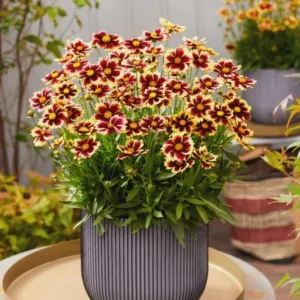
Flower Plants
Coreopsis Solar Eclipse Live Plant – Bicolor Red/Yellow, 3.5 inch Pot, Outdoor Perennial
Sold 53 products
From $43.80
Sold 87 products
Original price was: $140.00.$112.00Current price is: $112.00.
Sold 80 products
Original price was: $25.98.$20.78Current price is: $20.78.


Reviews
There are no reviews yet.