
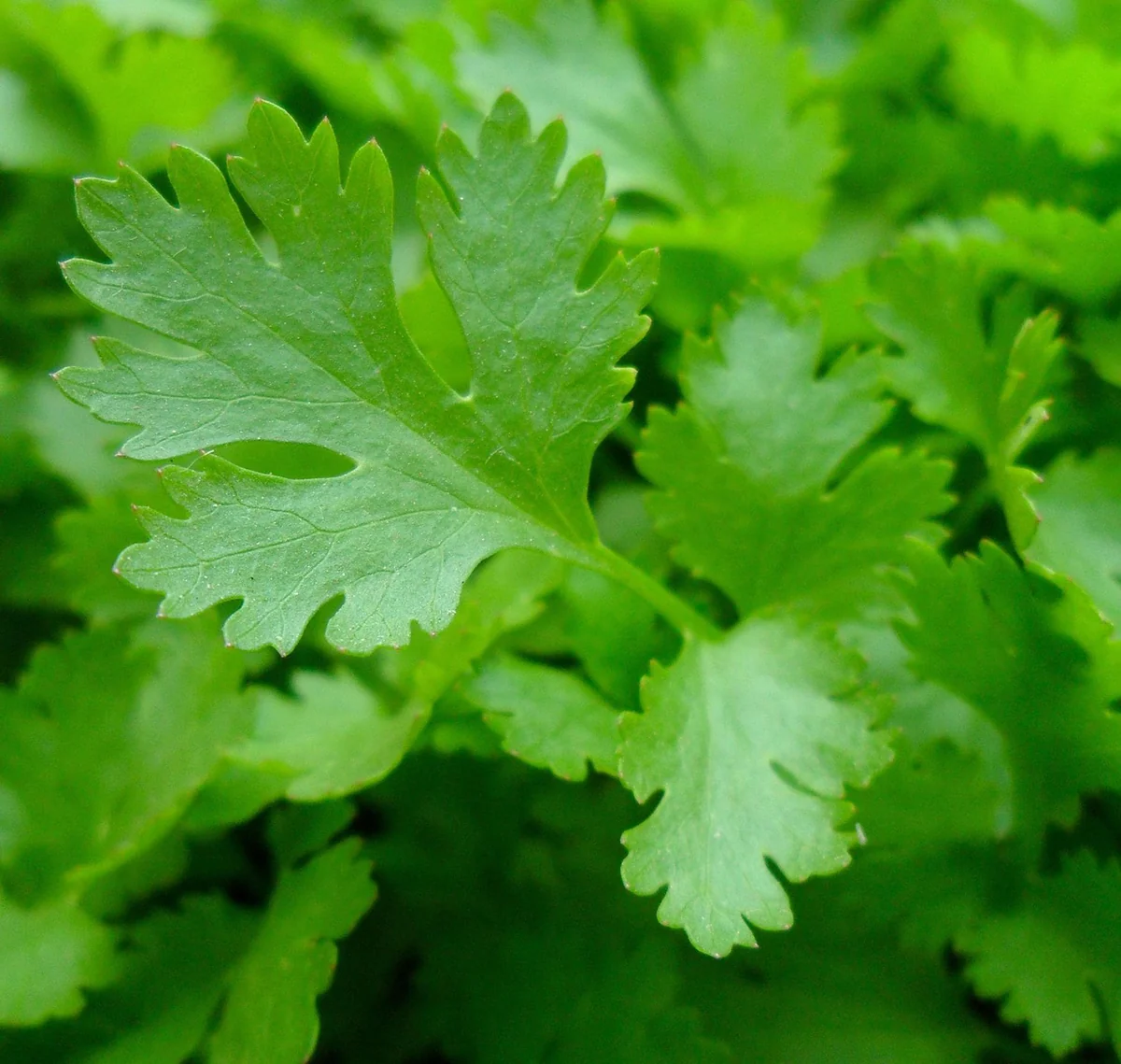
Parsley Live Herb Plant – 7″ Height, Easy to Grow, Culinary Herb, Outdoor
Original price was: $79.80.$39.90Current price is: $39.90.
Bring fresh flavor to your kitchen with this vibrant parsley live herb plant, standing 7″ tall. Ideal for culinary use, this easy-to-grow herb thrives outdoors in full sun or partial shade, making it a perfect addition to any garden or patio. Enjoy fresh leaves for cooking and garnishing.
-
USDA Hardiness Zone
USDA Zones 8-11 -
Soil Type
Well-draining, rich soil -
Sunlight Exposure
Full sun to partial shade -
Expected Planting Period
Spring to fall growing season

You can track your order HERE
Feb 28
Mar 05 - Mar 07
Mar 10 - Mar 14
Shipping and return policies: Our Alive & Thrive Guarantee covers issues with your plants within the first 30 days. Reach out to us. Our team will answer your questions and help you find the plants that are truly suitable for your environment, climate, and personal preferences.

Overview
Elevate your culinary creations with a thriving parsley live herb plant. Known for its fresh, vibrant flavor and bright green foliage, parsley (Petroselinum crispum) is a staple in kitchens worldwide. This particular plant measures approximately 7 inches in height, arriving ready to be transplanted into your garden or a larger pot on your patio. Parsley is not just a garnish; it’s a versatile herb packed with vitamins and antioxidants, making it a healthy and delicious addition to countless dishes. Whether you’re a seasoned gardener or just starting your herb journey, this parsley live herb plant offers an accessible and rewarding growing experience. Its lush leaves will provide a continuous supply of fresh flavor, enhancing everything from salads and soups to sauces and main courses. Embrace the joy of growing your own herbs and experience the unparalleled taste of freshly picked parsley.
This live plant ensures you get a head start on your herb garden, bypassing the germination phase and providing instant gratification. It’s a robust and healthy specimen, carefully nurtured to thrive in its new environment. The parsley live herb plant is perfect for anyone looking to add a touch of green and a burst of flavor to their home, offering both aesthetic appeal and practical use. It represents a commitment to fresh, homegrown ingredients, allowing you to control the quality and taste of your food right from your backyard or balcony.
Key Benefits
Adding a parsley live herb plant to your home offers numerous advantages, from culinary convenience to health benefits and garden aesthetics. This versatile herb is a must-have for any enthusiast:
- Fresh Culinary Flavor: Enjoy the distinct, fresh, and slightly peppery taste of homegrown parsley. It’s perfect for garnishing, flavoring stews, soups, salads, and more, offering a superior taste compared to dried alternatives.
- Rich in Nutrients: Parsley is a powerhouse of vitamins K, C, and A, as well as iron and antioxidants. Incorporating fresh parsley into your diet can contribute to overall health and well-being.
- Easy to Grow: This herb plant is known for its resilience and ease of cultivation. It’s an excellent choice for beginners and experienced gardeners alike, requiring minimal fuss once established.
- Aesthetic Appeal: The vibrant green, often curly or flat, foliage of parsley adds a beautiful, lush texture to any garden bed, herb garden, or container arrangement.
- Natural Air Freshener: While not as potent as some other plants, growing fresh herbs like parsley can contribute to a more pleasant aroma in your garden space.
- Attracts Beneficial Insects: Parsley flowers, when allowed to bloom, can attract beneficial insects like hoverflies and predatory wasps, which help control garden pests, making it a valuable companion plant.
- Continuous Harvest: With proper care, you can continuously harvest outer leaves, encouraging new growth and ensuring a steady supply of fresh parsley throughout the growing season. This makes for an efficient and rewarding experience for anyone interested in growing parsley herb at home.
Plant Care & Growing Tips
Caring for your parsley live herb plant is straightforward, ensuring a bountiful harvest of fresh leaves. Parsley thrives in conditions that mimic its natural Mediterranean habitat. For optimal growth, choose a location that receives either full sun (at least 6 hours of direct sunlight daily) or partial shade (4-6 hours of sunlight, especially protection from intense afternoon sun in hotter climates). In regions with very hot summers, partial shade is often preferred to prevent scorching. Ensure the soil is consistently moist but not waterlogged. Water thoroughly when the top inch of soil feels dry to the touch, which typically means watering 3-4 times a week, depending on temperature and humidity. Good drainage is crucial to prevent root rot, so consider adding organic matter to heavy clay soils or using a well-draining potting mix for containers.
Parsley prefers rich, well-draining soil with a pH between 6.0 and 7.0. Amend garden beds with compost or aged manure before planting. For container growing, a high-quality potting mix designed for herbs is ideal. The plant is hardy in USDA Zones 8-11, meaning it can often overwinter in these areas, providing continuous harvests. In colder zones, it is typically grown as an annual. Fertilize your fresh parsley plant every 4-6 weeks during the growing season with a balanced, organic liquid fertilizer or a slow-release granular product. Avoid over-fertilizing with nitrogen, as this can lead to lush foliage but weaker flavor. Watch out for common pests like aphids and spider mites, which can be controlled with insecticidal soap or neem oil. Harvesting regularly by snipping outer stems encourages new growth and maintains plant vigor, making it an excellent choice for an outdoor herb garden.
Size & Details
This parsley live herb plant arrives as a healthy specimen, approximately 7 inches in height from the base of the plant to the top of its foliage. It is typically grown in a 3.5-inch nursery pot, providing a strong root system ready for transplanting. While the initial height is 7 inches, parsley can grow to a mature height of 12-18 inches with a similar spread, depending on growing conditions and variety. The plant is shipped bare-root for California customers due to agricultural regulations, carefully wrapped to maintain moisture during transit to ensure it arrives in the best possible condition for transplanting. For other states, it usually ships in its original nursery pot, ready to be placed in a larger container or directly into your garden bed. Expect a moderate growth rate, with leaves ready for harvest within a few weeks of planting. This plant is perfect for those looking for easy grow herbs.
Frequently Asked Questions
- Q: How big does this plant get? A: This parsley live herb plant arrives at approximately 7 inches tall. With proper care, it can grow to a mature height of 12-18 inches and spread similarly, providing a generous supply of fresh leaves.
- Q: Is this an indoor or outdoor plant? A: Parsley thrives outdoors in full sun to partial shade. While it can be grown indoors with sufficient light, it generally performs best as an outdoor herb garden plant where it can receive ample sunlight and good air circulation.
- Q: How much sunlight does it need? A: For optimal growth, parsley requires at least 6 hours of direct sunlight daily (full sun). In very hot climates, it benefits from partial shade, protecting it from intense afternoon sun.
- Q: Is this plant easy to care for? A: Yes, parsley is considered one of the easy grow herbs. It requires consistent moisture and good drainage but is generally low-maintenance, making it suitable for both beginner and experienced gardeners.
- Q: What condition will it arrive in? A: The plant will arrive healthy and ready for transplanting. For California customers, it will be shipped bare-root due to state agricultural regulations; for other states, it will typically arrive in its nursery pot.
- Q: Can I use parsley in cooking? A: Absolutely! This fresh parsley plant is ideal for all your culinary needs. Its leaves are perfect for garnishing, flavoring soups, stews, salads, sauces, and more, offering a vibrant, fresh taste.
- Q: How long until I can harvest the parsley? A: You can typically begin harvesting the outer leaves of your parsley live herb plant within a few weeks of planting, once the plant has established itself and started producing new growth.
- Q: What’s the best time to plant parsley? A: Parsley can be planted in spring after the last frost or in late summer for a fall harvest. As a live plant, it offers flexibility for planting when conditions are favorable for establishing the roots.
- Q: Will it survive winter in my zone? A: Parsley is hardy in USDA Zones 8-11, where it can often overwinter and continue to produce. In colder zones, it is typically grown as an annual and may die back with the first hard frost.
- Q: What type of soil does parsley prefer? A: Parsley prefers rich, well-draining soil with a slightly acidic to neutral pH (6.0-7.0). Amending the soil with compost will provide the necessary nutrients and improve drainage.
Be the first to review “Parsley Live Herb Plant – 7″ Height, Easy to Grow, Culinary Herb, Outdoor”
People Also Viewed
Sold 82 products
Original price was: $65.98.$32.99Current price is: $32.99.
Sold 67 products
Original price was: $71.90.$43.14Current price is: $43.14.
Sold 68 products
Original price was: $73.98.$36.99Current price is: $36.99.
Sold 68 products
Original price was: $136.00.$108.80Current price is: $108.80.
Sold 69 products
Original price was: $97.98.$48.99Current price is: $48.99.
Sold 79 products
Original price was: $100.00.$80.00Current price is: $80.00.
Sold 77 products
$59.38
Sold 98 products
From $43.98
Sold 55 products
Original price was: $110.72.$66.44Current price is: $66.44.
Sold 85 products
Original price was: $111.96.$55.98Current price is: $55.98.
Sold 56 products
Original price was: $131.80.$65.90Current price is: $65.90.
Sold 78 products
From $59.38
Sold 73 products
From $67.00
Sold 54 products
Original price was: $236.00.$118.00Current price is: $118.00.
Sold 50 products
$61.58
Sold 61 products
Original price was: $63.76.$31.88Current price is: $31.88.
Sold 100 products
Original price was: $59.78.$29.89Current price is: $29.89.
Sold 66 products
From $43.80



Reviews
There are no reviews yet.