
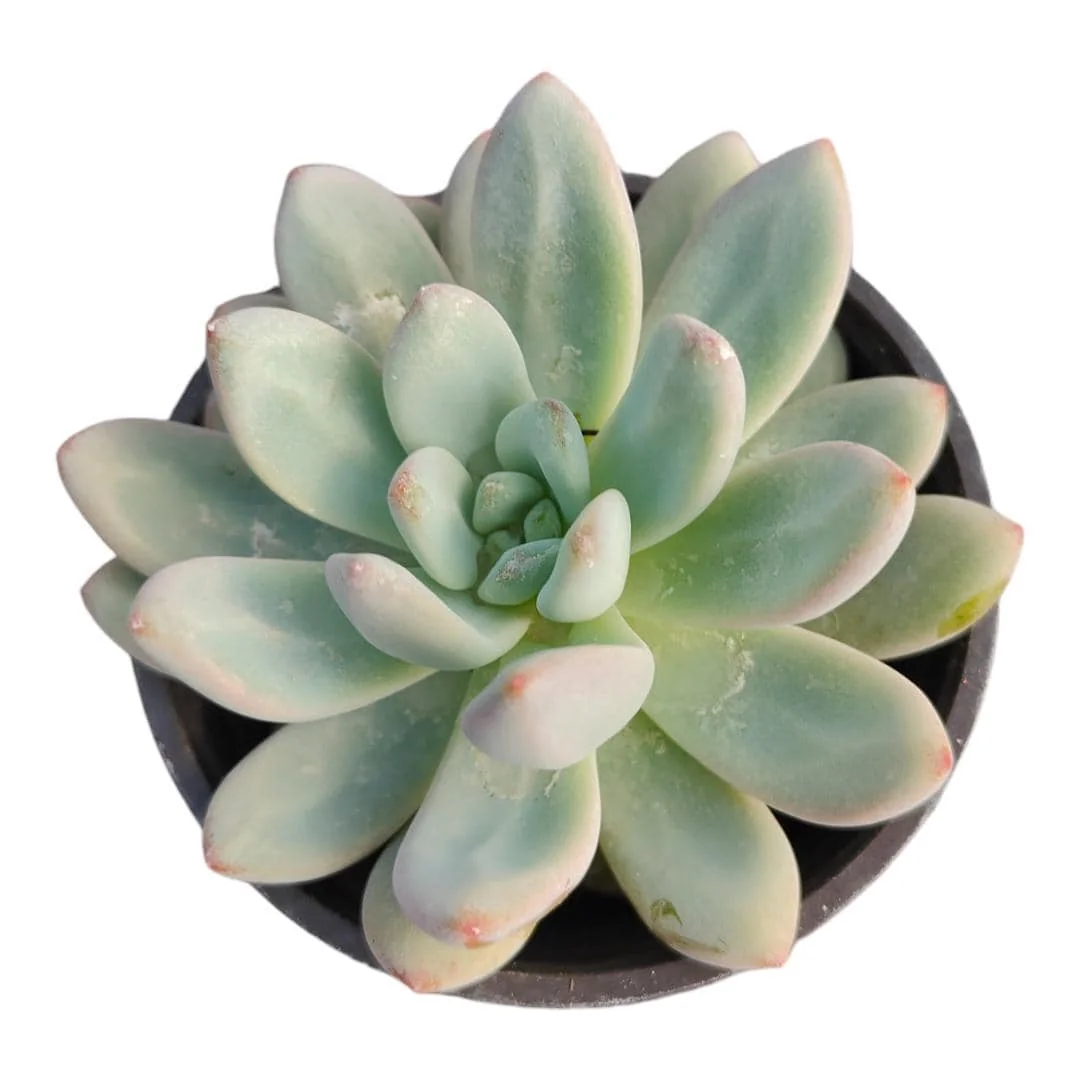
Pachyphytum Starburst Succulent Live Plant – Easy Care Potted Succulent
Original price was: $41.20.$20.60Current price is: $20.60.
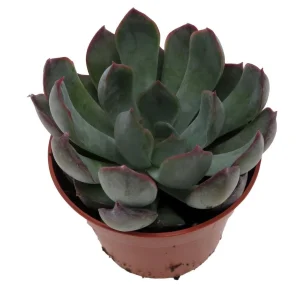
Bring home a stunning Pachyphytum Starburst succulent, known for its unique star-like rosettes and vibrant colors. This drought-tolerant succulent is perfect for beginners and experienced plant enthusiasts alike, thriving with minimal care. Ideal as an indoor succulent or for outdoor rock gardens in suitable climates, offering a beautiful, low-maintenance display.
-
USDA Hardiness Zone
USDA zones 9-11 -
Soil Type
Well-draining succulent or cactus mix -
Sunlight Exposure
Full sun to bright indirect light -
Expected Planting Period
Year-round indoors; spring to fall outdoors

You can track your order HERE
Mar 01
Mar 06 - Mar 08
Mar 11 - Mar 15
Shipping and return policies: Our Alive & Thrive Guarantee covers issues with your plants within the first 30 days. Reach out to us. Our team will answer your questions and help you find the plants that are truly suitable for your environment, climate, and personal preferences.

Overview
Introduce a captivating botanical specimen to your collection with the Pachyphytum Starburst succulent. This remarkable live plant, often referred to simply as Starburst succulent plant, is a true gem among succulents, celebrated for its distinctive star-shaped rosettes and often vibrant, pastel hues. As a member of the Pachyphytum genus, it embodies resilience and beauty, making it a favorite for both novice and seasoned gardeners. Originating from arid regions, this succulent has evolved to be incredibly low-maintenance and highly adaptable, flourishing in conditions where many other plants might struggle. Its naturally compact growth habit makes it an excellent choice for windowsills, desks, or as part of a larger succulent arrangement, adding a touch of serene natural artistry to any space. This drought-tolerant succulent is a testament to nature’s ingenuity, requiring infrequent watering and ample light to reveal its full splendor.
Key Benefits
The Pachyphytum Starburst succulent offers a myriad of advantages, making it an exceptional choice for various settings. Its inherent hardiness and striking appearance contribute to its widespread appeal. Cultivating this beautiful plant can bring both aesthetic pleasure and a sense of accomplishment, especially for those new to plant care.
- Stunning Visual Appeal: The unique starburst rosette formation and potential for vibrant coloration, ranging from powdery green to soft pink and purple under stress, make this succulent a true focal point. It adds architectural interest and a pop of natural beauty to any indoor or outdoor setting.
- Exceptional Drought Tolerance: As a drought-tolerant succulent, the Pachyphytum Starburst is perfectly adapted to survive long periods without water. This characteristic makes it incredibly forgiving and ideal for busy individuals or those who travel frequently, reducing the worry of over or under-watering.
- Low Maintenance: This is an incredibly easy-care plant, requiring minimal attention once established. Its simple needs for light, infrequent watering, and well-draining soil make succulent plant care a breeze, perfect for beginners looking to develop their green thumb.
- Versatile Placement: Whether you’re looking for an indoor succulent to brighten a sunny window or a resilient addition to an outdoor rock garden or xeriscape, the Pachyphytum Starburst adapts well. Its compact size allows it to thrive in small pots or as part of a larger succulent display.
- Air Purification: Like many plants, succulents contribute to a healthier indoor environment by absorbing carbon dioxide and releasing oxygen, subtly improving air quality in your home or office.
- Stress Reduction: The act of caring for plants, even low-maintenance ones like the Starburst succulent plant, has been shown to reduce stress and improve overall well-being, offering a calming presence in your daily life.
- Easy Propagation: Pachyphytum Starburst succulents are known for their ease of reproduction, often producing offsets or propagating readily from leaf cuttings, allowing you to expand your collection or share with friends.
Plant Care & Growing Tips
Proper succulent plant care is straightforward for the Pachyphytum Starburst succulent, focusing on mimicking its natural arid habitat. Sunlight is paramount for this plant’s health and coloration. It thrives in bright, direct sunlight for at least 6 hours a day. An ideal location indoors would be a south-facing window, ensuring the plant receives adequate light to prevent etiolation (stretching) and to encourage its beautiful stress colors. If growing outdoors, choose a spot with full sun exposure. In extremely hot climates, some afternoon shade can prevent scorching, but generally, more light equals a happier, more colorful succulent.
Watering is perhaps the most crucial aspect of caring for any drought-tolerant succulent. The ‘soak and dry’ method is highly recommended: water thoroughly until water drains from the bottom of the pot, then allow the soil to dry out completely before watering again. Overwatering is the most common cause of succulent demise, leading to root rot. During winter dormancy, reduce watering frequency significantly. The correct soil mix is equally vital; use a porous, fast-draining succulent or cactus mix. You can enhance drainage further by adding pumice, perlite, or coarse sand to a standard potting mix. Good drainage prevents water from sitting around the roots, which is detrimental to succulents. The Pachyphytum Starburst succulent is generally hardy in USDA zones 9-11 when grown outdoors, preferring temperatures between 60-80°F (15-27°C). Protect it from frost, as temperatures below 40°F (4°C) can cause damage. Fertilize sparingly, if at all, during the growing season (spring and summer) with a diluted succulent fertilizer. Repotting is only necessary when the plant outgrows its container, typically every 2-3 years.
Size & Details
The Pachyphytum Starburst succulent is typically shipped as a bare root plant, meaning it arrives without soil and pot. This method minimizes shipping stress and allows for easier inspection upon arrival. You will receive a very similar plant to the one shown in product images, though natural variations in shape and color are expected. The size of the plant can vary, but generally, these succulents grow into compact rosettes, often reaching 3-6 inches in diameter. When potted, they maintain a modest size, making them perfect for small spaces or dish gardens. These plants exhibit a moderate growth rate and, with proper care, can live for many years, becoming a long-lasting and cherished part of your plant collection. They are ready to be planted in your preferred well-draining succulent soil mix upon arrival, allowing you to choose the perfect container to complement its unique beauty.
Frequently Asked Questions
- Q: How big does the Pachyphytum Starburst succulent get? A: This succulent typically forms compact rosettes that can reach approximately 3-6 inches in diameter. Its size makes it suitable for small pots, windowsills, and mixed succulent arrangements.
- Q: Is this an indoor or outdoor plant? A: The Starburst succulent plant is versatile. It can thrive as an indoor succulent when placed in a bright, sunny window, or outdoors in USDA zones 9-11 where temperatures do not drop below freezing.
- Q: How much sunlight does it need? A: It requires at least 6 hours of bright, direct sunlight daily to maintain its compact form and vibrant colors. A south-facing window indoors or a full sun spot outdoors is ideal.
- Q: Is this plant easy to care for? A: Yes, the Pachyphytum Starburst succulent is considered very easy to care for, making it an excellent choice for beginners. Its primary needs are ample light and infrequent watering, along with well-draining soil.
- Q: What condition will it arrive in? A: Most plants are shipped bare root, without a pot or soil, to ensure safe transit. You will receive a healthy plant ready for immediate potting. Shape and color may vary slightly from photos due to natural plant variations.
- Q: What is the best soil for this drought-tolerant succulent? A: A well-draining succulent or cactus potting mix is essential. You can improve drainage further by adding perlite, pumice, or coarse sand to prevent waterlogging.
- Q: How often should I water my succulent plant care? A: Water thoroughly when the soil is completely dry to the touch, then allow it to dry out again before the next watering. Overwatering is the biggest risk for succulents.
- Q: Can the Pachyphytum Starburst succulent tolerate cold temperatures? A: This succulent is not frost-hardy. It should be protected from temperatures below 40°F (4°C). If grown outdoors in colder climates, it should be brought indoors for winter.
- Q: Is this plant pet-safe? A: While many succulents are generally non-toxic, it’s always best to keep plants out of reach of pets to prevent any potential mild irritation or digestive upset.
- Q: Does the color of the plant change? A: Yes, the colors of the Starburst succulent plant can intensify and develop beautiful pink or purple hues when exposed to sufficient sunlight or mild environmental stress, such as cooler temperatures or less frequent watering.
Be the first to review “Pachyphytum Starburst Succulent Live Plant – Easy Care Potted Succulent”
People Also Viewed
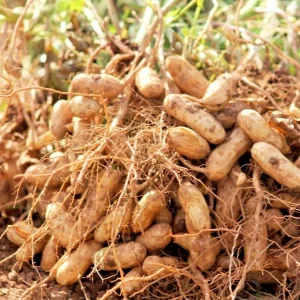
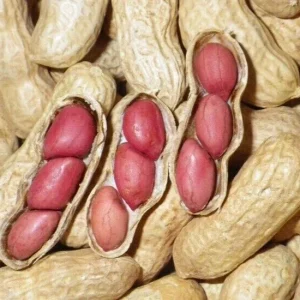
Vegetable Seeds
Jumbo Bailey Virginia Peanut Seeds for Planting – 113g Packet
Sold 80 products
Original price was: $30.76.$15.38Current price is: $15.38.
Sold 85 products
Original price was: $391.96.$195.98Current price is: $195.98.
Sold 53 products
Original price was: $236.00.$118.00Current price is: $118.00.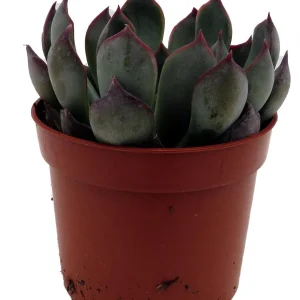
Sold 66 products
Original price was: $28.76.$14.38Current price is: $14.38.
Sold 59 products
Original price was: $62.00.$49.60Current price is: $49.60.
Sold 65 products
Original price was: $55.98.$27.99Current price is: $27.99.
Sold 75 products
From $71.80
Sold 98 products
Original price was: $112.96.$67.78Current price is: $67.78.
Sold 65 products
From $197.96
Sold 82 products
Original price was: $70.00.$42.00Current price is: $42.00.

Sold 73 products
Original price was: $30.76.$15.38Current price is: $15.38.
Sold 67 products
Original price was: $39.99.$9.99Current price is: $9.99.
Sold 95 products
Original price was: $147.16.$73.58Current price is: $73.58.
Sold 64 products
Original price was: $28.76.$14.38Current price is: $14.38.
Sold 54 products
Original price was: $73.90.$54.34Current price is: $54.34.
Sold 59 products
From $55.80
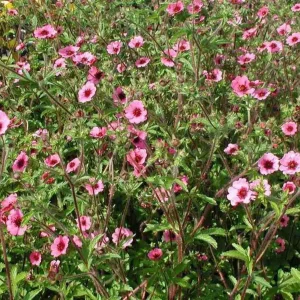
Flower Seeds
Potentilla Miss Willmott Seeds – 100 Perennial Flowering Groundcover Seeds, Pink/Red, Outdoor
Sold 91 products
Original price was: $19.16.$9.58Current price is: $9.58.
Sold 82 products
Original price was: $127.96.$63.98Current price is: $63.98.



Reviews
There are no reviews yet.