
Owari Tangerine Tree Live Plant – Grafted, Cold Hardy, 1/2 Gallon Pot No Ship CA,HI
Original price was: $112.96.$67.78Current price is: $67.78.
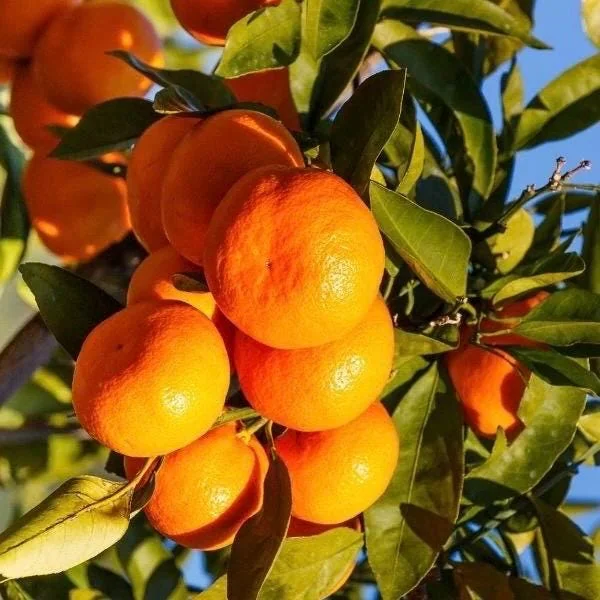
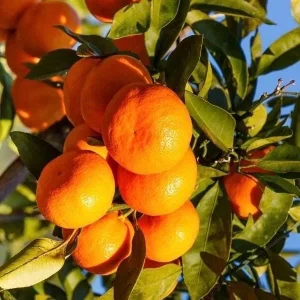
Cultivate your own delicious citrus with this Owari tangerine tree. A grafted citrus tree in a 1/2 gallon pot, known for producing sweet, seedless, and easy-to-peel tangerines. This cold hardy tangerine variety is perfect for home gardens, offering a rich, sweet-tart flavor.
-
USDA Hardiness Zone
USDA Zones 8-11 -
Soil Type
Well-draining soil with slightly acidic to neutral pH -
Sunlight Exposure
Full sun (6-8 hours daily) -
Expected Planting Period
Spring to early summer

You can track your order HERE
Mar 01
Mar 06 - Mar 08
Mar 11 - Mar 15
Shipping and return policies: Our Alive & Thrive Guarantee covers issues with your plants within the first 30 days. Reach out to us. Our team will answer your questions and help you find the plants that are truly suitable for your environment, climate, and personal preferences.

Overview
Bring the delightful taste of fresh citrus to your home garden with the Owari tangerine tree. This exceptional Owari Satsuma plant is a beloved variety, celebrated for its incredibly sweet, seedless, and easy-to-peel fruit. Grafted for robust growth and earlier fruiting, this live plant arrives ready to thrive. The Owari tangerine, also known as Owari Satsuma, produces a distinctive sweet-tart flavor that is a favorite among both children and adults. Its low acidity makes it a perfect choice for those who prefer milder citrus options. Enjoy fresh tangerines straight from your own backyard, perfect for snacking, salads, desserts, and various culinary creations.
The Owari tangerine tree is a fantastic addition for both experienced gardeners and enthusiastic beginners. Its relatively compact size, especially when grown in a container, makes it versatile for different garden spaces. This particular offering is a grafted citrus tree, ensuring you receive a plant with strong rootstock and desirable fruit characteristics. Prepare to enjoy bountiful harvests of juicy, flavorful tangerines with proper care and attention.
Key Benefits
Investing in an Owari tangerine tree brings a host of benefits, transforming your garden into a source of fresh, homegrown fruit. This highly productive plant offers both aesthetic appeal and delicious rewards.
- Delicious & Nutritious Fruit: Enjoy an abundance of sweet, rich, and slightly tangy tangerines. These fruits are low in acidity, making them a delightful and healthy snack for all ages.
- Seedless & Easy-to-Peel: The Owari Satsuma plant is renowned for its convenient, seedless nature and thin, easy-to-peel skin, making it a perfect grab-and-go snack.
- Cold Hardy Variety: This cold hardy tangerine is more tolerant to cooler temperatures than many other citrus types, making it suitable for a wider range of climates.
- Grafted for Vigor: Our trees are grafted, which means they benefit from a strong root system, leading to faster growth, improved disease resistance, and earlier fruit production.
- Versatile Growing Options: Whether planted directly in the ground or grown in a large container, the Owari tangerine tree adapts well, even allowing for indoor overwintering in colder regions.
- Yearly Harvests: With proper care, your tree will consistently produce a generous crop of tangerines from late fall to early winter, providing fresh fruit during the cooler months.
- Attractive Ornamental Plant: Beyond its fruit, the glossy green foliage and fragrant blossoms of this grafted citrus tree add significant beauty to any garden or patio space.
Plant Care & Growing Tips
Caring for your Owari tangerine tree is a rewarding experience that ensures a healthy plant and abundant fruit. This variety, also known as an Owari Satsuma plant, thrives with consistent attention to its basic needs. Plant your tree in a sunny location where it will receive at least 6-8 hours of direct sunlight daily. Well-draining soil with a slightly acidic to neutral pH (5.5-7.0) is ideal. If your soil is sandy or heavy, amend it with organic matter to improve drainage and nutrient retention. For multiple trees, space them about 10-12 feet apart to allow for mature growth and good air circulation.
During the establishment period (the first 1-2 years), water young trees regularly to keep the soil consistently moist but never waterlogged. Once established, the Owari tangerine tree becomes quite drought-tolerant, requiring less frequent watering. Water every 7-10 days during dry spells and reduce watering significantly in winter when growth slows. Fertilize your tree 2-3 times per year during the active growing season, from spring through early fall. Use a balanced, slow-release citrus fertilizer rich in nitrogen and essential micronutrients like magnesium, manganese, and iron. Always follow the package instructions to avoid over-fertilization, which can lead to excessive foliage at the expense of fruit production.
Prune your tree in late winter or early spring, after the danger of frost has passed but before new growth begins. Remove any dead, damaged, or crossing branches to promote air circulation and maintain the tree’s health. Lightly prune to shape and control size, as heavy pruning can reduce fruit yield. This cold hardy tangerine can tolerate temperatures down to 15-20°F (-9 to -6°C). In colder climates, provide frost protection during cold snaps by covering the tree with a frost blanket or tarp and placing a light underneath for warmth. Mulching around the base also helps insulate the roots from extreme cold. Watch for common pests like aphids, spider mites, and scale, treating them with insecticidal soap or horticultural oil if necessary. Proper spacing and drainage help prevent fungal diseases, especially in humid environments.
Size & Details
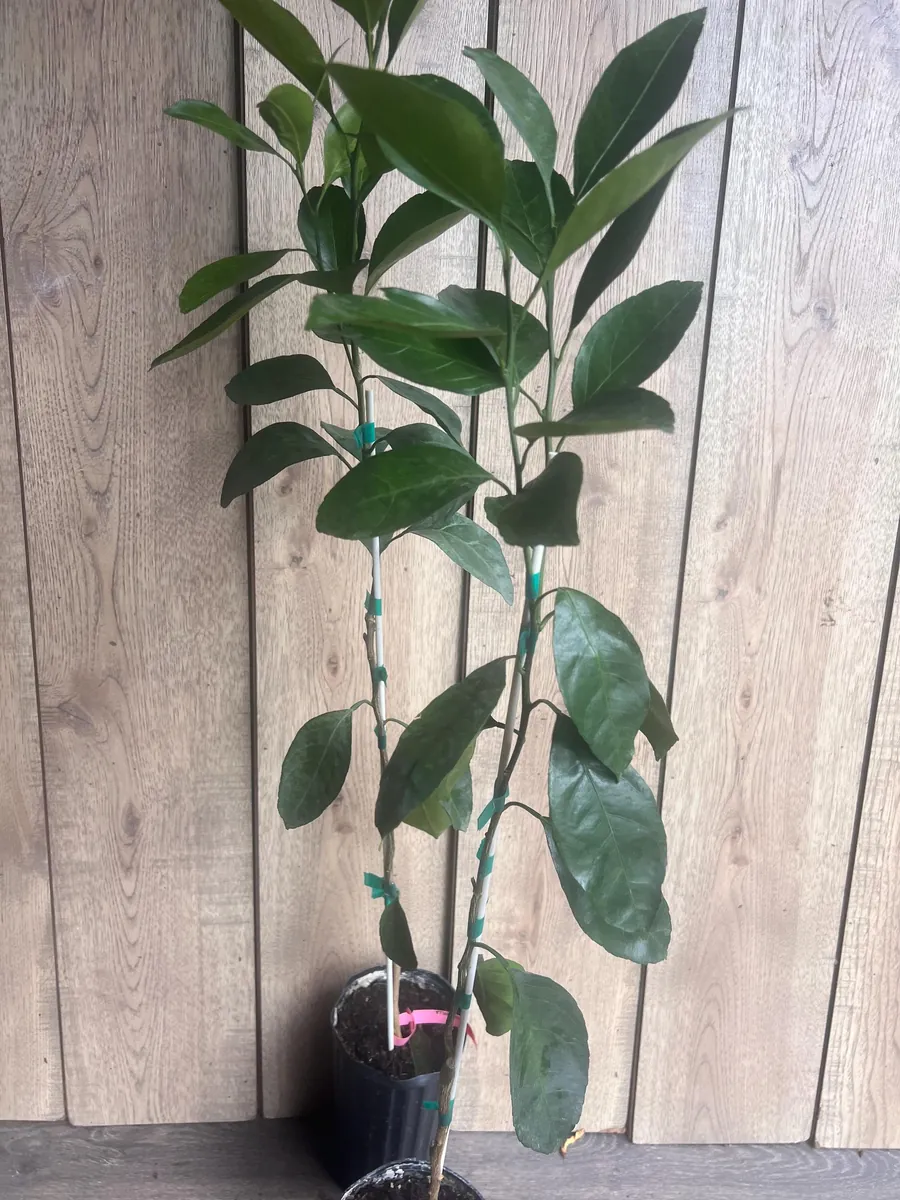
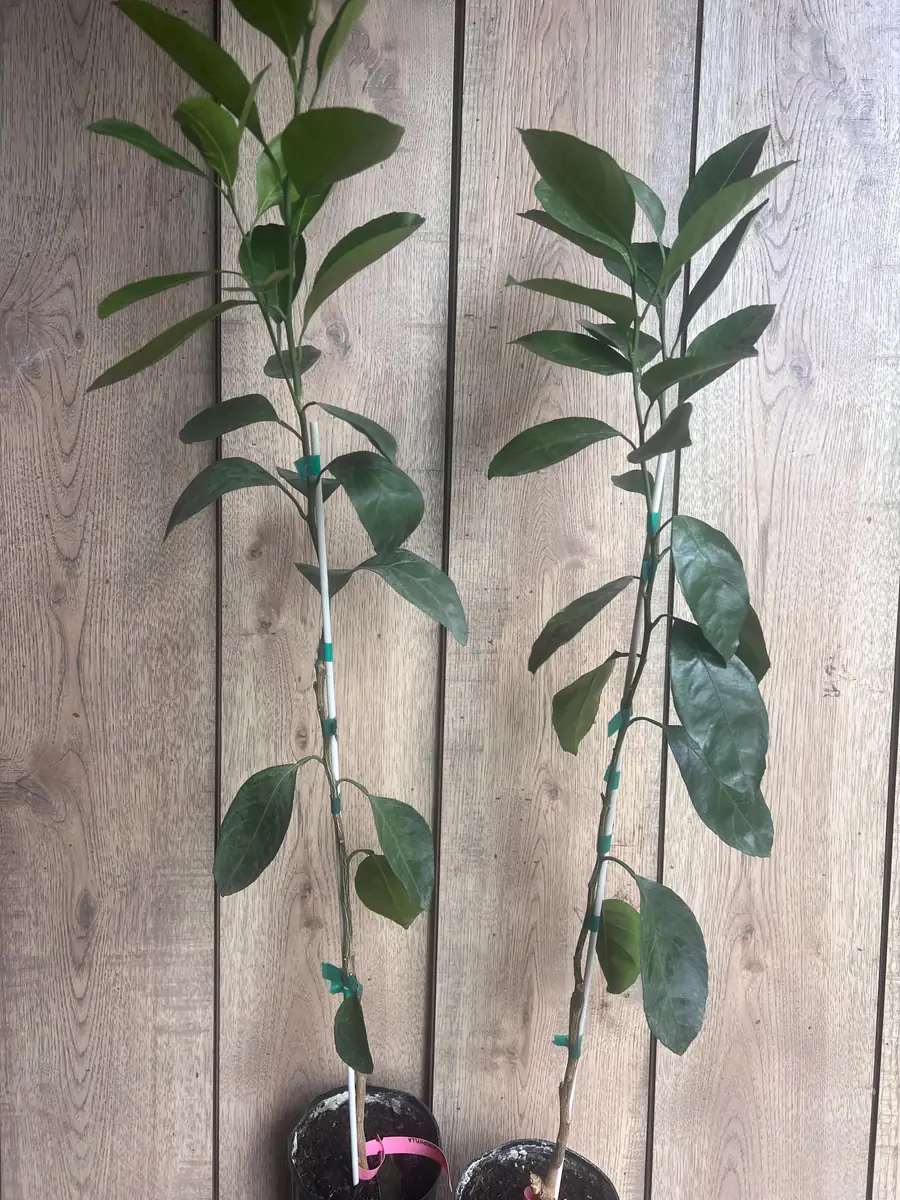
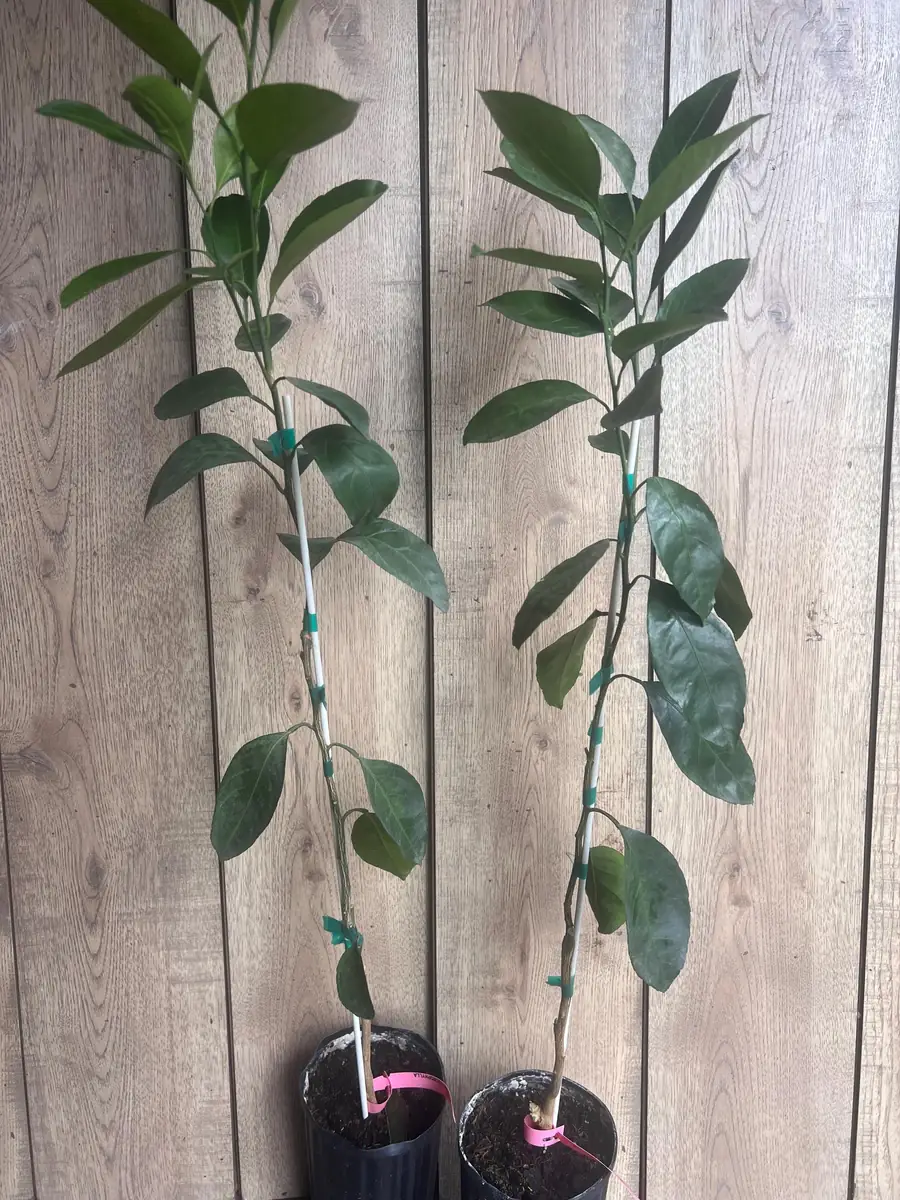
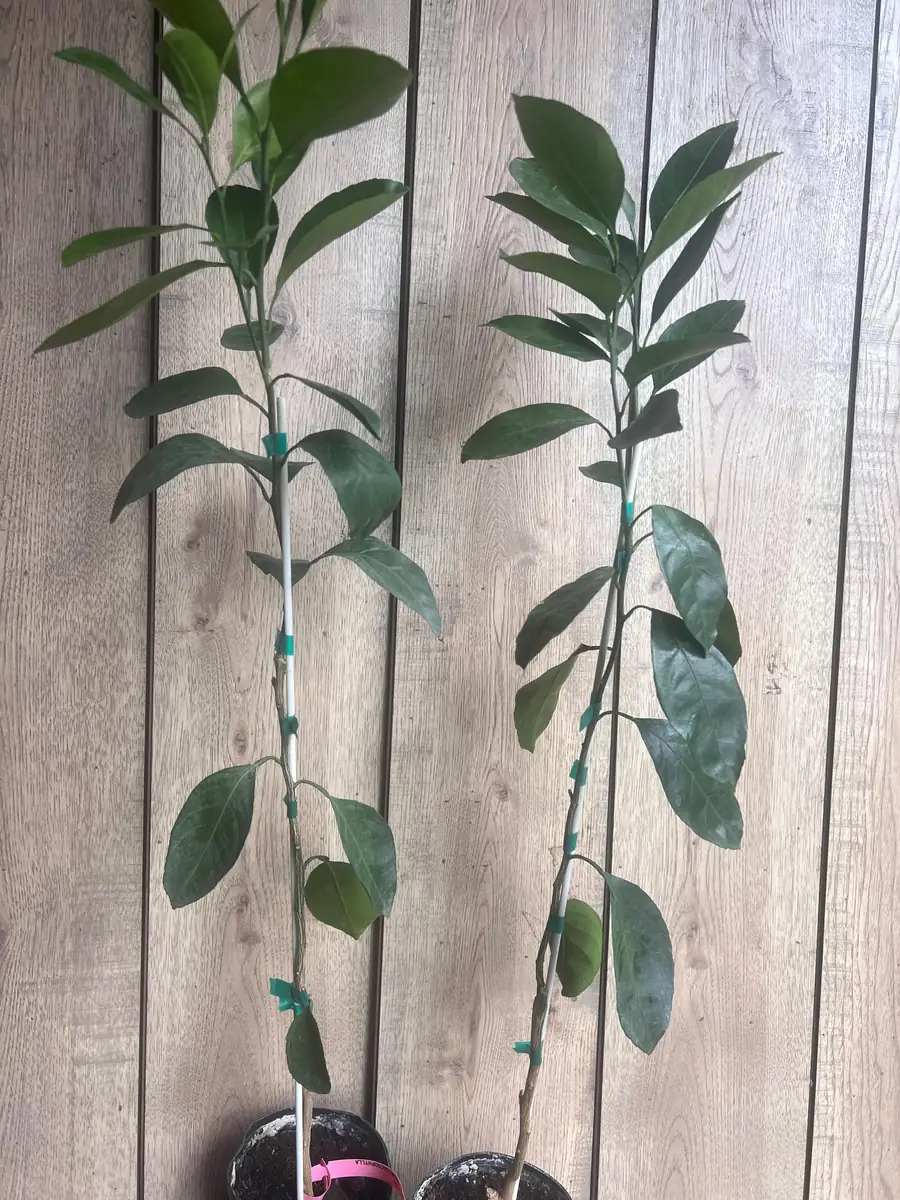
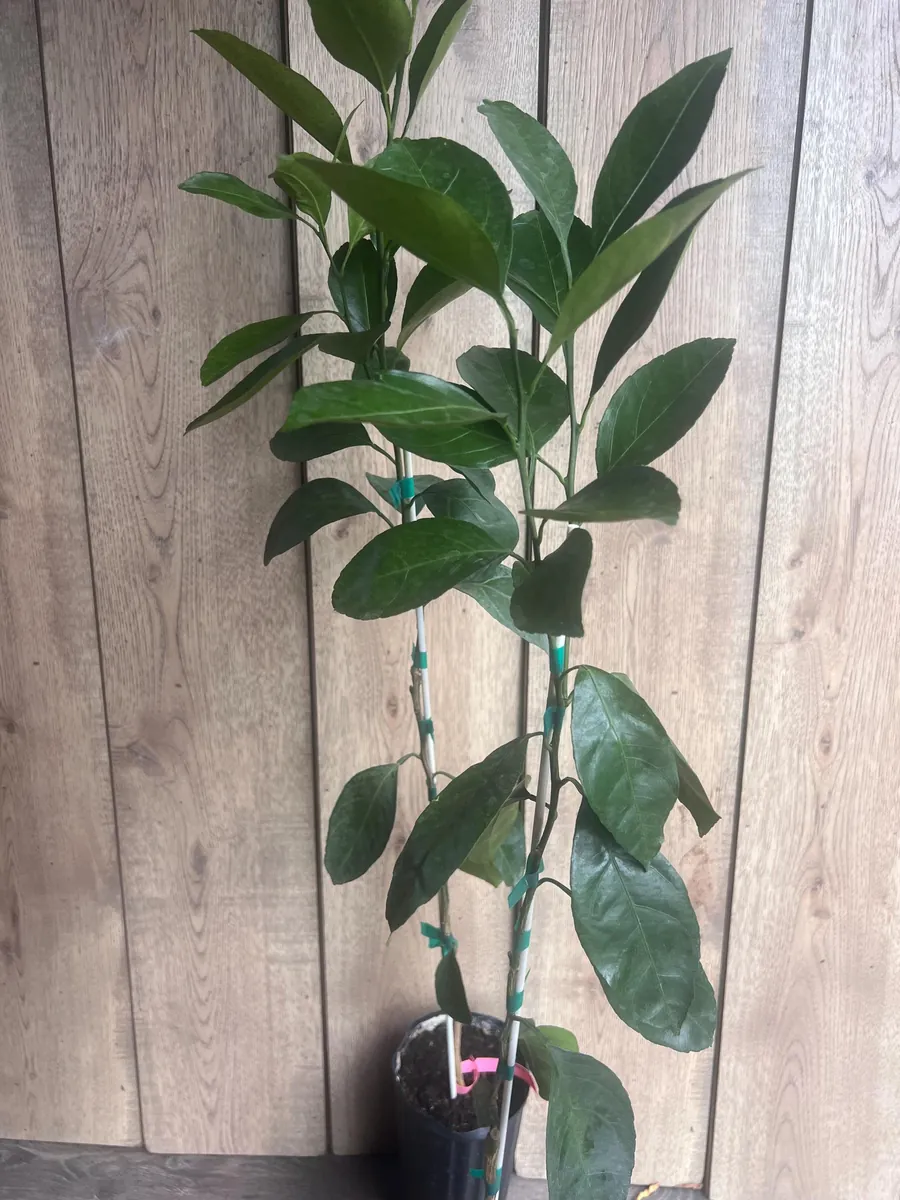
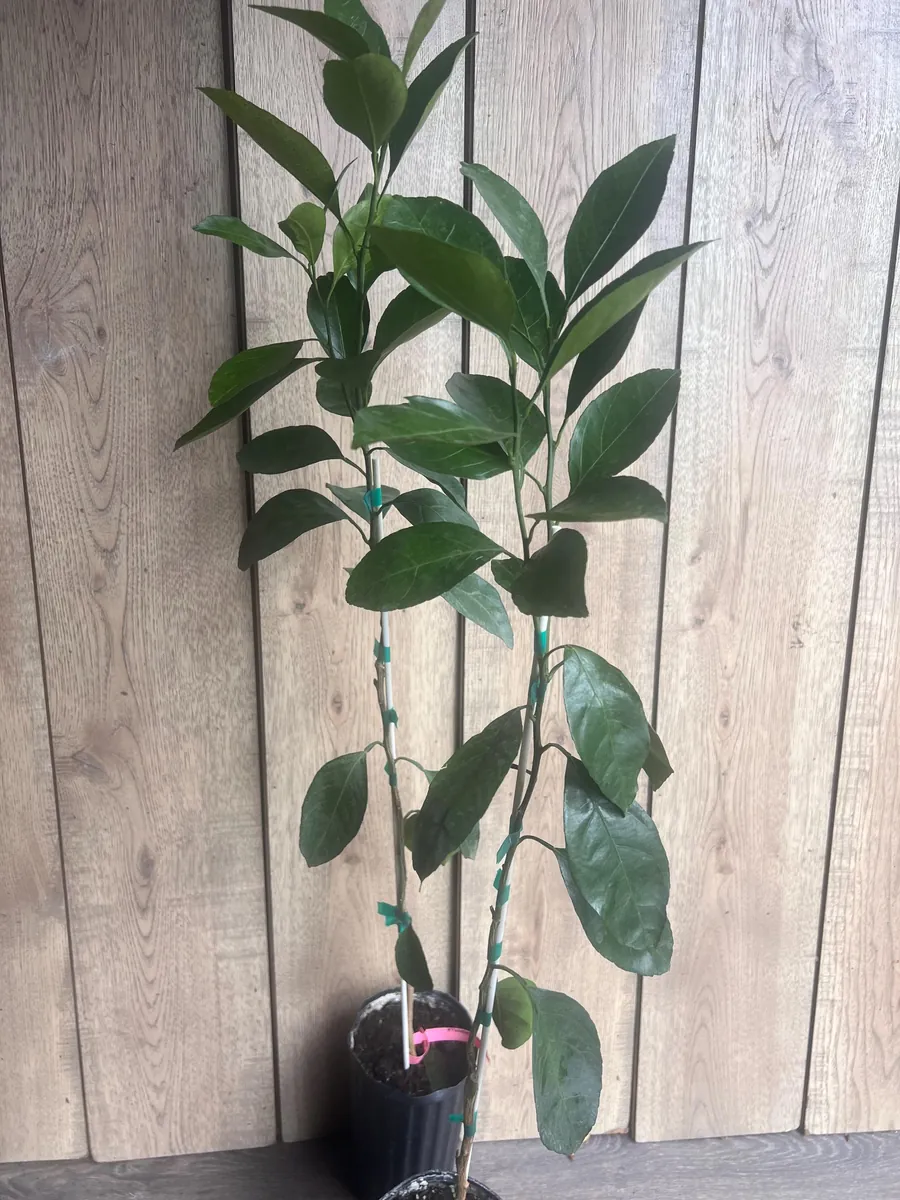
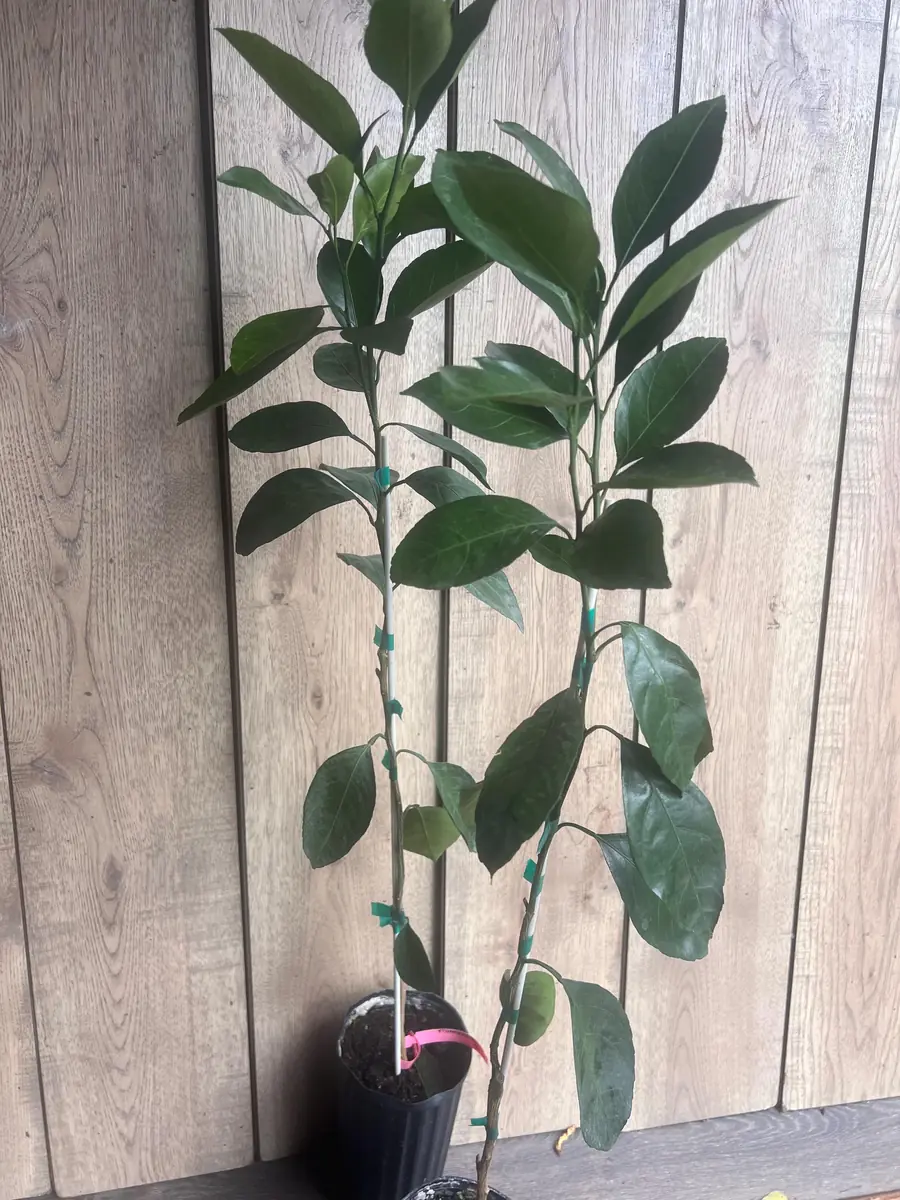
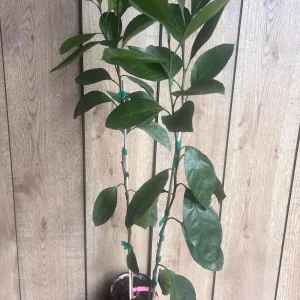
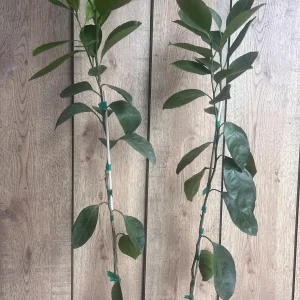
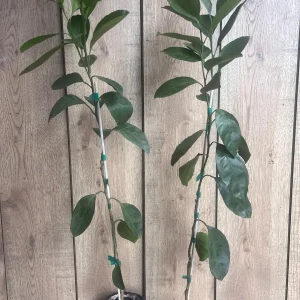
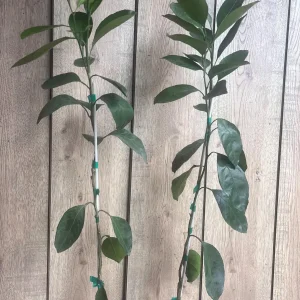
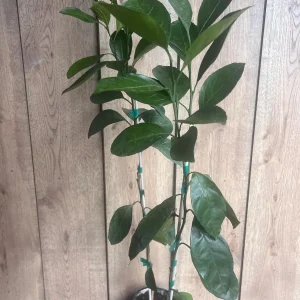
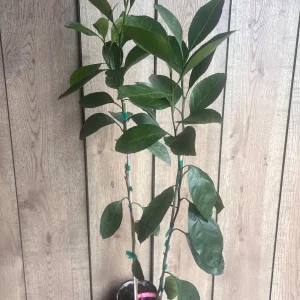
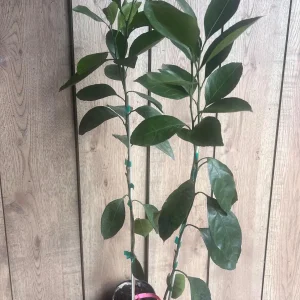
The Owari tangerine tree you will receive is a live plant, typically shipped in a 1/2 gallon nursery pot, similar to the pictures. This ensures the plant has a healthy root system ready for transplanting. Being a grafted citrus tree, it benefits from the characteristics of both the scion (Owari tangerine) and the rootstock, leading to a more vigorous and productive plant. While exact height varies upon shipping, it will be a young, well-rooted specimen prepared for growth in your garden. When mature, Owari tangerine trees can reach heights of 10-15 feet if planted in the ground, or they can be maintained at a smaller, more manageable size through pruning, especially when grown in containers. Expect fruit production to begin within 1-3 years of planting, with harvests typically occurring from November to January.
For container growing, we recommend a pot that is at least 15-20 gallons with adequate drainage holes. Container-grown plants will require more frequent watering and fertilization due to faster nutrient depletion. This easy peel tangerine is a moderate grower, reaching its full potential with consistent care. The fruit develops a deep orange color when ripe and comes off the tree easily, indicating it’s ready for harvest. Taste-testing is the best way to confirm peak ripeness for optimal sweetness.
Frequently Asked Questions
- Q: How big does this Owari tangerine tree get? A: If planted in the ground, an Owari tangerine tree can reach 10-15 feet tall. When grown in a container, its size can be managed with pruning to suit your space, often staying between 5-8 feet.
- Q: Is this an indoor or outdoor plant? A: The Owari Satsuma plant can be grown outdoors in USDA Zones 8-11. In colder climates, it’s best grown in a container so it can be moved indoors during winter to protect it from frost.
- Q: How much sunlight does the Owari tangerine tree need? A: This citrus tree thrives in full sun, requiring at least 6-8 hours of direct sunlight daily for optimal growth and fruit production.
- Q: Is this plant easy to care for? A: Yes, the Owari tangerine tree is considered relatively easy to care for, especially once established. It requires consistent watering during its youth and regular fertilization to ensure a healthy yield of fruit.
- Q: What condition will the grafted citrus tree arrive in? A: Your grafted citrus tree will arrive as a live plant in a 1/2 gallon pot, with a healthy root system and foliage, ready for planting or transplanting into a larger container.
- Q: When is the best time to plant this cold hardy tangerine? A: The best time to plant your cold hardy tangerine is in spring or early summer, allowing it ample time to establish its root system before winter.
- Q: How long until it produces fruit? A: Being a grafted plant, your Owari tangerine tree may begin to produce fruit within 1-3 years after planting, with harvests typically occurring from late fall to early winter.
- Q: Can I grow the Owari tangerine tree in a pot? A: Absolutely! The Owari tangerine tree is an excellent candidate for container growing, especially beneficial if you live in a region with cold winters, as it allows you to move the plant indoors for protection.
- Q: Is the fruit truly seedless? A: Yes, the Owari tangerine variety is known for being virtually seedless, making it an ideal and convenient snack.
- Q: What makes this an easy peel tangerine? A: The Owari Satsuma variety has a thin, delicate skin that separates easily from the fruit, living up to its reputation as an easy peel tangerine.
Be the first to review “Owari Tangerine Tree Live Plant – Grafted, Cold Hardy, 1/2 Gallon Pot No Ship CA,HI”
People Also Viewed
Sold 89 products
Original price was: $99.80.$49.90Current price is: $49.90.
Sold 58 products
From $7.98
Sold 73 products
$43.98
Flower Bulbs
Sold 100 products
Original price was: $219.80.$109.90Current price is: $109.90.
Sold 90 products
Original price was: $15.00.$12.00Current price is: $12.00.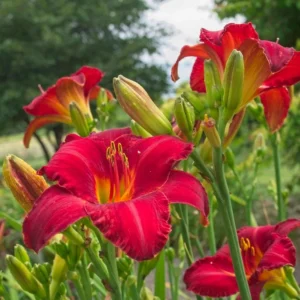
Flower Bulbs
Chicago Apache Daylily Bare Root – Scarlet Red Reblooming Perennial – 1-2 Fan Division – Outdoor
Sold 71 products
From $95.80
Sold 88 products
Original price was: $161.56.$80.78Current price is: $80.78.
Sold 54 products
Original price was: $1,035.80.$517.90Current price is: $517.90.
Sold 60 products
Original price was: $91.98.$45.99Current price is: $45.99.
Sold 66 products
$87.98
Sold 83 products
Original price was: $161.56.$80.78Current price is: $80.78.
Sold 83 products
Original price was: $51.16.$25.58Current price is: $25.58.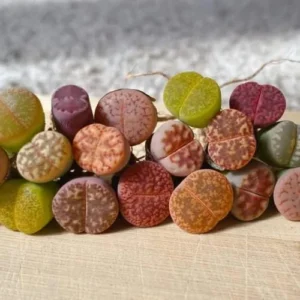
Sold 79 products
Original price was: $39.98.$19.99Current price is: $19.99.
Sold 73 products
$329.98

Sold 65 products
Original price was: $89.98.$44.99Current price is: $44.99.
Sold 87 products
Original price was: $139.80.$69.90Current price is: $69.90.

Sold 67 products
Original price was: $41.56.$20.78Current price is: $20.78.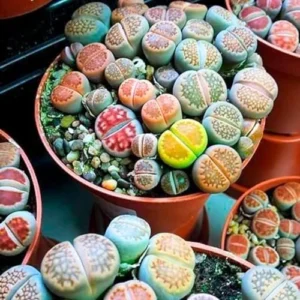
HousePlants
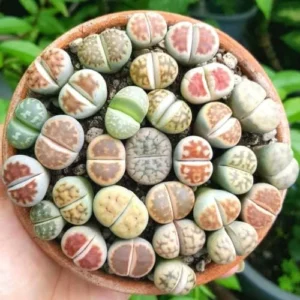
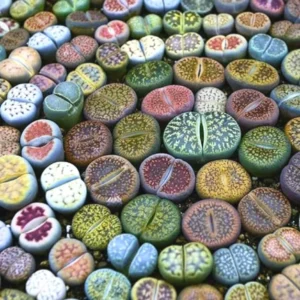
Lithops Live Plants Mix – 30 Colorful Succulents – Living Stones for Indoor/Outdoor Planting
Sold 68 products
Original price was: $65.98.$32.99Current price is: $32.99.



Reviews
There are no reviews yet.