
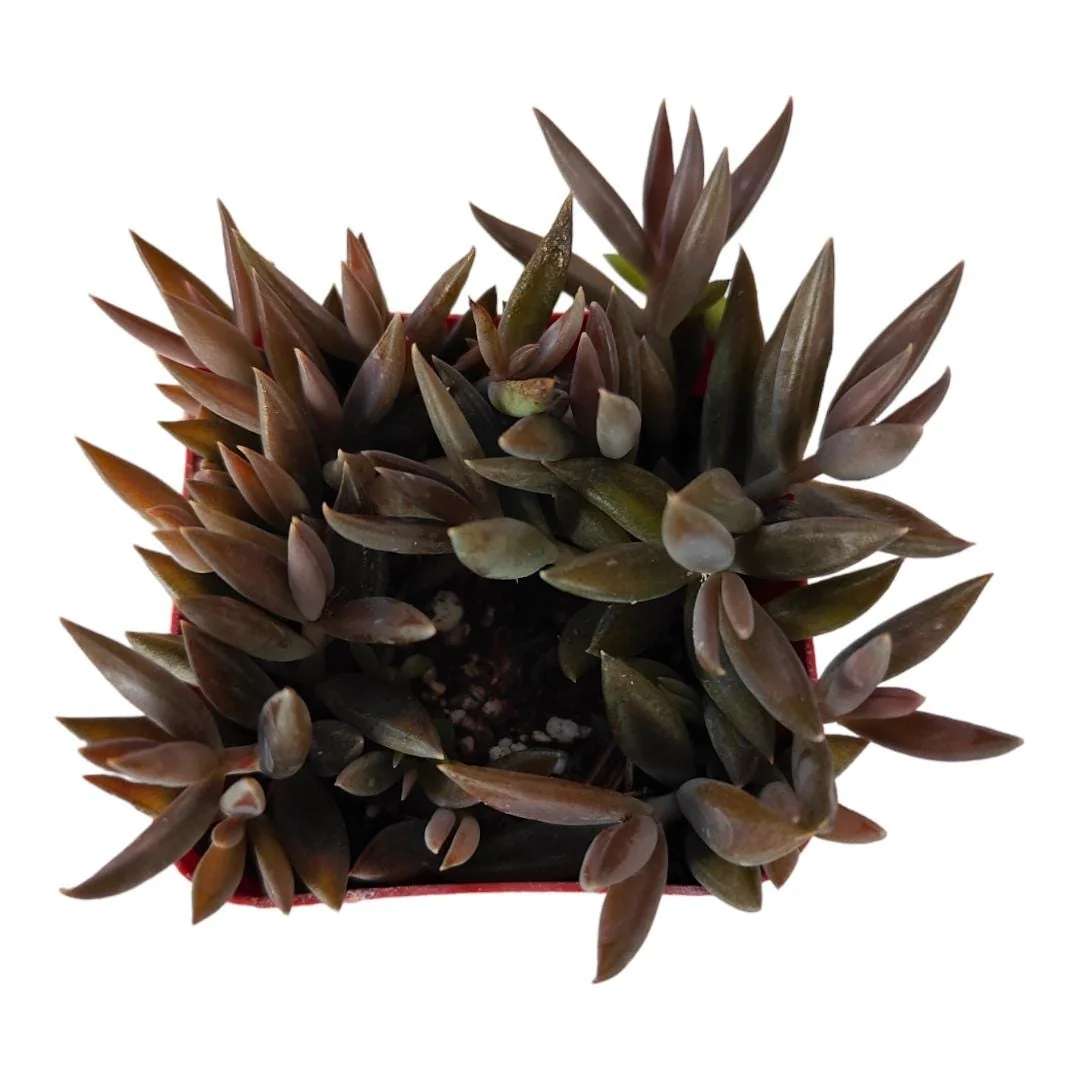
Orostachys fimbriata Succulent Plant – Live Rosette Succulent, Drought-Tolerant
Original price was: $17.84.$8.92Current price is: $8.92.
Bring home a unique and hardy Orostachys fimbriata succulent. This beautiful rosette-forming plant is known for its distinctive fimbriated (fringed) leaves, creating an eye-catching display. It’s an excellent choice for both beginners and experienced plant enthusiasts, thriving with minimal care.
-
USDA Hardiness Zone
USDA Zones 5-9 (with dry conditions) -
Soil Type
Porous, well-draining succulent or cactus mix -
Sunlight Exposure
Full sun to bright direct light -
Expected Planting Period
Year-round indoors; spring to summer outdoors

You can track your order HERE
Mar 01
Mar 06 - Mar 08
Mar 11 - Mar 15
Shipping and return policies: Our Alive & Thrive Guarantee covers issues with your plants within the first 30 days. Reach out to us. Our team will answer your questions and help you find the plants that are truly suitable for your environment, climate, and personal preferences.

Overview
Introducing the captivating Orostachys fimbriata succulent, a truly remarkable live plant that will add an exotic touch to any collection. Often referred to simply as Orostachys, this species is celebrated for its intricate rosette form and distinctive, finely fringed leaves, which give it a delicate, almost ethereal appearance. Native to rocky, mountainous regions, Orostachys fimbriata is perfectly adapted to harsh conditions, making it an incredibly resilient and low-maintenance addition to your home or garden. Its unique texture and growth habit make it a focal point in succulent arrangements, rock gardens, or as a charming potted specimen. This Orostachys fimbriata succulent is shipped as a bare-root plant, ensuring a healthy start in its new environment. Its compact size and striking visual appeal make it a favorite among collectors seeking unique succulent plants.
The Orostachys genus is part of the Crassulaceae family, known for its diverse range of succulent plants. Orostachys fimbriata succulent stands out with its intricate leaf margins, which resemble tiny fringes, hence the name ‘fimbriata’. These plants typically form tight, symmetrical rosettes that can vary in color from green to reddish-purple, especially when exposed to ample sunlight. They are monocarpic, meaning the main rosette will flower once and then die, but not before producing numerous offsets (chicks) around its base, ensuring the plant’s continuation. This natural reproduction method makes it a rewarding plant to grow, constantly offering new plants to share or expand your collection.
Key Benefits
The Orostachys fimbriata succulent offers a multitude of benefits for both novice and experienced plant enthusiasts. Its unique aesthetics and hardy nature make it a standout choice for various settings. Cultivating this plant is a rewarding experience, providing both beauty and ease of care.
- Exceptional Drought Tolerance: As a drought-tolerant succulent, Orostachys fimbriata requires very little water, making it perfect for busy individuals or those in arid climates. It stores water in its fleshy leaves, allowing it to withstand long periods without irrigation, reducing your watering chores significantly.
- Unique Ornamental Appeal: The fimbriated edges of its leaves create a distinctive, lacy texture, setting it apart from other succulents. Its tight rosette form and potential for color variations add significant visual interest to any succulent arrangement, terrarium, or rock garden.
- Low Maintenance & Hardiness: This plant is incredibly forgiving and easy to care for, thriving on neglect rather than over-attentiveness. It’s one of the hardy succulent varieties that can tolerate a range of conditions, making it ideal for beginners.
- Prolific Propagation: Orostachys fimbriata succulent readily produces offsets, commonly known as ‘chicks,’ around the main rosette. This allows for easy propagation, enabling you to expand your collection or share with friends and family without needing to purchase new plants.
- Versatile Placement: Whether you’re looking for an indoor potted plant to brighten a sunny windowsill or a hardy addition to an outdoor rock garden, this succulent adapts well. It thrives in containers, making it suitable for small spaces and apartments.
- Natural Air Purifier (Minor): Like many plants, succulents contribute to a healthier indoor environment by absorbing some toxins and releasing oxygen, albeit on a smaller scale than larger foliage plants.
- Pest and Disease Resistant: Its robust nature makes it generally resistant to common pests and diseases that can plague other houseplants, further simplifying its care routine.
Plant Care & Growing Tips
Caring for your Orostachys fimbriata succulent is straightforward, making it an excellent choice for both beginners and seasoned succulent enthusiasts. The key to its health and vibrant appearance lies in replicating its natural arid habitat. This plant thrives on ample sunlight and well-draining conditions, embodying the resilience of hardy succulent varieties.
Sunlight Requirements: This succulent absolutely loves bright light. For optimal growth and to encourage its beautiful coloration, provide at least 6 hours of direct sunlight per day. A south-facing window is ideal for indoor cultivation. If growing outdoors, choose a location that receives full sun. Insufficient light can lead to etiolation (stretching), where the plant grows leggy and loses its compact rosette form. Gradually introduce it to stronger light to prevent sunburn if it’s been in a shadier spot.
Watering Schedule: The most common mistake with succulents is overwatering. Orostachys fimbriata succulent is a drought-tolerant succulent and prefers to dry out completely between waterings. Water thoroughly until water drains from the bottom of the pot, then allow the soil to become bone dry before watering again. In summer, this might mean watering every 2-4 weeks, while in winter, it could be as infrequent as once a month or less, depending on your environment. Always check the soil moisture before watering.
Soil Type and Drainage: Excellent drainage is paramount for this plant. Use a specialized cactus or succulent potting mix, or create your own by mixing regular potting soil with inorganic materials like perlite, pumice, or coarse sand in a 1:1 ratio. This ensures that water drains quickly and prevents root rot, which is a common issue for succulents in waterlogged soil. A pot with drainage holes is essential.
Temperature Range and USDA Hardiness Zone: Orostachys fimbriata is quite cold-hardy for a succulent, generally tolerating temperatures down to about 20-30°F (-6 to -1°C) if kept dry. It is suitable for outdoor cultivation in USDA Zones 5-9, but protection from extreme winter wetness is crucial. In colder climates, it’s best grown in containers that can be moved indoors during freezing temperatures. Ideal temperatures range from 60-80°F (15-27°C).
Fertilization: Succulents are not heavy feeders. Fertilize sparingly, if at all, during the growing season (spring and summer) with a diluted, balanced liquid fertilizer specifically formulated for succulents or cacti. Avoid fertilizing during their dormant period in winter. Too much fertilizer can lead to weak, leggy growth.
Common Problems: Watch out for mealybugs, which can sometimes appear in the crevices of the rosettes. Treat with insecticidal soap or rubbing alcohol. The primary issue experienced growers face is overwatering, leading to root rot. Ensure proper drainage and allow soil to dry out between waterings. This guidance will help you with your fimbriata succulent care.
Size & Details
Each Orostachys fimbriata succulent you receive will be a healthy, established plant, similar in appearance to the one pictured, though natural variations in shape and color are to be expected. These plants are typically shipped bare-root to ensure their safe and healthy arrival, minimizing shock during transit. They are generally compact, forming rosettes that can range from 1 to 3 inches in diameter, making them ideal for small pots, succulent arrangements, or as ground cover in rock gardens. The growth rate is moderate, and with proper fimbriata succulent care, they will produce numerous offsets.
While the main rosette is monocarpic and will eventually flower and die, it ensures its legacy by producing many ‘chicks’ around its base before doing so. This means your plant will naturally multiply over time, providing you with an ever-expanding collection. The exact size of the plant will vary based on its age and growing conditions, but you can expect a robust specimen ready to thrive in its new home. This unique succulent plant is a perfect gift for any plant lover.
Frequently Asked Questions
- Q: How big does this plant get? A: The Orostachys fimbriata succulent typically forms rosettes that are 1 to 3 inches in diameter. While individual rosettes will eventually flower and die, they produce numerous offsets, allowing the plant to spread and create a larger cluster over time.
- Q: Is this an indoor or outdoor plant? A: This is a versatile plant that can thrive both indoors and outdoors. It’s particularly well-suited for outdoor rock gardens in USDA Zones 5-9, but also makes an excellent indoor potted plant on a sunny windowsill, receiving adequate light.
- Q: How much sunlight does it need? A: The Orostachys fimbriata succulent requires at least 6 hours of direct sunlight per day to maintain its compact form and vibrant coloration. Indoors, place it in a south-facing window. Outdoors, choose a full-sun location.
- Q: Is this plant easy to care for? A: Yes, this is considered one of the hardy succulent varieties and is very easy to care for, making it excellent for beginners. Its main requirements are bright light and very infrequent watering.
- Q: What condition will it arrive in? A: Your Orostachys fimbriata succulent will typically arrive as a healthy bare-root plant, meaning it will be shipped without soil or a pot. This method minimizes stress during transit and ensures a clean, healthy start for your new plant.
- Q: What kind of soil does this succulent need? A: It requires a very porous, well-draining soil mix. A specialized cactus and succulent potting mix is ideal, or you can amend regular potting soil with perlite, pumice, or coarse sand to improve drainage.
- Q: How often should I water my Orostachys fimbriata? A: Water sparingly. Allow the soil to dry out completely between waterings. In summer, this could be every 2-4 weeks; in winter, even less frequently. Always check the soil moisture before watering to avoid overwatering.
- Q: Is this a perennial plant? A: While individual rosettes are monocarpic (flower once and die), the plant itself is considered perennial because it produces numerous offsets before flowering, ensuring its continuation for many years.
- Q: Can I propagate this succulent? A: Yes, propagation is very easy. The plant naturally produces ‘chicks’ or offsets around the base of the main rosette. Simply separate these offsets once they are a decent size and plant them in their own well-draining soil.
- Q: Why are my Orostachys fimbriata leaves turning red? A: A reddish or purplish tint on the leaves is often a sign of healthy ‘sun stress’ and is desirable. It indicates the plant is receiving ample sunlight, which enhances its color. If the color is dull or yellow, it might need more light.
Be the first to review “Orostachys fimbriata Succulent Plant – Live Rosette Succulent, Drought-Tolerant”
People Also Viewed
Sold 58 products
Original price was: $54.36.$27.18Current price is: $27.18.
Sold 63 products
From $61.58

Sold 82 products
Original price was: $59.96.$29.98Current price is: $29.98.

Sold 62 products
Original price was: $39.96.$19.98Current price is: $19.98.
Sold 80 products
Original price was: $35.16.$17.58Current price is: $17.58.
Sold 80 products
Original price was: $21.56.$10.78Current price is: $10.78.
Sold 95 products
Original price was: $91.98.$45.99Current price is: $45.99.
Sold 88 products
Original price was: $18.00.$9.00Current price is: $9.00.
Sold 91 products
$54.98

Sold 61 products
Original price was: $11.96.$5.98Current price is: $5.98.
Shrubs
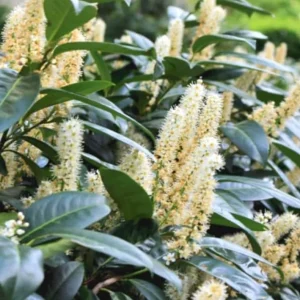
Cherry Laurel Live Plant Seedlings – Set of 2, 6-12 inches, 2.5-inch Pot, Outdoor Evergreen Shrub
Sold 83 products
Original price was: $57.98.$40.58Current price is: $40.58.
Sold 90 products
Original price was: $24.35.$7.74Current price is: $7.74.
Sold 68 products
Original price was: $23.96.$11.98Current price is: $11.98.
Sold 57 products
Original price was: $43.98.$30.78Current price is: $30.78.
Sold 85 products
From $43.98
Sold 97 products
$87.98
Sold 59 products
From $13.98
HousePlants
Lithops Live Plants Mix – 30 Colorful Succulents – Living Stones for Indoor/Outdoor Planting
Sold 79 products
Original price was: $65.98.$32.99Current price is: $32.99.



Reviews
There are no reviews yet.