
Organic Jerusalem Artichoke Sunchokes for Planting & Eating – 1LB Tuber
Original price was: $91.96.$45.98Current price is: $45.98.
Cultivate your own delicious and versatile organic Jerusalem artichoke sunchokes. These edible tubers are ideal for both planting in your garden and enjoying their unique, nutty flavor in culinary dishes. Easy to grow sunchokes, they are a great addition to any garden.
-
USDA Hardiness Zone
USDA zones 3-9 -
Soil Type
Loose, well-draining soil with organic matter -
Sunlight Exposure
Full sun -
Expected Planting Period
Early spring

You can track your order HERE
Jan 22
Jan 27 - Jan 29
Feb 01 - Feb 05
Shipping and return policies: Our Alive & Thrive Guarantee covers issues with your plants within the first 30 days. Reach out to us. Our team will answer your questions and help you find the plants that are truly suitable for your environment, climate, and personal preferences.

Overview
Discover the joy of growing and harvesting your own organic Jerusalem artichoke sunchokes. Also known as sunroot, earth apple, or topinambour, Helianthus tuberosus is a robust species of sunflower native to eastern North America. These tubers are highly prized for their versatility, serving as an excellent choice for both planting new crops and for their culinary uses. Unlike traditional potatoes, organic Jerusalem artichoke sunchokes offer a crisp texture when raw and a delightful sweet, nutty flavor, making them a fantastic addition to salads or roasted dishes. They are also known for their nutritional value, containing about 10% protein and no oil, making them a healthy choice for any diet.
Our organic Jerusalem artichoke sunchokes are carefully selected to ensure vigorous growth and abundant yields. Whether you’re a seasoned gardener looking to expand your edible landscape or a culinary enthusiast eager to try new ingredients, these sunchokes provide a rewarding experience. They are known for their adaptability and ability to thrive in various conditions, making them a reliable crop for many regions. With proper care, you can enjoy a continuous supply of these delicious tubers.
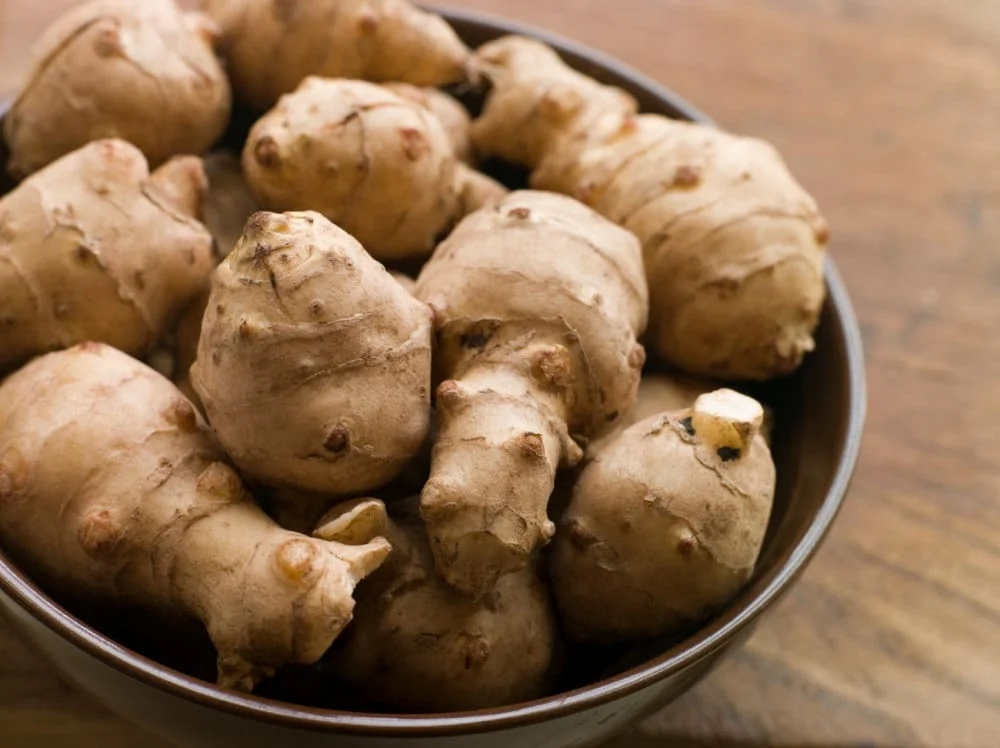
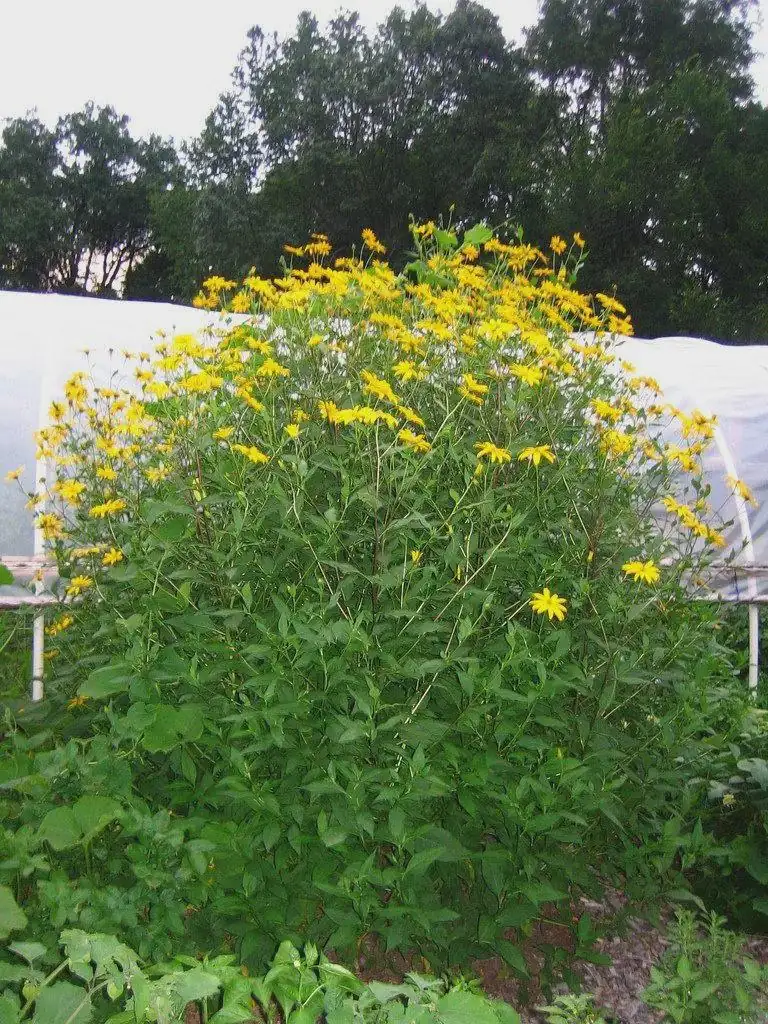
Beyond their edible qualities, these plants produce attractive yellow, capitate flowerheads, adding a touch of natural beauty to your garden. The tubers themselves vary in color from pale brown to white, red, or purple, adding visual interest to your harvest. This comprehensive guide will help you successfully grow sunchokes, from planting to harvesting, ensuring you get the most out of your purchase.
Key Benefits
Growing organic Jerusalem artichoke sunchokes offers a multitude of benefits, from enhancing your garden’s biodiversity to providing a nutritious food source. These tubers are incredibly versatile and easy to integrate into a sustainable gardening practice.
- Nutritional Powerhouse: Sunchokes are a healthy alternative to traditional root vegetables, packed with about 10% protein and surprisingly low in starch. They are a great source of inulin, a prebiotic fiber beneficial for gut health.
- Versatile Culinary Use: Enjoy these edible tubers raw in salads for a crisp, sweet, nutty flavor, or roast, boil, or mash them as a substitute for potatoes. Their unique taste profile complements a wide range of dishes.
- Easy to Grow: Organic Jerusalem artichoke sunchokes are remarkably resilient and adaptable, thriving in various soil types and requiring minimal maintenance once established. They are perfect for gardeners of all skill levels.
- High Yielding: These plants are known for their prolific tuber production, providing a generous harvest from a single planting. This makes them a cost-effective choice for home gardeners seeking abundant produce.
- Natural Screen or Windbreak: The tall stalks of the sunchoke plant can be planted densely to create an effective natural screen or windbreak in your garden, offering privacy and protection.
- Soil Improvement: As members of the sunflower family, sunchokes can help improve soil structure and add organic matter, contributing to a healthier garden ecosystem.
- Long Storage Life: Harvested sunchokes can be stored for extended periods in cool, dark conditions, allowing you to enjoy your bounty throughout the colder months.
Plant Care & Growing Tips
To successfully grow sunchokes, understanding their specific care requirements is key. These plants are generally low-maintenance but benefit from proper site selection and initial planting techniques. Plant sunchoke planting guide tubers in full sun, ensuring they receive at least 6-8 hours of direct sunlight daily for optimal growth and tuber development. While they are adaptable, a sunny location will yield the best results.
The sunchoke prefers loose, well-drained soil. Before planting, consider amending your garden beds with aged compost or sand to improve soil structure and drainage. Loose soil will not only promote healthier root growth but also make tuber harvesting significantly easier. The ideal soil pH for sunchokes ranges from 5.8 to 6.2, which is slightly acidic. Once established, sunchokes are quite hardy and can tolerate periods of drought, but they thrive with an even, regular supply of water, especially during dry spells. They generally do not require extra feeding if planted in soil rich in organic matter. However, a light application of a balanced organic fertilizer can be beneficial in nutrient-poor soils.
It is best to set sunchokes in a dedicated bed, as they can spread rapidly once established and may require some effort to manage their growth. This vigorous spreading is part of their charm, but containment can prevent them from overtaking other garden areas. Plant edible tubers 2 to 6 inches deep and 12 to 18 inches apart. If planting in rows, space rows approximately 36 inches apart. Sunchoke tubers can be planted in the garden as early as 2 to 3 weeks before the average last frost date in spring, ideally when the soil has warmed to 50°F. In warm-winter regions, planting can even occur in winter. Sunchokes require 110 to 150 days to reach harvest, growing best in temperatures ranging from 65° to 90°F. Avoid planting sunchokes near tomatoes, but they are good companions for corn, rhubarb, and peanuts.
Size & Details
This offering includes 1LB organic Jerusalem artichoke sunchokes, consisting of multiple tubers suitable for both planting and immediate consumption. The tubers are elongated and uneven, typically measuring 3.0 to 3.9 inches (7.5–10 centimeters) long and 1.2 to 2.0 inches (3–5 centimeters) thick, vaguely resembling ginger root. Their size can vary, but each tuber is viable for planting and promises a healthy yield. When grown, the plants can reach impressive heights, often several feet tall, and will produce numerous tubers underground.
These organic Jerusalem artichoke sunchokes are shipped as dormant tubers, ready for planting upon arrival. They are a fast-growing plant once established, quickly developing a robust root system and tall stalks. The harvest period typically occurs in late fall or early winter, after the plant’s foliage has died back, allowing the tubers to fully mature and concentrate their flavors. Expect a rewarding harvest approximately 110 to 150 days after planting, providing you with fresh, healthy, and delicious edible tubers for many months.
Frequently Asked Questions
- Q: How big do these organic Jerusalem artichoke sunchokes get when mature? A: The plants themselves can grow quite tall, often reaching 5-10 feet in height. The individual tubers are typically 3.0 to 3.9 inches long and 1.2 to 2.0 inches thick, but their size can vary depending on growing conditions and variety.
- Q: Are these sunchokes suitable for both planting and eating? A: Yes, absolutely! These organic Jerusalem artichoke sunchokes are premium quality, making them perfect for starting a new crop in your garden or for enjoying immediately in various culinary preparations.
- Q: What are the ideal growing conditions for sunchokes? A: Sunchokes thrive in full sun, requiring at least 6-8 hours of direct sunlight per day. They prefer loose, well-drained soil with a pH between 5.8 and 6.2. Consistent moisture is beneficial, but established plants can tolerate some drought.
- Q: Is this plant easy to care for, especially for beginners? A: Yes, sunchokes are known for being very easy to grow and are an excellent choice for beginner gardeners. They are resilient, require minimal feeding, and are generally pest-resistant, making them a low-maintenance crop.
- Q: When is the best time to plant sunchoke tubers? A: The best time to plant organic Jerusalem artichoke sunchokes is in early spring, about 2-3 weeks before the last average frost date, once the soil temperature reaches around 50°F. In warmer climates, winter planting is also an option.
- Q: How far apart should I plant the sunchoke tubers? A: Plant individual tubers 2 to 6 inches deep and space them 12 to 18 inches apart. If planting in multiple rows, ensure there is about 36 inches between rows to allow for optimal growth and spread.
- Q: What can I use sunchokes for in the kitchen? A: These edible tubers are incredibly versatile! You can enjoy them raw and thinly sliced in salads for a sweet, nutty crunch, or cook them like potatoes – roasted, boiled, mashed, or fried. They offer a unique flavor profile to many dishes.
- Q: Will sunchokes spread aggressively in my garden? A: Sunchokes are known for their vigorous spreading habit once established. It’s often recommended to plant them in a dedicated bed or use root barriers to control their spread and prevent them from taking over other areas of your garden.
- Q: What is a good companion plant for sunchokes? A: Good companion plants for sunchokes include corn, rhubarb, and peanuts. However, it’s best to avoid planting them near tomatoes, as they can inhibit each other’s growth.
- Q: What is the estimated harvest time after planting? A: You can expect to begin harvesting your organic Jerusalem artichoke sunchokes approximately 110 to 150 days after planting. The best time to harvest is typically in late fall or early winter, after the plant’s foliage has died back.
Be the first to review “Organic Jerusalem Artichoke Sunchokes for Planting & Eating – 1LB Tuber”
People Also Viewed
Sold 86 products
Original price was: $175.96.$87.98Current price is: $87.98.
Sold 61 products
Original price was: $147.16.$73.58Current price is: $73.58.
Sold 52 products
Original price was: $139.96.$69.98Current price is: $69.98.
Sold 95 products
Original price was: $119.96.$59.98Current price is: $59.98.
Sold 60 products
Original price was: $391.96.$195.98Current price is: $195.98.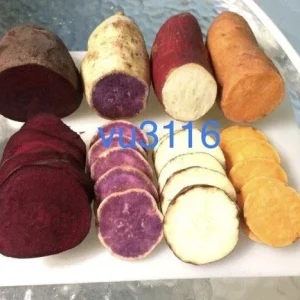

Vegetables
Sweet Potato Slips Variety Pack – 20 Slips: Purple, Okinawa, Japanese Red, Beauregard – Live Plants
Sold 69 products
$74.00

Sold 90 products
Original price was: $17.00.$13.60Current price is: $13.60.
Sold 83 products
Original price was: $130.00.$104.00Current price is: $104.00.


Reviews
There are no reviews yet.