
Organic Jerusalem Artichoke Seed Tubers – Sunchoke – Small Size
From $9.98
Cultivate your own delicious and nutritious Jerusalem artichoke seed tubers, also known as organic sunchoke tubers. These small, organic seed tubers are perfect for planting sunchoke and are an excellent addition to any edible garden. Enjoy a sweet, nutty root vegetable with minimal effort.
-
USDA Hardiness Zone
USDA zones 3-9 -
Soil Type
Loose, well-draining soil -
Sunlight Exposure
Full sun -
Expected Planting Period
Early spring

You can track your order HERE
Mar 15
Mar 20 - Mar 22
Mar 25 - Mar 29
Shipping and return policies: Our Alive & Thrive Guarantee covers issues with your plants within the first 30 days. Reach out to us. Our team will answer your questions and help you find the plants that are truly suitable for your environment, climate, and personal preferences.

Overview
Embark on a rewarding gardening journey with these high-quality Jerusalem artichoke seed tubers. Also known as sunchoke, sunroot, or earth apple, Helianthus tuberosus is a hardy and prolific root vegetable native to North America. These organic seed tubers offer a fantastic opportunity to grow a unique and versatile crop that thrives with minimal intervention. Unlike traditional potatoes, Jerusalem artichokes offer a sweeter, nuttier flavor and a crisp texture when raw, making them an excellent culinary addition. They are known for their resilience and ability to spread, providing an abundant harvest for years to come. Whether you’re a seasoned gardener or just starting out, growing Jerusalem artichoke from these organic seed tubers promises a bountiful and delicious yield.
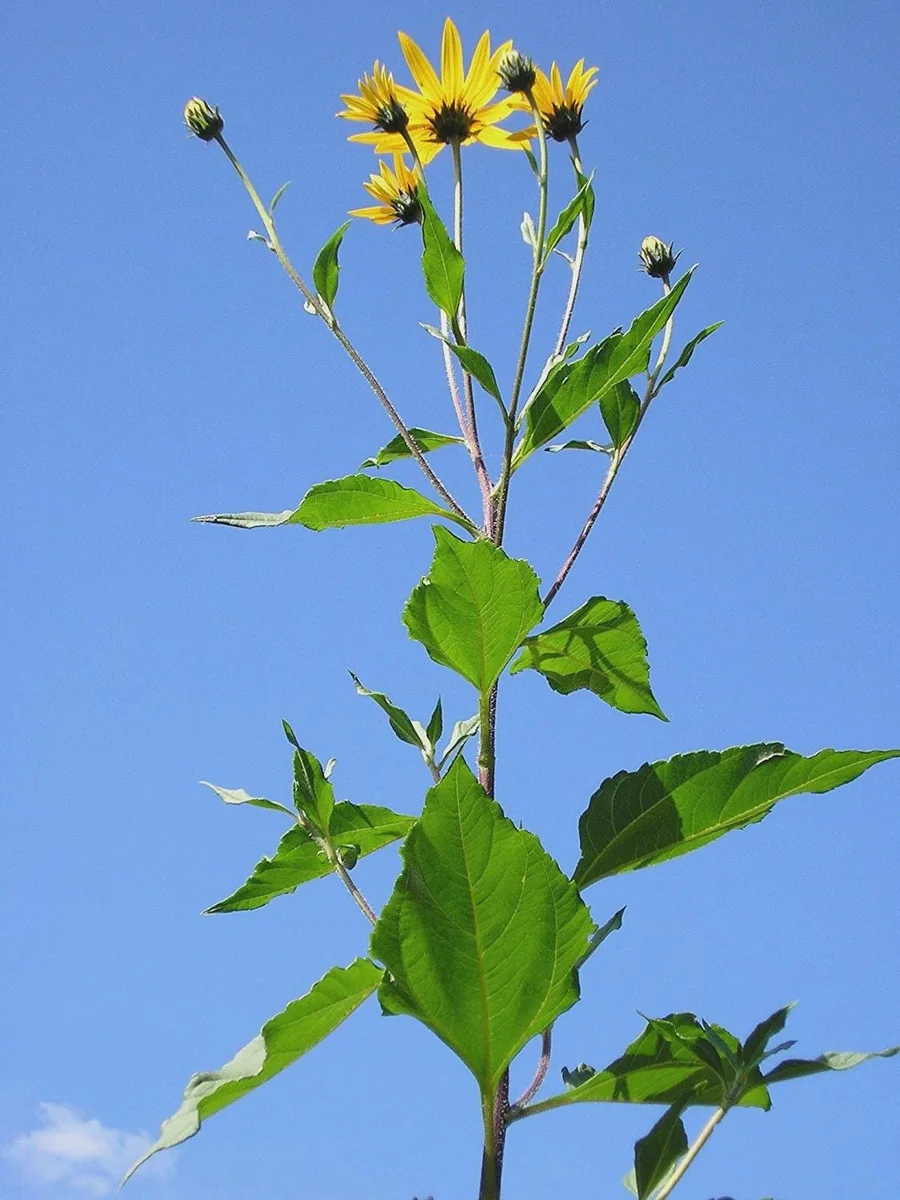
The Jerusalem artichoke is truly a wonder of the garden, producing beautiful yellow, sunflower-like blooms in addition to its prized edible tubers. These particular tubers are organic, ensuring you’re planting a healthy, chemical-free start to your crop. They are small, roughly the size of a dime or quarter, making them ideal for easy planting. Expect a robust plant that can even serve as a natural screen or windbreak in your garden, showcasing both ornamental and practical value. Discover the joy of cultivating your own fresh, organic produce with these adaptable and flavorful edible root vegetable tubers.
Key Benefits
Adding Jerusalem artichoke seed tubers to your garden offers a wealth of advantages, from culinary delights to garden aesthetics. These organic tubers provide a sustainable and delicious food source with numerous benefits:
- Nutrient-Rich Edible Crop: The tubers are a fantastic source of protein, fiber, and contain no oil or starch. They offer a healthier alternative to potatoes with a unique, sweet, and nutty flavor profile, perfect for salads, roasting, or mashing.
- Easy to Grow: Planting sunchoke is remarkably straightforward. These plants are exceptionally hardy and adaptable, tolerating a wide range of soil conditions and requiring minimal care once established, making them ideal for beginner gardeners.
- Prolific Yields: Once planted, organic sunchoke tubers multiply readily, providing a generous harvest season after season. You’ll enjoy an abundant supply of fresh Jerusalem artichokes with little ongoing effort.
- Versatile Culinary Uses: Beyond being a delicious root vegetable, Jerusalem artichokes can be used in various recipes, from soups and stews to stir-fries. Their unique flavor adds depth and character to many dishes.
- Natural Garden Screen: The tall, sunflower-like plants can grow densely, creating an attractive natural screen or windbreak in your garden, adding both beauty and function.
- Organic and Sustainable: These Jerusalem artichoke seed tubers are organically grown, ensuring you’re planting a chemical-free crop that contributes to a healthier ecosystem and provides wholesome food.
- Drought Tolerant: While they appreciate regular water, established sunchoke plants can withstand periods of drought, making them a resilient choice for various climates.
Plant Care & Growing Tips
Growing Jerusalem artichoke is a rewarding experience due to their hardiness and low maintenance requirements. To ensure a successful harvest from your Jerusalem artichoke seed tubers, follow these simple care guidelines. Plant your sunchokes in a location that receives full sun, meaning at least 6-8 hours of direct sunlight daily. While they are adaptable, a loose, well-drained soil is preferred. Amending your soil with aged compost or sand before planting will promote easier tuber harvesting later on. The ideal soil pH for sunchokes ranges from 5.8 to 6.2. It’s highly recommended to dedicate a specific bed for these plants, as they are known to spread rapidly once established and can be challenging to remove from other garden areas.
The best time for planting sunchoke tubers is in early spring, approximately 2 to 3 weeks before your average last frost date. They thrive when planted in soil that has warmed to around 50°F. In warmer winter regions, planting can even occur during the winter months. Plant the small organic sunchoke tubers 2 to 6 inches deep and space them 12 to 18 inches apart within the row. If planting multiple rows, ensure they are spaced about 36 inches apart to allow for growth. Sunchokes require 110 to 150 days to reach maturity and harvest, performing best in temperatures between 65°F and 90°F. While established plants are drought-tolerant, an even, regular supply of water will promote optimal growth and tuber development. They generally do not require additional feeding, flourishing in soil rich in organic matter. Companion plants like corn, rhubarb, and peanuts can be beneficial, but avoid planting sunchokes near tomatoes.
Size & Details
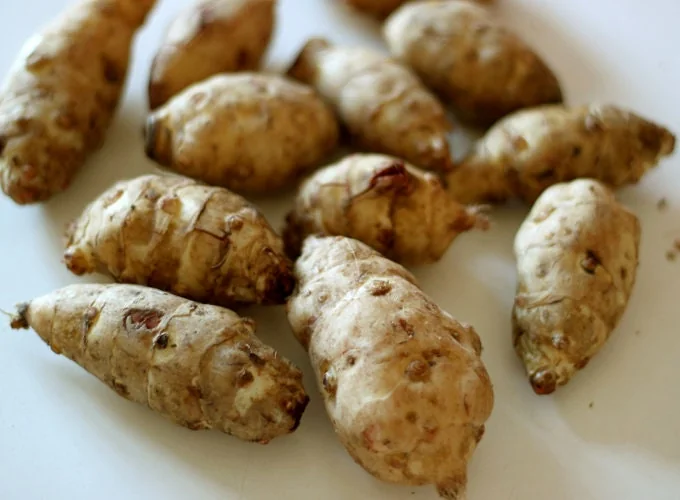
These Jerusalem artichoke seed tubers are provided as small, healthy starts, ready for planting. Each tuber is approximately the size of a dime or quarter, perfect for establishing a robust crop. When fully grown, the plants can reach impressive heights, often between 6 to 10 feet tall, producing attractive yellow, sunflower-like blooms. The tubers themselves, which are the main harvest, typically grow to be 3 to 5 centimeters (1.2 to 2.0 inches) thick and 7.5 to 10 centimeters (3.0 to 3.9 inches) long, vaguely resembling ginger root. They exhibit a crisp texture when raw and can vary in color from pale brown to white, red, or purple.
Expect a mature crop in about 110 to 150 days after planting. These tubers are specifically for planting and will develop into full-sized plants, yielding many more tubers over the growing season. They are shipped in a dormant state, ideal for spring planting, and are ready to burst into growth once conditions are right for growing Jerusalem artichoke. The ease of propagation and consistent yields make these edible root vegetable tubers an excellent investment for any home gardener.
Frequently Asked Questions
- Q: How big do these Jerusalem artichoke seed tubers get? A: These specific Jerusalem artichoke seed tubers are small, roughly the size of a dime or quarter, making them easy to handle and plant. Once grown, the plants themselves can reach 6 to 10 feet tall, and the harvested tubers typically measure 3-5 cm thick and 7.5-10 cm long.
- Q: Is this an indoor or outdoor plant? A: Jerusalem artichokes are primarily an outdoor plant. They thrive in full sun and are generally planted directly in the garden. They are not typically grown as indoor plants due to their size and spreading nature.
- Q: How much sunlight does it need? A: For optimal growth and tuber production, growing Jerusalem artichoke requires full sun, which means at least 6 to 8 hours of direct sunlight per day.
- Q: Is this plant easy to care for? A: Yes, Jerusalem artichokes are known for being very easy to care for. They are hardy, adaptable, and require minimal attention once established, making them a great choice for beginners and experienced gardeners alike.
- Q: What condition will the organic sunchoke tubers arrive in? A: The organic sunchoke tubers will arrive in a healthy, dormant state, ready for planting. They are carefully packaged to ensure they reach you in excellent condition, prepared to sprout once planted.
- Q: Can I use these edible root vegetable tubers in cooking? A: Absolutely! These tubers are specifically for growing delicious edible root vegetable Jerusalem artichokes. They can be used in a variety of culinary applications, both raw and cooked, offering a sweet, nutty flavor.
- Q: When is the best time for planting sunchoke? A: The best time for planting sunchoke is in early spring, about 2-3 weeks before the last average frost date, when the soil temperature has reached around 50°F. In warm-winter regions, they can also be planted in winter.
- Q: Will it survive winter in my zone? A: Jerusalem artichokes are very hardy and generally perennial in many temperate zones. The tubers can typically overwinter in the ground and resprout in spring, especially if mulched in colder climates.
- Q: What kind of soil do these Jerusalem artichoke seed tubers prefer? A: While adaptable, these Jerusalem artichoke seed tubers thrive best in loose, well-drained soil. Amending with compost or sand can improve soil structure and make harvesting easier.
| How Many SEED Tubers? | 15 Seed Tubers, 30 Seed Tubers, 5 Seed Tubers |
|---|
Be the first to review “Organic Jerusalem Artichoke Seed Tubers – Sunchoke – Small Size”
People Also Viewed
Sold 54 products
Original price was: $147.16.$73.58Current price is: $73.58.
Sold 72 products
Original price was: $46.56.$23.28Current price is: $23.28.
Sold 97 products
Original price was: $317.60.$158.80Current price is: $158.80.
Sold 66 products
Original price was: $259.80.$129.90Current price is: $129.90.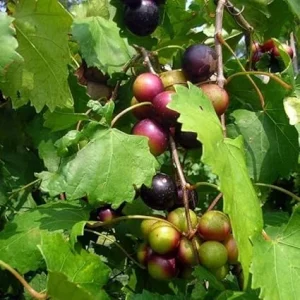
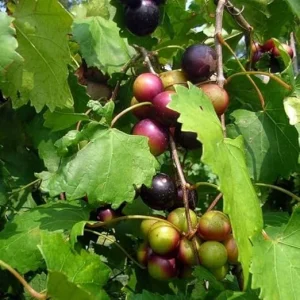
Vines
Black Muscadine Grape Vine Plant – 2 Year Old Sweet Grape Vine, Live Plant, Outdoor, USDA Zones 6-10
Sold 75 products
Original price was: $103.60.$51.80Current price is: $51.80.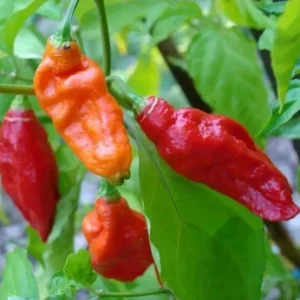
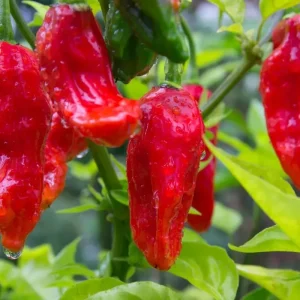
Sold 52 products
Original price was: $14.76.$7.38Current price is: $7.38.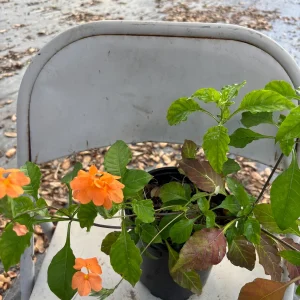
Flower Plants
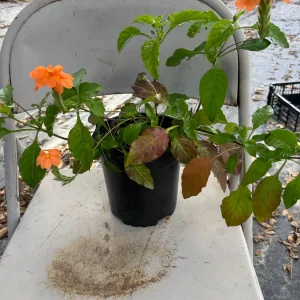
Crossandra Orange Live Plant – Firecracker Flower – Potted Houseplant – Attracts Pollinators
Sold 92 products
Original price was: $108.00.$54.00Current price is: $54.00.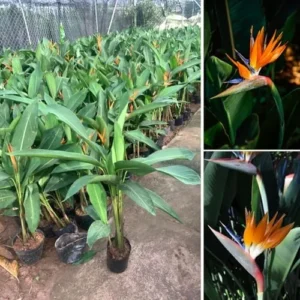
Flower Plants
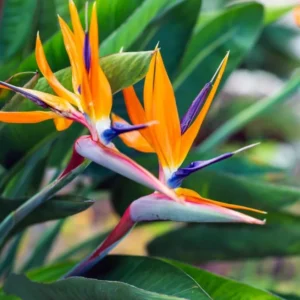
Orange Bird of Paradise Live Plant – 5-10 Inch Tropical Strelitzia Reginae Outdoor Plant
Sold 100 products
Original price was: $35.98.$17.99Current price is: $17.99.
Sold 86 products
Original price was: $61.60.$30.80Current price is: $30.80.
Sold 65 products
Original price was: $47.96.$23.98Current price is: $23.98.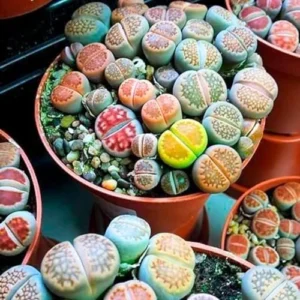
HousePlants
Lithops Live Plants Mix – 30 Colorful Succulents – Living Stones for Indoor/Outdoor Planting
Sold 77 products
Original price was: $65.98.$32.99Current price is: $32.99.
Sold 67 products
Original price was: $480.00.$240.00Current price is: $240.00.
Sold 81 products
Original price was: $400.00.$200.00Current price is: $200.00.
Sold 64 products
Original price was: $55.98.$27.99Current price is: $27.99.
Sold 51 products
Original price was: $39.98.$19.99Current price is: $19.99.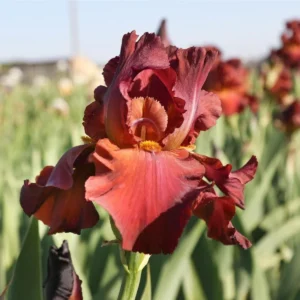
Flower Plants
Red Reblooming Bearded Iris Live Plant – ‘My Friend Jonathan’ – 3.5 inch Pot – Outdoor
Sold 93 products
From $47.80
Sold 71 products
Original price was: $24.35.$7.74Current price is: $7.74.
Sold 50 products
Original price was: $40.00.$20.00Current price is: $20.00.


Reviews
There are no reviews yet.