
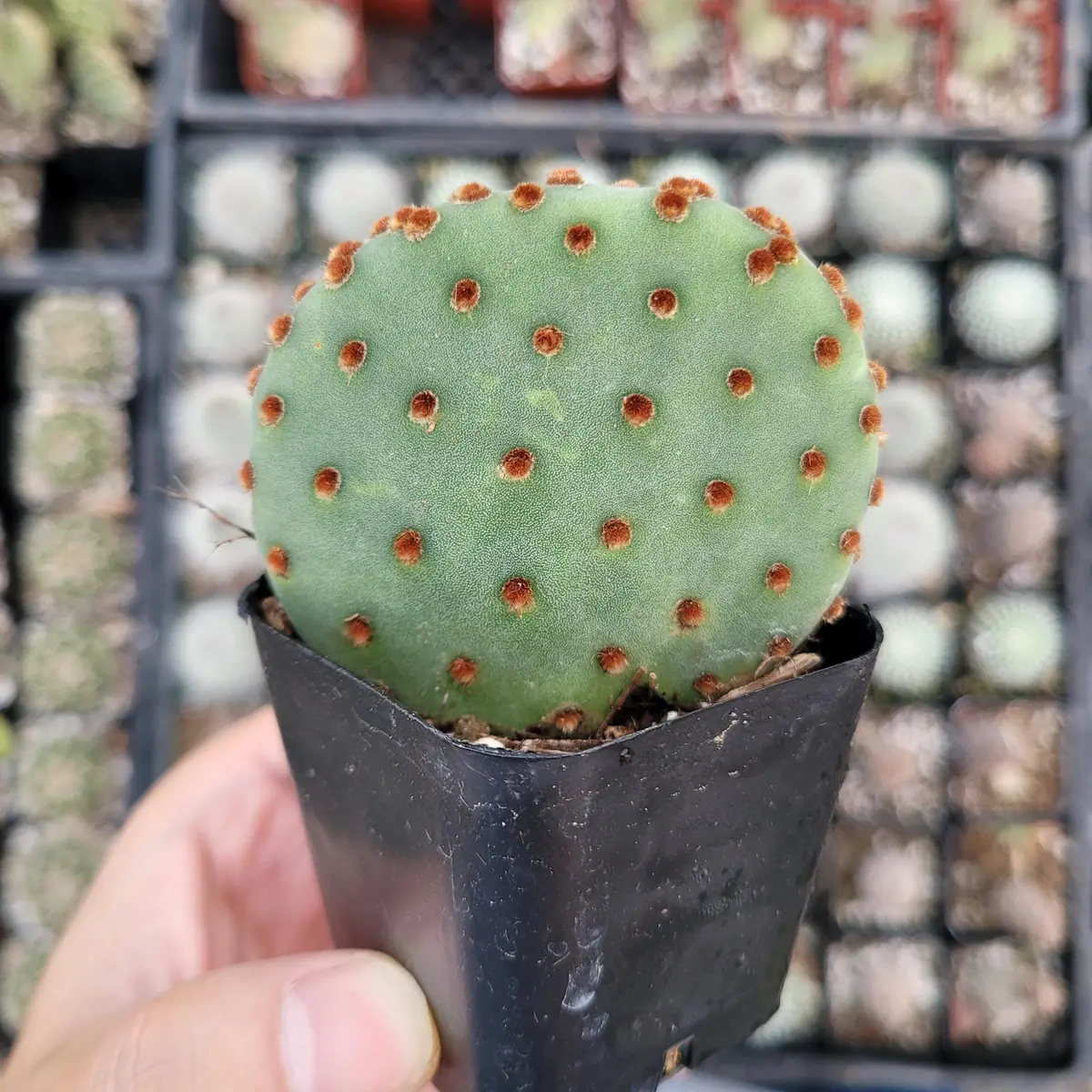
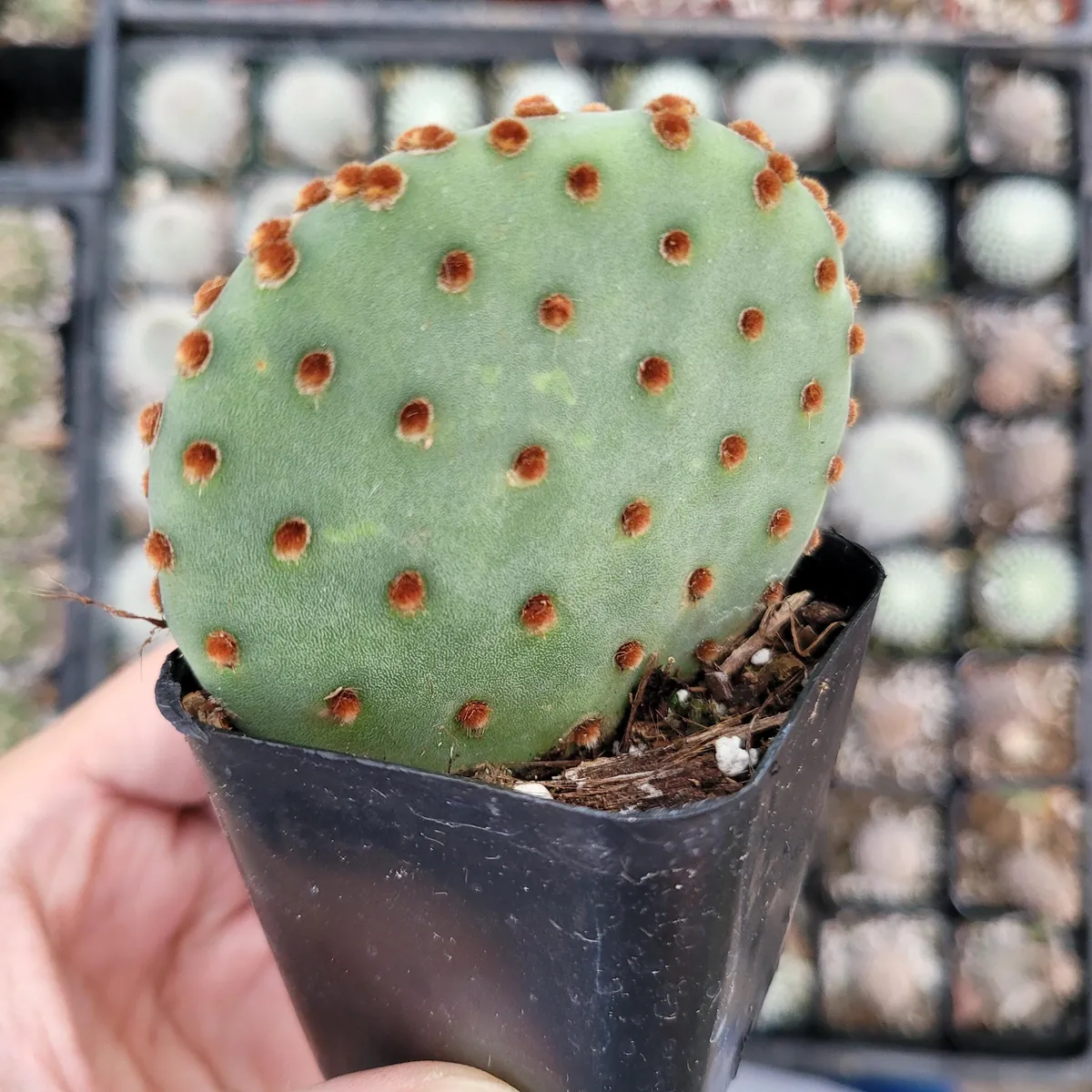
Opuntia Violacea BeaverRita Cactus – Live Succulent Plant – Drought-Tolerant
Original price was: $19.00.$9.50Current price is: $9.50.
Add a unique touch to your collection with the Opuntia Violacea BeaverRita Cactus. This stunning succulent, also known as purple prickly pear, boasts vibrant pads and is incredibly drought-tolerant, making it an ideal choice for both beginner and experienced gardeners seeking a low-maintenance, eye-catching plant.
-
USDA Hardiness Zone
USDA zones 9–11 -
Soil Type
Porous, well-draining cactus mix -
Sunlight Exposure
Full sun -
Expected Planting Period
Year-round indoors, spring to early summer outdoors

You can track your order HERE
Feb 27
Mar 04 - Mar 06
Mar 09 - Mar 13
Shipping and return policies: Our Alive & Thrive Guarantee covers issues with your plants within the first 30 days. Reach out to us. Our team will answer your questions and help you find the plants that are truly suitable for your environment, climate, and personal preferences.

Overview
Welcome to the world of unique succulents with the captivating Opuntia Violacea BeaverRita Cactus. This particular variety, often referred to as the purple prickly pear or Beaver Tail Cactus, is celebrated for its distinctive paddle-shaped pads that can take on beautiful purple hues, especially when exposed to direct sunlight or cooler temperatures. As a live succulent plant, it offers both aesthetic appeal and remarkable hardiness, making it a fantastic addition to any arid landscape or indoor plant collection. Known for its drought-tolerant nature, this cactus thrives on minimal care, embodying resilience and natural beauty. Its unique appearance and ease of cultivation make it a popular choice among succulent enthusiasts and those looking to add an exotic, low-maintenance plant to their environment.
The Opuntia Violacea BeaverRita Cactus is a true marvel of the plant kingdom, combining striking visual characteristics with an ability to withstand challenging conditions. Its pads are not only ornamental but also serve as reservoirs, allowing the plant to endure long periods without water. This makes it an excellent choice for xeriscaping or for individuals who prefer not to water frequently. Whether you’re an experienced collector or just beginning your journey with succulents, this unique cactus plant promises to be a rewarding and beautiful specimen.
Key Benefits
The Opuntia Violacea BeaverRita Cactus offers numerous advantages that make it a standout choice for plant lovers:
-
Exceptional Drought Tolerance: This succulent is perfectly adapted to arid conditions, requiring very little water once established. Its ability to store water in its pads means less frequent watering, making it a low-maintenance option for busy individuals or those in water-conscious regions.
-
Stunning Visual Appeal: The distinctive paddle-shaped pads often display a beautiful purple coloration, which intensifies under stress from sunlight or cold. This vibrant hue adds a captivating splash of color to any garden or indoor setting, making it a fantastic ornamental plant.
-
Low Maintenance: Ideal for beginners, the Opuntia Violacea BeaverRita Cactus thrives on neglect. It doesn’t require constant attention, frequent fertilization, or complex care routines, allowing you to enjoy its beauty with minimal effort. This ease of care makes it a perfect drought tolerant succulent.
-
Versatile Placement: Suitable for both indoor and outdoor cultivation in appropriate climates, this cactus can be grown in pots, rock gardens, or as part of a succulent landscape. Its adaptability allows for creative placement in various garden designs.
-
Hardy and Resilient: Succulents are known for their toughness, and the Opuntia Violacea BeaverRita Cactus is no exception. It can withstand a range of conditions and is generally pest-resistant, ensuring a long-lasting and robust plant.
-
Unique Form and Texture: The smooth, spineless pads of the purple prickly pear offer a unique texture and form that contrasts beautifully with other plants, adding architectural interest to your plant collection.
Plant Care & Growing Tips
Caring for your Opuntia Violacea BeaverRita Cactus is straightforward, especially given its hardy nature. This drought tolerant succulent thrives in conditions that mimic its natural desert habitat. Sunlight is paramount; provide ample light for optimal growth and coloration. A south-facing window is ideal for indoor plants, ensuring they receive several hours of direct sunlight daily. Outdoors, full sun exposure for at least 6 hours per day will encourage the most vibrant purple hues in the pads. In extremely hot climates, some afternoon shade might be beneficial to prevent scorching, but generally, the more sun, the better for this unique cactus plant.
When it comes to watering, less is definitely more. Allow the soil to dry out completely between waterings. In warmer months, you might water every 2-4 weeks, while in cooler months, watering can be reduced to once a month or even less, especially if the plant is dormant. Overwatering is the quickest way to kill a cactus, leading to root rot. The ideal soil should be very porous and well-draining. A specialized cactus mix, amended with pumice, perlite, or coarse sand, will provide the proper drainage. Ensure your pot has drainage holes. This plant prefers temperatures above 40 degrees Fahrenheit. If you live in an area with colder winters, consider bringing potted specimens indoors or providing protection. Fertilization is not strictly necessary but can be done sparingly during the growing season with a diluted, low-nitrogen cactus fertilizer. Monitoring for common pests like mealybugs and scale, though rare, can be done during watering, treating with an insecticidal soap if necessary. Following these guidelines will ensure your beaver tail cactus care is effective and your plant flourishes.
Size & Details
The Opuntia Violacea BeaverRita Cactus typically ships as a bare root cutting or a small, rooted plant, similar to the one shown in the product images. The exact shape and color may vary slightly upon arrival due to natural plant variations and shipping stress, but it will quickly recover and thrive in its new environment. These plants are known for their moderate growth rate, eventually forming clumps of pads that can reach up to 1-2 feet in height and spread. While exact dimensions upon arrival are not guaranteed, you can expect a healthy specimen ready for planting. When mature, its distinctive pads can grow several inches long, contributing to its overall impressive form. This purple prickly pear is a long-lived plant, providing years of enjoyment with proper care.
It’s important to note that most plants are shipped bare roots to ensure their health during transit, allowing them to acclimate better to new soil conditions. You will need to provide your own well-draining soil and a pot with adequate drainage. While the plant’s size can be influenced by pot size and growing conditions, it maintains a generally compact and manageable form, making it suitable for windowsills, outdoor containers, or rock gardens. Expect beautiful blooms of yellow or orange flowers in spring or early summer once the plant reaches maturity, adding another layer of charm to this already captivating succulent.
Frequently Asked Questions
-
Q: How big does this plant get? A: The Opuntia Violacea BeaverRita Cactus can typically grow up to 1-2 feet tall and wide, forming beautiful clumps of pads over time. Its size can be managed by pruning and pot size.
-
Q: Is this an indoor or outdoor plant? A: This drought tolerant succulent is versatile and can be grown both indoors and outdoors. It thrives outdoors in USDA Zones 9-11 and can be a stunning houseplant in colder climates, provided it receives ample sunlight.
-
Q: How much sunlight does it need? A: The Opuntia Violacea BeaverRita Cactus requires at least 6 hours of direct sunlight per day to thrive and develop its characteristic purple coloration. For indoor plants, a south-facing window is ideal.
-
Q: Is this plant easy to care for? A: Yes, this is considered a very easy-to-care-for plant. Its drought-tolerant nature and minimal needs make it perfect for beginners and those looking for a low-maintenance succulent. Understanding proper beaver tail cactus care is simple.
-
Q: What condition will it arrive in? A: Most Opuntia Violacea BeaverRita Cactus plants are shipped bare root, meaning without a pot or soil, to ensure they travel well and are ready for easy planting upon arrival. Shape and color may vary slightly.
-
Q: How often should I water my Opuntia Violacea BeaverRita Cactus? A: Water sparingly, allowing the soil to dry out completely between waterings. Typically, every 2-4 weeks during warmer months and even less frequently in winter for this unique cactus plant.
-
Q: What kind of soil is best for this cactus? A: A well-draining cactus and succulent mix is essential. You can enhance drainage by adding perlite, pumice, or coarse sand to regular potting soil.
-
Q: Will the pads really turn purple? A: Yes, the pads of the Opuntia Violacea BeaverRita Cactus will often develop beautiful purple hues, especially when exposed to strong direct sunlight or cooler temperatures.
-
Q: Is this plant safe for pets? A: While not typically considered toxic, it’s always best to keep plants out of reach of pets, especially those with glochids (tiny, hair-like spines) which can cause irritation. This purple prickly pear is generally spineless but can have fine hairs.
-
Q: When is the best time to plant this cactus? A: The ideal time to plant is in spring or early summer when temperatures are consistently warm, allowing the plant to establish itself quickly. However, potted plants can be introduced any time indoors.
Be the first to review “Opuntia Violacea BeaverRita Cactus – Live Succulent Plant – Drought-Tolerant”
People Also Viewed
Shrubs
Set of 2 Chenille Copper Plant Starter Plants – 3-6″ Tall Tropical Shrub for Outdoor Gardening
Sold 96 products
Original price was: $37.47.$12.49Current price is: $12.49.
Sold 96 products
Original price was: $28.76.$14.38Current price is: $14.38.
Sold 61 products
$48.38
Sold 68 products
$48.38
Sold 94 products
Original price was: $77.98.$38.99Current price is: $38.99.
Sold 72 products
Original price was: $100.00.$80.00Current price is: $80.00.
Sold 54 products
From $16.78
Sold 53 products
Original price was: $67.96.$33.98Current price is: $33.98.
Sold 83 products
Original price was: $159.80.$79.90Current price is: $79.90.
Sold 65 products
Original price was: $77.98.$38.99Current price is: $38.99.
Sold 94 products
Original price was: $28.76.$14.38Current price is: $14.38.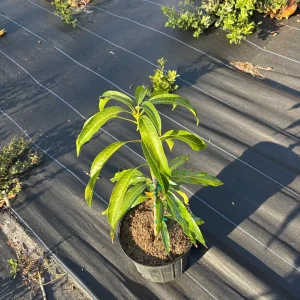
Trees
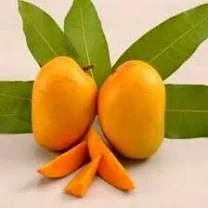
Kesar Mango Tree Live Plant, Grafted Indian Queen Variety, 2ft Tall, 2 Gallon Pot, Tropical Fruit
Sold 81 products
Original price was: $320.00.$160.00Current price is: $160.00.
Sold 63 products
From $61.58
Sold 98 products
Original price was: $39.90.$19.95Current price is: $19.95.
Sold 64 products
Original price was: $107.80.$53.90Current price is: $53.90.
Sold 94 products
Original price was: $37.80.$18.90Current price is: $18.90.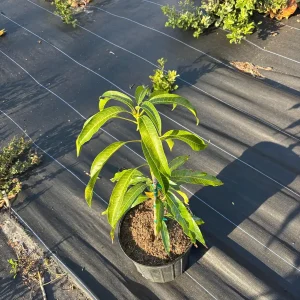
Trees
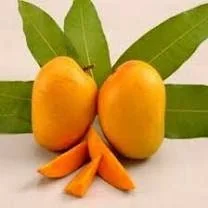
Kesar Mango Tree Live Plant – Grafted Indian Queen Variety – 2ft Tall – 2 Gallon Pot – Fruit Tree
Sold 82 products
Original price was: $320.00.$160.00Current price is: $160.00.
Sold 100 products
From $47.80



Reviews
There are no reviews yet.