
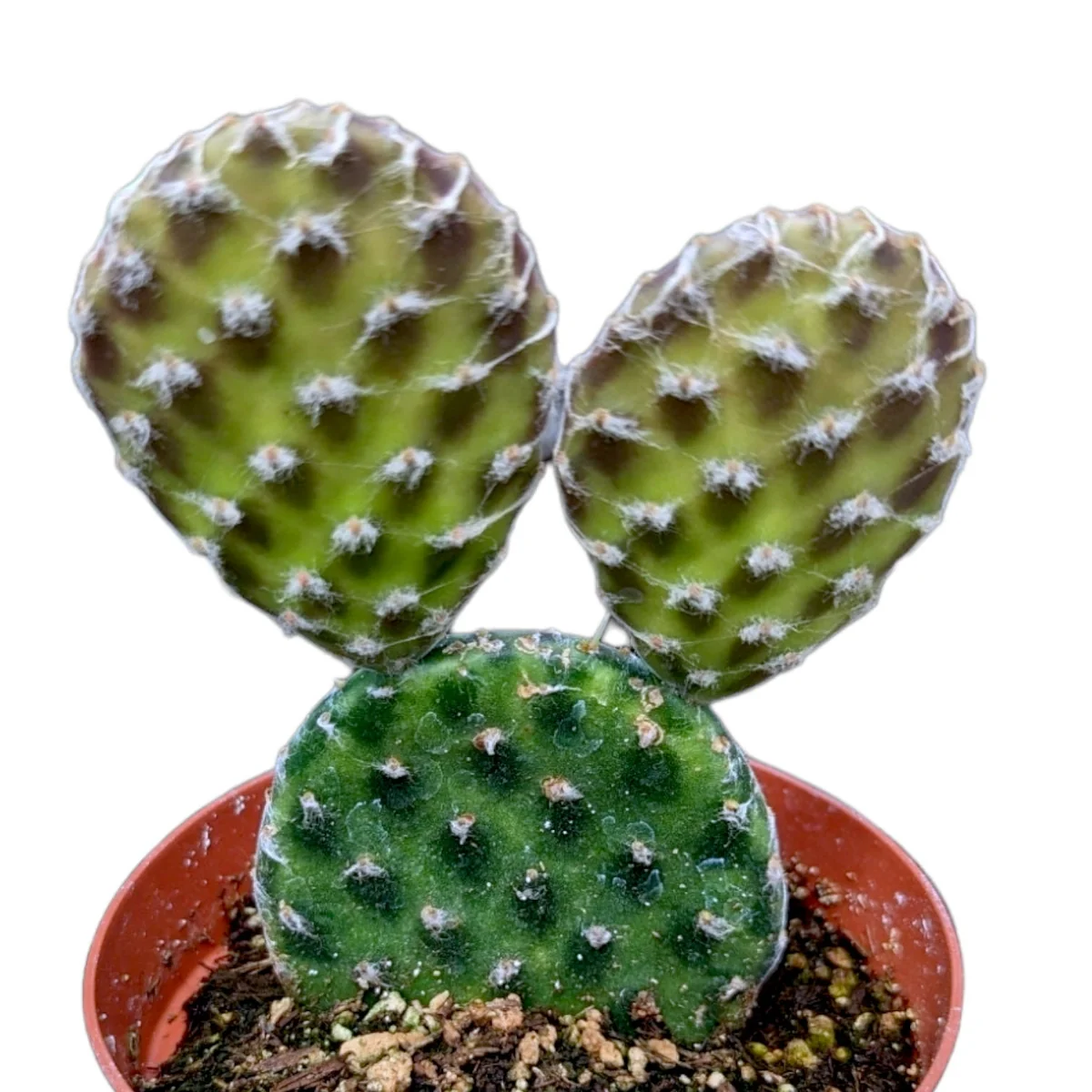
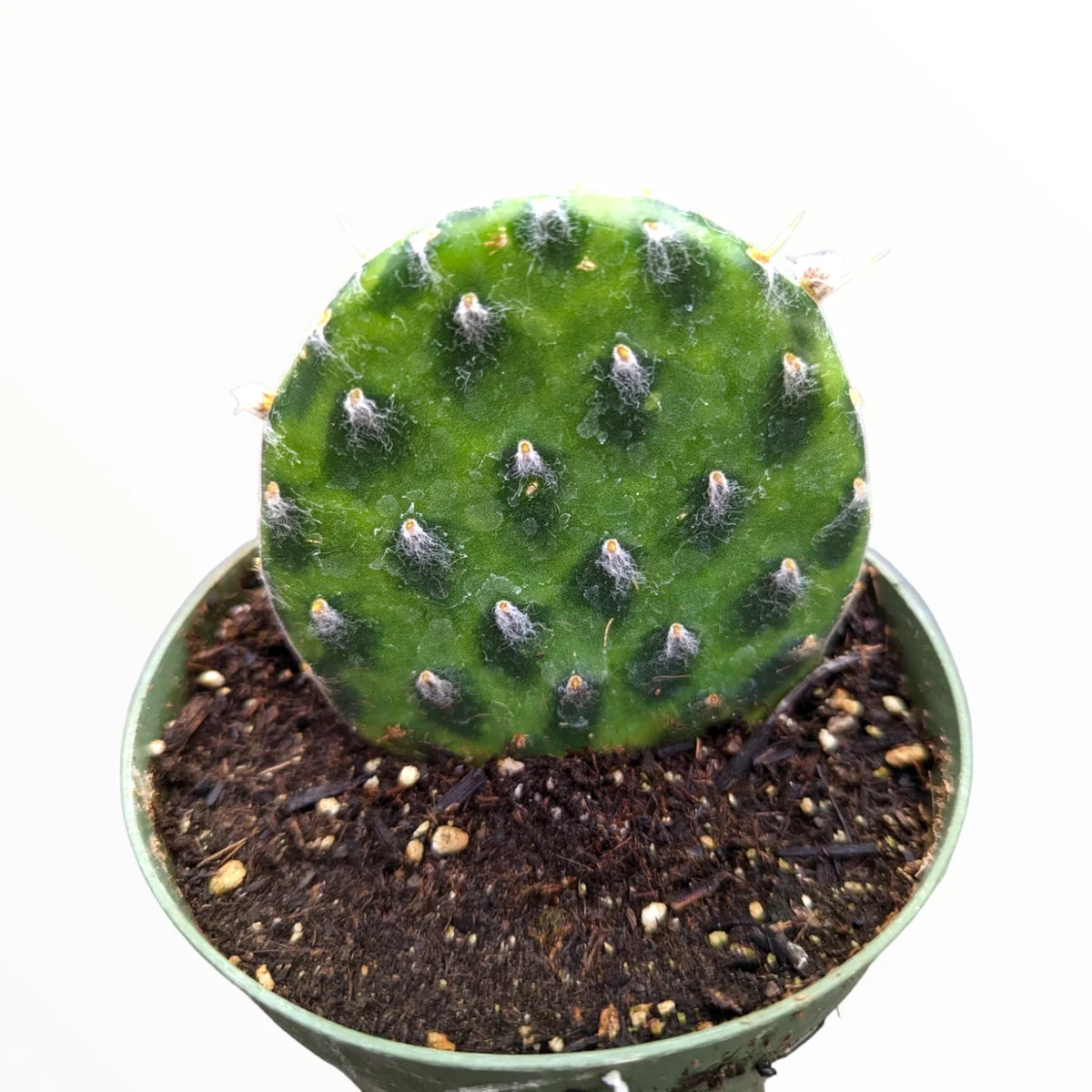
Opuntia decumbens Cactus Live Plant – Drought-Tolerant Succulent
Original price was: $34.12.$17.06Current price is: $17.06.
Bring home the unique Opuntia decumbens Cactus, a remarkably hardy and drought-tolerant cactus. This succulent thrives in bright, sunny conditions, making it an ideal choice for both indoor enthusiasts and outdoor garden landscapes. Its distinctive appearance adds a touch of desert charm to any setting.
-
USDA Hardiness Zone
USDA zones 9-11 -
Soil Type
Well-draining cactus or succulent mix -
Sunlight Exposure
Full sun -
Expected Planting Period
Year-round indoors; Spring to early summer outdoors

You can track your order HERE
Feb 27
Mar 04 - Mar 06
Mar 09 - Mar 13
Shipping and return policies: Our Alive & Thrive Guarantee covers issues with your plants within the first 30 days. Reach out to us. Our team will answer your questions and help you find the plants that are truly suitable for your environment, climate, and personal preferences.

Overview
The Opuntia decumbens Cactus is a fascinating and exceptionally resilient succulent, renowned for its hardiness and unique appearance. Also known as the Creeping Prickly Pear, this live plant is a fantastic choice for both seasoned succulent collectors and gardening novices alike. Originating from arid regions, the Opuntia decumbens Cactus is perfectly adapted to survive with minimal water, making it a truly drought-tolerant cactus. Its distinctive pads and ability to reproduce easily contribute to its popularity. This captivating succulent will add an exotic touch to your home or garden, thriving in conditions that many other plants would find challenging.
As a member of the Opuntia genus, this cactus is known for its paddle-like stems that can sprawl or mound, creating an interesting texture. It’s an excellent choice for xeriscaping or for adding architectural interest to container gardens. The Opuntia decumbens Cactus is not just a conversation starter; it’s a testament to nature’s adaptability and beauty, offering a low-maintenance yet visually striking addition to your plant collection.
Key Benefits
The Opuntia decumbens Cactus offers a variety of advantages, making it a superb choice for a wide range of environments and gardeners. Its robust nature ensures it can withstand various conditions, providing enduring beauty with minimal fuss. This hardy succulent plant is more than just ornamental; it’s a statement of resilience.
- Exceptional Drought Tolerance: The Opuntia decumbens Cactus is perfectly suited for dry conditions, requiring infrequent watering. This makes it an ideal plant for busy individuals or those in water-conscious regions, significantly reducing maintenance efforts.
- Low Maintenance Care: This succulent thrives on neglect, needing very little intervention once established. It’s an excellent choice for beginners or anyone looking for a beautiful plant that doesn’t demand constant attention.
- Unique Ornamental Appeal: With its distinctive paddle-shaped stems and potential for vibrant blooms (under optimal conditions), the Opuntia decumbens Cactus adds an exotic and architectural element to any indoor or outdoor space. It’s a truly eye-catching specimen.
- Versatile Placement: Whether you’re looking for a striking potted plant for a sunny windowsill or a resilient addition to a rock garden, this cactus adapts well. Its ability to thrive in various settings highlights its versatility.
- Air Purification Qualities: Like many plants, succulents contribute to a healthier indoor environment by absorbing carbon dioxide and releasing oxygen, subtly improving air quality in your home.
- Easy Propagation: This hardy succulent plant is known for its ability to reproduce easily from cuttings, allowing you to expand your collection or share with friends with minimal effort.
Plant Care & Growing Tips
Caring for your Opuntia decumbens Cactus is straightforward, especially given its natural resilience. To ensure your hardy succulent plant thrives, understanding its basic needs for light, water, and soil is crucial. These plants are accustomed to harsh environments, so replicating those conditions will lead to the best growth.
For optimal growth, the Opuntia decumbens Cactus requires significant sunlight. Provide at least 6 hours of direct sun daily; a south-facing window is ideal for indoor plants. If grown outdoors, choose a location that receives full sun throughout the day. Insufficient light can lead to etiolation, where the plant stretches and becomes leggy. When it comes to watering, less is more. Allow the soil to completely dry out between waterings, then water thoroughly until it drains from the bottom of the pot. During winter months, reduce watering significantly, perhaps once a month or less, as the plant enters a period of dormancy. Overwatering is the most common cause of succulent demise, leading to root rot. To prevent this, ensure your soil is extremely well-draining.
The ideal soil mix for your Opuntia decumbens Cactus should mimic its natural desert habitat. A commercial cactus or succulent potting mix is an excellent starting point. You can further enhance drainage by adding perlite, pumice, or coarse sand to the mix. A ratio of 50% potting mix to 50% inorganic material is often recommended. Good drainage is paramount as this drought-tolerant cactus cannot tolerate sitting in wet soil. Repotting is generally needed only when the plant outgrows its container, typically every 2-3 years. Fertilization is not strictly necessary but can encourage more robust growth. Use a diluted, balanced liquid fertilizer specifically formulated for cacti and succulents once or twice during the growing season (spring and summer). Protect your Opuntia care regimen from temperatures below 40°F (4°C) as freezing temperatures can damage the plant. It is generally hardy in USDA Zones 9-11.
Size & Details
The Opuntia decumbens Cactus is typically shipped as a bare-root cutting or a small, established plant, ready for potting. Its growth habit is sprawling, with pads that can reach several inches in diameter, and the plant itself can spread considerably over time, making it a striking groundcover or a substantial container specimen. While exact dimensions vary with age and growing conditions, a mature plant can reach up to 12-18 inches in height and spread several feet wide if given ample space. Young plants will be more compact and will gradually develop their characteristic shape. The pads are typically a vibrant green, often with a reddish tint when exposed to strong sunlight or cooler temperatures.
When you receive your Opuntia decumbens Cactus, it will be prepared for planting and will quickly establish itself in a suitable environment. Its moderate growth rate means you will observe noticeable development within a single growing season. This sun-loving succulents variety will bring a unique texture and form to your garden or indoor display, developing into a robust and impressive specimen over time.
Frequently Asked Questions
- Q: How big does this plant get? A: The Opuntia decumbens Cactus can spread significantly, reaching up to 12-18 inches in height and several feet in width when mature and grown in ideal conditions. Its sprawling nature makes it excellent for groundcover or large pots.
- Q: Is this an indoor or outdoor plant? A: This hardy succulent plant can thrive both indoors and outdoors. It requires bright, direct sunlight, making it suitable for sunny outdoor gardens in warm climates (USDA Zones 9-11) or as a potted plant near a south-facing window indoors.
- Q: How much sunlight does it need? A: The Opuntia decumbens Cactus is a sun-loving succulents variety and needs at least 6 hours of direct sunlight per day to thrive. Insufficient light can cause the plant to become leggy and lose its vibrant coloration.
- Q: What size pot does it come in? A: Typically, the Opuntia decumbens Cactus is shipped as a bare-root plant or a small, established plant. It does not come in a specific pot size, allowing you to choose the ideal container for its initial growth.
- Q: Is this plant easy to care for? A: Yes, the Opuntia decumbens Cactus is considered a very easy-care plant. Its drought-tolerant cactus nature means it requires minimal watering and is generally resilient, making it great for beginners.
- Q: What condition will it arrive in? A: Your Opuntia decumbens Cactus will arrive as a healthy, bare-root plant or cutting, carefully packaged to ensure its safety during transit. It will be ready for immediate potting upon arrival.
- Q: How often should I water my Opuntia? A: Water sparingly. Allow the soil to dry out completely between waterings. In warmer months, this might be every 2-4 weeks, and in cooler months, even less frequently. Overwatering is the biggest risk for this Opuntia care.
- Q: What type of soil is best for Opuntia? A: A well-draining cactus or succulent potting mix is essential. You can improve drainage further by adding perlite, pumice, or coarse sand to create an ideal environment for your Opuntia decumbens Cactus.
- Q: Will it survive winter in my zone? A: The Opuntia decumbens Cactus is hardy in USDA Zones 9-11. If you live in a colder zone, it’s best to grow it in a container that can be brought indoors during the colder months to protect it from freezing temperatures.
- Q: Does this cactus flower? A: Yes, under optimal conditions of sufficient sunlight and proper care, the Opuntia decumbens Cactus can produce attractive flowers, typically in shades of yellow or orange, adding another layer of beauty to this remarkable plant.
Be the first to review “Opuntia decumbens Cactus Live Plant – Drought-Tolerant Succulent”
People Also Viewed
Sold 69 products
$43.98
Sold 53 products
Original price was: $83.80.$41.90Current price is: $41.90.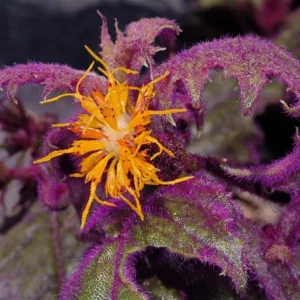
Flower Plants
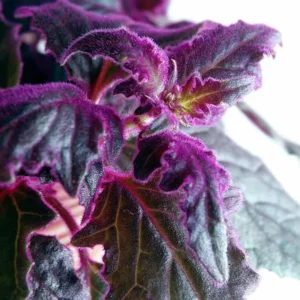
Purple Passion Plant Live – 2 Gynura Aurantiaca Plants, 4-9 Inch, Purple Velvet Royal Plant Indoor
Sold 66 products
Original price was: $49.98.$24.99Current price is: $24.99.
Sold 87 products
$57.18
Sold 85 products
Original price was: $59.98.$29.99Current price is: $29.99.
Sold 86 products
From $27.99
Sold 57 products
Original price was: $187.98.$93.99Current price is: $93.99.
Sold 80 products
Original price was: $63.96.$31.98Current price is: $31.98.
Sold 72 products
Original price was: $147.16.$73.58Current price is: $73.58.
Sold 76 products
Original price was: $47.98.$23.99Current price is: $23.99.
Sold 64 products
Original price was: $37.98.$18.99Current price is: $18.99.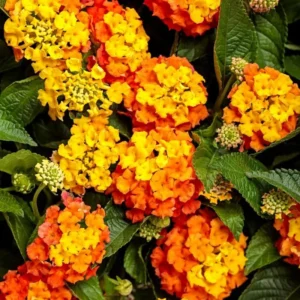
Flower Plants
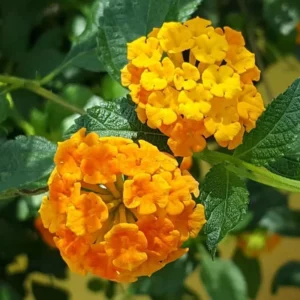
Orange Lantana Plant Live – 6-9 Inch Tall – Fragrant Outdoor Butterfly Perennial Flowers
Sold 58 products
Original price was: $37.98.$18.99Current price is: $18.99.
Sold 61 products
Original price was: $39.98.$19.99Current price is: $19.99.
Sold 74 products
Original price was: $391.96.$195.98Current price is: $195.98.
Sold 67 products
Original price was: $69.98.$34.99Current price is: $34.99.
Sold 73 products
Original price was: $77.98.$38.99Current price is: $38.99.
Sold 52 products
Original price was: $89.56.$44.78Current price is: $44.78.
Sold 87 products
Original price was: $57.30.$34.38Current price is: $34.38.


Reviews
There are no reviews yet.