
Onoclea Sensibilis Sensitive Fern Bare-Root Live Plant – Up to 4′ Tall
From $39.96
Enhance your shade garden with the unique sensitive fern bare-root (Onoclea Sensibilis). This deciduous fern thrives in moist to wet soils, adding lush green texture. Known for its ‘sensitivity’ to frost and drought, it’s a distinctive choice for naturalized plantings and woodland gardens.
-
USDA Hardiness Zone
USDA Zones 4-9 -
Soil Type
Organically rich, medium moisture to wet, well-drained soil -
Sunlight Exposure
Part shade to full shade -
Expected Planting Period
Early spring to fall

You can track your order HERE
Mar 02
Mar 07 - Mar 09
Mar 12 - Mar 16
Shipping and return policies: Our Alive & Thrive Guarantee covers issues with your plants within the first 30 days. Reach out to us. Our team will answer your questions and help you find the plants that are truly suitable for your environment, climate, and personal preferences.

Overview
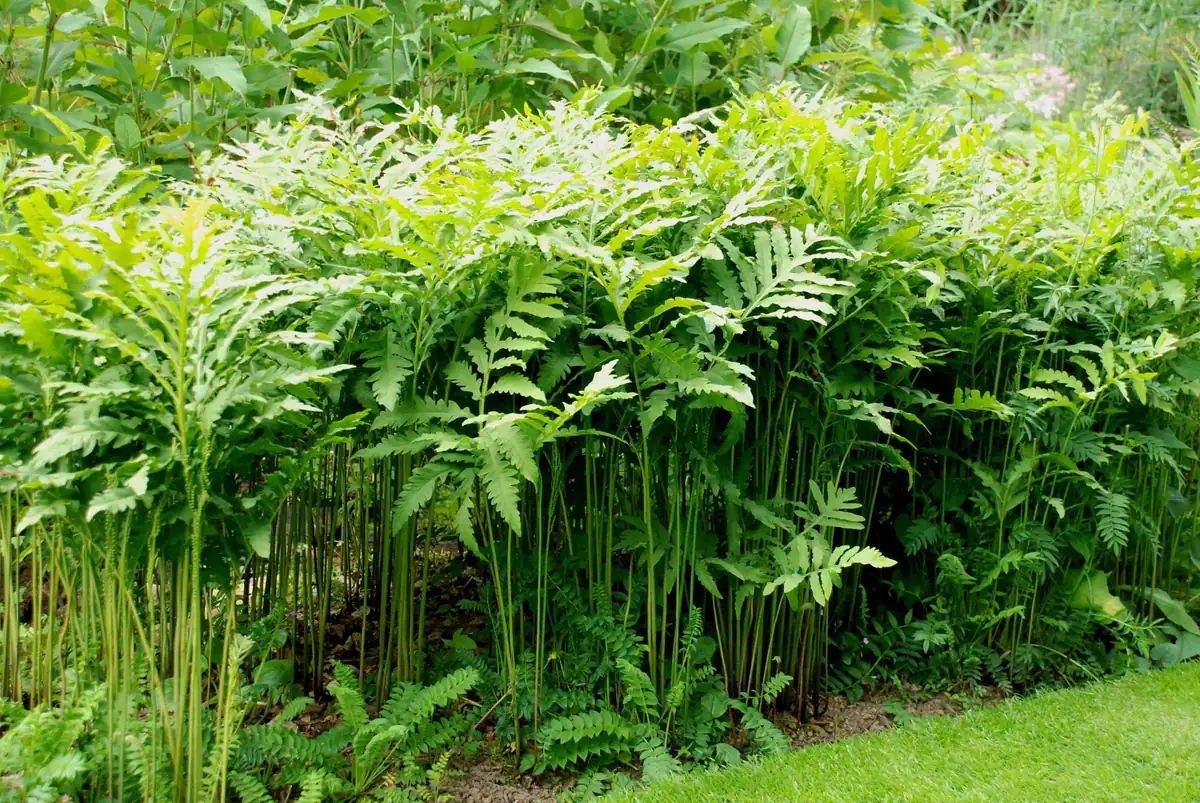
Introduce a touch of native wilderness to your landscape with the sensitive fern bare-root, scientifically known as Onoclea Sensibilis. This fascinating deciduous fern is a large, somewhat coarse, Missouri native that flourishes in wet woodlands, thickets, and along streams and springs. Unlike many ferns, it’s uniquely termed ‘sensitive’ due to its fronds’ susceptibility to the first fall frost and drought, which causes them to brown almost immediately. Growing up to 4 feet tall, this fern is an excellent choice for naturalizing shaded areas where consistent moisture is available, making it a standout addition to any damp garden setting.
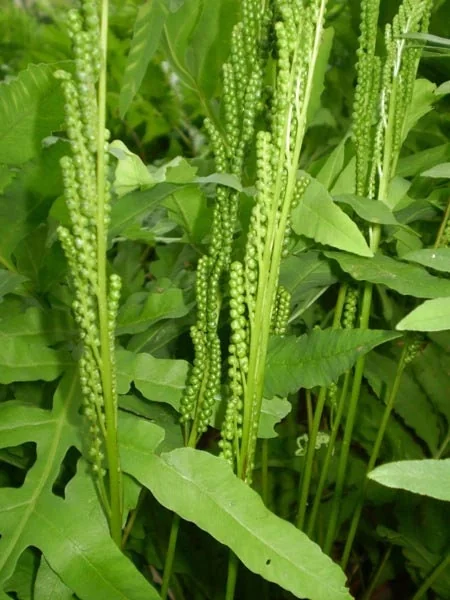
The Onoclea Sensibilis plant features long-stalked, deeply pinnatifid, bright green vegetative fronds that can reach 2-4 feet in length. These fronds boast leathery, triangular leaflets with distinctively netted veins, providing a rich, textured appearance. Shorter, erect, woody-like fertile fronds, growing up to 12 inches tall, develop bead-like segments that typically brown in late summer and persist throughout winter, offering continued visual interest. This native fern for shade spreads by both creeping rhizomes and spores, and while it can be somewhat aggressive in optimal conditions, it’s easily managed in the right environment, creating a lush, verdant groundcover.
Key Benefits
The sensitive fern bare-root offers several advantages for gardeners looking to create a natural and vibrant landscape. Its unique characteristics and adaptability make it a valuable addition to various garden styles:
-
Exceptional Texture and Visual Interest: The deeply pinnatifid, bright green fronds with netted veins provide a unique, coarse texture that stands out in woodland and shade gardens. Its distinctive fertile fronds add interest even through winter.
-
Thrives in Moist to Wet Areas: Perfect for those challenging, consistently damp spots in your garden where other plants struggle. This fern is a natural fit for boggy areas, stream banks, and perpetually moist soil, making it an ideal wet garden fern.
-
Native Plant Benefits: As a Missouri native, Onoclea Sensibilis is well-adapted to local conditions and contributes to biodiversity, supporting local ecosystems and wildlife. It’s a sustainable choice for naturalized plantings.
-
Low Maintenance in Ideal Conditions: Once established in its preferred moist, shady environment, the sensitive fern bare-root requires minimal intervention. It’s relatively free from serious insect or disease problems, making it an easy-care option.
-
Naturalizes Effectively: Spreads by rhizomes and spores to form attractive colonies, creating a lush, natural groundcover over time. This makes it excellent for filling in larger shaded areas.
-
Adaptable to Average Garden Soil: While it loves wet conditions, it can also grow well in average garden soil as long as it doesn’t dry out, showcasing its versatility.
Plant Care & Growing Tips
Caring for your sensitive fern bare-root involves understanding its natural preferences to ensure robust growth. This fern thrives in organically rich, medium moisture to wet, well-drained soil. It prefers part shade to full shade, making it an excellent candidate for the darker corners of your garden. Consistent moisture is crucial; while it tolerates swampy conditions, it will also grow well in average garden soil provided it never dries out. The fern often achieves greater height in wetter soils. When planting your Onoclea Sensibilis plant, ensure the crown is just at soil level, and water thoroughly immediately after planting to help establish the bare-root.
For optimal health and to ensure a vibrant display, maintain a vigilant watering schedule, especially during dry spells. Although the sensitive fern care is generally straightforward, its ‘sensitive’ nature means it will quickly show signs of stress from drought. Mulching around the base can help retain soil moisture and regulate soil temperature. While generally problem-free from insects and diseases, foliage may look less vibrant in hot climates if soil moisture is not consistently maintained. It is hardy in USDA zones 4-9, making it suitable for a wide range of climates. Fertilization is generally not necessary in rich organic soil; however, a light application of a balanced, slow-release fertilizer in spring can encourage vigorous growth if your soil is poor. Protect from the first fall frost to prolong the life of its green fronds, though the fertile fronds will persist through winter.
Size & Details
The sensitive fern bare-root is shipped as a dormant bare-root plant, ready for planting upon arrival. Once established, this fern typically grows up to 4 feet tall, with its bright green vegetative fronds reaching lengths of 2-4 feet. The shorter, erect fertile fronds grow to about 12 inches. It spreads through creeping rhizomes, forming clumps and colonies over time, making it an excellent choice for naturalizing large areas. The growth rate is moderate to fast under ideal conditions, quickly filling out its designated space. The bare-root format allows for easy establishment and adaptability to your garden’s specific conditions, ensuring a healthy start for your new native fern for shade.
Frequently Asked Questions
-
Q: How big does this fern get? A: The sensitive fern bare-root can grow up to 4 feet tall, with its vegetative fronds reaching 2-4 feet in length. The fertile fronds are typically shorter, around 12 inches.
-
Q: Is this an indoor or outdoor plant? A: The Onoclea Sensibilis is an outdoor plant, best suited for woodland gardens, moist areas, and naturalized plantings in shady outdoor environments. It is not typically grown as an indoor houseplant.
-
Q: How much sunlight does it need? A: This fern prefers part shade to full shade. It thrives in locations with filtered light or deep shade, avoiding direct, harsh sunlight which can scorch its fronds.
-
Q: Is this fern easy to care for? A: Yes, sensitive fern care is relatively easy once established, provided its needs for consistent moisture and shade are met. It’s a low-maintenance choice for the right garden conditions.
-
Q: What condition will the bare-root arrive in? A: Your sensitive fern bare-root will arrive dormant, carefully packaged to ensure its health during transit. Plant it promptly upon arrival according to the provided instructions.
-
Q: When is the best time to plant a sensitive fern? A: The best time to plant bare-root ferns is typically in early spring or fall, allowing the plant to establish its root system before extreme summer heat or winter cold.
-
Q: Will it survive winter in my zone? A: The Onoclea Sensibilis plant is hardy in USDA Zones 4-9, meaning it will reliably return each spring in these regions. Its green fronds will die back with the first frost, but new growth will emerge in spring.
-
Q: What kind of soil does this fern prefer? A: It prefers organically rich, medium moisture to wet, well-drained soil. While it tolerates swampy conditions, it can also grow in average garden soil as long as it remains consistently moist.
-
Q: Can I grow this wet garden fern near a pond or stream? A: Absolutely! It’s an ideal choice for moist locations along streams and ponds, as it naturally occurs in such environments and tolerates wet soils very well.
-
Q: How aggressive is its spreading habit? A: The sensitive fern bare-root spreads by creeping rhizomes and spores. In optimum growing conditions, it can be somewhat aggressive, forming colonies. This makes it excellent for naturalizing but may require occasional management in smaller spaces.
| Sensitive fern | 10, 3, 6 |
|---|
Be the first to review “Onoclea Sensibilis Sensitive Fern Bare-Root Live Plant – Up to 4′ Tall”
People Also Viewed
Sold 57 products
$48.38

Sold 88 products
Original price was: $10.76.$5.38Current price is: $5.38.
Sold 78 products
Original price was: $400.00.$200.00Current price is: $200.00.
Sold 58 products
Original price was: $49.98.$24.99Current price is: $24.99.
Sold 59 products
Original price was: $36.00.$28.80Current price is: $28.80.
Sold 69 products
From $47.80
Sold 59 products
Original price was: $157.96.$78.98Current price is: $78.98.
Sold 75 products
Original price was: $49.98.$24.99Current price is: $24.99.
Sold 79 products
Original price was: $41.56.$20.78Current price is: $20.78.
Trees
Sold 54 products
Original price was: $39.96.$19.98Current price is: $19.98.
Sold 76 products
Original price was: $51.16.$25.58Current price is: $25.58.
Sold 57 products
Original price was: $147.16.$73.58Current price is: $73.58.
Sold 68 products
Original price was: $23.00.$18.40Current price is: $18.40.
Sold 57 products
Original price was: $31.96.$15.98Current price is: $15.98.
HousePlants
Lithops Live Plants Mix – 10 Large Colorful Living Stones Succulents for Indoor/Outdoor Growing
Sold 97 products
Original price was: $27.98.$13.99Current price is: $13.99.
Vegetable Seeds
Sold 92 products
Original price was: $9.96.$4.98Current price is: $4.98.
Sold 87 products
Original price was: $38.00.$30.40Current price is: $30.40.
Sold 97 products
From $67.80


Reviews
There are no reviews yet.