


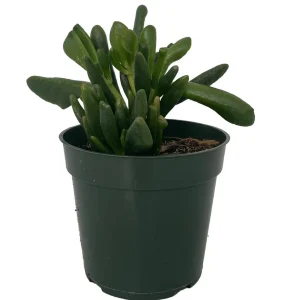
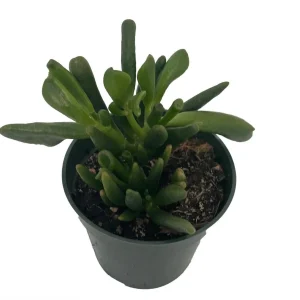
Ogre’s Ear Jade Plant – Crassula ovata ‘Gollum’ – Live Succulent – 4 inch Pot
Original price was: $28.76.$14.38Current price is: $14.38.
Bring home a unique and easy-to-care-for Ogre’s Ear Jade Plant. This distinctive succulent, also known as Crassula ovata ‘Gollum’, features tubular, finger-like leaves that add an intriguing touch to any indoor space. Perfect for beginners or those looking for an interesting indoor jade plant, it comes in a convenient 4-inch pot, ready to thrive.
-
USDA Hardiness Zone
USDA zones 9-11 (outdoors), year-round indoors -
Soil Type
Well-draining succulent or cactus mix -
Sunlight Exposure
Bright indirect light -
Expected Planting Period
Year-round indoors

You can track your order HERE
Mar 03
Mar 08 - Mar 10
Mar 13 - Mar 17
Shipping and return policies: Our Alive & Thrive Guarantee covers issues with your plants within the first 30 days. Reach out to us. Our team will answer your questions and help you find the plants that are truly suitable for your environment, climate, and personal preferences.

Overview
The Ogre’s Ear Jade Plant, scientifically known as Crassula ovata ‘Gollum’, is a truly captivating live succulent that brings a touch of whimsical beauty to any plant collection. Its distinctive tubular, finger-like leaves, often tipped with a reddish hue when exposed to ample sunlight, resemble the ears of an ogre, hence its charming common name. This unique succulent is closely related to the more common jade plant, making it just as easy to care for and an excellent choice for both novice and experienced plant enthusiasts. Originating from South Africa, this variety of jade plant is celebrated for its sculptural form and robust nature, thriving with minimal fuss. As a live plant, it arrives ready to be a focal point in your home, adding a vibrant green and interesting texture to your decor. The Ogre’s Ear Jade Plant is a fantastic addition for anyone seeking an unusual yet low-maintenance houseplant.
This particular Crassula ovata ‘Gollum’ specimen is a resilient and long-lived succulent. Its evergreen nature ensures year-round appeal, with thick, woody branches that develop over time, giving it a tree-like appearance. The smooth, rounded, fleshy leaves grow in opposing pairs, creating a dense and attractive foliage display. While primarily grown for its unique leaf structure, mature plants can occasionally produce small, star-like white or pink flowers in early spring under ideal conditions. Its architectural form also makes it a popular choice for those interested in creating a unique bonsai succulent.
Key Benefits
The Ogre’s Ear Jade Plant offers a multitude of benefits, making it an ideal choice for a wide range of plant lovers. Its unique appearance and easy-care nature are just the beginning of what this fascinating succulent has to offer.
- Unique Aesthetic Appeal: The most striking feature of the Ogre’s Ear Jade Plant is its unusual tubular leaves, which resemble suction cups or fingers. This distinct shape and vibrant green color add an exotic and sculptural element to any room, making it a conversation starter and a unique decorative piece.
- Low Maintenance & Easy Care: This succulent is incredibly forgiving and requires minimal attention, making it perfect for busy individuals, beginners, or those new to plant care. It tolerates neglect better than overwatering, simplifying its care routine significantly.
- Drought Tolerant: As a succulent, the Crassula ovata ‘Gollum’ stores water in its fleshy leaves, allowing it to withstand periods of drought. This makes it an excellent choice for those who might forget to water regularly or live in drier climates.
- Air Purifying Properties: Like many houseplants, the Indoor Jade Plant contributes to healthier indoor air quality by absorbing certain toxins and releasing oxygen, creating a fresher and more pleasant living environment.
- Longevity & Hardiness: Jade plants are known for their long lifespan, often living for decades with proper care. This makes the Ogre’s Ear Jade Plant a lasting addition to your home, growing into a mature and impressive specimen over time.
- Versatile Decor: Its compact size and interesting form allow it to fit seamlessly into various decor styles, from modern minimalist to eclectic. It looks great on desks, shelves, windowsills, or as part of a succulent arrangement.
- Bonsai Potential: The woody stems and manageable growth habit of the Bonsai Succulent make it an excellent candidate for bonsai training. Its natural tendency to develop a tree-like structure lends itself well to shaping and pruning, offering a rewarding horticultural project.
Plant Care & Growing Tips
Caring for your Ogre’s Ear Jade Plant is straightforward, making it a rewarding experience for gardeners of all levels. Understanding its basic needs will ensure your Crassula ovata ‘Gollum’ thrives and continues to display its unique beauty for years to come. The key to success with this easy care succulent lies in providing adequate light, appropriate watering, and well-draining soil.
Sunlight Requirements
The Ogre’s Ear Jade Plant flourishes in bright, indirect light for at least 4-6 hours a day. While it can tolerate some direct morning sun, intense afternoon sun can scorch its leaves, especially if it’s not acclimated. An east-facing or south-facing window with some protection is ideal for an indoor jade plant. If you notice the leaves losing their vibrant green or becoming leggy, it’s likely not getting enough light. Conversely, too much direct sun can cause the leaves to turn a reddish-brown, which can be a sign of stress, though some varieties develop red tips in high light as a desirable trait.
Watering Schedule & Soil Moisture
Overwatering is the most common cause of problems for jade plants. Allow the soil to dry out completely between waterings, then water thoroughly until water drains from the bottom of the pot. In cooler months or during dormancy, reduce watering significantly. The best way to check if it needs water is to stick your finger about an inch or two into the soil; if it feels dry, it’s time to water. Ensure the pot has drainage holes to prevent waterlogging, which can lead to root rot. This bonsai succulent is highly drought-tolerant, preferring to be on the drier side.
Soil Type & Drainage
A well-draining soil mix is crucial for the health of your Ogre’s Ear Jade Plant. A commercial succulent or cactus mix is ideal. You can also create your own by mixing regular potting soil with perlite, pumice, or coarse sand in a 1:1 ratio. Good drainage prevents root rot, which is fatal for succulents. Choose a pot with a drainage hole to facilitate proper water flow and aeration for the roots.
Temperature Range & USDA Hardiness Zone
Jade plants prefer average room temperatures between 65-75°F (18-24°C). They can tolerate slightly cooler temperatures but should be protected from frost, as they are not cold-hardy. If grown outdoors, they are best suited for USDA Zones 9-11, where temperatures rarely drop below freezing. If you live in a colder zone, bring your indoor jade plant indoors before the first frost.
Fertilization
Fertilize sparingly during the growing season (spring and summer) with a balanced, diluted liquid fertilizer formulated for succulents or houseplants. A half-strength dilution every 2-4 weeks is generally sufficient. Avoid fertilizing in fall and winter when the plant’s growth slows down. Over-fertilization can lead to leggy growth and chemical burns on the roots.
Common Problems & Solutions
Pests like mealybugs and spider mites can occasionally affect the Ogre’s Ear Jade Plant. Treat infestations with insecticidal soap or neem oil. Yellowing leaves can indicate overwatering, while shrivelled leaves may suggest underwatering. Adjust your watering schedule accordingly. Leggy growth often points to insufficient light, so move your plant to a brighter location.
Size & Details
This Ogre’s Ear Jade Plant is typically shipped as a healthy, established live plant in a 4-inch nursery pot. At the time of shipment, the plant’s height generally ranges from 4 to 6 inches, though this can vary slightly based on individual growth. Its compact size makes it an excellent choice for windowsills, desks, or small shelves. The plant will continue to grow, developing thicker, woody stems and expanding its unique tubular foliage. With proper care, it can eventually reach a height of 1 to 3 feet indoors, forming a miniature tree-like structure, especially if pruned to encourage a desired shape, which enhances its appeal as a bonsai succulent. The growth rate is moderate, allowing you to enjoy its evolving form over time.
The plant is carefully packaged to ensure it arrives in optimal condition, ready to be placed in your home. The 4-inch pot provides enough space for initial growth before it may require repotting, typically every 2-3 years or when it becomes root-bound. The Crassula ovata ‘Gollum’ is known for its resilience, making it a durable and long-lasting addition to your plant collection. Expect it to thrive with minimal intervention, offering a continuous display of its fascinating foliage.
Frequently Asked Questions
- Q: How big does this plant get? A: The Ogre’s Ear Jade Plant typically arrives in a 4-inch pot and is about 4-6 inches tall. With proper care, it can grow up to 1-3 feet tall indoors and develop a woody stem, resembling a small tree, making it a great bonsai succulent candidate.
- Q: Is this an indoor or outdoor plant? A: This Crassula ovata ‘Gollum’ is primarily grown as an indoor jade plant in most climates. It can be moved outdoors in USDA Zones 9-11 during warmer months but must be brought inside before temperatures drop below freezing.
- Q: How much sunlight does it need? A: The Ogre’s Ear Jade Plant thrives in bright, indirect light for at least 4-6 hours daily. A spot near an east or south-facing window is ideal. Too much direct, intense sun can scorch its leaves, while too little light can lead to leggy growth.
- Q: Is this plant easy to care for? A: Yes, this is considered an easy care succulent, making it perfect for beginners. Its drought tolerance and minimal watering needs contribute to its low-maintenance reputation.
- Q: What condition will it arrive in? A: Your Ogre’s Ear Jade Plant will arrive as a healthy, established live plant in its 4-inch nursery pot, carefully packaged to ensure its safe transit and readiness for display in your home.
- Q: How often should I water my Ogre’s Ear Jade Plant? A: Water sparingly. Allow the soil to dry out completely between waterings. This typically means watering every 2-4 weeks, depending on light, temperature, and humidity. Always check the soil moisture before watering.
- Q: Can I use this plant for bonsai? A: Absolutely! The natural growth habit and woody stems of the Ogre’s Ear Jade Plant make it an excellent choice for bonsai training. Its unique form adds an artistic touch to traditional bonsai techniques.
- Q: Is the Ogre’s Ear Jade Plant pet-safe? A: Unfortunately, jade plants, including the Crassula ovata ‘Gollum’, are considered toxic to pets if ingested. It’s best to keep them out of reach of curious animals.
- Q: What kind of soil is best for this succulent? A: A well-draining succulent or cactus potting mix is essential. You can also amend regular potting soil with perlite or coarse sand to improve drainage and prevent root rot.
- Q: Will my Ogre’s Ear Jade Plant flower? A: Mature Ogre’s Ear Jade Plant specimens can produce small, star-like white or pink flowers in early spring under ideal growing conditions, though it’s primarily grown for its foliage.
Be the first to review “Ogre’s Ear Jade Plant – Crassula ovata ‘Gollum’ – Live Succulent – 4 inch Pot”
People Also Viewed
Sold 70 products
Original price was: $39.98.$19.99Current price is: $19.99.
Flower Plants
African Violet Live Plant Houseplant – Dark Blue Flower, 4 Inch Pot – Indoor Ready to Grow
Sold 69 products
Original price was: $75.98.$37.99Current price is: $37.99.
Sold 78 products
Original price was: $188.00.$94.00Current price is: $94.00.
Sold 57 products
Original price was: $51.98.$25.99Current price is: $25.99.
Gardening Supplies
Organic Plant Food 16oz – Liquid Concentrate for Vegetables, Flowers, Trees, Grasses
Sold 54 products
Original price was: $91.80.$45.90Current price is: $45.90.
Sold 53 products
Original price was: $47.96.$23.98Current price is: $23.98.
Sold 93 products
Original price was: $1,596.00.$798.00Current price is: $798.00.
Sold 64 products
Original price was: $440.00.$220.00Current price is: $220.00.

Sold 59 products
Original price was: $89.98.$44.99Current price is: $44.99.
Sold 52 products
$48.38
Sold 56 products
From $20.90
Sold 90 products
Original price was: $100.00.$80.00Current price is: $80.00.
Sold 76 products
$43.98
Sold 66 products
From $16.04
Sold 87 products
Original price was: $39.98.$19.99Current price is: $19.99.
Sold 75 products
Original price was: $36.00.$28.80Current price is: $28.80.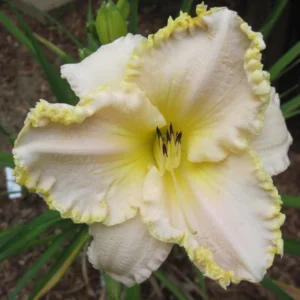
Flower Plants
Marquee Moon Daylily Live Plant – Creamy White Flowers, Gold Edge – 1 Gallon Pot – Outdoor Perennial
Sold 92 products
From $95.80
Sold 50 products
Original price was: $60.00.$48.00Current price is: $48.00.



Reviews
There are no reviews yet.