
Oca Tubers – Oxalis tuberosa – Edible New Zealand Yam – Perennial Vegetable
From $9.98
Grow your own Oca tubers (Oxalis tuberosa), also known as New Zealand Yam. These versatile, edible tubers are a delicious alternative to potatoes, offering a unique flavor and attractive foliage for your garden.
-
USDA Hardiness Zone
USDA zones 8-10 (perennial), typically grown as annual -
Soil Type
Well-draining, fertile soil -
Sunlight Exposure
Full sun to partial shade -
Expected Planting Period
Spring, after last frost

You can track your order HERE
Mar 16
Mar 21 - Mar 23
Mar 26 - Mar 30
Shipping and return policies: Our Alive & Thrive Guarantee covers issues with your plants within the first 30 days. Reach out to us. Our team will answer your questions and help you find the plants that are truly suitable for your environment, climate, and personal preferences.

Overview
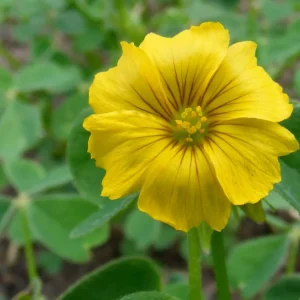
Unlock the culinary versatility and ornamental beauty of Oca tubers, botanically known as Oxalis tuberosa. Often referred to as New Zealand Yam, these remarkable plants are a staple food in the Andean regions and are gaining popularity in home gardens across the US. Oca offers a delightful potato-like texture with a hint of carrot and a subtle sour cream flavor, making them a unique addition to any meal. Beyond their delicious tubers, the entire Oca plant is edible, from its tart, succulent stems to its mild flowers and clover-like leaves, which can add a surprising zest to salads. Growing Oca tubers is a rewarding experience for both novice and experienced gardeners, providing a continuous harvest of nutritious and flavorful food.
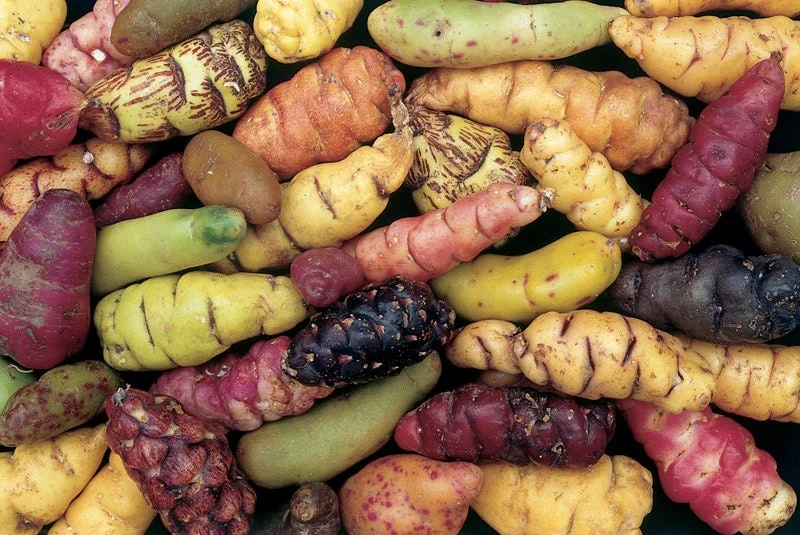
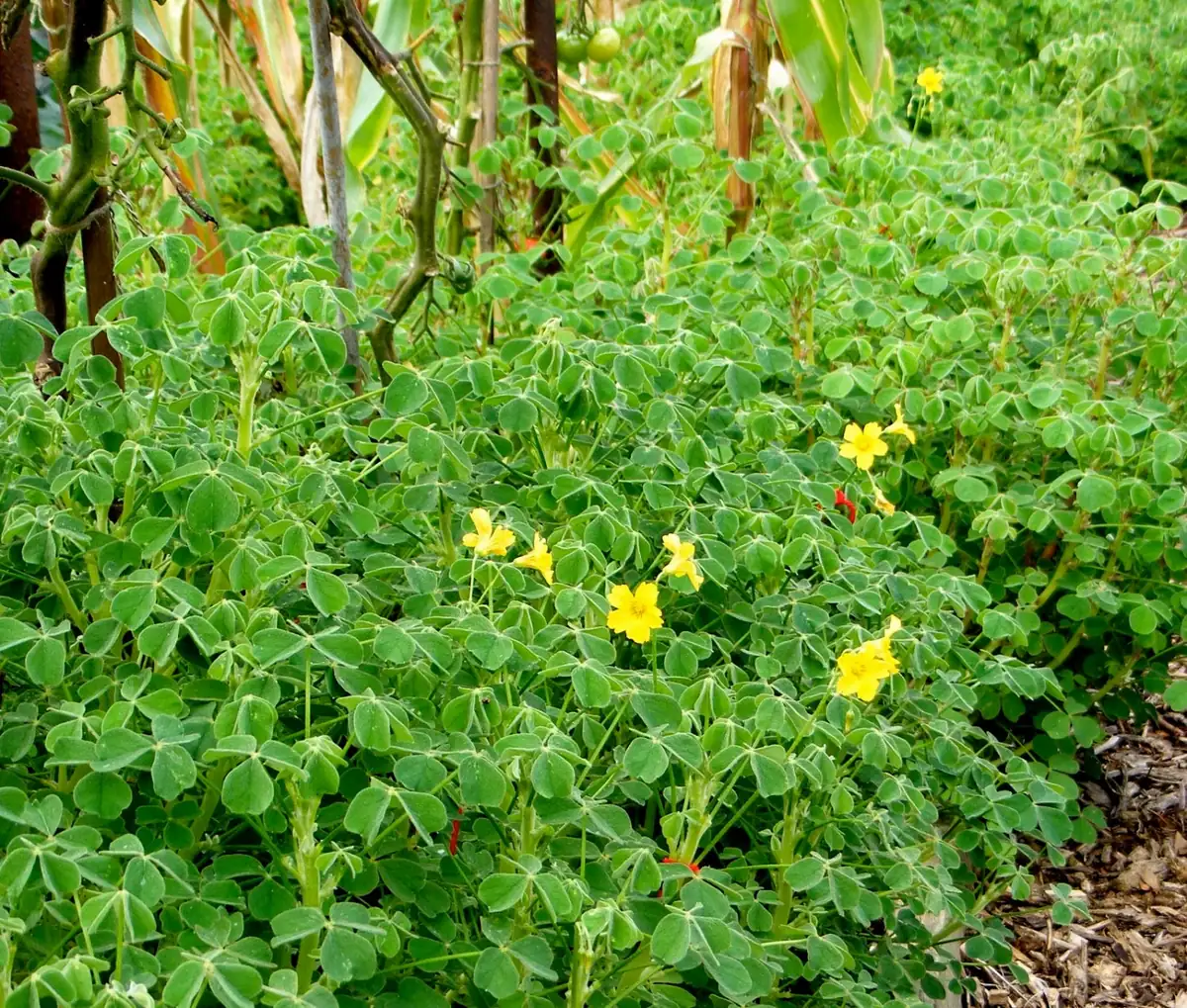
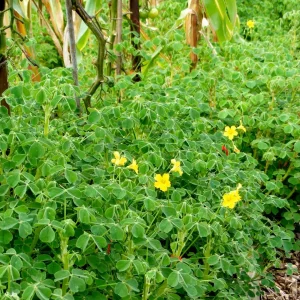
These vibrant plants are not only productive but also highly attractive, featuring lush foliage that can serve as an excellent weed-choking ground cover. They thrive in various conditions and can be a striking feature in both vegetable patches and ornamental garden beds. The tubers themselves come in an array of colors, shapes, patterns, and sizes, adding visual interest even before harvest. Discover the joy of cultivating this ancient Andean superfood in your own backyard.
Key Benefits
Cultivating Oca tubers offers a multitude of benefits, combining ease of growth with exceptional culinary and aesthetic value for your garden.
- Unique Culinary Delight: Enjoy the distinctive flavor of New Zealand Yam, a delightful blend of potato, carrot, and a hint of sour cream, perfect for roasting, frying, boiling, or mashing.
- Nutrient-Rich Food Source: Similar to potatoes but with approximately 20% fewer calories, Oca tubers provide a healthy and satisfying alternative for your diet.
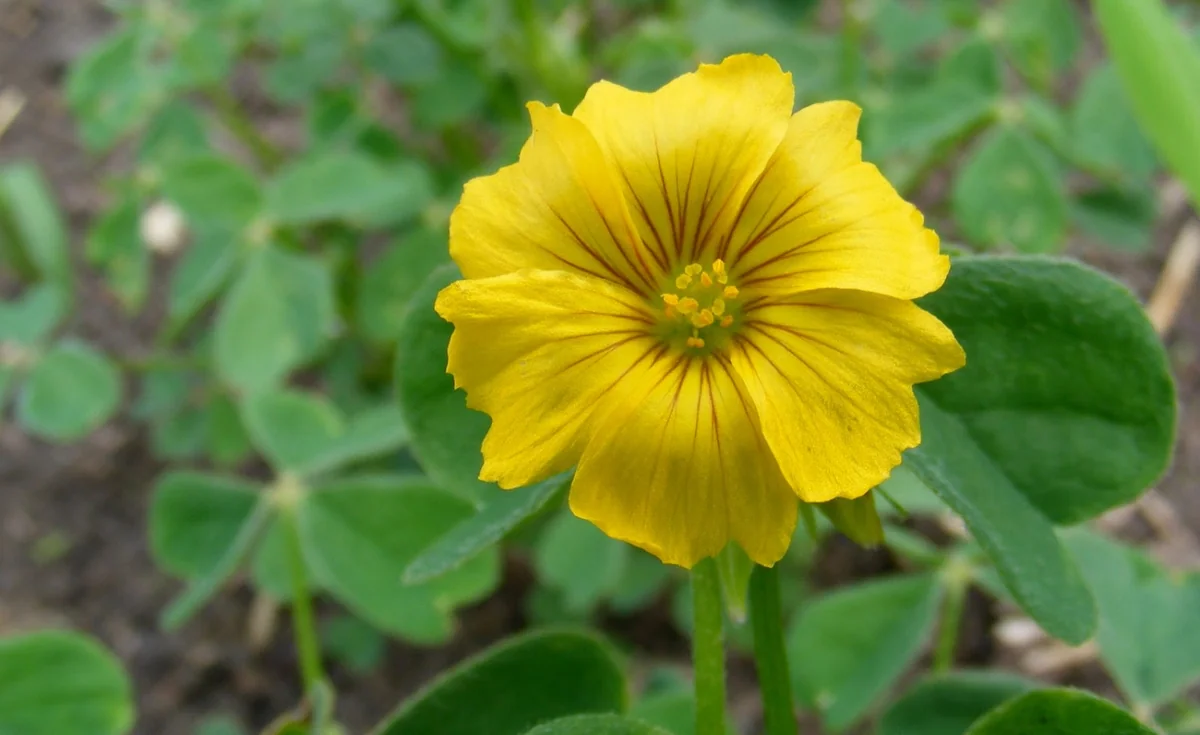
- Edible from Root to Leaf: All parts of the Oxalis tuberosa plant are edible, including the tart stems (like rhubarb), mild flowers, and clover-like leaves, offering diverse culinary uses.
- Attractive Garden Addition: The lush, sprawling foliage of Oca makes it an attractive plant that can enhance the aesthetics of both vegetable and ornamental gardens, providing excellent ground cover.
- Easy to Grow: Growing Oca is straightforward; simply plant the whole tubers or cut pieces with an ‘eye’ to sprout new plants, much like potatoes.
- Weed Suppression: The dense growth habit of the Oca plant acts as an effective weed-choking ground cover, naturally reducing garden maintenance.
- Versatile Preparation: Oca tubers can be eaten raw, fried, baked, or boiled and mashed, offering endless possibilities for culinary experimentation.
Plant Care & Growing Tips
Successful cultivation of Oca tubers (Oxalis tuberosa) begins with understanding their specific needs. These resilient plants prefer a sunny to a partially shaded location, ideally receiving at least 6 hours of sunlight daily, especially in cooler climates. In hotter regions, some afternoon shade can prevent stress. Plant your Oca tubers in well-draining, fertile soil enriched with organic matter. A slightly acidic to neutral pH (6.0-7.0) is ideal. Avoid heavy, waterlogged soils, as this can lead to rot. When planting, space tubers or tuber pieces about 12-18 inches apart, burying them 2-4 inches deep. Ensure each piece has at least one ‘eye’ for successful sprouting.
Watering should be consistent, especially during dry spells, to keep the soil evenly moist but not saturated. Reduce watering once the foliage begins to die back in late fall, signaling the tubers are maturing. Oca plants are generally hardy and disease-resistant. Fertilize sparingly with a balanced organic fertilizer during the growing season, particularly when the plants are actively producing foliage. Mulching around the plants can help retain soil moisture, suppress weeds, and regulate soil temperature. New Zealand Yam plants typically grow to about 18 inches tall and can spread up to 36 inches in diameter, creating a beautiful and productive ground cover. Harvesting usually occurs in late fall or early winter after the first frost, which can actually improve the flavor of the tubers. When considering growing Oca, remember these simple steps for a bountiful harvest.
Size & Details
Our Oca tubers are carefully selected for optimal growth and yield, ready for planting upon arrival. Each tuber is approximately 1-2 inches in length, varying in color and shape, reflecting the natural diversity of the Oxalis tuberosa species. When mature, plants typically reach a height of up to 18 inches and can spread up to 36 inches in diameter, creating a dense, attractive canopy. These tubers are shipped as dormant planting stock, ensuring they are ready to sprout new plants just like potatoes. Expect a moderate growth rate, with tubers forming mainly in the late fall as temperatures cool. The final size and shape of the tubers will vary, offering a delightful surprise at harvest time. This perennial vegetable is excellent for home gardeners looking for a unique and productive addition to their edible landscape.
Frequently Asked Questions
- Q: How big do Oca tubers get? A: The plants typically grow up to 18 inches tall with a spread of up to 36 inches in diameter. The individual tubers can vary in size, generally ranging from 1 to 3 inches in length.
- Q: Is this an indoor or outdoor plant? A: While Oca can be grown in containers, it is primarily an outdoor plant, performing best in garden beds where it has space to sprawl and produce tubers.
- Q: How much sunlight does New Zealand Yam need? A: Oca thrives in full sun to partial shade, ideally receiving at least 6 hours of direct sunlight per day. In very hot climates, some afternoon shade is beneficial.
- Q: Is growing Oca easy for beginners? A: Yes, Oca is relatively easy to grow and is often compared to growing potatoes. It requires well-draining soil, consistent moisture, and patience for the tubers to develop in fall.
- Q: What condition will the tubers arrive in? A: Your Oca tubers will arrive dormant and ready for planting. They will resemble small, firm potato-like structures, perfect for sprouting.
- Q: When is the best time to plant Oxalis tuberosa? A: The best time to plant Oca tubers is in the spring, after the last risk of frost has passed, allowing them a full growing season before the tubers begin to form in the fall.
- Q: What USDA zones are suitable for Oca? A: Oca is typically grown as an annual in most temperate zones, but it can be perennial in USDA zones 8-10, where tubers can overwinter in the ground if protected from hard freezes.
- Q: Can I eat the leaves and stems of the Oca plant? A: Yes, all parts of the Oca plant are edible. The leaves have a pleasant clover-like taste, and the succulent stems have a tart flavor, similar to rhubarb.
- Q: How long does it take for Oca to produce tubers? A: Oca is a long-season crop. Tubers begin to form and swell in late fall as day length shortens and temperatures cool, typically 5-7 months after planting.
- Q: What kind of soil is best for Oca tubers? A: Oca prefers well-draining, fertile soil rich in organic matter. A slightly acidic to neutral pH is ideal for optimal growth and tuber development.
| How many tubers? | 1, 10, 20, 3, 5 |
|---|
Be the first to review “Oca Tubers – Oxalis tuberosa – Edible New Zealand Yam – Perennial Vegetable”
People Also Viewed

Sold 82 products
Original price was: $51.98.$25.99Current price is: $25.99.

Sold 92 products
Original price was: $35.92.$17.96Current price is: $17.96.
Sold 87 products
Original price was: $535.96.$267.98Current price is: $267.98.

Sold 83 products
$61.58

Sold 54 products
Original price was: $39.98.$19.99Current price is: $19.99.
Sold 93 products
Original price was: $111.96.$55.98Current price is: $55.98.
Sold 74 products
Original price was: $89.56.$44.78Current price is: $44.78.
Sold 58 products
Original price was: $79.98.$39.99Current price is: $39.99.
Flower Plants
Sold 85 products
Original price was: $45.96.$22.98Current price is: $22.98.
Sold 86 products
Original price was: $39.98.$19.99Current price is: $19.99.
Sold 99 products
$43.98
Sold 92 products
From $0.00

Sold 91 products
Original price was: $62.76.$31.38Current price is: $31.38.
Flower Plants
Candy Stripes Creeping Phlox Live Plant – Perennial – Quart Pot – Outdoor Flowering Groundcover
Sold 94 products
Original price was: $47.96.$23.98Current price is: $23.98.
Sold 75 products
Original price was: $49.98.$24.99Current price is: $24.99.

Sold 99 products
Original price was: $89.98.$44.99Current price is: $44.99.

Sold 74 products
Original price was: $18.76.$9.38Current price is: $9.38.
HousePlants
Gold Flame Snake Plant Live Plant – Sansevieria Trifasciata ‘Laurentii’ – 4 inch Pot – Indoor
Sold 62 products
Original price was: $60.76.$30.38Current price is: $30.38.



Reviews
There are no reviews yet.