










Northern Catalpa Tree Seeds – 50+ Seed Pack for Fast Growing Shade Tree, Outdoor
Original price was: $19.96.$9.98Current price is: $9.98.
Start your own magnificent shade tree with this generous pack of northern catalpa tree seeds. Known for their rapid growth and striking heart-shaped leaves, these seeds will help you cultivate beautiful, mature trees that provide ample shade and attractive seasonal interest. Perfect for outdoor planting, these catalpa seeds are ideal for creating a natural landscape.
-
USDA Hardiness Zone
USDA zones 4-8 -
Soil Type
Well-draining soil -
Sunlight Exposure
Full Sun to Medium Sun -
Expected Planting Period
Spring

You can track your order HERE
Mar 13
Mar 18 - Mar 20
Mar 23 - Mar 27
Shipping and return policies: Our Alive & Thrive Guarantee covers issues with your plants within the first 30 days. Reach out to us. Our team will answer your questions and help you find the plants that are truly suitable for your environment, climate, and personal preferences.

Overview
Cultivate a majestic addition to your landscape with this premium pack of northern catalpa tree seeds. Known for their impressive size, rapid growth, and stunning ornamental features, the Northern Catalpa (Catalpa speciosa) is a deciduous tree that commands attention. These seeds offer a fantastic opportunity to grow your own shade trees from scratch, providing a rewarding gardening experience. The Northern Catalpa is often referred to as the ‘Indian Bean Tree’ due to its long, bean-like seed pods, and it’s celebrated for its large, heart-shaped leaves and showy white, orchid-like flowers that bloom in late spring to early summer. This unbranded seed pack contains 50+ high-quality seeds, ensuring a good start for your tree-growing project. Whether you’re aiming to create a natural privacy screen, a beautiful focal point, or simply enjoy the benefits of a large shade tree, these catalpa seeds are an excellent choice for any gardener looking for a fast-growing, resilient species.
Key Benefits
The northern catalpa tree seeds offer numerous advantages for gardeners and homeowners seeking to enhance their outdoor spaces. Growing these trees provides both aesthetic appeal and practical benefits that can transform your garden. Discover why the Northern Catalpa is a favored choice for many:
- Fast Growth Rate: Northern Catalpa trees are renowned for their impressive growth speed, quickly establishing themselves and providing shade and beauty within a few years. This makes them an ideal choice for gardeners who want to see quick results.
- Beautiful Ornamental Flowers: In late spring to early summer, the trees produce abundant clusters of large, white, trumpet-shaped flowers with purple and yellow markings. These stunning blooms add significant visual interest and attract pollinators.
- Excellent Shade Provider: With their large, broadleaf foliage, mature Northern Catalpa trees cast dense, cooling shade, making them perfect for reducing energy costs in summer and creating comfortable outdoor living spaces.
- Adaptable and Hardy: These trees are highly adaptable to a variety of soil conditions and climates, thriving across a wide range of USDA zones. Their hardiness makes them a reliable choice for many regions.
- Unique Seed Pods: After flowering, the tree develops distinctive long, slender, bean-like seed pods that can persist through winter, adding unique architectural interest to the winter landscape.
- Low Maintenance: Once established, the Northern Catalpa is relatively low maintenance, requiring minimal care and proving resistant to many common pests and diseases, making it a great option for busy gardeners.
- Wildlife Attraction: The flowers attract bees and hummingbirds, while the dense canopy provides shelter for various bird species, contributing to a vibrant ecosystem in your garden.
Plant Care & Growing Tips
Growing northern catalpa tree seeds into healthy, mature trees is a rewarding process that requires some basic care and attention. The Northern Catalpa is known for its resilience, making it a good choice for both experienced and novice gardeners. For optimal growth, start your catalpa tree growing journey by planting seeds directly outdoors in spring after the last frost, or indoors 6-8 weeks before the last frost. Ensure the seeds are lightly covered with soil, as they require light to germinate.
Sunlight Requirements: Northern Catalpa trees thrive in full sun to medium sun exposure, meaning they need at least 6 hours of direct sunlight per day to flourish. While they can tolerate some partial shade, abundant sunlight encourages the best flowering and strongest growth. Position your young trees in an area where they will receive ample light throughout the day. Watering Schedule: Young seedlings require consistent moisture to establish their root systems. Keep the soil evenly moist but not waterlogged. Once established, Northern Catalpa trees are quite drought-tolerant and will only need watering during extended dry periods. Avoid overwatering, as this can lead to root rot. Soil Type and Drainage: These trees are adaptable to a wide range of soil types, including clay, loam, and sandy soils, but they prefer well-draining soil. Good drainage is crucial to prevent waterlogging. A slightly acidic to neutral pH is ideal. Temperature and USDA Hardiness Zone: The Northern Catalpa is a hardy tree, suitable for USDA zones 4 through 8. It can withstand cold winters and hot summers, making it a versatile option for many continental climates. Fertilization: Generally, established Northern Catalpa trees do not require heavy fertilization. If your soil is poor, a balanced, slow-release fertilizer can be applied in early spring. Avoid fertilizing heavily, as this can lead to excessive leafy growth at the expense of flowering. Common Problems: While generally robust, catalpa trees can occasionally be affected by catalpa sphinx moth caterpillars, which can defoliate the tree. However, the tree usually recovers quickly. Proper watering and good air circulation can help prevent fungal issues.
Size & Details
This offering includes a generous pack of northern catalpa tree seeds, providing you with 50 or more individual seeds to start your planting project. Each seed holds the potential to grow into a large, impressive tree. The Northern Catalpa is celebrated as a fast growing shade tree, typically adding 1-2 feet per year once established. Mature trees can reach heights of 50-70 feet with a spread of 20-40 feet, creating a magnificent canopy. The foliage is broadleaf, with individual leaves growing up to 12 inches long, providing dense shade. These seeds are ready for planting, offering you the opportunity to cultivate these beautiful trees from their earliest stage. The trees will develop their distinctive white flowers and long seed pods over several seasons, offering year-round interest in your garden.
Frequently Asked Questions
- Q: How big does a Northern Catalpa tree get? A: A mature Northern Catalpa can reach impressive heights of 50 to 70 feet, with a spread of 20 to 40 feet. It is truly a magnificent fast growing shade tree once established.
- Q: Is this an indoor or outdoor plant? A: The Northern Catalpa is an outdoor tree, best suited for planting in gardens, parks, or large landscapes where it has ample space to grow and thrive.
- Q: How much sunlight does the Northern Catalpa need? A: This tree prefers full sun to medium sun, meaning it needs at least 6 hours of direct sunlight daily for optimal growth and flowering.
- Q: Is this plant easy to care for? A: Yes, once established, the Northern Catalpa is considered a low-maintenance tree. It tolerates a range of soil conditions and is relatively drought-resistant.
- Q: What condition will the seeds arrive in? A: The seeds will arrive as dry, viable seeds, ready for planting. They are carefully packaged to ensure their quality upon arrival.
- Q: When is the best time to plant catalpa seeds? A: The best time to plant catalpa seeds outdoors is in the spring after the last frost. For an earlier start, you can sow them indoors 6-8 weeks before the last expected frost.
- Q: Will the Northern Catalpa survive winter in my zone? A: Yes, the Northern Catalpa is very hardy and is suitable for USDA zones 4 through 8, making it resilient to cold winters in many regions.
- Q: What is the common name for Catalpa speciosa? A: The common name for Catalpa speciosa is Northern Catalpa, and it’s also frequently referred to as the indian bean tree due to its distinctive long seed pods.
- Q: Do these trees attract wildlife? A: Yes, the large white flowers attract pollinators like bees and hummingbirds, and the dense canopy provides excellent habitat and shelter for various bird species.
- Q: What kind of soil is best for catalpa tree growing? A: While adaptable, Northern Catalpa trees prefer well-draining soil with a pH that is slightly acidic to neutral. They can tolerate clay, loam, and sandy soils.
Be the first to review “Northern Catalpa Tree Seeds – 50+ Seed Pack for Fast Growing Shade Tree, Outdoor”
People Also Viewed
Sold 79 products
From $51.80
Sold 90 products
From $71.96

Sold 83 products
Original price was: $115.80.$57.90Current price is: $57.90.
Sold 65 products
Original price was: $77.98.$38.99Current price is: $38.99.
Sold 69 products
Original price was: $39.98.$19.99Current price is: $19.99.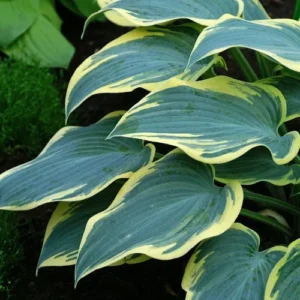
Flower Plants
First Frost Hosta Bare Root Plant – Blue-Green & Cream Variegated Foliage, Outdoor Perennial
Sold 62 products
From $71.80
Sold 55 products
Original price was: $36.00.$18.00Current price is: $18.00.
Sold 80 products
Original price was: $77.56.$38.78Current price is: $38.78.
Flower Bulbs
Chesnok Red Garlic Bulbs – Organic Heirloom Hardneck for Planting & Eating – 3 Bulbs to 10 lbs
Sold 99 products
From $20.98
Sold 94 products
Original price was: $69.08.$34.54Current price is: $34.54.
Sold 73 products
Original price was: $66.00.$52.80Current price is: $52.80.
Sold 67 products
Original price was: $177.60.$88.80Current price is: $88.80.
Sold 75 products
Original price was: $29.99.$19.99Current price is: $19.99.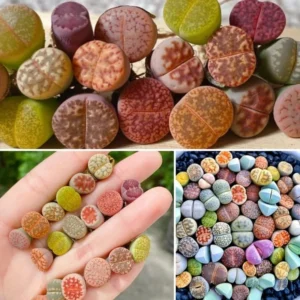
HousePlants
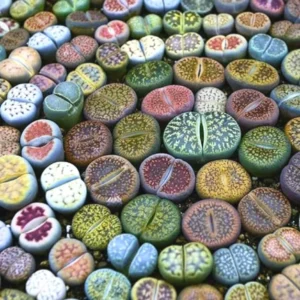
Lithops Live Plants Mix – 10 Large Colorful Living Stones Succulents for Indoor/Outdoor Growing
Sold 99 products
Original price was: $27.98.$13.99Current price is: $13.99.
Sold 86 products
From $71.80
Flower Plants
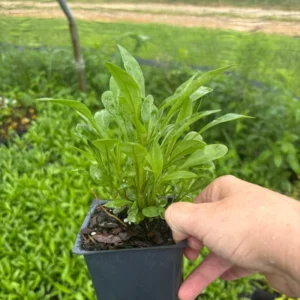
Coreopsis Solar Eclipse Live Plant – Bicolor Red/Yellow, 3.5 inch Pot, Outdoor Perennial
Sold 63 products
From $43.80
Sold 61 products
Original price was: $37.98.$18.99Current price is: $18.99.
Sold 97 products
Original price was: $45.98.$22.99Current price is: $22.99.



Reviews
There are no reviews yet.