
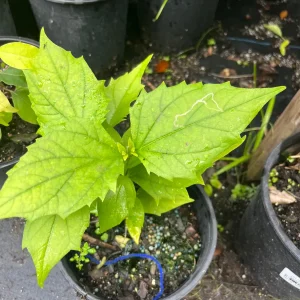
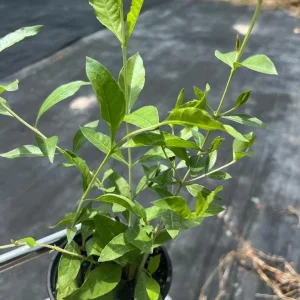
Night Blooming Jasmine & Henna Plant Duo Live Plants – 6in & 15in Tall
Original price was: $220.00.$110.00Current price is: $110.00.
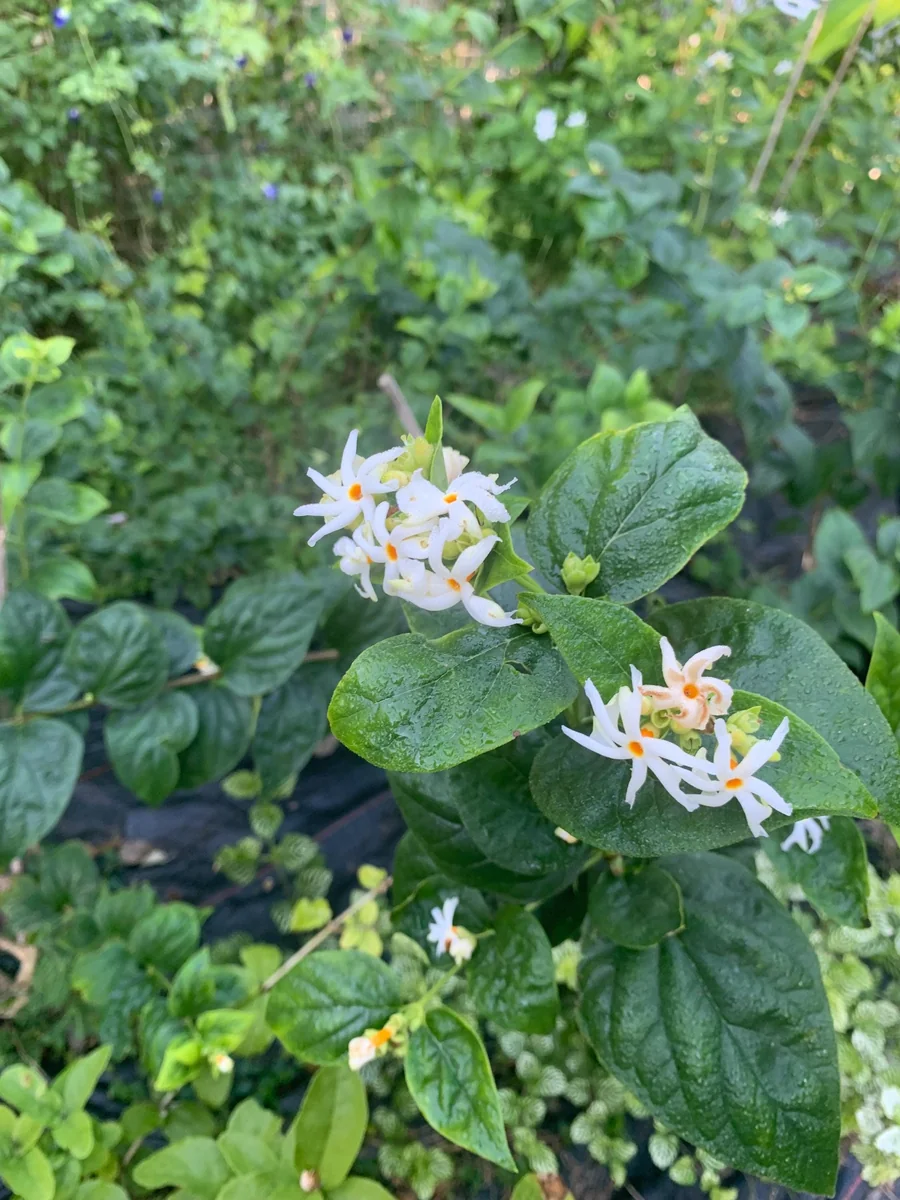
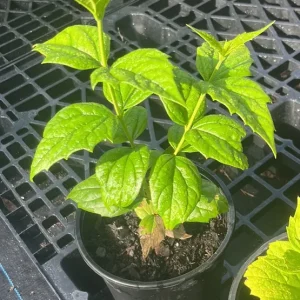
Experience the unique beauty of the Night Blooming Jasmine Henna plant duo. This special pairing brings together the intensely fragrant Parijat jasmine with the versatile Henna plant. The jasmine offers sweet-smelling flowers that bloom at night, while the Henna tree provides leaves for natural dye. Perfect for adding aromatic charm and exotic appeal to your garden.
-
USDA Hardiness Zone
USDA zones 9-12 -
Soil Type
Well-draining soil -
Sunlight Exposure
Full sun to partial shade -
Expected Planting Period
Year-round in warm climates, spring to summer in others

You can track your order HERE
Mar 01
Mar 06 - Mar 08
Mar 11 - Mar 15
Shipping and return policies: Our Alive & Thrive Guarantee covers issues with your plants within the first 30 days. Reach out to us. Our team will answer your questions and help you find the plants that are truly suitable for your environment, climate, and personal preferences.

Overview
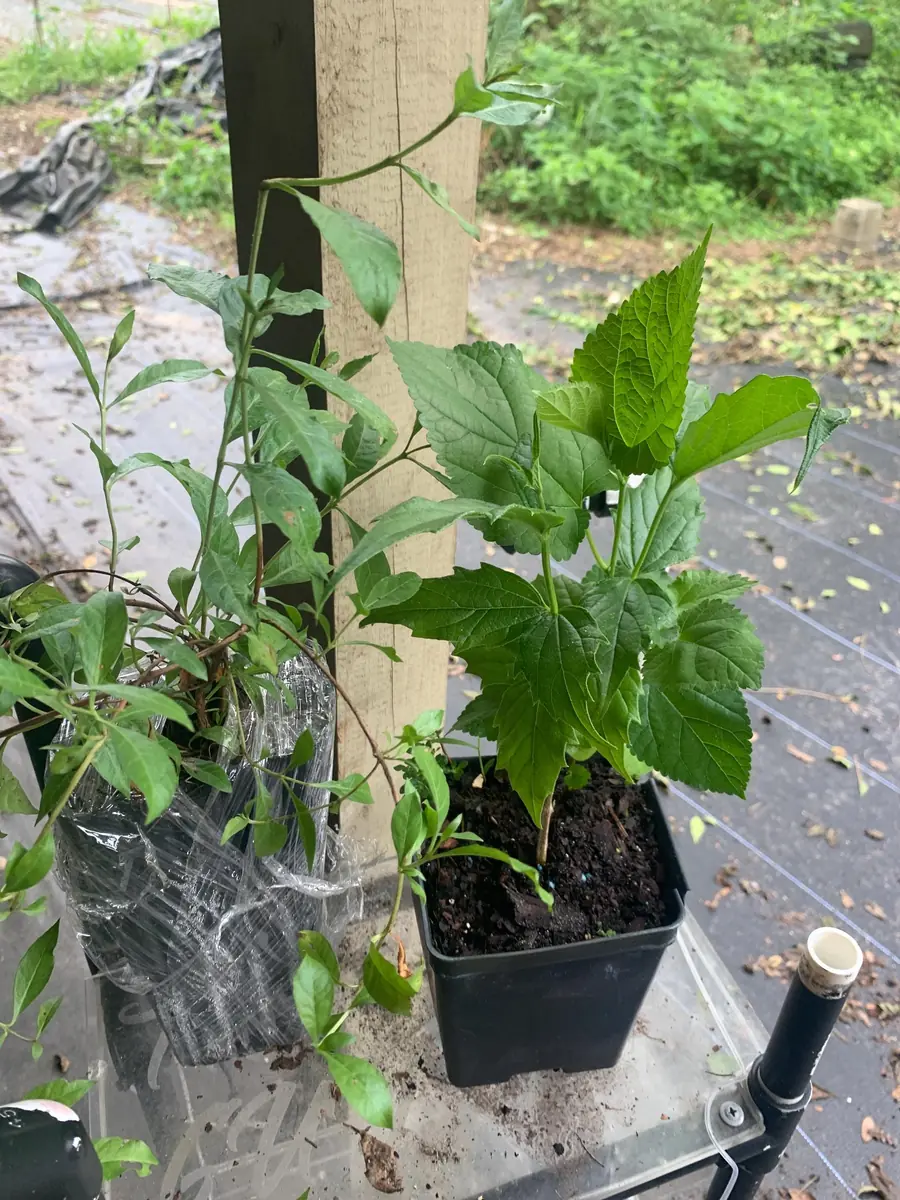
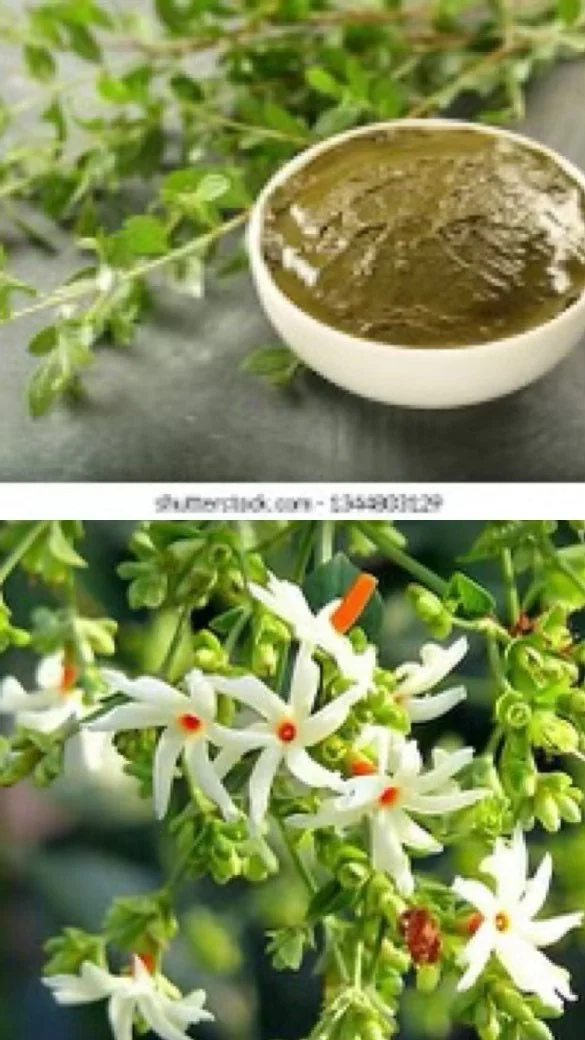
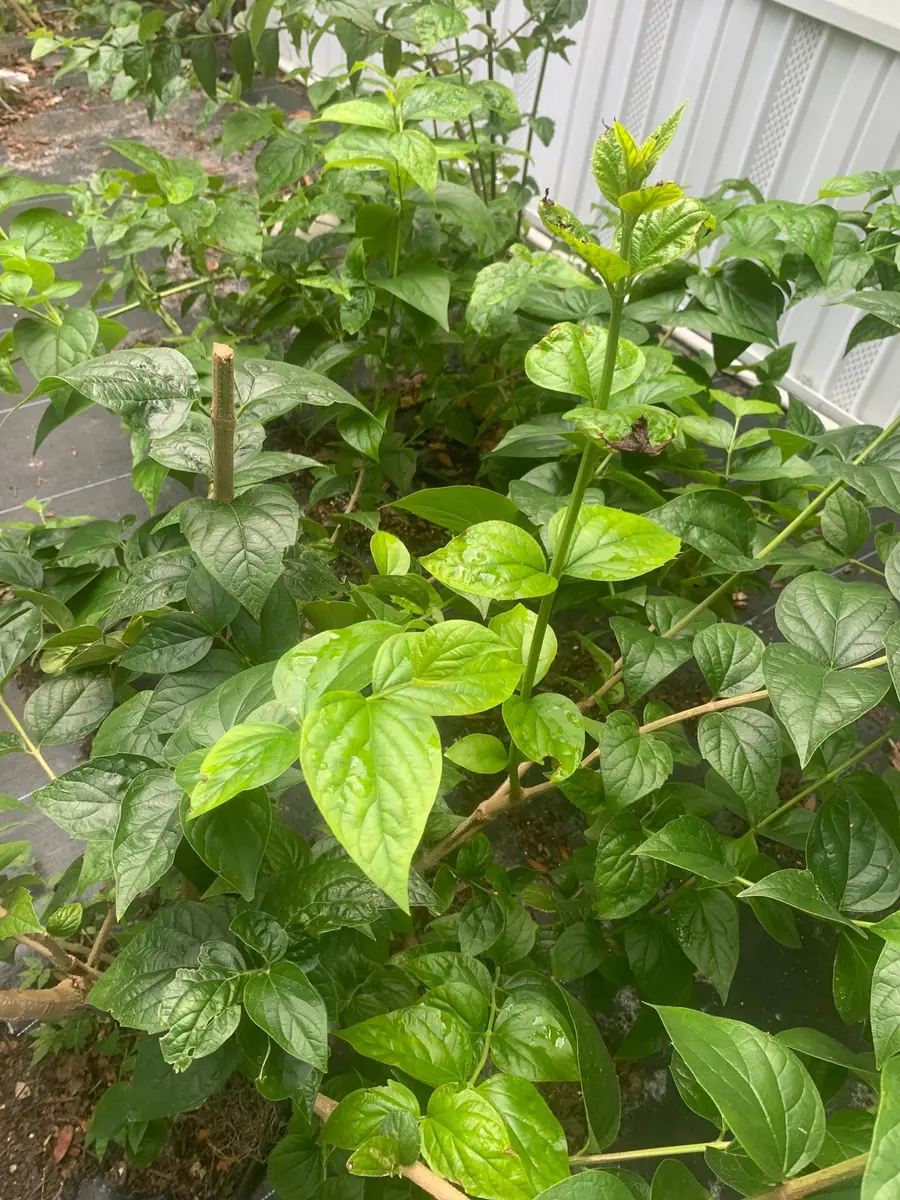
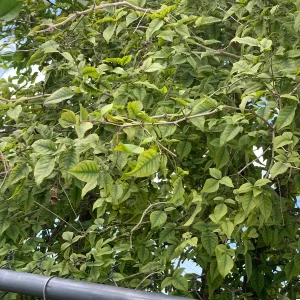
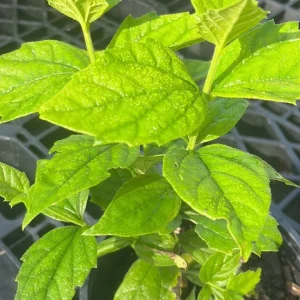
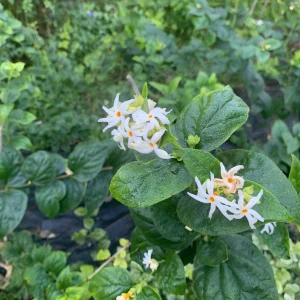
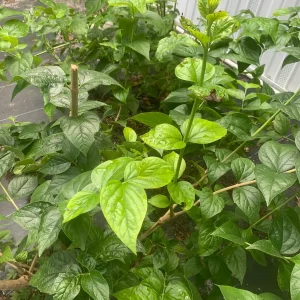
Introducing the enchanting Night Blooming Jasmine Henna plant duo, a captivating addition to any garden or patio. This unique pairing combines the ethereal beauty of the Night Flowering Parijat Jasmine with the practical versatility of the Henna plant. The Parijat, also known as the Night Blooming Jasmine, is renowned for its incredibly fragrant white flowers that unfurl at dusk, releasing an intensely sweet floral aroma throughout the night before gracefully falling at dawn. Complementing this aromatic wonder is the Henna tree plant (Lawsonia inermis), a tropical shrub whose leaves are famously used to create a reddish-brown dye for temporary body art and textiles. This duo offers both sensory delight and a touch of exotic tradition, making it a truly special offering for plant enthusiasts.
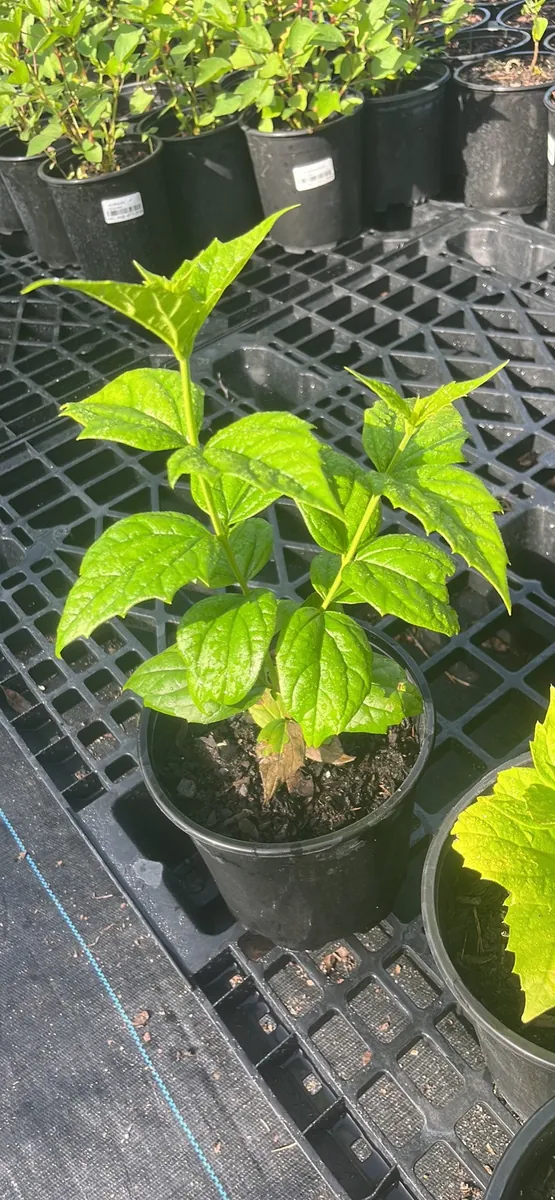
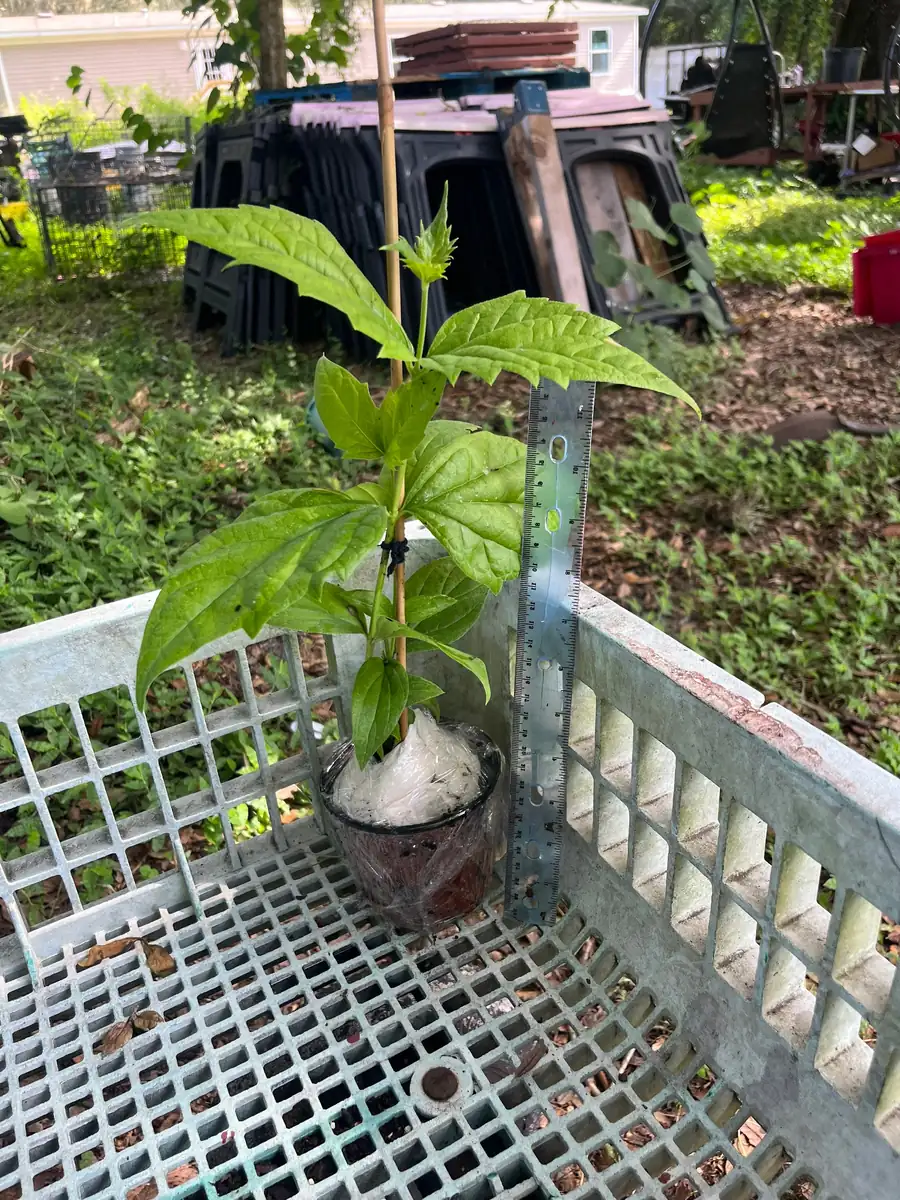
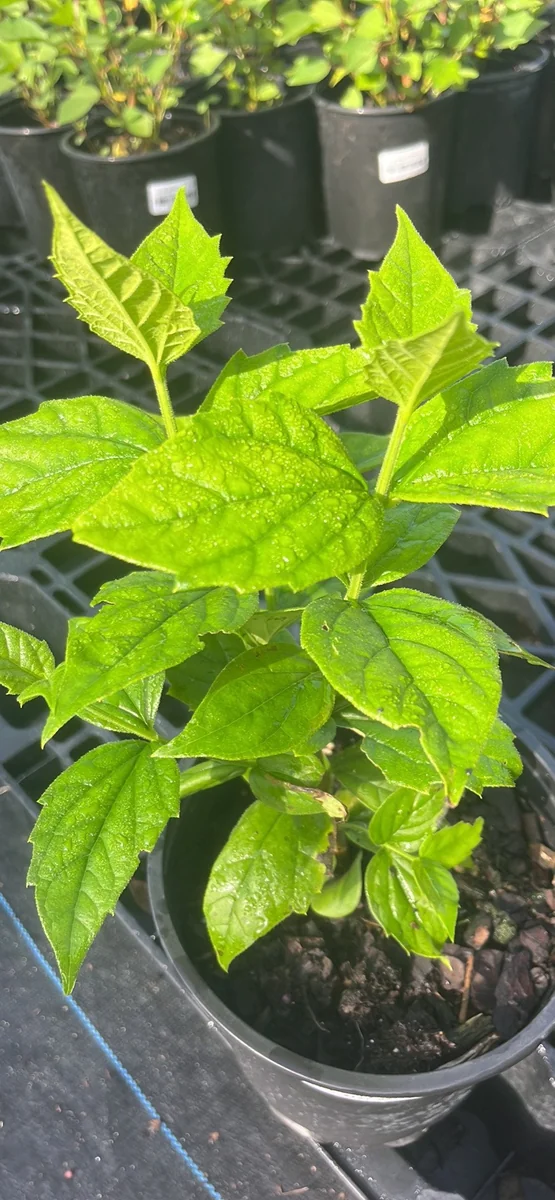
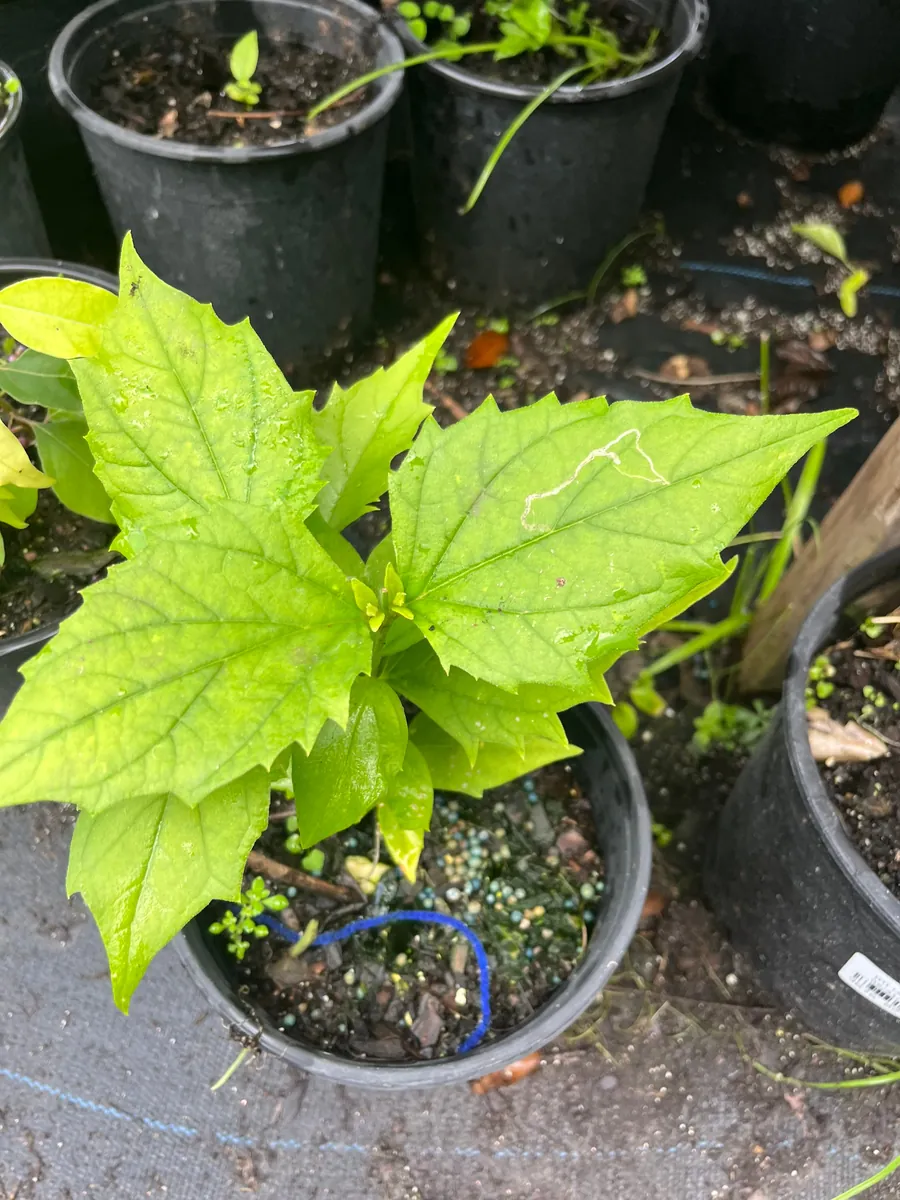
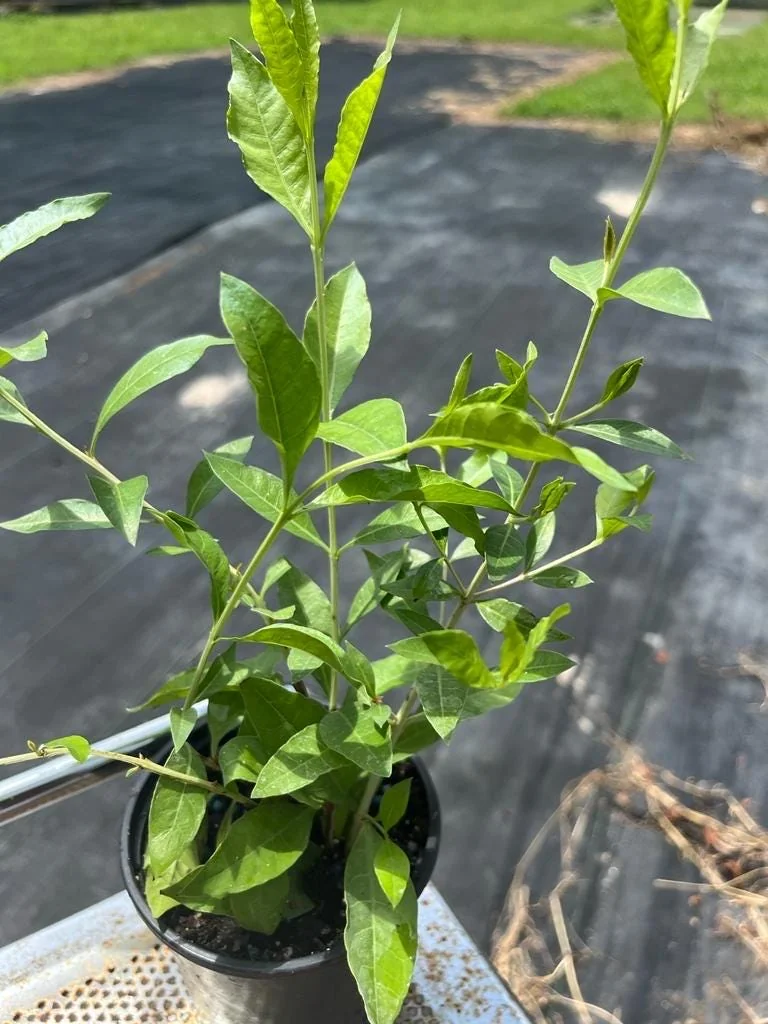
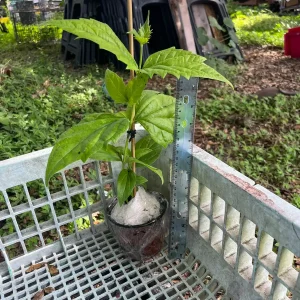
Both plants are live specimens, with the Night Flowering Parijat Jasmine standing approximately 6 inches tall and the Henna plant reaching up to 15 inches tall. They are carefully packaged to ensure their health upon arrival, ready to establish themselves in your garden. This combination provides a striking contrast in form and function, from the delicate, fragrant blooms of the jasmine to the robust, dye-producing foliage of the henna.
Key Benefits
The Night Blooming Jasmine Henna plant duo offers a myriad of benefits, blending aesthetic appeal with unique practical uses. These plants are not just beautiful; they enrich your environment in several ways:
- Intense Nighttime Fragrance: The Parijat jasmine fills your evenings with an intoxicatingly sweet and rich floral scent, creating a serene and romantic atmosphere in your garden or near your windows. This makes it a perfect choice for those who appreciate a fragrant night blooming plant.
- Natural Dye Source: The Henna plant provides fresh leaves that can be harvested to create natural, temporary body art dyes or to color fabrics, offering a unique opportunity for craft and cultural exploration right from your backyard.
- Exotic Garden Appeal: Both plants bring a touch of the tropics to your landscape, adding visual interest with their distinct foliage and bloom patterns, creating a conversation piece for visitors.
- Unique Flowering Habit: The Parijat’s fascinating cycle of blooming at night and shedding its flowers by morning is a beautiful and mysterious spectacle, offering a fresh display each day.
- Versatile Use: The Henna tree is not only a source of dye but also an attractive shrub that can be used in hedges or as an ornamental specimen, while the Parijat jasmine plant can be grown in containers or in the ground.
- Cultural Significance: Both plants hold cultural significance in various parts of the world, connecting your garden to rich traditions and histories.
Plant Care & Growing Tips
Caring for your Night Blooming Jasmine Henna plant duo involves understanding their individual needs to ensure both thrive. For the Night Blooming Jasmine (Parijat), it prefers a location with partial shade to full sun, ideally receiving 4-6 hours of direct sunlight daily. It appreciates consistently moist, well-draining soil. Water regularly, especially during dry spells, but avoid waterlogging. The Parijat is relatively hardy but benefits from protection in colder climates, often grown as an annual or brought indoors in regions with harsh winters. Fertilize during the growing season (spring to summer) with a balanced liquid fertilizer.
The Henna tree plant (Lawsonia inermis) is more tolerant of full sun and prefers warm, tropical to subtropical climates. It thrives in well-draining soil and can tolerate a range of soil types, though it prefers slightly acidic to neutral pH. Once established, the Henna tree plant is relatively drought-tolerant but will produce more lush foliage and dye if watered regularly. Pruning can help maintain its shape and encourage bushier growth. Both plants will benefit from good air circulation to prevent fungal issues. Monitor for common pests like aphids or spider mites and treat with organic insecticides if necessary. Understanding the specific needs of each part of your duo will ensure you enjoy both the fragrant blooms and the dye-producing leaves.
Size & Details
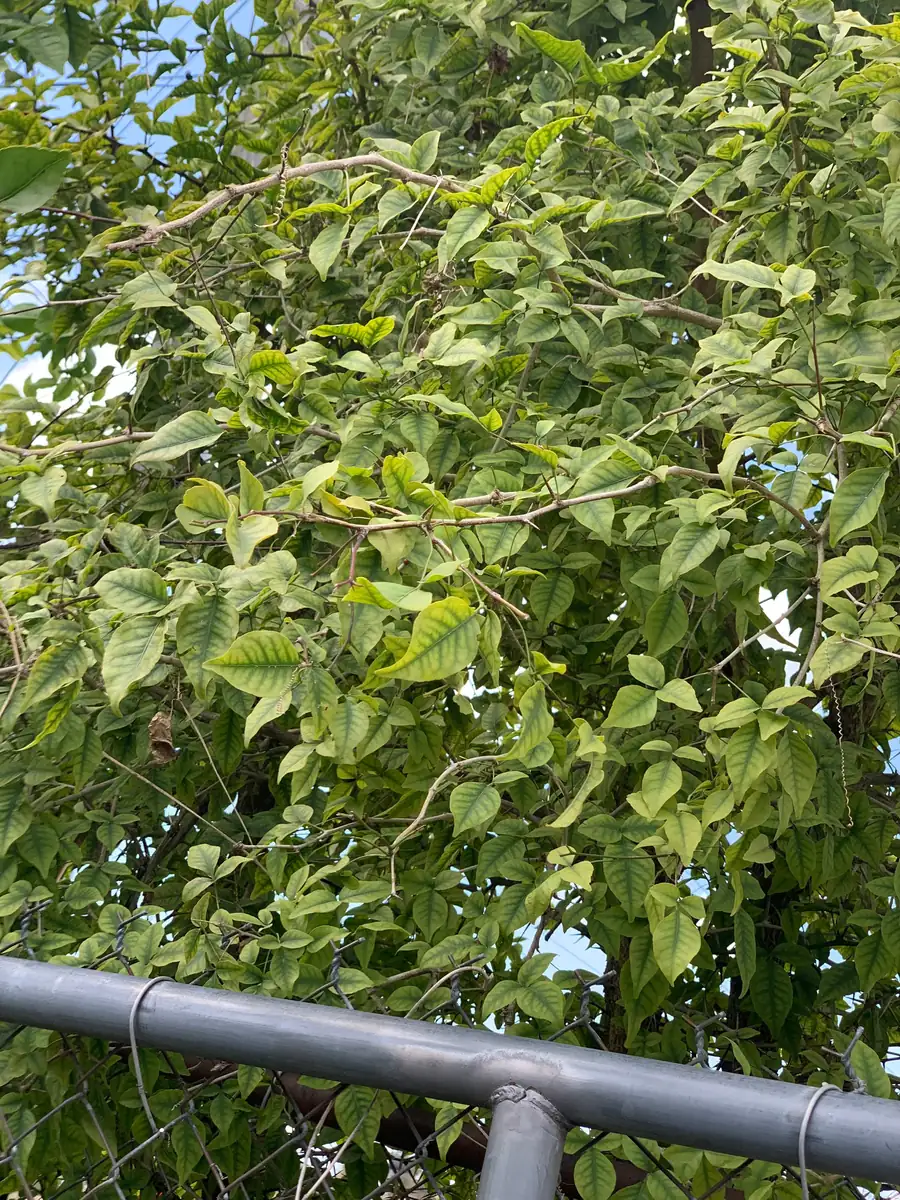
This offering includes two distinct live plants: one Parijat jasmine plant and one Henna plant. The Night Flowering Parijat Jasmine typically arrives at approximately 6 inches tall, measured from the base of the pot. It is a fast-growing vine or shrub that can reach several feet in height if given support, producing its unique night-blooming flowers. The Henna plant, a robust shrub, is approximately 15 inches tall at the time of shipment. The Henna tree can grow much larger, potentially reaching up to 20 feet in its native habitat, but it can be maintained at a smaller size with regular pruning, making it suitable for container growing or as a landscape shrub. Both plants are shipped as live, actively growing specimens, carefully prepared to minimize stress during transit. They are ready for immediate planting upon arrival, whether in the ground or in suitable containers, and will establish quickly with proper care.
Frequently Asked Questions
- Q: How big does this plant duo get? A: The Night Blooming Jasmine typically grows 6-10 feet tall as a vine or shrub, while the Henna plant can reach 15-20 feet in ideal conditions but can be maintained smaller through pruning. The plants you receive are 6 inches (jasmine) and 15 inches (henna) tall.
- Q: Is this an indoor or outdoor plant? A: Both plants can be grown outdoors in warm climates (USDA zones 9-11 for Parijat, 9-12 for Henna). In cooler climates, they can be grown in containers and brought indoors during winter, especially the Parijat jasmine plant.
- Q: How much sunlight does it need? A: The Night Blooming Jasmine prefers partial shade to full sun (4-6 hours of direct sun), while the Henna plant thrives in full sun.
- Q: Is this plant easy to care for? A: Both plants are relatively easy to care for once established, requiring consistent watering and well-draining soil. The Henna tree plant is quite resilient.
- Q: What condition will it arrive in? A: Your plants will arrive as healthy, live specimens, carefully packed to ensure minimal stress during transit. Some minor leaf drop may occur due to shipping.
- Q: How long until the jasmine blooms? A: With proper care, the Night Blooming Jasmine can begin blooming within its first year, typically during the warmer months, offering its fragrant night blooming plant display.
- Q: Can I use the Henna leaves for body art? A: Yes, the leaves from your Henna tree plant can be harvested, dried, and ground into a powder to create natural temporary body art dyes.
- Q: What’s the minimum temperature these plants can tolerate? A: The Night Blooming Jasmine prefers temperatures above 40°F (4°C), while Henna is more tolerant of heat but sensitive to frost, generally performing best above 50°F (10°C).
- Q: What kind of soil is best for these plants? A: Both plants prefer well-draining soil. A good quality potting mix enriched with organic matter is suitable for container growing.
- Q: Is the Night Blooming Jasmine Henna plant duo drought tolerant? A: The Henna plant is moderately drought-tolerant once established, but the Night Blooming Jasmine prefers consistent moisture.
Be the first to review “Night Blooming Jasmine & Henna Plant Duo Live Plants – 6in & 15in Tall”
People Also Viewed
Sold 91 products
Original price was: $56.00.$44.80Current price is: $44.80.
Succulents
Red Crown of Thorns Live Plant – Euphorbia Milii – 3-5″ Tall, 2″ Pot – Indoor/Outdoor Succulent
Sold 51 products
Original price was: $37.48.$18.74Current price is: $18.74.
Sold 87 products
Original price was: $66.00.$52.80Current price is: $52.80.

Sold 57 products
Original price was: $50.00.$40.00Current price is: $40.00.
Sold 98 products
From $39.96
Sold 78 products
From $50.00
Sold 98 products
Original price was: $247.96.$123.98Current price is: $123.98.
Sold 70 products
From $11.98
Sold 67 products
Original price was: $31.96.$15.98Current price is: $15.98.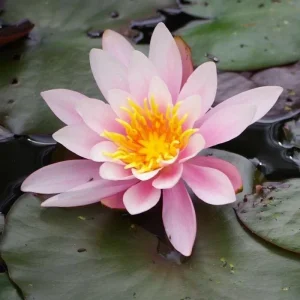
Aquatic Plant Seeds
Pink Lotus Water Lily Aquatic Plant Seeds – Easy Grow for Ponds & Aquariums
Sold 81 products
Original price was: $22.76.$11.38Current price is: $11.38.
Sold 50 products
From $31.99
Sold 50 products
Original price was: $319.96.$159.98Current price is: $159.98.
Sold 54 products
From $10.48
Sold 60 products
Original price was: $391.96.$195.98Current price is: $195.98.
Sold 94 products
Original price was: $75.96.$37.98Current price is: $37.98.
Sold 96 products
Original price was: $17.84.$8.92Current price is: $8.92.
Sold 94 products
Original price was: $37.98.$30.38Current price is: $30.38.
Sold 60 products
Original price was: $17.00.$13.60Current price is: $13.60.



Reviews
There are no reviews yet.