
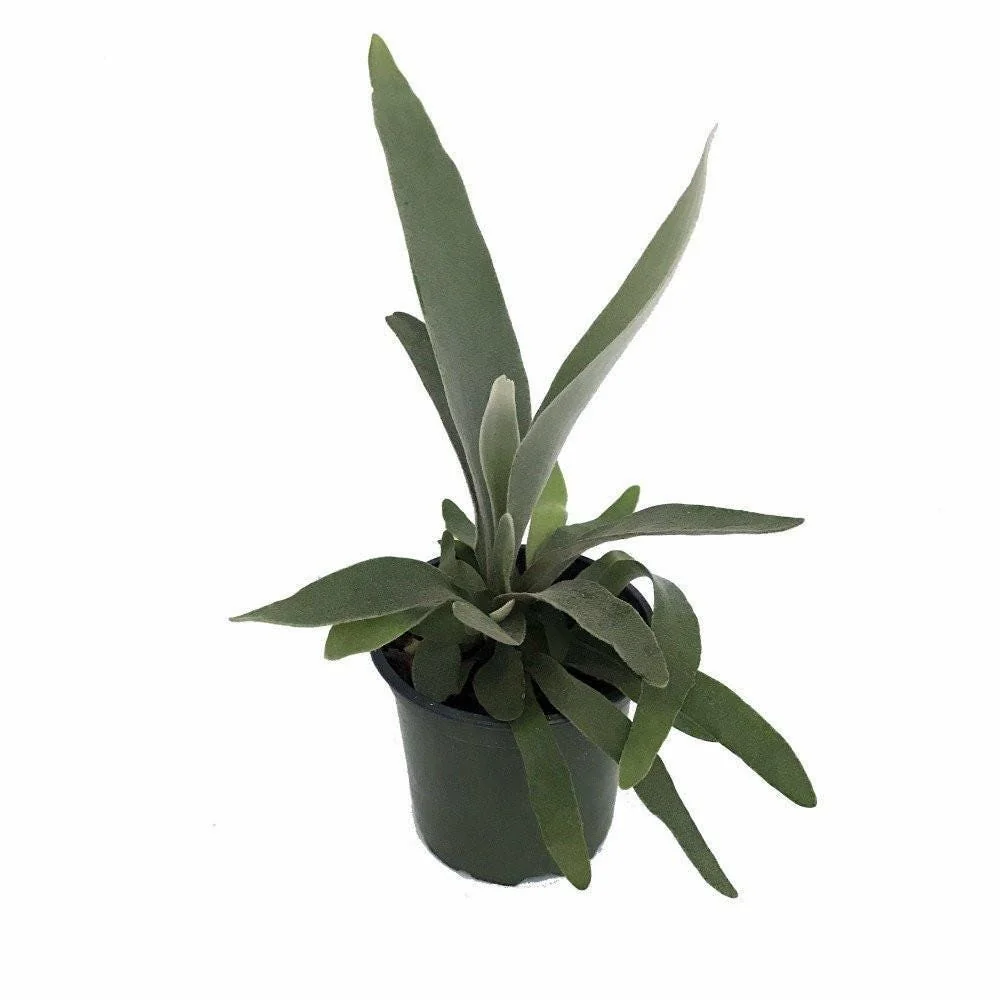
Netherland Staghorn Fern Live Plant – Platycerium – 4 inch Pot – Indoor
Original price was: $31.96.$15.98Current price is: $15.98.
Bring exotic flair to your home with the Netherland Staghorn Fern live plant. This fascinating epiphyte, provided in a 4-inch pot, is an ideal indoor epiphyte, known for its distinctive fronds resembling deer antlers. Perfect for adding a unique, natural element to any bright, indirect light environment.
-
USDA Hardiness Zone
Year-round indoors (USDA zones 9-11 outdoors) -
Soil Type
Well-draining orchid mix or sphagnum moss for mounting -
Sunlight Exposure
Bright indirect light -
Expected Planting Period
Year-round indoors

You can track your order HERE
Mar 02
Mar 07 - Mar 09
Mar 12 - Mar 16
Shipping and return policies: Our Alive & Thrive Guarantee covers issues with your plants within the first 30 days. Reach out to us. Our team will answer your questions and help you find the plants that are truly suitable for your environment, climate, and personal preferences.

Overview
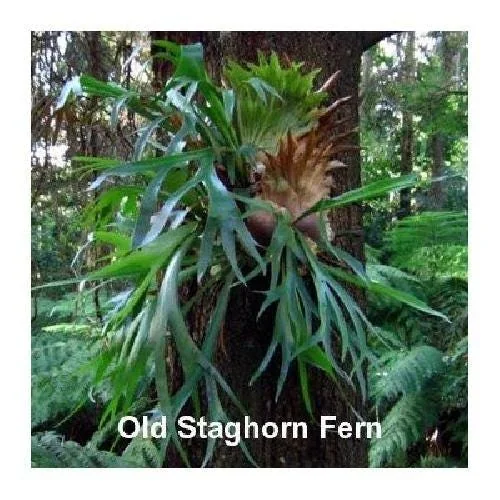
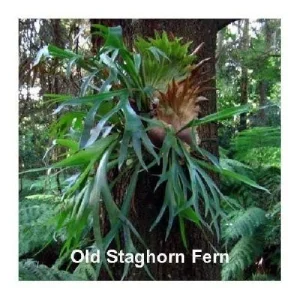
The Netherland Staghorn Fern live plant (Platycerium bifurcatum ‘Netherland’) is a truly captivating addition to any indoor plant collection. This unique specimen is an epiphyte, meaning it naturally grows on other plants or structures, rather than in soil, in its native tropical forests of Southeast Asia and Australia. Our Netherland Staghorn Fern live plant arrives in a convenient 4-inch pot, ready to bring a touch of the exotic to your home. Known for its striking, antler-shaped fronds, this plant creates an immediate focal point, offering a distinctive aesthetic that stands out from typical houseplants. It’s an excellent choice for those seeking a conversation starter and a plant with an intriguing growth habit. The Platycerium care is surprisingly straightforward, making it accessible for many plant enthusiasts.
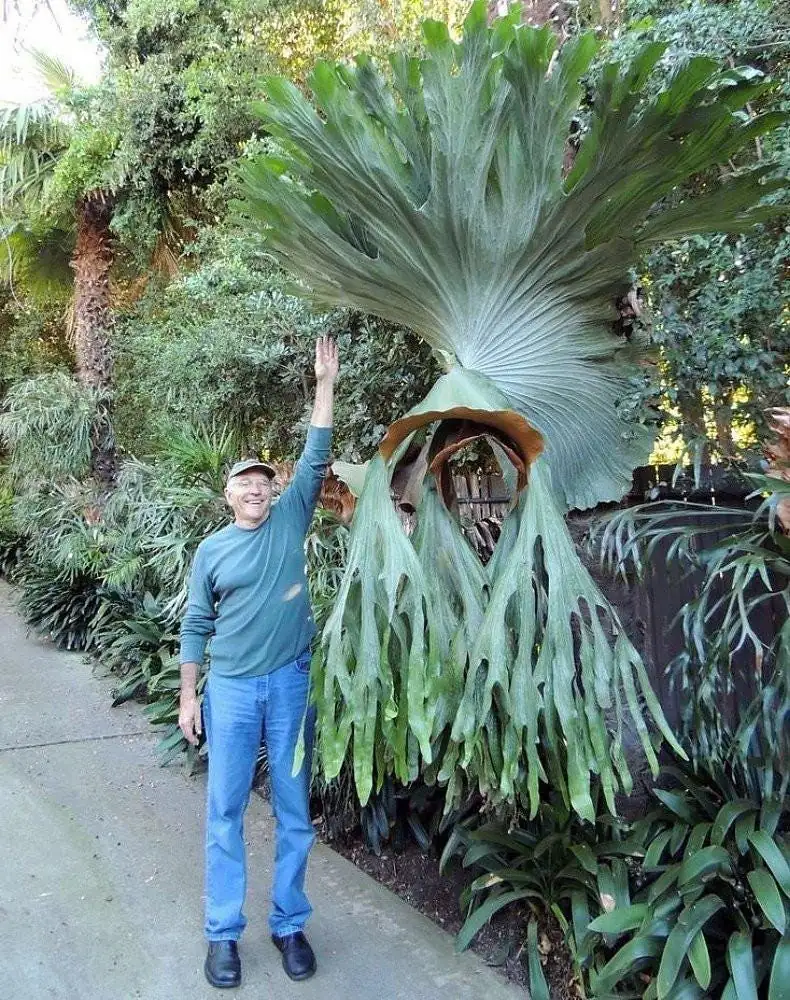
This particular variety, the ‘Netherland’, is prized for its compact size and robust nature, making it well-suited for indoor environments. Unlike many plants, the staghorn fern produces two distinct types of fronds: sterile basal fronds that form a protective shield around the plant’s base, and fertile fronds that grow outwards, resembling the antlers of a stag. This dual frond system is part of what makes the Netherland Staghorn Fern live plant such a fascinating and beautiful organism. It thrives in conditions that mimic its tropical origin, preferring consistent humidity and bright, indirect light. Embrace the beauty of this extraordinary indoor epiphyte and transform your living space into a green sanctuary.
Key Benefits
The Netherland Staghorn Fern live plant offers a multitude of benefits, making it a highly desirable choice for plant lovers. Its unusual appearance and relatively easy care requirements contribute to its widespread appeal. This unique houseplant provides more than just visual interest; it also contributes to a healthier indoor environment.
- Exceptional Decorative Appeal: The most immediate benefit is its stunning, architectural form. The distinctive antler-like fronds create a dramatic focal point, adding a natural, sculptural element to any room. It’s a living piece of art that enhances modern and traditional decor alike. The interesting structure of the fronds makes it a truly unique houseplant.
- Air Purification: Like many houseplants, the Netherland Staghorn Fern live plant helps improve indoor air quality by absorbing common airborne toxins and releasing oxygen, contributing to a fresher and healthier home environment.
- Low Maintenance (Once Established): Despite its exotic appearance, this fern is surprisingly easy to care for once its basic needs are met. It doesn’t require constant attention, making it suitable for busy individuals. Understanding Platycerium care ensures long-term success.
- Unique Growth Habit: As an epiphyte, it doesn’t need soil to thrive. This allows for creative display options, such as mounting it on wood or placing it in hanging baskets, offering versatility in how you integrate it into your space. This growth habit is characteristic of an indoor epiphyte.
- Conversation Starter: Its unusual and striking appearance is guaranteed to spark interest and conversation among guests, making it a perfect plant for entertaining spaces.
- Tropical Ambiance: Instantly adds a lush, tropical feel to any room, creating a serene and calming atmosphere reminiscent of a rainforest.
- Pet-Friendly: Generally considered non-toxic to pets, making it a safer option for homes with curious cats and dogs, though ingestion of any plant material can cause mild stomach upset.
Plant Care & Growing Tips
Caring for your Netherland Staghorn Fern live plant involves understanding its epiphytic nature and providing conditions that mimic its natural habitat. The right environment will ensure a thriving and beautiful display. This fern for sale is a wonderful addition, and with proper Platycerium care, it will flourish.
Sunlight Requirements: This indoor epiphyte thrives in bright, indirect light. Avoid direct, harsh sunlight, which can scorch its delicate fronds. An east or north-facing window is ideal, or a few feet away from a south or west-facing window. If placed outdoors in warmer months, ensure it’s in a shaded area. Insufficient light can lead to stunted growth and dull fronds, while too much direct light will cause browning.
Watering Schedule and Soil Moisture: Since it’s an epiphyte, the Netherland Staghorn Fern live plant doesn’t grow in traditional soil. Instead, it prefers its roots (or mounting medium) to dry out slightly between waterings. For plants in pots, water thoroughly until water drains from the bottom. For mounted ferns, you can soak the entire mount in a tub of water for 15-20 minutes every 1-2 weeks, or mist daily if humidity is low. Allow the medium to dry almost completely before re-watering. Overwatering can lead to rot, while underwatering causes fronds to crisp. Maintaining consistent, but not excessive, moisture is key for this unique houseplant.
Soil Type and Drainage: When kept in a pot, use a very well-draining, airy potting mix, such as an orchid mix or a blend of peat moss, perlite, and pine bark. Excellent drainage is crucial to prevent root rot. If mounted, use sphagnum moss or coco fiber to retain moisture while allowing air circulation. The basal fronds, which are round and flat, will eventually form a ‘nest’ for collecting water and organic debris; do not remove these. This is an important aspect of Platycerium care.
Temperature Range and USDA Hardiness Zone: Staghorn ferns prefer warm temperatures, ideally between 60°F and 80°F (15°C to 27°C). They are not frost-tolerant and should be protected from temperatures below 50°F (10°C). As an indoor plant, they are typically grown year-round, so USDA zones are less relevant unless grown outdoors in tropical climates (USDA zones 9-11). Consistent temperatures are important for the health of your fern for sale.
Fertilization Schedule and Type: Fertilize sparingly during the growing season (spring and summer) with a balanced liquid fertilizer diluted to half strength. Apply every 2-4 weeks. During fall and winter, reduce or cease fertilization. You can also use slow-release fertilizer pellets designed for epiphytes. Avoid over-fertilizing, which can burn the fronds. Alternatively, some growers place banana peels or other organic matter within the basal fronds, which the plant slowly absorbs nutrients from.
Common Problems and Solutions: Brown, crispy fronds often indicate low humidity or underwatering. Increase misting or humidity. Yellowing fronds can suggest overwatering or nutrient deficiency. Adjust watering frequency and consider a diluted feed. Pests like mealybugs or scale can be wiped off with a cotton swab dipped in rubbing alcohol or treated with insecticidal soap. Ensure good air circulation to prevent fungal issues. Proper Platycerium care minimizes these problems.
Size & Details
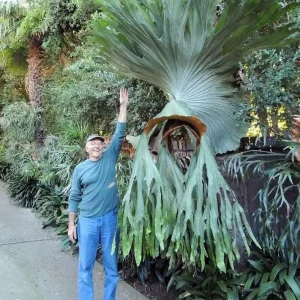
The Netherland Staghorn Fern live plant you receive will be supplied in a 4-inch nursery pot, providing a healthy root system ready for continued growth. At this size, the plant typically has young, developing fronds, with the branched fertile fronds beginning to emerge and the round, flat basal fronds forming. The overall spread of the plant in a 4-inch pot is usually between 6 to 10 inches, depending on individual growth. The mature size of a Netherland Staghorn Fern live plant can vary significantly; while young plants in this pot size might have basal fronds 3 to 4 inches across, mature plants can develop fronds several feet wide when given optimal conditions and sufficient space, especially if mounted. This unique houseplant is known for its moderate growth rate, gradually expanding its impressive fronds over time. It ships as a healthy, established potted plant, ensuring a smooth transition to your home environment. With good Platycerium care, this fern for sale will continue to grow and develop its distinctive forms.
Frequently Asked Questions
- Q: How big does this plant get? A: While your Netherland Staghorn Fern live plant arrives in a 4-inch pot, it can grow quite large over time. Young plants may have fronds 3-4 inches across, but with maturity and ideal conditions, the fertile fronds can reach several feet in length and the basal fronds can spread significantly.
- Q: Is this an indoor or outdoor plant? A: The Netherland Staghorn Fern live plant is primarily grown as an indoor houseplant in most climates. It can be grown outdoors in USDA zones 9-11 where temperatures remain warm year-round and protected from direct sun.
- Q: How much sunlight does it need? A: This indoor epiphyte prefers bright, indirect light. Avoid direct sun exposure, which can burn its fronds. An east or north-facing window is usually ideal, or a spot a few feet away from a brighter window.
- Q: Is this plant easy to care for? A: Yes, the Netherland Staghorn Fern live plant is considered moderately easy to care for, especially once its specific needs for light and watering (as an epiphyte) are understood. It’s a great choice for those looking for a relatively low-maintenance, unique houseplant.
- Q: What condition will it arrive in? A: Your fern for sale will arrive as a healthy, established plant in a 4-inch nursery pot, carefully packaged to ensure its safe journey to your home. It will be ready to be placed in its new environment or mounted.
- Q: How often should I water my Platycerium? A: Water your Netherland Staghorn Fern live plant when its growing medium or mount feels mostly dry. This typically means every 1-2 weeks, but it can vary based on humidity and temperature. It’s better to slightly under-water than over-water.
- Q: Can I mount my staghorn fern? A: Absolutely! Mounting is a popular way to display this indoor epiphyte, mimicking its natural growth habit. You can mount it on a piece of wood or cork bark using sphagnum moss and fishing line or wire.
- Q: Is the Netherland Staghorn Fern pet-safe? A: While generally considered non-toxic to pets, it’s always best to prevent pets from chewing on any houseplant. Ingestion of plant material can sometimes cause mild digestive upset.
- Q: Why are the round fronds turning brown? A: The round, flat basal fronds naturally turn brown and dry over time as they mature and form a protective shield and nutrient-gathering ‘nest.’ This is a normal and healthy part of the plant’s growth and should not be removed.
- Q: What is the best way to increase humidity for my fern? A: To increase humidity for your Netherland Staghorn Fern live plant, you can mist it regularly, place it near a humidifier, or put its pot on a pebble tray filled with water. Grouping it with other plants also helps create a more humid microclimate.
Be the first to review “Netherland Staghorn Fern Live Plant – Platycerium – 4 inch Pot – Indoor”
People Also Viewed
Sold 72 products
Original price was: $179.96.$89.98Current price is: $89.98.
HousePlants
Lithops Live Plants Mix – 30 Colorful Succulents – Living Stones for Indoor/Outdoor Planting
Sold 65 products
Original price was: $65.98.$32.99Current price is: $32.99.
Sold 59 products
Original price was: $91.98.$45.99Current price is: $45.99.
Sold 96 products
Original price was: $95.98.$47.99Current price is: $47.99.

Sold 66 products
Original price was: $191.80.$95.90Current price is: $95.90.
Sold 82 products
From $43.98
Sold 97 products
Original price was: $45.98.$27.58Current price is: $27.58.
Sold 66 products
Original price was: $18.76.$9.38Current price is: $9.38.

Sold 54 products
Original price was: $14.76.$7.38Current price is: $7.38.
Sold 59 products
Original price was: $41.98.$20.99Current price is: $20.99.

Sold 62 products
Original price was: $18.76.$9.38Current price is: $9.38.
Sold 95 products
Original price was: $23.96.$11.98Current price is: $11.98.
Sold 51 products
Original price was: $213.58.$128.14Current price is: $128.14.
Sold 65 products
Original price was: $22.76.$11.38Current price is: $11.38.
Sold 87 products
Original price was: $35.98.$19.49Current price is: $19.49.
Sold 72 products
From $51.80

Sold 90 products
From $197.96
HousePlants
Philodendron Micans Live Plant – Heart-Shaped Velvet Leaves, 6-inch Pot, Indoor Trailing Plant
Sold 88 products
Original price was: $63.56.$38.14Current price is: $38.14.



Reviews
There are no reviews yet.