
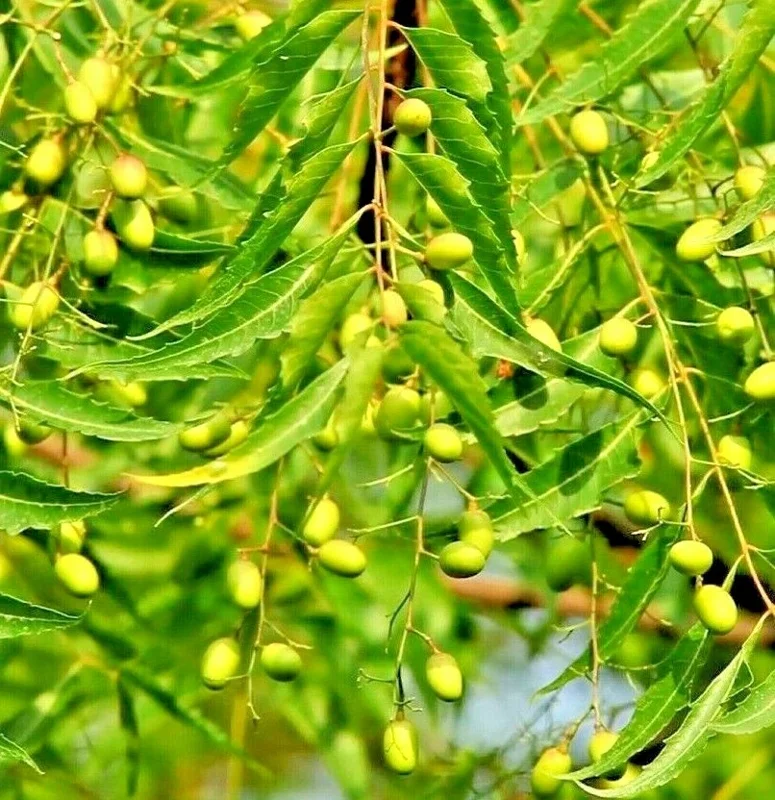
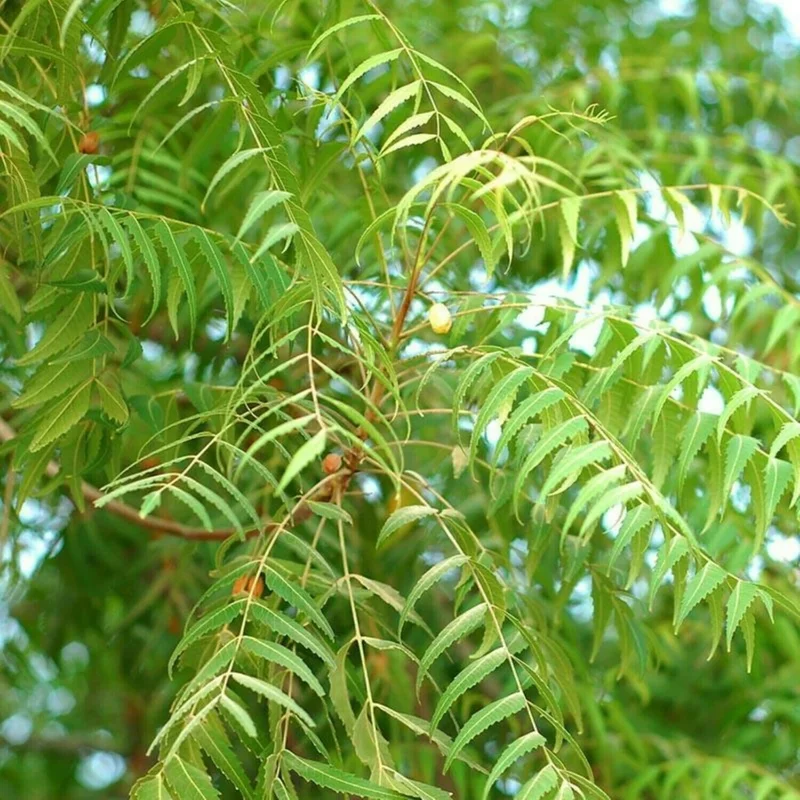
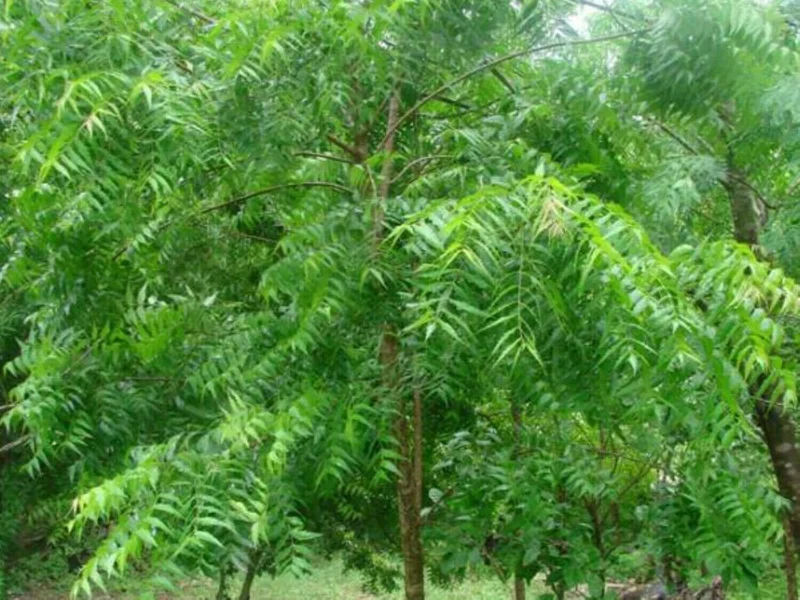







Neem Tree Plant or Seeds – Azadirachta indica – Non-GMO – Indoor/Outdoor
From $9.38
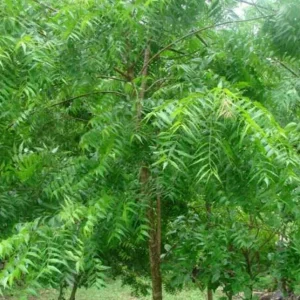
Cultivate your own Neem Tree plant or start from Azadirachta indica seeds. This versatile evergreen thrives indoors and outdoors, known for its fast growth and adaptability. Choose between live plants in various sizes or convenient seed packs to grow Neem tree in your home or garden.
-
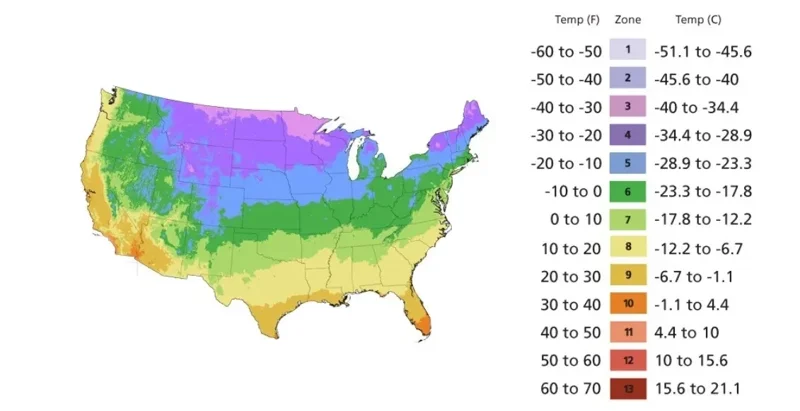
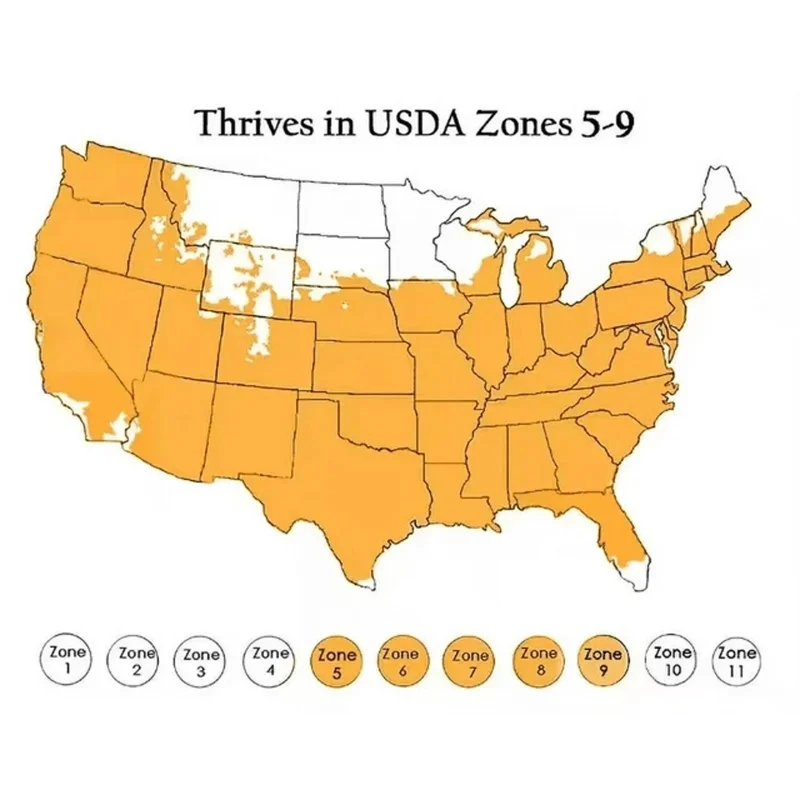
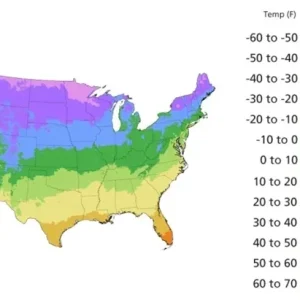
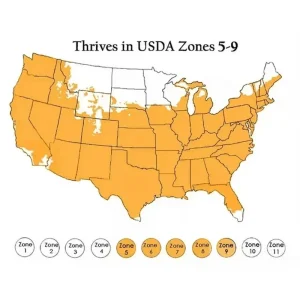
USDA Hardiness Zone
USDA zones 9-11 -
Soil Type
Well-draining, sandy loam soil -
Sunlight Exposure
Full sun to partial shade -
Expected Planting Period
Year-round indoors, spring to early summer outdoors

You can track your order HERE
Mar 20
Mar 25 - Mar 27
Mar 30 - Apr 03
Shipping and return policies: Our Alive & Thrive Guarantee covers issues with your plants within the first 30 days. Reach out to us. Our team will answer your questions and help you find the plants that are truly suitable for your environment, climate, and personal preferences.

Overview
Embark on a rewarding gardening journey with the esteemed Neem Tree plant, also known by its botanical name, Azadirachta indica. This exceptional tree is available either as robust live plants, ranging from 10 inches to 2 feet tall, or as high-quality, non-GMO seeds, offering flexibility for every grower. The Neem tree is celebrated globally for its rapid growth, evergreen foliage, and remarkable adaptability to diverse climates. Whether you’re an experienced horticulturist or a budding enthusiast, growing this plant promises a unique and enriching experience. It’s an excellent choice for those looking to introduce a fast-growing, resilient tree with a rich history into their landscape or indoor collection.
The Azadirachta indica seeds provide an economical and exciting way to start your own collection, allowing you to witness the plant’s life cycle from germination to maturity. For immediate gratification, the live plants offer a head start, ready to be transplanted and begin their growth in your chosen environment. Both options are sourced with care, ensuring you receive healthy, viable material to cultivate your very own Neem tree.
Key Benefits
The Neem Tree plant offers a multitude of benefits, making it a highly desirable addition to any garden or indoor space. Its unique characteristics contribute to its popularity and widespread appreciation.
- Adaptable Growth: The Neem tree is highly adaptable, thriving in a wide range of climates from arid to tropical, making it suitable for many environments. It can be grown both indoors and outdoors, providing flexibility for gardeners.
- Fast Growth Rate: Known for its vigorous and rapid growth, the Neem tree quickly establishes itself, allowing you to enjoy its benefits sooner. This makes it an excellent choice for those looking to quickly establish a green presence.
- Evergreen Foliage: This tree maintains its lush green leaves throughout the year, providing continuous aesthetic appeal and shade. The evergreen nature ensures a vibrant display in your garden year-round.
- Air Purifying Qualities: Like many plants, the Neem tree contributes to healthier air quality by absorbing carbon dioxide and releasing oxygen. Having a Neem Tree plant can enhance the freshness of your home or garden environment.
- Drought-Resistant: Once established, the Neem tree demonstrates excellent drought resistance, requiring less frequent watering compared to many other plants. This makes it a low-maintenance option for busy gardeners.
- Versatile Use: Beyond its ornamental value, the Neem tree is historically known for various traditional uses. Cultivating it allows you to explore the full potential of this remarkable species.
- Easy to Grow: Whether you choose to grow Neem tree from seeds or start with a live plant, the process is generally straightforward and rewarding. Its resilience makes it forgiving for new gardeners.
Plant Care & Growing Tips
Caring for your Neem Tree plant, whether you’ve started from Azadirachta indica seeds or a young plant, is relatively simple due to its hardy nature. Understanding its basic needs will ensure vigorous growth and a thriving tree. Neem trees prefer a warm climate and can tolerate a variety of soil conditions, but good drainage is crucial. For outdoor planting, choose a location that receives full sun for at least 6-8 hours a day. If growing indoors, a south-facing window or a spot with bright, indirect light is ideal. A non-GMO Neem tree will flourish with consistent care.
Watering should be moderate. Allow the top inch or two of soil to dry out completely between waterings to prevent root rot, especially for potted plants. During drier periods or in hotter climates, more frequent watering may be necessary. The Neem tree is quite adaptable to different soil types, but it thrives best in well-draining, sandy loam soil with a neutral pH. Fertilization can be done during the growing season (spring and summer) with a balanced, all-purpose fertilizer, following the product’s instructions. Over-fertilization should be avoided. Ensuring proper air circulation is also beneficial, particularly for indoor plants, to prevent fungal issues.
The Neem tree is generally robust and not prone to many common problems. However, keep an eye out for pests like spider mites or mealybugs, which can be treated with organic insecticidal soap if necessary. Pruning can be done to maintain shape and size, especially for indoor plants or to encourage bushier growth. Young trees may benefit from some protection during their first winter if temperatures drop significantly. With these simple guidelines, your grow Neem tree project will be a success, leading to a healthy and beautiful specimen.
Size & Details
Our Neem Tree plant offerings provide options to suit various gardening needs. You can select from fresh, viable Azadirachta indica seeds in packs of 5, 10, 25, 50, 100, or 250, allowing you to start multiple plants or share with friends. Alternatively, choose a live plant, available in a 10-inch size for those seeking a young, established specimen, or a medium plant that reaches approximately 2 feet in height, perfect for a more immediate impact in your garden or home. These plants are shipped potted, ensuring minimal stress during transit and a smooth transition to their new environment. The Neem tree is known for its fast growth rate, quickly developing into a substantial plant.
When mature, a Neem tree can reach considerable heights, though potted indoor plants will remain smaller and can be managed with pruning. The foliage is evergreen, maintaining its vibrant green color year-round. This non-GMO Neem product ensures you are cultivating a natural and unaltered variety of this remarkable tree. The exact dimensions of the live plants refer to their height from the base of the pot. Expect your plant to arrive healthy and ready for continued growth.
Frequently Asked Questions
- Q: How big does a Neem Tree plant get? A: Outdoors, a Neem tree can grow quite large, reaching up to 50-60 feet tall. When grown indoors in a pot, its size can be managed through pruning, typically staying within 5-10 feet depending on the pot size and care.
- Q: Is this an indoor or outdoor plant? A: The Neem Tree plant is versatile and can thrive both indoors and outdoors. In USDA zones 9-11, it can be grown outdoors year-round. In colder climates, it’s best grown in a pot and brought indoors during winter.
- Q: How much sunlight does it need? A: Neem trees require plenty of sunlight. For optimal growth, provide at least 6-8 hours of direct sunlight daily. If growing indoors, place it near a bright, south-facing window.
- Q: How often should I water my Neem tree? A: Water thoroughly when the top 1-2 inches of soil feel dry to the touch. Ensure proper drainage to prevent waterlogging, which can harm the roots. Reduce watering frequency in cooler months.
- Q: Is this plant easy to care for? A: Yes, the Neem tree is considered relatively easy to care for, especially once established. It’s drought-tolerant and resilient, making it suitable for both experienced and novice gardeners looking to grow Neem tree successfully.
- Q: What condition will the live plant arrive in? A: Live plants are carefully packaged and shipped potted to ensure they arrive in good health. They will be ready for you to transplant into a larger pot or your garden upon arrival.
- Q: When is the best time to plant Neem seeds? A: Neem seeds can be planted year-round indoors. If planting outdoors in suitable climates, spring or early summer after the last frost is generally the best time for germination and establishment.
- Q: What type of soil is best for Neem? A: Neem trees prefer well-draining soil. A sandy loam mix is ideal, but they can tolerate a range of soil types as long as drainage is excellent. Avoid heavy, water-retentive soils.
- Q: Can I grow Azadirachta indica seeds in a small pot? A: You can start Azadirachta indica seeds in small pots, but as the seedlings grow, they will need to be transplanted to progressively larger containers to accommodate their fast growth and root system.
- Q: Will it survive winter in my zone? A: Neem trees are tropical to subtropical. They can tolerate light frost but are not cold hardy. If you live in a region with freezing winters (below USDA Zone 9), you will need to protect your outdoor plant or grow it in a container that can be moved indoors.
| Options | 10 Seeds, 100Seeds, 250Seeds, 25Seeds, 50Seeds, 5Seeds, Live Plant 10Inch, Medium Plant 2Ft |
|---|
Be the first to review “Neem Tree Plant or Seeds – Azadirachta indica – Non-GMO – Indoor/Outdoor”
People Also Viewed
Sold 98 products
Original price was: $85.98.$42.99Current price is: $42.99.
Sold 58 products
Original price was: $91.80.$45.90Current price is: $45.90.
Sold 87 products
Original price was: $112.00.$89.60Current price is: $89.60.
Sold 80 products
Original price was: $179.98.$143.98Current price is: $143.98.
Sold 50 products
Original price was: $17.98.$14.38Current price is: $14.38.
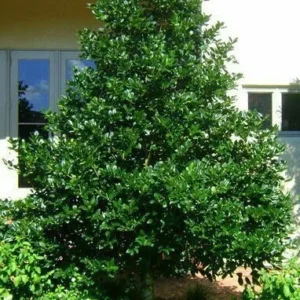
Sold 63 products
Original price was: $339.96.$169.98Current price is: $169.98.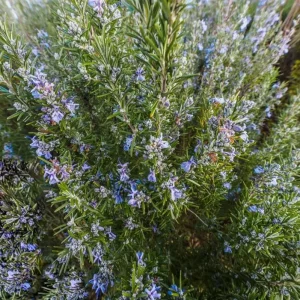
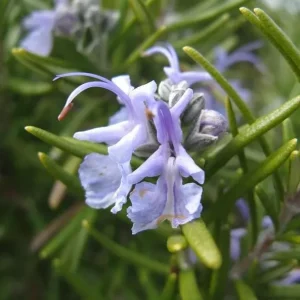
Sold 80 products
Original price was: $30.78.$15.39Current price is: $15.39.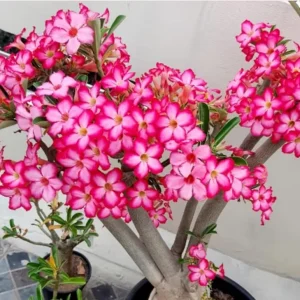
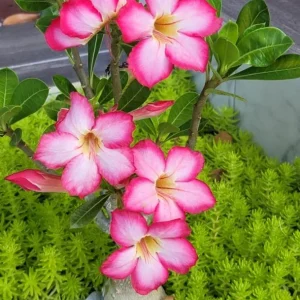
Succulents
Set of 2 Pink Desert Rose Live Plants (Adenium obesum) 4-6″ Tall – Indoor/Outdoor Flower Plant
Sold 99 products
Original price was: $51.78.$25.89Current price is: $25.89.

Sold 80 products
Original price was: $36.36.$18.18Current price is: $18.18.
Sold 53 products
Original price was: $59.18.$29.59Current price is: $29.59.
Sold 88 products
From $103.80
Sold 60 products
Original price was: $47.98.$23.99Current price is: $23.99.
Sold 98 products
Original price was: $73.48.$36.74Current price is: $36.74.
Sold 96 products
Original price was: $43.20.$21.60Current price is: $21.60.
Sold 94 products
Original price was: $38.00.$19.00Current price is: $19.00.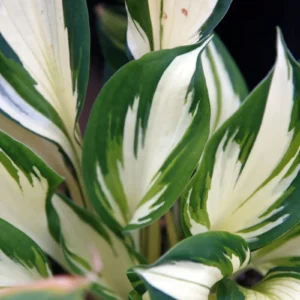
Flower Plants
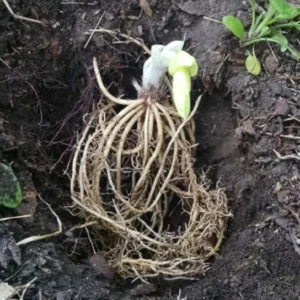
Fire and Ice Hosta Bare Root Live Plant – Variegated Perennial for Shade Gardens, Zones 3-9
Sold 87 products
From $83.80
Sold 79 products
Original price was: $220.00.$110.00Current price is: $110.00.
Sold 88 products
Original price was: $49.98.$24.99Current price is: $24.99.


Reviews
There are no reviews yet.