
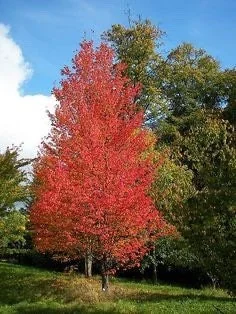
Native Red Maple Tree Live Plant, 1 Quart Pot, Outdoor Shade Tree, USDA Zones 3-9
Original price was: $51.96.$25.98Current price is: $25.98.
Bring brilliant autumn hues to your garden with a native red maple tree live plant. Supplied in a 1-quart pot, this acer rubrum plant is ready to establish, offering fast growth and vibrant red maple fall color. Ideal for creating natural shade and attracting wildlife, it’s considered one of the best deciduous trees for its adaptability and low red maple tree care needs.
-
USDA Hardiness Zone
USDA Zones 3-9 -
Soil Type
Slightly acidic, well-draining loam (adaptable to various soils) -
Sunlight Exposure
Full sun to partial shade -
Expected Planting Period
Spring or Fall

You can track your order HERE
Mar 01
Mar 06 - Mar 08
Mar 11 - Mar 15
Shipping and return policies: Our Alive & Thrive Guarantee covers issues with your plants within the first 30 days. Reach out to us. Our team will answer your questions and help you find the plants that are truly suitable for your environment, climate, and personal preferences.

Overview
Introduce the splendor of autumn to your landscape with a native red maple tree live plant. This beautiful deciduous tree, scientifically known as Acer rubrum, is one of the most common and widespread native trees across eastern and central North America. Our native red maple tree live plant comes as a healthy specimen in a convenient 1-quart pot, ready for planting and establishment in your garden. Also known as swamp maple, water maple, or soft maple, the native red maple tree live plant is cherished for its remarkable adaptability and its brilliant deep scarlet foliage that transforms any outdoor space into a breathtaking display each fall. Beyond its stunning seasonal show, this tree offers significant ecological benefits, providing habitat and food for wildlife, making it a wonderful addition for both aesthetic appeal and environmental contribution. The acer rubrum plant is renowned for its hardiness and ability to thrive in a diverse range of soil conditions and climates, making it an excellent choice for many homeowners.
From southeastern Manitoba to Florida and Texas, this tree is a true North American icon. Its flowers, petioles, twigs, and seeds all exhibit varying shades of red, contributing to its year-round appeal. Planting a native red maple tree live plant is an investment in long-term beauty and ecological balance, promising decades of enjoyment and a spectacular autumn spectacle. With proper red maple tree care, this plant will flourish and become a treasured part of your outdoor space, providing stunning visual interest and supporting local ecosystems.
Key Benefits
The native red maple tree live plant offers numerous advantages for any landscape, combining aesthetic beauty with ecological value. Its robust nature and striking appearance make it a highly desirable choice for gardeners and landscapers alike. Discover why this tree is a fantastic addition:
- Spectacular Fall Foliage: The primary draw of the native red maple tree live plant is its unparalleled autumn display. Its leaves turn a brilliant deep scarlet, creating a stunning visual impact that enhances any garden or streetscape. This vibrant red maple fall color lasts for several weeks, providing a prolonged period of seasonal beauty that defines the fall landscape.
- Adaptability and Hardiness: This tree is incredibly versatile, thriving across a broad range of climates, specifically USDA Zones 3-9. It can tolerate various soil types, from wet to relatively dry, making it suitable for many different planting locations. This resilience contributes to straightforward red maple tree care.
- Fast Growing Shade Tree: Red maples are known for their relatively fast growth rate, quickly developing into a mature tree that provides ample shade. This makes them ideal for cooling your home in summer and creating comfortable outdoor living spaces, adding significant value to your property.
- Wildlife Attraction: The red maple provides significant ecological benefits. Its flowers are an early spring food source for pollinators, and its seeds are eaten by birds and small mammals, contributing to local biodiversity and supporting the natural environment.
- Native Species Benefits: As a native species, the acer rubrum plant is well-adapted to local ecosystems, requiring less intervention once established compared to non-native alternatives. It supports native wildlife and contributes to the health of the local environment, making it a sustainable choice.
- Year-Round Interest: While most famous for its fall color, the red maple also offers subtle beauty throughout the year, with reddish flowers in early spring and reddish twigs and seeds, ensuring continuous appeal.
- Low Maintenance: Once established, the native red maple tree live plant is generally low maintenance, requiring minimal pruning and pest management, especially when planted in suitable conditions. This makes it one of the best deciduous trees for ease of care.
Plant Care & Growing Tips
Proper red maple tree care ensures a healthy, vigorous tree with stunning fall colors. The native red maple tree live plant is quite adaptable, but providing optimal conditions will lead to the best results. For sunlight, red maples prefer full sun to partial shade, meaning they should receive at least 4-6 hours of direct sunlight per day. While they can tolerate some shade, more sun generally leads to more intense red maple fall color. When planting, choose a location with adequate space for the tree to reach its mature size of around 100 feet tall and a spread of 30-50 feet. This will prevent future issues with overcrowding or structural damage and allow the tree to develop its full majestic form.
Watering is crucial, especially during the first few years after planting. Red maples prefer consistently moist soil, though they are tolerant of various moisture levels. Water deeply and regularly, ensuring the soil remains damp but not waterlogged. Once established, they are more drought-tolerant but will benefit from supplemental watering during prolonged dry spells. The ideal soil type for the acer rubrum plant is a slightly acidic, well-draining loam. However, it can adapt to a wide range of soil conditions, including clay and sandy soils, as long as drainage is adequate. Fertilization is generally not necessary for established trees in healthy soil, but a balanced, slow-release fertilizer can be applied in early spring if growth appears sluggish or leaves are discolored. Always follow product instructions for application rates.
The native red maple tree live plant is hardy in USDA Zones 3-9, making it suitable for a vast majority of the US. It is generally resistant to most pests and diseases, but occasional issues like leaf spot or aphids may occur. Good air circulation and proper watering practices can help prevent fungal diseases. Pruning, if needed, should be done in late summer or early fall to avoid excessive sap bleeding. Remove any dead, damaged, or crossing branches to maintain a strong structure. Understanding these aspects of red maple tree care will help you cultivate a magnificent and long-lived specimen, ensuring it remains one of the best deciduous trees in your landscape.
Size & Details
This offering is for one native red maple tree live plant supplied in a 1 quart pot. The plant will be a young, healthy specimen, typically ranging from 8 to 18 inches in height upon arrival, ready for transplanting into your garden or a larger container. Red maples are known for their relatively fast growth rate, and with proper care, they can quickly establish themselves and begin to add significant height and canopy. At maturity, an acer rubrum plant can reach an impressive height of around 100 feet with a spread of 30 to 50 feet, making it an excellent choice for a shade tree or a prominent landscape feature. The tree is shipped as a live potted plant, ensuring minimal transplant shock and a strong start in its new environment. While individual growth rates can vary based on local conditions, soil quality, and care, you can generally expect noticeable growth each year. The brilliant deep scarlet foliage, often referred to as red maple fall color, is a hallmark of this species and will become more pronounced as the tree matures. This 1 quart pot size is ideal for easy handling and provides a robust root system for successful planting, setting your tree up for long-term health and impressive growth.
Frequently Asked Questions
- Q: How big does this native red maple tree get? A: A mature native red maple tree live plant can reach heights of up to 100 feet (30 meters) with a spread of 30-50 feet. The plant you receive will be a young specimen in a 1 quart pot, ready to grow. This impressive size makes it one of the best deciduous trees for large landscapes.
- Q: Is this an indoor or outdoor plant? A: The native red maple tree live plant is an outdoor deciduous tree. It requires ample space and is not suitable for indoor cultivation.
- Q: How much sunlight does the red maple tree need? A: Red maples thrive in full sun to partial shade, ideally receiving at least 4-6 hours of direct sunlight daily for the best growth and most vibrant red maple fall color.
- Q: Is this plant easy to care for? A: Yes, red maple tree care is generally considered easy once the tree is established. They are adaptable to various soil conditions and are quite hardy across USDA Zones 3-9.
- Q: What condition will it arrive in? A: Your acer rubrum plant will arrive as a live, healthy plant in a 1 quart pot, with its root system intact and ready for planting.
- Q: When is the best time to plant a red maple tree? A: The best time to plant a red maple is typically in the spring or fall when temperatures are moderate, allowing the tree to establish its root system before extreme heat or cold.
- Q: Will it survive winter in my zone? A: The native red maple tree live plant is highly cold-hardy and thrives in USDA Zones 3-9, meaning it can withstand cold winters in a wide range of regions across the US.
- Q: What is the best soil for this tree? A: While adaptable, red maples prefer slightly acidic, well-draining loam. They can tolerate a range of soil types, including sandy and clay soils, as long as drainage is sufficient.
- Q: How fast does the native red maple tree grow? A: Red maples are known for their relatively fast growth rate, adding a foot or more in height per year under optimal growing conditions, quickly providing shade and beauty.
- Q: What makes this one of the best deciduous trees? A: Its striking red maple fall color, adaptability, fast growth, and ecological benefits make it one of the best deciduous trees for many landscapes, offering year-round appeal.
Be the first to review “Native Red Maple Tree Live Plant, 1 Quart Pot, Outdoor Shade Tree, USDA Zones 3-9”
People Also Viewed
Sold 99 products
From $43.96
Sold 58 products
Original price was: $47.96.$23.98Current price is: $23.98.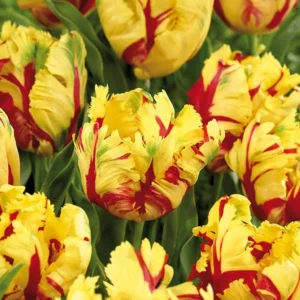
Flower Bulbs
Texas Flame Parrot Tulip Bulbs – Fiery Ruffled Blooms, 18-22 in Tall, Zones 2-8, Fall Planting
Sold 84 products
From $67.80
Sold 71 products
Original price was: $62.76.$31.38Current price is: $31.38.
Sold 50 products
Original price was: $30.76.$15.38Current price is: $15.38.
Sold 65 products
Original price was: $179.80.$89.90Current price is: $89.90.
Sold 97 products
$87.98
Sold 54 products
From $91.80
Sold 60 products
Original price was: $73.98.$36.99Current price is: $36.99.
Sold 79 products
Original price was: $24.35.$7.74Current price is: $7.74.
Sold 77 products
$35.18
Sold 52 products
Original price was: $25.56.$10.78Current price is: $10.78.
Sold 82 products
Original price was: $79.98.$39.99Current price is: $39.99.
Sold 87 products
Original price was: $39.98.$31.98Current price is: $31.98.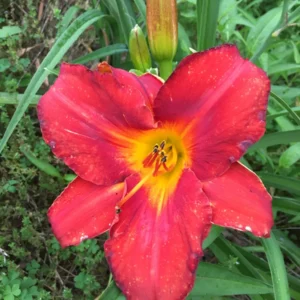
Flower Plants
Pardon Me Daylily Bare Root Plant – Fragrant Red Reblooming Hemerocallis, 1-2 Fans, Outdoor
Sold 55 products
From $119.80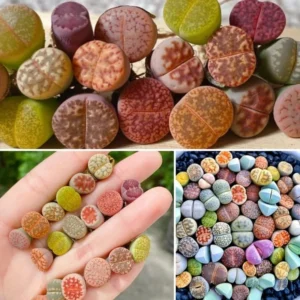
HousePlants
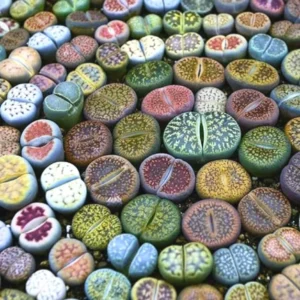
Lithops Live Plants Mix – 10 Large Colorful Living Stones Succulents for Indoor/Outdoor Growing
Sold 65 products
Original price was: $27.98.$13.99Current price is: $13.99.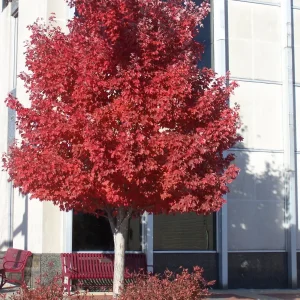
Sold 71 products
Original price was: $43.20.$21.60Current price is: $21.60.
Sold 66 products
Original price was: $147.16.$73.58Current price is: $73.58.



Reviews
There are no reviews yet.