
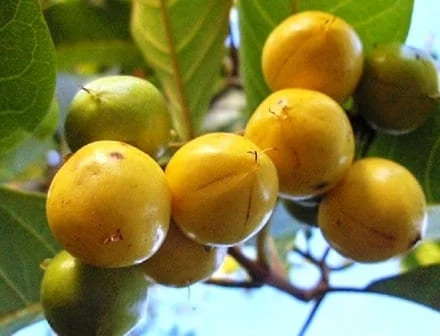
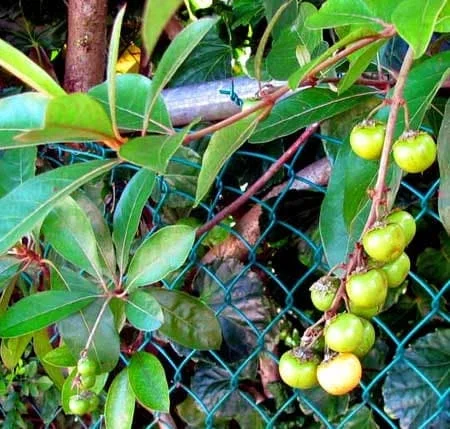
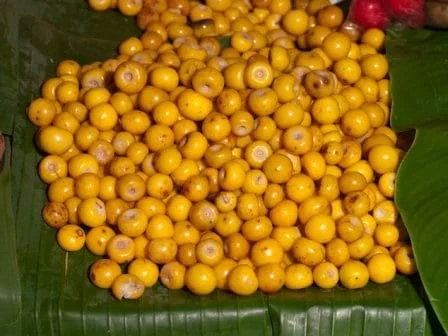
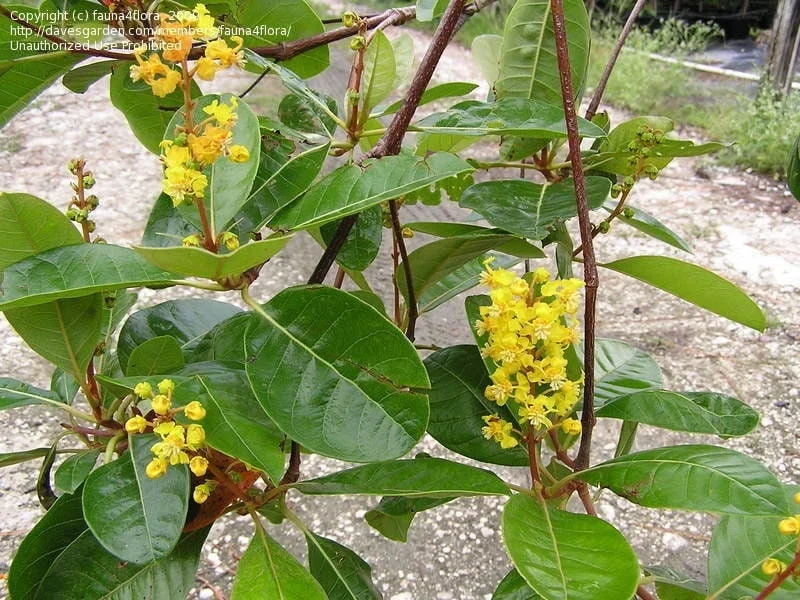
Nance Live Plant – Byrsonima Crassifolia – 2-3 Feet Tall Fruiting Tree in 3 Gal Pot
Original price was: $391.96.$195.98Current price is: $195.98.
Bring home a tropical delight with this nance live plant (Byrsonima crassifolia), standing 2-3 feet tall. This fast-growing fruiting tree produces delicious yellow-orange fruits and attractive blooms, perfect for edible landscapes or ornamental gardens. Enjoy its drought-tolerant nature and unique flavor.
-
USDA Hardiness Zone
USDA zones 9-11 -
Soil Type
Well-draining, sandy or rocky soil -
Sunlight Exposure
Full sun -
Expected Planting Period
Year-round in tropical climates, spring to summer in subtropical zones

You can track your order HERE
Mar 17
Mar 22 - Mar 24
Mar 27 - Mar 31
Shipping and return policies: Our Alive & Thrive Guarantee covers issues with your plants within the first 30 days. Reach out to us. Our team will answer your questions and help you find the plants that are truly suitable for your environment, climate, and personal preferences.

Overview
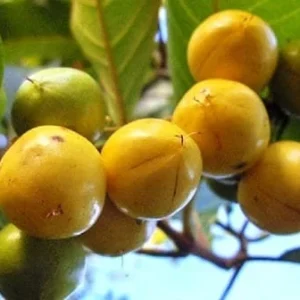
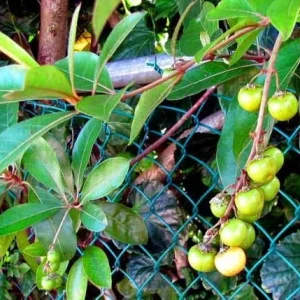
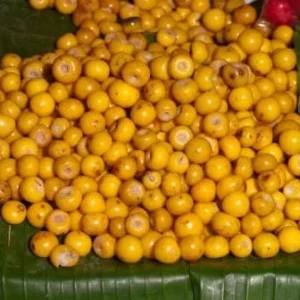
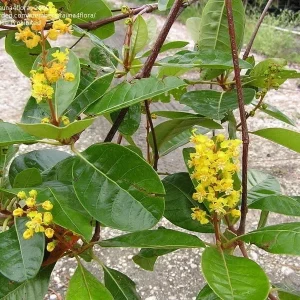
Introduce an exotic touch to your garden with the nance live plant (Byrsonima crassifolia), also commonly known as Nanche. This vibrant, fast-growing fruiting shrub or small tree, belonging to the Acerola family, is a true gem for tropical and subtropical environments. Originating from the Americas, the Nance tree is cherished for its small, yellow-orange fruits that resemble tropical cherries. These versatile fruits can be enjoyed fresh, juiced, fermented into traditional beverages like chicha, distilled, candied, or incorporated into various desserts and carbonated drinks. Beyond its delicious yield, the Nance plant boasts decorative blooms, making it an attractive addition to any ornamental garden or edible landscape.
Our nance live plant arrives as a well-established specimen, typically 2 to 3 feet tall, ready to thrive in its new home. It’s a robust and adaptable species, known for its resilience and ability to flourish in diverse conditions. Whether you’re an experienced gardener looking for a unique fruiting tree or a beginner eager to explore tropical plants, the Nance offers a rewarding growing experience with its plentiful harvest and beautiful appearance. Its cultural significance and culinary versatility make it a fascinating plant to cultivate.
Key Benefits
The nance live plant offers a multitude of benefits, from its aesthetic appeal to its delicious and versatile fruits, making it a highly desirable addition to any garden or landscape. Cultivating this tropical tree provides both beauty and bounty.
- Delicious, Versatile Fruit: Enjoy small, yellow-orange fruits that can be eaten raw, juiced, fermented, candied, or used in desserts and drinks. A single tree can provide a plentiful harvest for various culinary uses.
- Attractive Ornamental Value: Beyond its fruit, the Nance tree features decorative blooms that add a tropical flair and visual interest to your garden, enhancing its overall aesthetic appeal.
- Fast-Growing and Resilient: Known for its rapid growth rate, the Nance quickly establishes itself and begins producing fruit. It’s also remarkably resilient, thriving in diverse conditions.
- Drought-Tolerant Properties: Valued for its ability to withstand dry periods, this tree is an excellent choice for xeriscaping or gardens in regions with limited water resources, reducing the need for frequent irrigation.
- Adaptable to Various Soils: The Nance tree is not picky about soil, preferring sandy and rocky soils but adapting well to others, making growing nance tree easier for many gardeners.
- Supports Biodiversity: As a fruiting tree, it can attract local wildlife, such as birds and beneficial insects, contributing to the ecological balance of your garden environment.
- Low Maintenance: Once established, this tropical fruiting plant requires minimal care, making it suitable for both experienced gardeners and those new to cultivating fruit trees.
Plant Care & Growing Tips
Successful cultivation of your nance live plant begins with understanding its specific care requirements. This robust species is generally easy to care for, especially when provided with the right conditions. For optimal growth and fruit production, pay close attention to its sunlight, water, and soil preferences, ensuring your byrsonima crassifolia care routine supports a healthy and productive tree.
The Nance tree thrives in full sun, requiring at least 6-8 hours of direct sunlight daily. In extremely hot climates, some afternoon shade can be beneficial, particularly for young plants, but generally, the more sun it receives, the better its growth and fruit yield. It prefers well-draining soil, ideally sandy or rocky, mimicking its native habitat. Avoid heavy clay soils that retain too much moisture, as this can lead to root rot. Good drainage is crucial for the health of this drought tolerant fruit tree. While drought-tolerant once established, young Nance plants require regular watering to encourage strong root development. Water deeply when the top few inches of soil feel dry, but allow the soil to dry out slightly between waterings. Mature trees can tolerate periods of drought but will produce more fruit with consistent moisture.
The Nance tree is adaptable to USDA hardiness zones 9-11, preferring warm, tropical, and subtropical climates. It can tolerate temperatures down to about 25°F (-4°C) for short periods once mature, but young plants and prolonged cold spells require protection. Fertilize your nance live plant during the growing season (spring and summer) with a balanced, slow-release fertilizer formulated for fruiting trees. Follow the product instructions for application rates. Pruning is generally minimal, focused on removing dead or diseased branches and shaping the tree for better air circulation and fruit accessibility. Watch out for common pests like aphids or scale insects, and treat with organic pest control methods if necessary. Proper care ensures a bountiful harvest and a healthy, attractive tree for years to come.
Size & Details
This nance live plant is typically shipped as a young tree, standing approximately 2 to 3 feet tall, securely rooted in a 3-gallon nursery pot. This size ensures a well-established root system, providing a strong start for planting in your garden or a larger container. The Nance (Byrsonima crassifolia) is known for its fast growth rate, quickly developing into a small tree or large shrub, reaching mature heights of 10-20 feet in ideal conditions, though it can be maintained at a smaller size with pruning. Its canopy can spread similarly, offering a pleasant shade and a decorative presence.
The plant is ready for transplanting upon arrival and will continue to grow vigorously with proper care. Expect the first fruits to appear within a few years of planting, with production increasing as the tree matures. This tropical fruiting plant is an excellent long-term investment for those looking to enjoy homegrown exotic fruits and enhance their landscape with a resilient and beautiful specimen. Its robust nature makes it a reliable choice for various garden settings, especially where a drought tolerant fruit tree is desired.
Frequently Asked Questions
- Q: How big does this Nance live plant get? A: This Nance live plant is shipped at 2-3 feet tall. In optimal conditions, the Nance tree can grow to a mature height of 10-20 feet, though it can be kept smaller with regular pruning.
- Q: What size pot does it come in? A: Your nance live plant will arrive securely rooted in a 3-gallon nursery pot, providing a strong foundation for its continued growth.
- Q: Is this an indoor or outdoor plant? A: The Nance tree is primarily an outdoor plant, thriving in tropical and subtropical climates (USDA zones 9-11). It can be grown in a large container and moved indoors during cold weather in cooler zones.
- Q: How much sunlight does the Nance tree need? A: This tropical fruiting plant requires full sun, meaning at least 6-8 hours of direct sunlight per day, for the best growth and fruit production.
- Q: Is this plant easy to care for? A: Yes, once established, the Nance tree is relatively low-maintenance and known for its resilience and drought tolerance, making byrsonima crassifolia care quite manageable.
- Q: What condition will it arrive in? A: Your nance live plant will arrive as a healthy, well-rooted specimen in its pot, carefully packaged to ensure its safe journey.
- Q: Can I use Nance fruit in cooking? A: Absolutely! Nance fruits are very versatile. They can be eaten raw, juiced, fermented into drinks, distilled, candied, or used in a variety of desserts and carbonated beverages.
- Q: How long until it produces fruit? A: With proper care, your Nance tree can begin producing fruit within a few years of planting, with yields increasing as the tree matures.
- Q: Will it survive winter in my zone? A: The Nance tree is best suited for USDA zones 9-11. If you are in a colder zone, you will need to provide winter protection or grow it in a container that can be moved indoors.
- Q: What kind of soil does a Nance tree prefer? A: This drought tolerant fruit tree prefers well-draining soil, ideally sandy or rocky, but it can adapt to various soil types as long as drainage is good.
Be the first to review “Nance Live Plant – Byrsonima Crassifolia – 2-3 Feet Tall Fruiting Tree in 3 Gal Pot”
People Also Viewed
Sold 92 products
Original price was: $32.28.$22.99Current price is: $22.99.
Sold 55 products
Original price was: $25.98.$12.99Current price is: $12.99.
Sold 97 products
Original price was: $210.00.$157.50Current price is: $157.50.
Sold 51 products
Original price was: $210.00.$157.50Current price is: $157.50.
Sold 65 products
Original price was: $33.98.$27.18Current price is: $27.18.
Sold 66 products
Original price was: $79.98.$39.99Current price is: $39.99.
Sold 61 products
Original price was: $39.98.$19.99Current price is: $19.99.
Sold 100 products
Original price was: $60.76.$30.38Current price is: $30.38.
Sold 53 products
Original price was: $44.76.$22.38Current price is: $22.38.

Sold 77 products
Original price was: $8.52.$4.26Current price is: $4.26.
Sold 72 products
Original price was: $59.78.$29.89Current price is: $29.89.
Sold 54 products
From $18.99
Sold 63 products
Original price was: $47.58.$23.79Current price is: $23.79.
Flower Plants
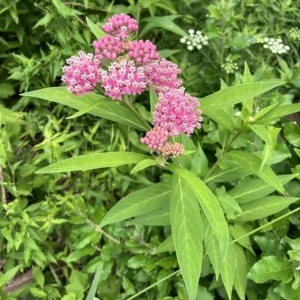
Pink Milkweed Live Plant – Set of 2, 4-6″ Tall – Asclepias spp. for Monarch Butterflies
Sold 76 products
Original price was: $47.58.$23.79Current price is: $23.79.
Sold 95 products
Original price was: $56.00.$44.80Current price is: $44.80.

Sold 72 products
Original price was: $30.76.$15.38Current price is: $15.38.
Sold 84 products
Original price was: $460.00.$230.00Current price is: $230.00.
Flowers
Set of 2 Spanish Eyes Lavender Live Plants – 4-6″ Tall – Fragrant Perennial Flowers – Indoor/Outdoor
Sold 56 products
Original price was: $36.38.$18.19Current price is: $18.19.


Reviews
There are no reviews yet.