
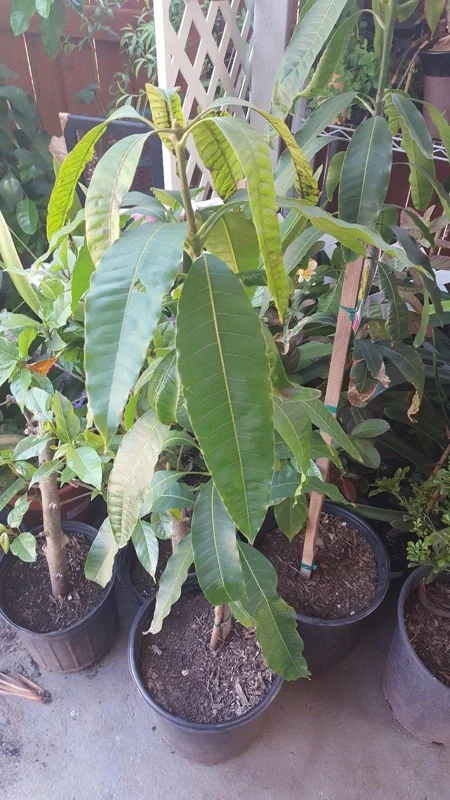
Nam Doc Mai Mango Tree – Live Thai Mango Plant – 2 to 3 Feet Tall – 3 Gallon Pot
Original price was: $463.96.$231.98Current price is: $231.98.
Cultivate your own exotic fruit with a Nam Doc Mai Mango Tree. This live mango tree is a popular Thai variety, known for its sweet, fiberless fruit. Arriving 2 to 3 feet tall in a 3-gallon pot, it’s ready to thrive in your garden or a large container, bringing a taste of the tropics to your home.
-
USDA Hardiness Zone
USDA Zones 9-11 (or indoors) -
Soil Type
Well-draining, slightly acidic to neutral loam -
Sunlight Exposure
Full sun (6-8+ hours direct light) -
Expected Planting Period
Year-round in warm climates; spring/summer in containers

You can track your order HERE
Mar 03
Mar 08 - Mar 10
Mar 13 - Mar 17
Shipping and return policies: Our Alive & Thrive Guarantee covers issues with your plants within the first 30 days. Reach out to us. Our team will answer your questions and help you find the plants that are truly suitable for your environment, climate, and personal preferences.

Overview
Bring the exotic taste of the tropics to your home with a Nam Doc Mai Mango Tree. This exquisite live mango tree is a highly sought-after Thai variety, celebrated for its exceptionally sweet, smooth, and fiberless golden-yellow fruit. Originating from Thailand, the ‘Nam Doc Mai’ translates to ‘sweet flower water,’ a testament to its delightful flavor and juicy pulp. Whether you are an experienced gardener or a budding enthusiast, growing your own Thai mango plant offers the immense satisfaction of harvesting fresh, delicious fruit right from your backyard or patio. This particular specimen arrives as a robust plant, typically 2 to 3 feet tall, ready to establish itself and eventually bear its prized fruit. It is an excellent choice for those looking to expand their edible landscape.
The Nam Doc Mai Mango Tree is renowned not only for its fruit quality but also for its relatively vigorous growth and adaptability. It can be grown in the ground in warmer climates or successfully cultivated in large containers in cooler zones, allowing it to be moved indoors during colder months. Its attractive foliage makes it a beautiful addition to any garden or patio, even before it begins to fruit. This live mango tree is a fantastic investment for anyone passionate about fresh, organic produce and the unique flavors of tropical fruits.
Key Benefits
The Nam Doc Mai Mango Tree offers a wealth of benefits beyond just its delicious fruit:
- Exceptional Fruit Quality: Enjoy the superior taste of homegrown Nam Doc Mai mangoes, known for their intensely sweet flavor, smooth texture, and complete lack of fibrous strings, making them ideal for eating fresh, in desserts, or smoothies.
- Versatile Growing Options: This live mango tree can be planted directly in the ground in USDA Zones 9-11 or grown in a large container in cooler climates, allowing you to enjoy fresh mangoes regardless of your local weather conditions.
- Attractive Ornamental Value: With its lush green foliage and potential for beautiful blooms, the Nam Doc Mai Mango Tree serves as an attractive ornamental plant for your garden, patio, or even as a focal point indoors.
- Health Benefits: Mangoes are rich in vitamins, minerals, and antioxidants, contributing to a healthy diet and providing a fresh source of essential nutrients right from your garden.
- Rewarding Gardening Experience: Cultivating your own tropical fruit tree provides a deeply satisfying and educational gardening experience, connecting you with nature and the joy of fresh produce.
- Potential for Multiple Harvests: In optimal conditions, a mature Thai mango plant can produce a bountiful harvest, offering a continuous supply of fresh mangoes throughout its fruiting season.
- Excellent Gift Idea: A live mango tree makes a unique and thoughtful gift for gardening enthusiasts, foodies, or anyone who appreciates the beauty and bounty of nature.
Plant Care & Growing Tips
Caring for your Nam Doc Mai Mango Tree requires attention to a few key environmental factors to ensure healthy growth and abundant fruiting. Sunlight is paramount; these trees thrive in at least 6-8 hours of direct sunlight per day. If growing in a container, choose a sunny, south-facing location. When it comes to watering, consistent moisture is crucial, especially during flowering and fruiting periods. Allow the top few inches of soil to dry out slightly between waterings, but avoid letting the soil become completely parched or waterlogged. Good drainage is essential to prevent root rot, which is why a well-draining soil mix is highly recommended for your Thai mango plant.
For soil, a rich, well-draining loam with a slightly acidic to neutral pH (6.0-7.0) is ideal. When planting in a container, use a high-quality potting mix formulated for fruit trees or tropical plants. Fertilize your live mango tree with a balanced slow-release fertilizer or a specific fruit tree fertilizer during the growing season (spring and summer), following the product instructions. Reduce fertilization in fall and winter. These trees prefer warm temperatures and can be sensitive to frost. If you are in an area with cold winters, growing mangoes in a container allows you to move the plant indoors when temperatures drop below 40°F (4°C). Pruning should be done after fruiting to maintain shape, encourage branching, and remove any dead or diseased limbs. Watch out for common pests like scale insects or mealybugs, and treat with organic solutions if necessary. Proper care will ensure your growing mangoes flourish.
Size & Details
This offering is for one Nam Doc Mai Mango Tree, which will arrive as a robust, young live plant. The plant typically stands between 2 to 3 feet tall from the base of the pot to the top of the foliage, providing a significant head start for growth. It is shipped securely in a 3-gallon nursery pot, ensuring the root system is well-established and ready for transplanting into a larger container or directly into the ground. The growth rate of the Thai mango plant is considered moderate, and with proper care, it can reach mature heights of 10-20 feet in the ground, though it can be kept smaller with pruning in containers. Expect the tree to begin flowering and fruiting within 3-5 years under ideal conditions, providing you with a delicious harvest of growing mangoes.
The tree’s mature spread can also be substantial when planted in the ground, offering ample shade and beauty. When grown in a container, regular repotting into incrementally larger pots will be necessary as the tree matures, eventually requiring a pot of 25 gallons or more for optimal fruit production. The leaves are typically a vibrant green, providing an attractive tropical aesthetic. This specimen is carefully selected to ensure you receive a healthy and vigorous plant, ready to thrive in its new home and begin its journey toward producing its famed sweet fruit.
Frequently Asked Questions
- Q: How big does this plant get? A: This Nam Doc Mai Mango Tree is shipped 2 to 3 feet tall in a 3-gallon pot. When planted in the ground, it can reach 10-20 feet tall, but can be maintained at a smaller size with regular pruning if grown in a container.
- Q: Is this an indoor or outdoor plant? A: In USDA Zones 9-11, the Nam Doc Mai Mango Tree can be grown outdoors year-round. In cooler climates, it is best grown in a container and brought indoors during winter months to protect it from frost.
- Q: How much sunlight does it need? A: This live mango tree thrives in full sun, requiring at least 6-8 hours of direct sunlight per day to produce the best fruit and ensure healthy growth.
- Q: Is this plant easy to care for? A: While not extremely difficult, growing mangoes requires consistent care, particularly with watering, sunlight, and protection from cold. It’s a rewarding plant for those willing to provide its specific needs.
- Q: What condition will it arrive in? A: Your Thai mango plant will arrive as a healthy, live plant, securely packaged in a 3-gallon nursery pot with its root system intact and ready for planting.
- Q: Can I grow this in a small pot? A: While it arrives in a 3-gallon pot, for long-term health and fruiting, this Nam Doc Mai Mango Tree will need to be repotted into progressively larger containers, eventually requiring a pot of 25 gallons or more.
- Q: How long until it produces fruit? A: Under optimal growing conditions, your live mango tree can begin to flower and produce fruit within 3-5 years from planting.
- Q: What’s the best soil for this mango tree? A: A well-draining, slightly acidic to neutral soil (pH 6.0-7.0) is ideal. For container growing, use a high-quality potting mix designed for tropical plants or fruit trees.
- Q: Will it survive winter in my zone? A: If you are outside of USDA Zones 9-11, you will need to protect your Nam Doc Mai Mango Tree from freezing temperatures by moving it indoors or providing adequate cold protection.
- Q: What are the mangoes like from this tree? A: The Nam Doc Mai mangoes are famous for their extremely sweet, aromatic, and fiberless flesh with a vibrant golden-yellow skin when ripe, making them a true culinary delight.
Be the first to review “Nam Doc Mai Mango Tree – Live Thai Mango Plant – 2 to 3 Feet Tall – 3 Gallon Pot”
People Also Viewed
Sold 83 products
Original price was: $23.00.$18.40Current price is: $18.40.
Sold 74 products
$48.38
Sold 61 products
Original price was: $31.96.$15.98Current price is: $15.98.
Sold 87 products
From $43.98
Sold 72 products
Original price was: $28.76.$14.38Current price is: $14.38.
Sold 65 products
$43.98
Sold 54 products
Original price was: $28.99.$18.99Current price is: $18.99.
Sold 94 products
Original price was: $51.98.$25.99Current price is: $25.99.
Sold 81 products
Original price was: $41.56.$20.78Current price is: $20.78.
Sold 70 products
Original price was: $18.76.$9.38Current price is: $9.38.
Sold 76 products
Original price was: $93.98.$46.99Current price is: $46.99.
Sold 62 products
Original price was: $28.76.$14.38Current price is: $14.38.
Sold 56 products
$54.98
Sold 71 products
Original price was: $39.98.$19.99Current price is: $19.99.
Sold 53 products
Original price was: $76.88.$38.44Current price is: $38.44.
Sold 53 products
Original price was: $91.98.$45.99Current price is: $45.99.
Sold 51 products
Original price was: $33.98.$18.49Current price is: $18.49.
Sold 78 products
Original price was: $39.98.$19.99Current price is: $19.99.



Reviews
There are no reviews yet.