
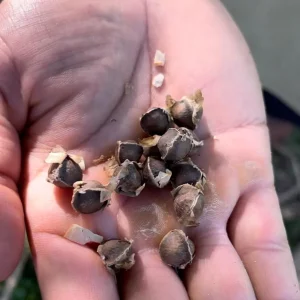
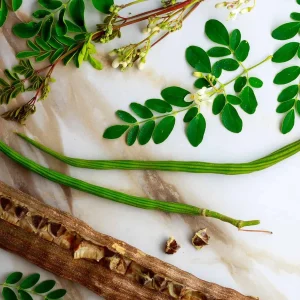
Moringa Oleifera Seeds – Miracle Tree Seeds for Growing
From $17.00
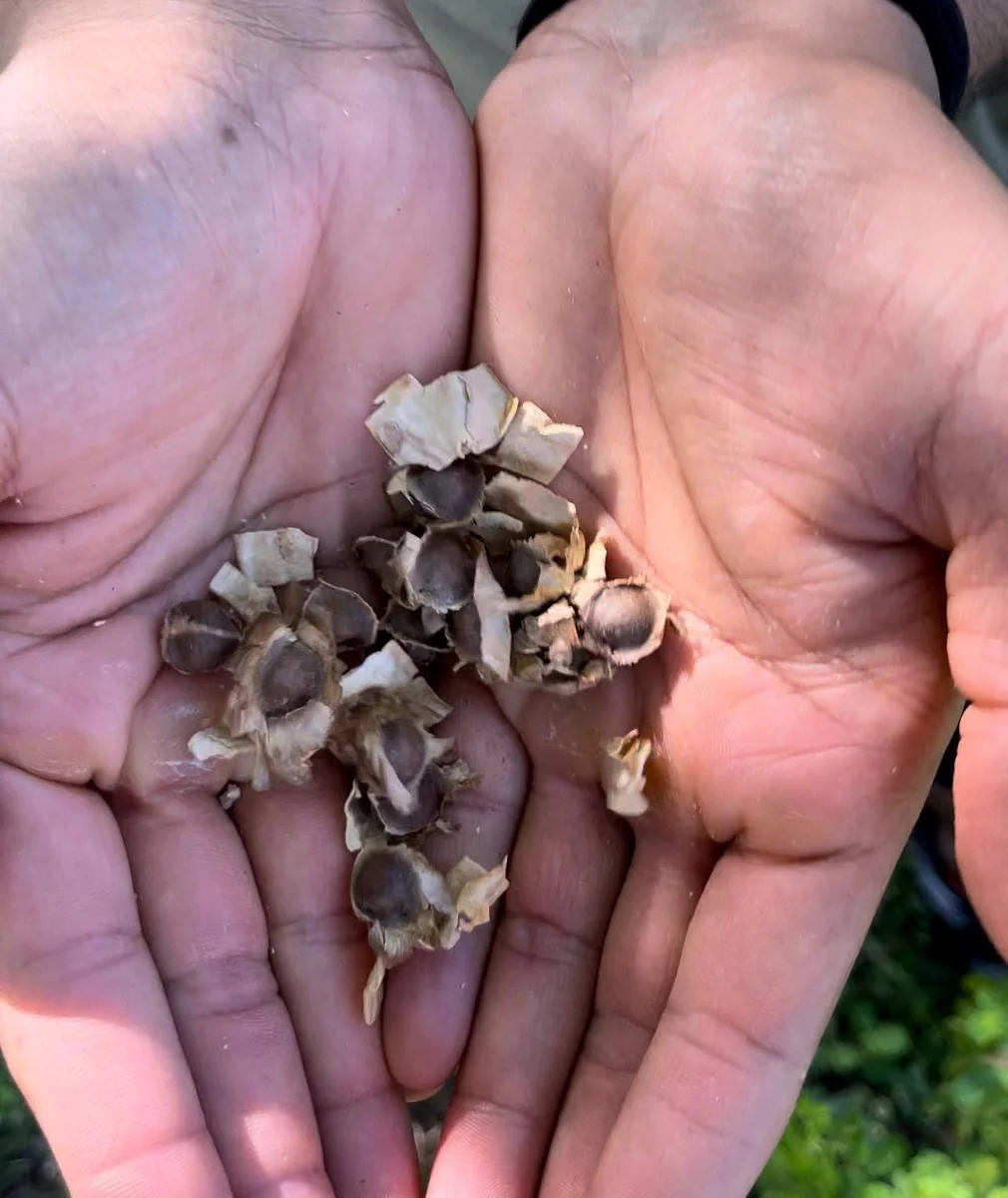
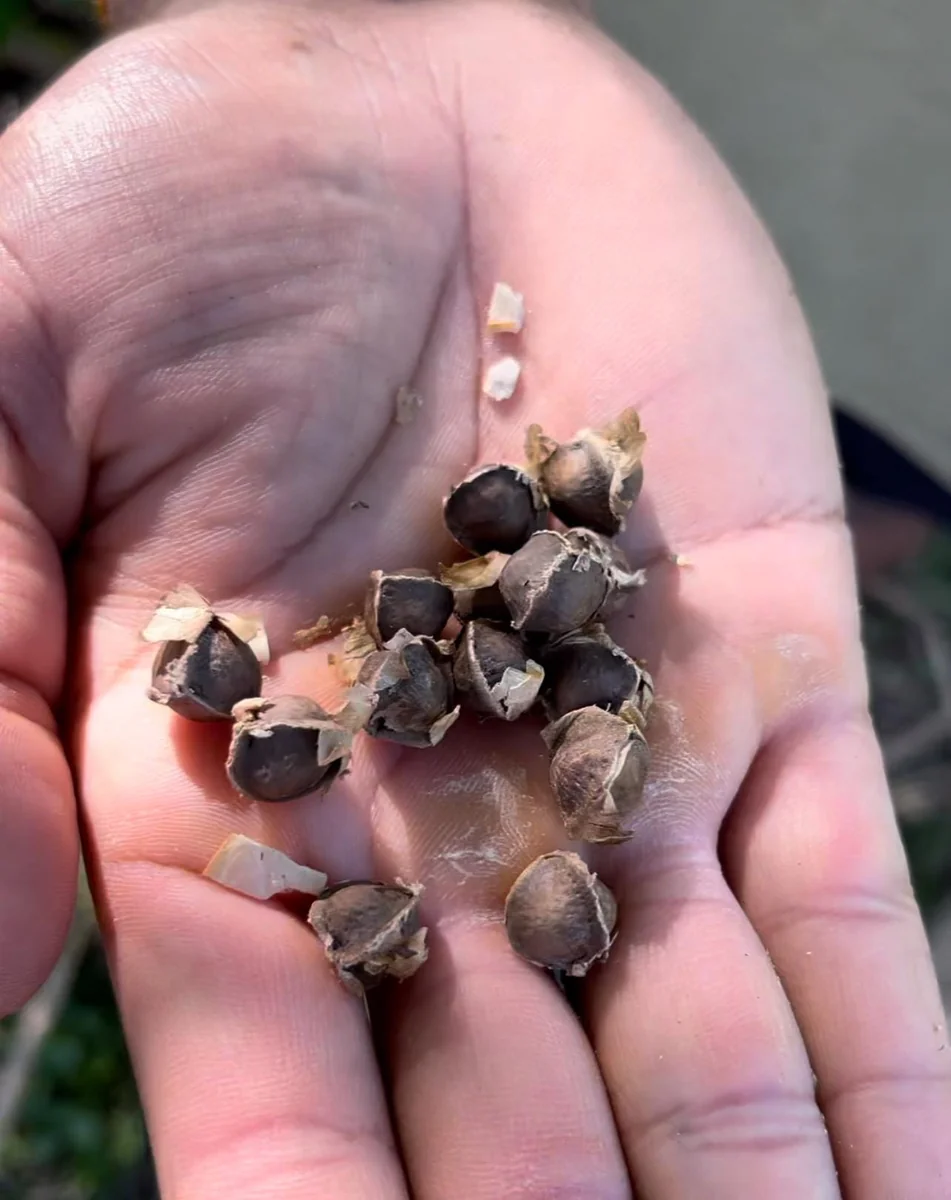
Cultivate your own moringa oleifera seeds, often called the Miracle Tree. These fast-growing, drought-resistant seeds are perfect for gardeners looking to grow a versatile and low-maintenance plant. Adaptable to container growing, they thrive in warm climates and can be moved indoors during colder months.
-
USDA Hardiness Zone
USDA zones 9-11 (outdoors) or container grown indoors -
Soil Type
Well-draining sandy or loamy soil -
Sunlight Exposure
Full sun (6-8+ hours daily) -
Expected Planting Period
Spring to early summer (outdoors), year-round (indoors)

You can track your order HERE
Feb 27
Mar 04 - Mar 06
Mar 09 - Mar 13
Shipping and return policies: Our Alive & Thrive Guarantee covers issues with your plants within the first 30 days. Reach out to us. Our team will answer your questions and help you find the plants that are truly suitable for your environment, climate, and personal preferences.

Overview
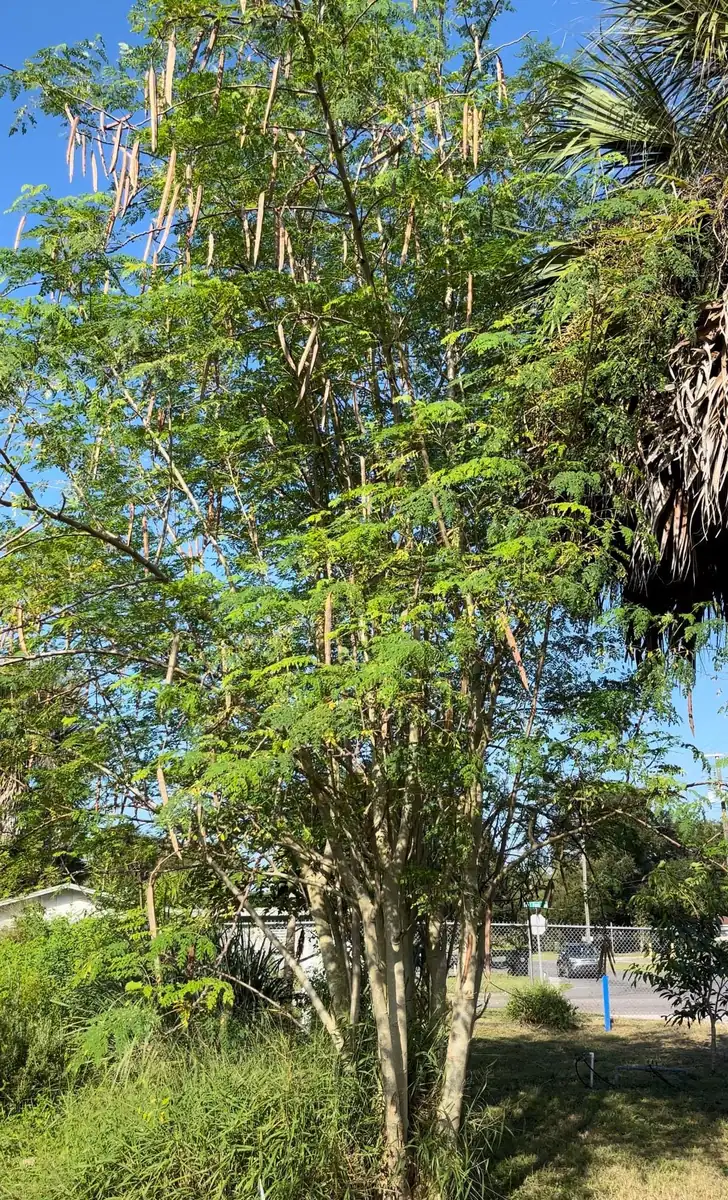
Embark on a rewarding gardening journey by cultivating moringa oleifera seeds, widely known as the ‘Miracle Tree’ or ‘Drumstick Tree.’ This remarkable plant, native to India and Bangladesh, is celebrated for its rapid growth, resilience, and adaptability. Our high-quality moringa oleifera seeds provide the perfect starting point for growing this versatile tree in your home garden. Whether you’re an experienced horticulturist or a budding enthusiast, growing moringa from seed is an accessible and fulfilling endeavor. The moringa tree (Moringa oleifera) is often called the ben oil tree or the horseradish tree, reflecting its diverse uses and characteristics. While accustomed to South Asian tropical and subtropical climates, these plants adapt well to various growing conditions, especially when protected from harsh frosts.
Moringa oleifera seeds germinate readily, allowing you to establish your own supply of this incredible plant. Once established, moringa plants are surprisingly low-maintenance, making them an excellent choice for busy gardeners. They are deciduous trees that boast an impressive growth rate, quickly developing into a substantial plant. The ability of moringa to thrive in containers also makes it suitable for those with limited garden space or those living in colder regions where it needs to be brought indoors during winter.
Key Benefits
Growing moringa oleifera seeds offers a multitude of benefits, from their impressive resilience to their versatile applications. Here are some compelling reasons to add the Miracle Tree to your garden:
- Fast Growth Rate: Moringa trees are renowned for their incredibly fast growth, often reaching several feet in their first year, allowing you to quickly enjoy the benefits of a mature plant.
- Drought Resistance: Once established, moringa plants are highly drought-resistant, requiring minimal watering and making them ideal for xeriscaping or regions with water restrictions.
- Adaptable to Container Growing: For gardeners in non-tropical climates, miracle tree seeds can be grown in containers and easily moved indoors during cooler weather, ensuring year-round cultivation.
- Low Maintenance: Established moringa plants require little care, especially when grown outdoors year-round in suitable climates, making them a hassle-free addition to your garden.
- Resilience to Extreme Temperatures: Moringa can tolerate extreme temperatures as high as 118 degrees Fahrenheit, showcasing its hardiness and adaptability to challenging environments.
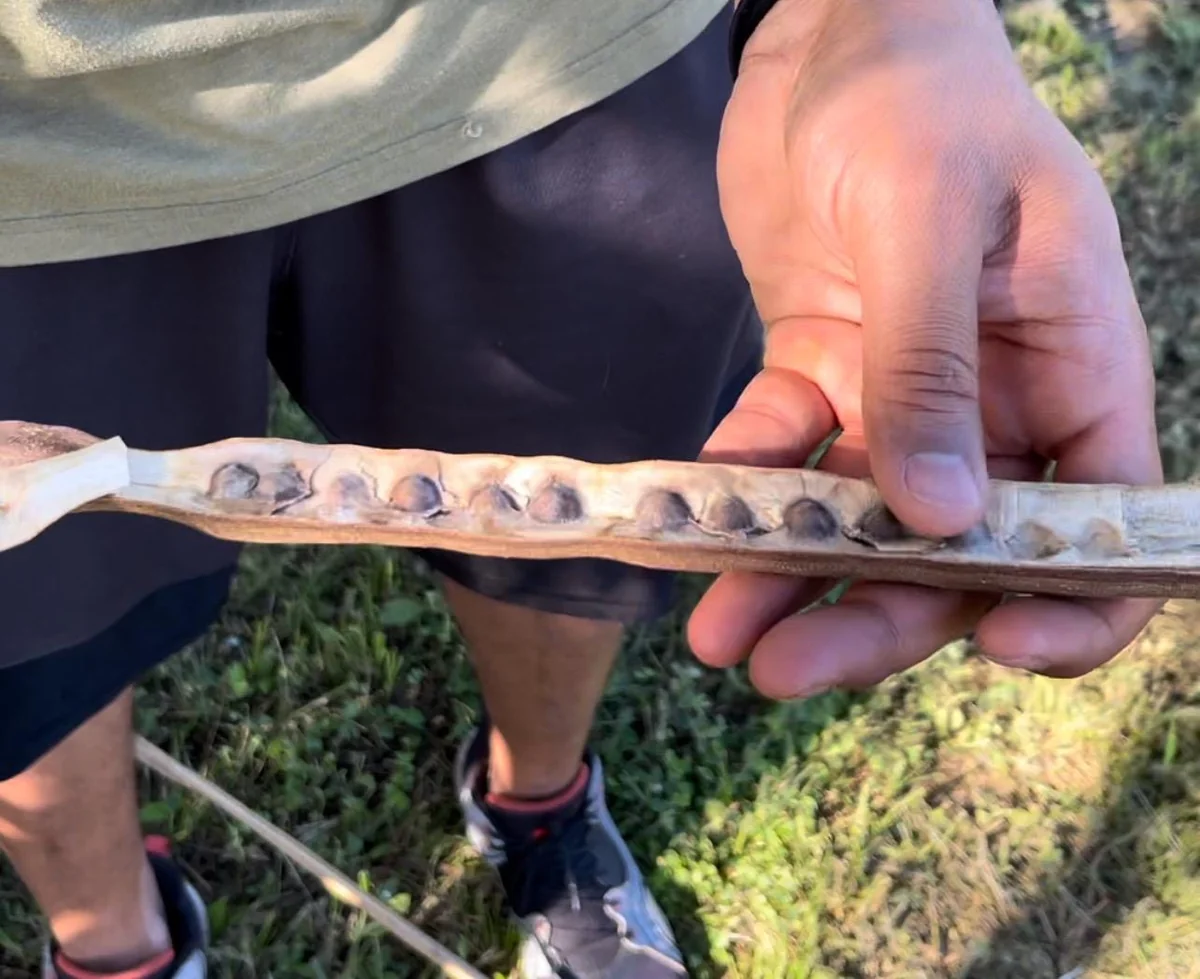
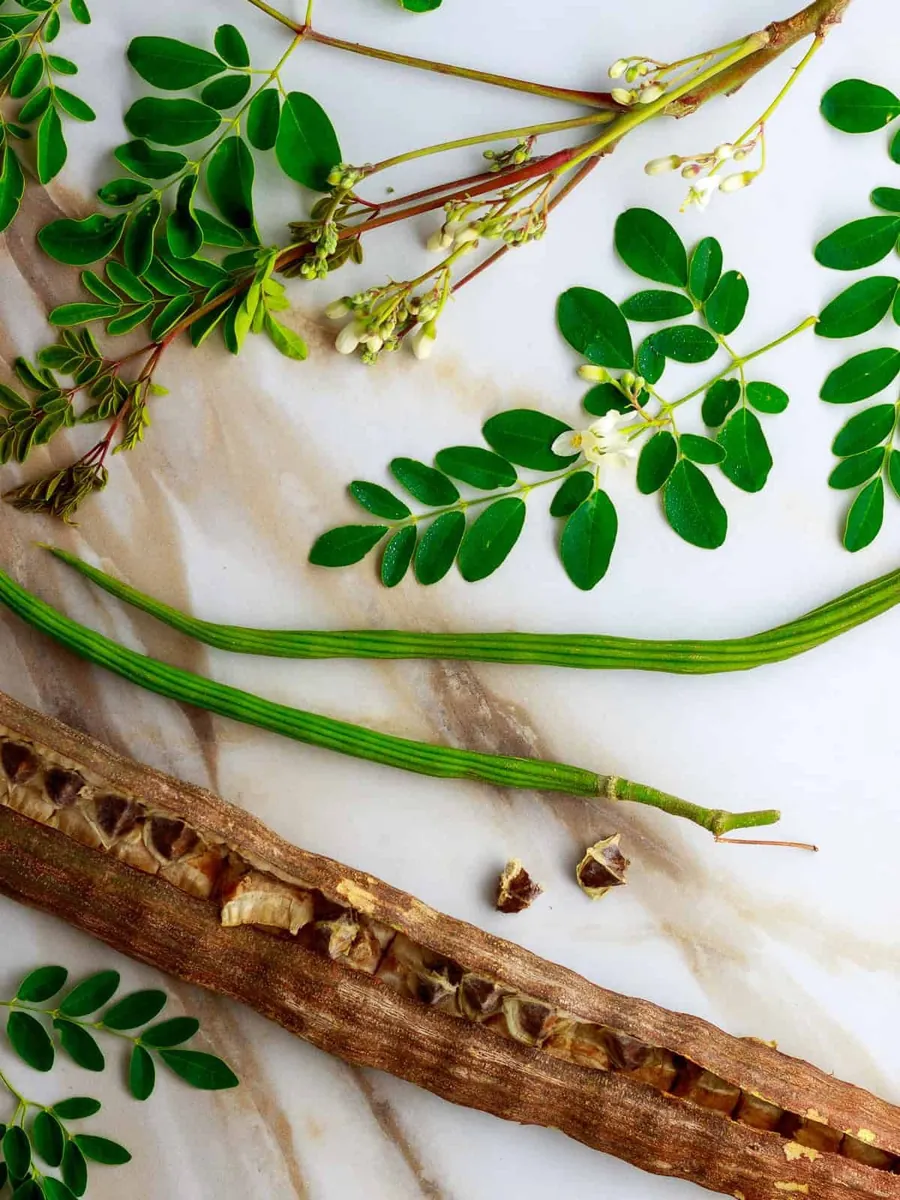
- Versatile Use: Known as the ‘Miracle Tree,’ nearly all parts of the moringa plant – leaves, pods, seeds, and flowers – have various uses, from culinary to medicinal.
- Edible & Nutritious: The leaves are particularly prized for their nutritional value, often referred to as a superfood, making edible moringa seeds a great choice for health-conscious gardeners.
Plant Care & Growing Tips
Successful cultivation of moringa oleifera seeds begins with proper planting and consistent care. Start by sowing the seeds in well-draining soil, either directly in your garden if you live in a warm climate (USDA zones 9-11 are ideal) or in pots indoors. Plant seeds about 1 inch deep and keep the soil consistently moist until germination, which usually occurs within 1-2 weeks. Once sprouted, provide plenty of sunlight; moringa thrives in full sun, requiring at least 6-8 hours of direct light daily for optimal growth. If growing indoors, place your potted moringa near a south-facing window or under grow lights.
Moringa prefers sandy or loamy, well-draining soil. Avoid heavy, waterlogged soils, as this can lead to root rot. Established plants are drought-resistant, so allow the top few inches of soil to dry out between waterings. Overwatering is a common mistake. For container-grown plants, ensure the pot has drainage holes. Fertilize sparingly, perhaps once a month during the growing season with a balanced liquid fertilizer, as moringa is not a heavy feeder. Protect young plants from cold weather and frost; temperatures below 50°F can damage or kill them. If you’re growing drumstick tree seeds in a region with cold winters, plan to bring your container plants indoors before the first frost.
Pruning is beneficial for moringa, especially to maintain a manageable size and encourage bushier growth, which can make harvesting leaves easier. You can also prune to overwinter the plant, cutting it back significantly before bringing it indoors. Keep an eye out for common pests like aphids or spider mites, especially on indoor plants, and treat with organic insecticidal soap if necessary. With proper care, your moringa oleifera seeds will develop into robust and productive trees.
Size & Details
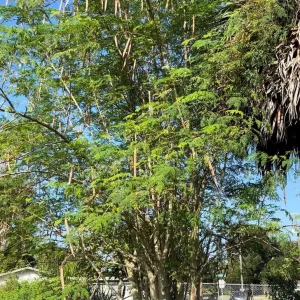
Our moringa oleifera seeds are ready for planting, offering you the opportunity to grow your own ‘Miracle Tree.’ When mature, a moringa tree can reach heights of 15-30 feet if left unpruned, though they can be maintained at much smaller sizes through regular pruning, making them suitable for containers. In optimal conditions, these fast-growing trees can add several feet of growth per year. The seeds are typically shipped in a protective packet, ensuring their viability upon arrival. Expect germination to occur within 1-2 weeks under ideal conditions. While initial growth focuses on establishing a strong root system, you can anticipate significant vertical growth and leaf production within the first few months. The plant will typically start producing flowers and pods within 1-2 years from seed.
Frequently Asked Questions
- Q: How big does a moringa tree get from these seeds? A: If left unpruned, a moringa tree can grow up to 15-30 feet tall. However, it can be easily kept smaller (around 6-10 feet) with regular pruning, which also encourages bushier growth and makes harvesting easier.
- Q: What are the ideal growing conditions for moringa oleifera seeds? A: Moringa oleifera seeds thrive in full sun (at least 6-8 hours daily) and well-draining, sandy or loamy soil. They prefer warm temperatures and are best suited for USDA zones 9-11 for outdoor year-round growth.
- Q: Is this an indoor or outdoor plant? A: Moringa can be grown outdoors in tropical and subtropical climates (USDA zones 9-11). In colder regions, it can be successfully grown in containers and moved indoors during cool weather, making it a versatile option.
- Q: How long does it take for moringa seeds to germinate? A: Under optimal conditions, moringa oleifera seeds typically germinate within 1 to 2 weeks after planting. Consistent moisture and warmth are key for successful germination.
- Q: Are the moringa plants grown from these seeds drought-resistant? A: Yes, once established, moringa plants are highly drought-resistant. They prefer their soil to dry out slightly between waterings, making them suitable for drier climates.
- Q: Can I grow moringa from seed in a pot? A: Absolutely! Moringa adapts very well to container growing. This is an excellent option for those in colder climates who need to bring the plant indoors for winter protection.
- Q: When is the best time to plant drumstick tree seeds? A: The best time to plant drumstick tree seeds is in the spring or early summer, after all danger of frost has passed and soil temperatures have warmed up. For indoor growing, seeds can be started year-round.
- Q: What kind of soil is best for growing moringa from seed? A: Moringa prefers well-draining soil. A mix of sandy loam with some organic matter works well. Avoid heavy clay soils that retain too much moisture, as this can lead to root rot.
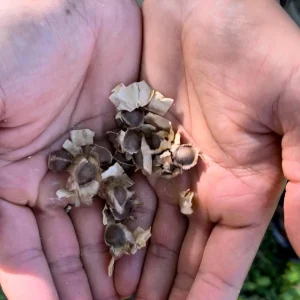
- Q: Are these edible moringa seeds? A: While the seeds themselves can be consumed, these are primarily intended for planting to grow the moringa tree, whose leaves, flowers, and pods are commonly used as food and for their nutritional benefits.
- Q: How often should I water my moringa plant? A: Water regularly after planting until the plant is established. Once established, water when the top few inches of soil are dry to the touch. Moringa is drought-tolerant and sensitive to overwatering.
| Number of seeds | 10, 15, 20 |
|---|
Be the first to review “Moringa Oleifera Seeds – Miracle Tree Seeds for Growing”
People Also Viewed
Sold 63 products
Original price was: $15.80.$7.90Current price is: $7.90.

Sold 90 products
Original price was: $15.00.$7.50Current price is: $7.50.
Sold 80 products
Original price was: $24.35.$7.74Current price is: $7.74.
Sold 79 products
Original price was: $24.35.$7.74Current price is: $7.74.

Sold 62 products
Original price was: $15.16.$7.58Current price is: $7.58.

Sold 70 products
Original price was: $15.88.$7.94Current price is: $7.94.
Sold 92 products
Original price was: $15.88.$7.94Current price is: $7.94.
Sold 90 products
Original price was: $14.76.$7.38Current price is: $7.38.

Sold 82 products
Original price was: $15.56.$7.78Current price is: $7.78.
Sold 68 products
Original price was: $14.76.$7.38Current price is: $7.38.
Sold 86 products
Original price was: $144.00.$72.00Current price is: $72.00.
Sold 79 products
Original price was: $14.76.$7.38Current price is: $7.38.
Sold 76 products
From $7.90
Sold 72 products
From $7.90
Sold 71 products
Original price was: $391.96.$195.98Current price is: $195.98.

Sold 98 products
Original price was: $14.76.$7.38Current price is: $7.38.
Sold 89 products
Original price was: $15.56.$7.78Current price is: $7.78.
Sold 80 products
Original price was: $392.00.$196.00Current price is: $196.00.



Reviews
There are no reviews yet.