
Money Tree Live Plant – Pachira Aquatica – Indoor Houseplant – 4 Inch Pot
Original price was: $200.00.$100.00Current price is: $100.00.
Introduce prosperity and natural beauty into your space with this stunning money tree live plant. Known for its braided trunk and vibrant green leaves, this indoor money tree is an easy-care houseplant that thrives in various indoor conditions. Perfect for enhancing home or office decor, it also contributes to improved air quality.
-
USDA Hardiness Zone
USDA zones 10-11 (outdoors), suitable for all indoor zones -
Soil Type
Well-draining potting mix -
Sunlight Exposure
Bright, indirect light -
Expected Planting Period
Year-round indoors

You can track your order HERE
Mar 02
Mar 07 - Mar 09
Mar 12 - Mar 16
Shipping and return policies: Our Alive & Thrive Guarantee covers issues with your plants within the first 30 days. Reach out to us. Our team will answer your questions and help you find the plants that are truly suitable for your environment, climate, and personal preferences.

Overview
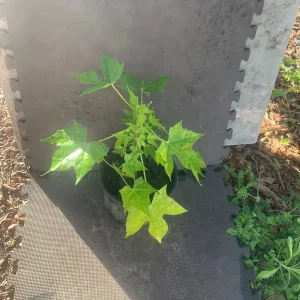
Welcome abundance and positive energy into your home or office with the magnificent money tree live plant. This captivating houseplant, scientifically known as Pachira Aquatica, is cherished not only for its striking appearance but also for its symbolic association with good fortune and prosperity. Originating from the wetlands of Central and South America, the money tree is characterized by its distinctive braided trunk and lush, palmate leaves, creating an elegant and exotic focal point in any room. Our money tree live plant comes ready to thrive in a 4-inch pot, making it an ideal gift or a wonderful addition to your own indoor plant collection. It’s a resilient and relatively low-maintenance plant, perfect for both seasoned plant enthusiasts and beginners looking for a touch of greenery with a meaningful story.
The allure of the pachira aquatica plant extends beyond its aesthetic appeal. It is believed to bring good luck and positive ‘chi’ according to Feng Shui principles, often placed in wealth corners of homes and businesses. This live plant is a symbol of financial success and well-being, making it a popular choice for housewarmings, office openings, or as a thoughtful gesture to loved ones. Its robust nature and adaptability to indoor environments ensure that you can enjoy its beauty and symbolic benefits with ease.
Key Benefits
The money tree live plant offers a multitude of benefits, from enhancing your living space to promoting a sense of well-being:
- Symbol of Prosperity & Good Luck: Widely regarded as a symbol of financial success and good fortune, owning a lucky plant for home like the money tree is believed to attract positive energy and prosperity into your life and surroundings. Its braided trunk is said to ‘trap’ wealth.
- Aesthetic Appeal & Decor Enhancement: With its unique braided trunk and glossy, vibrant green leaves, the money tree adds a sophisticated and exotic touch to any interior design. It serves as a beautiful natural centerpiece or an elegant accent, elevating the ambiance of your home or office.
- Air Purification Qualities: Like many houseplants, the pachira aquatica plant helps improve indoor air quality by filtering out common airborne toxins and releasing oxygen, contributing to a healthier and more refreshing environment.
- Low Maintenance & Easy Care: This resilient plant is surprisingly easy to care for, making it an excellent choice for busy individuals or those new to plant parenthood. It tolerates a range of indoor conditions and requires minimal attention once established, making money tree care straightforward.
- Stress Reduction & Well-being: The presence of greenery has been scientifically shown to reduce stress, improve mood, and increase concentration. Caring for an indoor money tree can provide a calming and rewarding experience, boosting overall well-being.
- Versatile Placement: Its compact size, especially in a 4-inch pot, allows for versatile placement on desks, shelves, windowsills, or as part of a larger plant arrangement, fitting seamlessly into various spaces.
Plant Care & Growing Tips
Proper money tree care ensures your plant remains vibrant and healthy, symbolizing continued prosperity. The money tree live plant thrives with consistent, yet simple, attention to its needs. For optimal growth, place your money tree in a spot where it receives bright, indirect light. Direct, harsh sunlight can scorch its leaves, while too little light can lead to leggy growth and dull foliage. An east or north-facing window is often ideal, or a few feet away from a south or west-facing window. Rotate the plant periodically to ensure even growth on all sides.
Watering is crucial for the pachira aquatica plant. Allow the top 1-2 inches of soil to dry out completely between waterings. When you do water, do so thoroughly until water drains from the bottom of the pot. Avoid overwatering, as this can lead to root rot, a common issue for money trees. Reduce watering frequency during the cooler, darker winter months. Money trees also appreciate high humidity, mimicking their native tropical environment. You can increase humidity by misting the leaves regularly, placing the pot on a pebble tray with water, or using a humidifier, especially in dry indoor climates.
For soil, a well-draining potting mix is essential. A standard houseplant mix with some added perlite or bark for aeration works well. Fertilize your indoor money tree every 2-4 weeks during the spring and summer growing season with a balanced liquid fertilizer diluted to half strength. Reduce or stop fertilizing in fall and winter. Pruning can be done to maintain shape and encourage bushier growth; simply snip off any leggy or unwanted branches just above a leaf node. The money tree is generally resilient to pests but keep an eye out for common houseplant pests like spider mites or mealybugs, treating them promptly if observed.
Size & Details
This money tree live plant is carefully cultivated and delivered in a 4-inch nursery pot, providing a healthy start for its new home. At the time of shipment, the plant typically stands between 8 to 12 inches tall, including the pot. The distinctive braided trunk, a hallmark of the money tree, is already well-formed, showcasing its unique charm. This compact size makes it perfect for placement on desks, shelves, or as an accent in any room. The growth rate of the pachira aquatica plant is moderate, and with proper care, it can reach heights of 6 feet or more indoors over many years, though it can be easily maintained at a smaller size through regular pruning. It will arrive in a healthy, established state, ready to be enjoyed immediately.
Frequently Asked Questions
- Q: How big does this money tree get? A: While this money tree live plant arrives in a 4-inch pot and is typically 8-12 inches tall, it can grow to be 6 feet or more indoors over many years with proper care. Its size can be managed with regular pruning to suit your space.
- Q: Is this an indoor or outdoor plant? A: The money tree is primarily an indoor money tree in most climates. It thrives in typical indoor temperatures and humidity levels. It can be moved outdoors in warm, humid conditions (USDA Zones 10-11) during summer but must be brought inside before temperatures drop.
- Q: How much sunlight does my money tree need? A: Your pachira aquatica plant prefers bright, indirect light. Avoid direct, harsh sunlight which can scorch its leaves. An east or north-facing window is ideal, or a location a few feet from a south or west-facing window.
- Q: Is this plant easy to care for? A: Yes, the money tree is considered relatively easy to care for, making it suitable for beginners. Its main requirements are consistent watering (allowing soil to dry between waterings) and bright, indirect light. Learning basic money tree care will ensure its longevity.
- Q: What condition will the plant arrive in? A: Your money tree live plant will be carefully packaged and shipped in its 4-inch nursery pot. We ensure it arrives healthy and ready to be displayed in your home or office.
- Q: Is the money tree pet-safe? A: The pachira aquatica plant is generally considered non-toxic to pets, making it a safe choice for homes with cats and dogs. However, it’s always best to discourage pets from chewing on any houseplant.
- Q: How often should I water my money tree? A: Water your money tree when the top 1-2 inches of soil feel dry to the touch. This usually means every 1-2 weeks, but can vary based on humidity and light. Always ensure good drainage to prevent root rot.
- Q: What is a good temperature range for the money tree? A: The indoor money tree thrives in average room temperatures, ideally between 65-75°F (18-24°C). Avoid exposing it to temperatures below 50°F (10°C) or sudden drafts.
- Q: Why is it called a ‘money tree’? A: It’s nicknamed the ‘money tree’ because of a legend where a poor farmer prayed for money, found this plant, took it home, and cultivated it, becoming rich from selling its seeds. It is also a popular lucky plant for home in Feng Shui.
- Q: How do I know if I’m overwatering or underwatering? A: Yellowing leaves or soft, mushy stems typically indicate overwatering. Drooping leaves that perk up after watering suggest underwatering. Adjust your watering schedule based on these signs to optimize your money tree care.
Be the first to review “Money Tree Live Plant – Pachira Aquatica – Indoor Houseplant – 4 Inch Pot”
People Also Viewed
Flower Plants
Cape Jasmine Plants Live – 2 Frost Proof Gardenia Plants – 3-6 Inch Tall – Gardenia Plant Pot
Sold 69 products
Original price was: $56.00.$28.00Current price is: $28.00.
Sold 86 products
Original price was: $95.96.$47.98Current price is: $47.98.
Sold 87 products
$29.90
Sold 68 products
From $59.80
Sold 52 products
$45.90
Sold 81 products
Original price was: $283.96.$141.98Current price is: $141.98.
Sold 66 products
Original price was: $28.76.$14.38Current price is: $14.38.
Sold 62 products
From $43.98
Sold 57 products
Original price was: $355.96.$177.98Current price is: $177.98.
Sold 85 products
Original price was: $391.96.$195.98Current price is: $195.98.
Sold 79 products
Original price was: $391.96.$195.98Current price is: $195.98.
Sold 75 products
Original price was: $71.80.$35.90Current price is: $35.90.
Sold 56 products
$329.98
Sold 91 products
From $44.00
Sold 89 products
Original price was: $111.80.$55.90Current price is: $55.90.
Sold 97 products
Original price was: $38.00.$19.00Current price is: $19.00.
Sold 84 products
From $18.32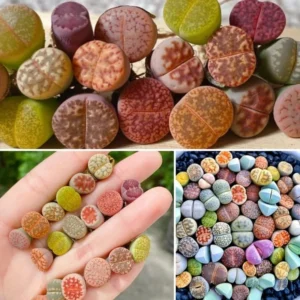
HousePlants
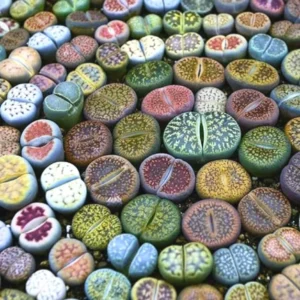
Lithops Live Plants Mix – 10 Large Colorful Living Stones Succulents for Indoor/Outdoor Growing
Sold 70 products
Original price was: $27.98.$13.99Current price is: $13.99.



Reviews
There are no reviews yet.