
Money Tree Live Plant – Pachira Aquatica – 4 Inch Nursery Pot – Indoor Houseplant
From $51.80
Enhance your home or office with a vibrant money tree live plant. This beautiful Pachira Aquatica care is easy, making it an ideal indoor good luck plant. Arrives in a 4-inch nursery pot, ready to thrive in bright, indirect light.
-
USDA Hardiness Zone
USDA zones 10-11 (outdoors) / Year-round indoors -
Soil Type
Well-draining potting mix -
Sunlight Exposure
Bright indirect light -
Expected Planting Period
Year-round indoors

You can track your order HERE
Mar 01
Mar 06 - Mar 08
Mar 11 - Mar 15
Shipping and return policies: Our Alive & Thrive Guarantee covers issues with your plants within the first 30 days. Reach out to us. Our team will answer your questions and help you find the plants that are truly suitable for your environment, climate, and personal preferences.

Overview
Welcome prosperity and natural beauty into your space with this stunning money tree live plant. Also known as Pachira Aquatica care, this popular houseplant is revered for its distinctive braided trunk and lush, glossy green leaves. Originating from the wetlands of Central and South America, the money tree is not just an aesthetic delight but is also believed to bring good fortune and positive energy, making it a perfect addition to any home or office. It’s an ideal choice for both seasoned plant enthusiasts and those new to indoor gardening, offering a touch of the tropics with relatively straightforward care requirements. This particular specimen comes ready to flourish, providing an instant upgrade to your indoor decor and a symbol of growing prosperity.
The money tree’s unique appearance, often featuring a trunk carefully braided by growers, adds an artistic element to its natural charm. Its palmate leaves, typically consisting of five leaflets, resemble a hand, further contributing to its symbolic meaning. As a tropical plant, it thrives in environments that mimic its native habitat, enjoying consistent moisture and warmth. Choosing a money tree live plant means investing in a living piece of art that continuously purifies your air and adds a serene, vibrant touch to your surroundings. Its resilience and adaptability make it a rewarding plant to cultivate, promising years of lush foliage and symbolic abundance.
Key Benefits
Beyond its striking appearance, the money tree live plant offers a multitude of benefits that make it a cherished addition to any indoor setting. Its presence can significantly enhance the ambiance and well-being of your living or working space.
- Symbol of Prosperity and Good Fortune: The most widely recognized benefit of the money tree is its association with wealth and good luck. According to Feng Shui principles, the braided trunk is believed to trap good fortune, making it a popular gift for housewarmings, business openings, and other special occasions.
- Natural Air Purifier: Like many houseplants, the Pachira Aquatica care contributes to a healthier indoor environment by filtering out common airborne toxins. It helps to improve air quality, promoting a fresher and more invigorating atmosphere in your home or office.
- Easy to Care For: Despite its exotic appearance, this plant is remarkably low-maintenance, making it an excellent choice for beginners or those with busy schedules. Its forgiving nature ensures that even occasional neglect won’t deter its growth, solidifying its reputation as a money tree for beginners.
- Unique and Decorative Appeal: The distinctive braided trunk and vibrant green foliage provide a unique focal point in any room. It adds a touch of tropical elegance and can complement various interior design styles, from modern minimalist to classic traditional.
- Stress Reduction and Well-being: Studies suggest that having plants indoors can reduce stress levels, improve mood, and increase productivity. Caring for a braided money tree can be a therapeutic activity, offering a sense of calm and connection to nature.
- Adaptable to Various Light Conditions: While it prefers bright, indirect light, the money tree is quite adaptable and can tolerate lower light conditions, making it suitable for different areas of your home or office. This flexibility makes finding the perfect spot much easier.
- Pet-Friendly Option: The money tree live plant is generally considered non-toxic to pets, offering peace of mind for pet owners who want to introduce more greenery into their homes without worry.
Plant Care & Growing Tips
Caring for your money tree live plant is a rewarding experience that requires understanding its basic needs to ensure healthy growth. The right environment and routine will help your Pachira Aquatica care thrive and maintain its lush appearance. This plant, often sought after as an indoor good luck plant, prefers consistent attention to its watering and lighting.
Sunlight: The money tree thrives in bright, indirect light. Place it near a window where it can receive plenty of light but avoid direct, harsh sunlight, which can scorch its leaves. An east-facing window is often ideal, providing gentle morning sun. If your home lacks sufficient natural light, a grow light can supplement its needs. Rotate the plant every few weeks to ensure even growth and prevent it from leaning towards the light source.
Watering: Proper watering is crucial for a healthy money tree. Water thoroughly when the top 1-2 inches of soil feel dry to the touch. Ensure that excess water drains out of the pot to prevent root rot. Never let the plant sit in standing water. During winter months or periods of lower light, reduce watering frequency. Overwatering is a common mistake, so always check the soil moisture before watering again. Using filtered or room-temperature water is also beneficial.
Soil and Potting: A well-draining potting mix is essential. A standard indoor potting mix amended with perlite or sand for improved drainage works well. Ensure the pot has drainage holes. Repotting is typically needed every 1-2 years, or when the plant becomes root-bound. Choose a pot that is only slightly larger than the current one to avoid overwatering issues. When repotting, be gentle with the roots.
Temperature and Humidity: Money trees prefer warm temperatures, ideally between 65-75°F (18-24°C). Avoid placing them in drafts or near heating/cooling vents. As a tropical plant, it appreciates high humidity. You can increase humidity by misting the leaves regularly, placing the pot on a pebble tray filled with water, or using a humidifier, especially in dry indoor environments. This extra humidity will contribute to vibrant foliage and overall plant health, making your braided money tree even more impressive.
Fertilization: Feed your money tree with a balanced liquid fertilizer every 2-4 weeks during the growing season (spring and summer). Reduce fertilization in fall and winter when the plant’s growth slows. Always follow the fertilizer’s instructions and avoid over-fertilizing, which can burn the roots. For a robust money tree for beginners, a diluted feed is always a safe bet.
Pruning: Pruning helps maintain the plant’s shape and encourages bushier growth. You can trim back leggy stems or yellowing leaves as needed. Use clean, sharp shears to make cuts just above a leaf node. Regular pruning can also help manage the size of your money tree live plant if it starts to outgrow its space.
Size & Details
This money tree live plant arrives in a convenient 4 inch nursery pot, making it perfectly sized for immediate placement on a desk, shelf, or small table. At this stage, the plant typically stands approximately 8-12 inches tall from the base of the pot, offering a compact yet impactful presence. The distinctive braided trunk, a hallmark of the braided money tree, is already well-formed, showcasing the unique aesthetic that makes this plant so popular. Expect a moderate growth rate, with the plant potentially reaching heights of 6 feet or more indoors over several years with proper care and repotting, allowing it to become a significant statement piece.
The plant is shipped as a healthy, established specimen, carefully packaged to ensure its safe arrival. It is a live, rooted plant, not seeds or bulbs, ready to acclimate to its new environment. The leaves are typically lush green, indicative of good health. This size is ideal for those looking for an instant touch of greenery and good fortune without the wait of growing from seed. The 4-inch pot provides enough space for the roots to establish further before its first repotting, generally recommended when the plant shows signs of being root-bound or after 12-18 months. Its manageable size also makes it an excellent choice for a money tree for beginners, allowing for easy handling and observation of its growth.
Frequently Asked Questions
- Q: How big does this money tree live plant get? A: This money tree live plant arrives in a 4-inch nursery pot and is typically 8-12 inches tall. With proper care, it can grow up to 6 feet or more indoors over several years, becoming a significant focal point in your home or office.
- Q: Is this an indoor or outdoor plant? A: The Pachira Aquatica care is primarily suited for indoor environments in most climates. While it can be placed outdoors in warm, humid conditions during summer, it must be brought indoors when temperatures drop below 50°F (10°C).
- Q: How much sunlight does it need? A: Your money tree live plant thrives in bright, indirect light. Avoid direct sunlight, which can scorch its leaves. An east-facing window or a spot with filtered light is ideal to ensure healthy growth and vibrant foliage.
- Q: Is this plant easy to care for? A: Yes, the money tree is considered a relatively easy-care houseplant, making it a great option for a money tree for beginners. It requires consistent watering when the topsoil is dry and bright, indirect light.
- Q: What condition will it arrive in? A: Your braided money tree will arrive as a healthy, live, rooted plant in its 4-inch nursery pot. It is carefully packaged to minimize stress during transit and ensure it reaches you in excellent condition, ready for its new home.
- Q: Is the money tree pet-safe? A: Yes, the money tree live plant (Pachira Aquatica) is generally considered non-toxic to cats and dogs. However, it’s always best to monitor pets and prevent them from consuming large quantities of any plant material.
- Q: How often should I water my money tree? A: Water your money tree when the top 1-2 inches of soil feel dry to the touch. Allow excess water to drain completely, and never let the pot sit in standing water. Overwatering is more detrimental than slight underwatering for Pachira Aquatica care.
- Q: Why is my money tree losing leaves? A: Leaf drop can be caused by various factors, including overwatering or underwatering, sudden changes in temperature, or insufficient light. Review your watering schedule and ensure it’s receiving consistent bright, indirect light.
- Q: Can I unbraid the trunk of my money tree? A: While you technically could, it’s not recommended. The braided trunk is often formed when the plant is young, and attempting to unbraid it can damage the stems and stunt its growth. The braided appearance is part of its unique charm.
- Q: When is the best time to repot my money tree? A: Repotting is best done in the spring or early summer when the plant is actively growing. Repot when the plant becomes root-bound, typically every 1-2 years, moving to a pot that is only slightly larger than the current one.
| Quantity | 10, 15, 25, 5, 50 |
|---|
Be the first to review “Money Tree Live Plant – Pachira Aquatica – 4 Inch Nursery Pot – Indoor Houseplant”
People Also Viewed
Flower Plants
Coreopsis Solar Eclipse Live Plant – Bicolor Red/Yellow, 3.5 inch Pot, Outdoor Perennial
Sold 81 products
From $43.80
Sold 90 products
Original price was: $210.00.$157.50Current price is: $157.50.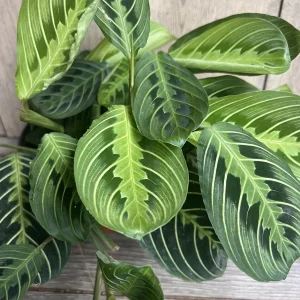
Sold 72 products
Original price was: $35.02.$21.02Current price is: $21.02.

Sold 69 products
Original price was: $99.96.$49.98Current price is: $49.98.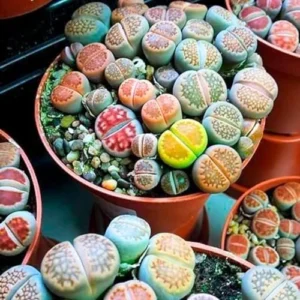
HousePlants
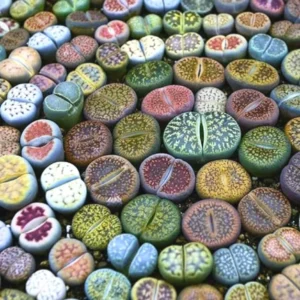
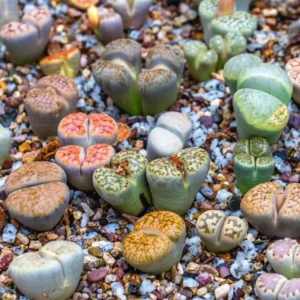
Lithops Live Plants Mix – 30 Colorful Succulents – Living Stones for Indoor/Outdoor Planting
Sold 82 products
Original price was: $65.98.$32.99Current price is: $32.99.
Sold 60 products
From $43.80
Sold 88 products
Original price was: $79.98.$63.98Current price is: $63.98.
Sold 71 products
Original price was: $57.12.$34.28Current price is: $34.28.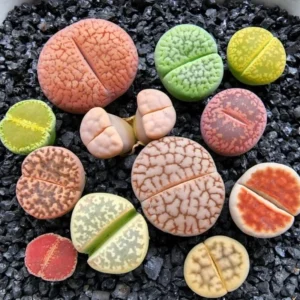
Sold 75 products
Original price was: $39.98.$19.99Current price is: $19.99.
Sold 81 products
Original price was: $38.36.$19.18Current price is: $19.18.
Sold 57 products
$35.18
Sold 89 products
$87.98
Sold 97 products
Original price was: $91.98.$45.99Current price is: $45.99.
Sold 55 products
$43.98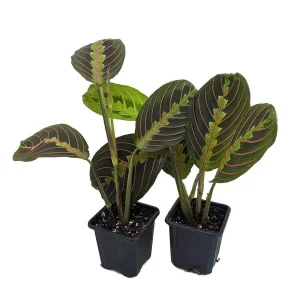
HousePlants
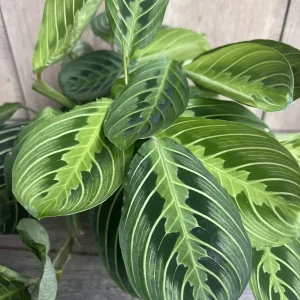
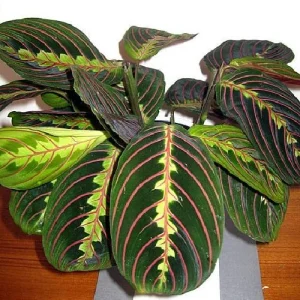
Red Prayer Plant Live Plant – Maranta Leuconeura – 2 Pack – 3 inch Pots – Indoor Houseplant
Sold 70 products
Original price was: $41.56.$20.78Current price is: $20.78.
Sold 95 products
Original price was: $60.00.$48.00Current price is: $48.00.
Sold 99 products
Original price was: $99.96.$49.98Current price is: $49.98.
Trees
Brahm Kai Meu Mango Tree – Grafted Thai Green Sweet Mango Live Plant – 1 ft Tall – Ships in 6″ Pot
Sold 64 products
Original price was: $247.96.$123.98Current price is: $123.98.


Reviews
There are no reviews yet.