
Money Tree Live Plant – Pachira Aquatica – 4-6 Inch Pot – Indoor Houseplant
From $99.80
Bring prosperity and natural beauty into your home with this stunning money tree live plant. Known for its braided trunk and vibrant green leaves, the pachira aquatica indoor is a popular choice for both its aesthetic appeal and symbolic value. This easy-to-care-for houseplant is perfect for beginners and experienced plant enthusiasts alike.
-
USDA Hardiness Zone
USDA zones 10-12 (outdoors), otherwise indoor houseplant -
Soil Type
Well-draining potting mix -
Sunlight Exposure
Bright, indirect light -
Expected Planting Period
Year-round indoors

You can track your order HERE
Feb 26
Mar 03 - Mar 05
Mar 08 - Mar 12
Shipping and return policies: Our Alive & Thrive Guarantee covers issues with your plants within the first 30 days. Reach out to us. Our team will answer your questions and help you find the plants that are truly suitable for your environment, climate, and personal preferences.

Overview
Experience the charm and positive energy of a money tree live plant in your home or office. The Pachira aquatica, commonly known as the money tree, is a beloved indoor houseplant famous for its distinctive braided trunk and lush, palmate leaves. Originating from the wetlands of Central and South America, this resilient and attractive plant is believed to bring good fortune and prosperity according to Feng Shui principles. Our money tree live plant is carefully cultivated to ensure a healthy and vibrant addition to your indoor garden. It’s an ideal choice for those seeking a low-maintenance yet visually striking plant that also carries a rich cultural significance. Whether you’re looking to enhance your home decor or searching for a meaningful gift, the money tree is a perfect option.
This particular offering is a healthy, established pachira aquatica indoor specimen, ready to thrive in its new environment. Its compact size makes it suitable for various spaces, from desks and shelves to larger floor arrangements as it grows. The money tree’s unique appearance and easy-going nature make it a fantastic choice for both novice and seasoned plant parents. Embrace the elegance and symbolism of this beautiful botanical specimen within your living space.
Key Benefits
The money tree live plant offers a multitude of benefits beyond its captivating appearance. It’s not just a decorative item; it’s a living element that contributes positively to your environment and well-being. Here are some of the key advantages of bringing a money tree into your home:
- Symbol of Prosperity & Good Fortune: According to ancient traditions, the money tree is believed to attract wealth and positive energy. Its braided trunk is thought to ‘trap’ good fortune, making it a popular gift and a cherished household item for those who believe in its symbolic power. Many people place a money plant good luck charm near their entrance or in their wealth corner.
- Air Purification: Like many houseplants, the money tree live plant helps to improve indoor air quality by filtering out common toxins. It contributes to a healthier living environment by releasing oxygen and absorbing airborne pollutants, making your home feel fresher and cleaner.
- Low Maintenance & Easy Care: This plant is remarkably forgiving, making it an excellent choice for beginners or those with busy schedules. It tolerates a range of conditions and doesn’t demand constant attention, allowing you to enjoy its beauty without extensive effort.
- Unique Aesthetic Appeal: The money tree’s signature braided trunk and glossy, green leaves create a striking visual element. It adds a touch of tropical elegance and sophisticated greenery to any room, easily becoming a focal point of your interior design.
- Adaptable to Indoor Environments: The pachira aquatica indoor thrives in typical household conditions, adapting well to average room temperatures and humidity. It’s a versatile plant that can flourish in various indoor settings, provided its basic needs are met.
- Promotes Relaxation & Well-being: Studies suggest that having plants in your living space can reduce stress, improve mood, and increase overall feelings of well-being. The calming presence of a braided money tree can contribute to a more serene and peaceful home atmosphere.
- Growth & Longevity: With proper care, a money tree can grow quite large and live for many years, becoming a long-term companion in your home. Its growth can be a rewarding experience, allowing you to witness its transformation over time.
Plant Care & Growing Tips
Caring for your money tree live plant is straightforward, ensuring it remains a lush and vibrant addition to your home. Understanding its basic needs will help it thrive and bring you joy for years to come. The money tree plant care routine primarily focuses on light, watering, and soil conditions.
Sunlight Requirements: Money trees prefer bright, indirect light. Place your plant near a window with filtered sunlight, or in a well-lit room away from direct, harsh sun exposure, which can scorch its leaves. A north or east-facing window is often ideal. If the leaves start to yellow or brown, it might be getting too much direct sun. Conversely, if growth is leggy or sparse, it may need more light. Rotate the plant periodically to ensure even growth and light exposure on all sides.
Watering Schedule & Soil Moisture Preferences: Consistent watering is key, but overwatering is the most common cause of problems for money trees. Allow the top 1-2 inches of soil to dry out completely between waterings. When you do water, do so thoroughly until water drains from the bottom of the pot. Ensure the pot has drainage holes to prevent waterlogging. Reduce watering frequency in winter when the plant’s growth slows down. Signs of overwatering include yellowing leaves and a soft trunk, while underwatering can lead to drooping, crispy leaves. The pachira aquatica indoor appreciates humidity, so consider misting its leaves occasionally or placing it near a humidifier, especially in dry environments.
Soil Type and Drainage Requirements: A well-draining potting mix is crucial for the health of your money tree live plant. A standard houseplant potting mix amended with perlite or sand to improve drainage is suitable. The soil should be rich in organic matter but not retain too much moisture. Good drainage prevents root rot, a common issue for this plant. Ensure the pot has adequate drainage holes.
Temperature Range and USDA Hardiness Zone: Money trees thrive in average room temperatures, ideally between 65-75°F (18-24°C). They are sensitive to cold drafts and sudden temperature fluctuations. Keep them away from air conditioning vents or open windows in winter. As tropical plants, they are not frost-tolerant and are best grown indoors in most of the US. If you live in a very warm, humid climate (USDA zones 10-12), they can be grown outdoors, but protection from direct sun is often needed.
Fertilization Schedule and Type: Fertilize your money tree during the growing season (spring and summer) every 2-4 weeks with a balanced liquid houseplant fertilizer diluted to half strength. Avoid fertilizing in fall and winter when the plant is dormant. Over-fertilization can lead to salt buildup in the soil, which can harm the roots.
Common Problems and Solutions: Yellowing leaves often indicate overwatering or nutrient deficiency. Drooping leaves can be a sign of both over or under-watering; check soil moisture to determine the cause. Brown leaf tips usually point to low humidity. Pests like spider mites or mealybugs can occasionally appear; treat with neem oil or insecticidal soap. Regularly inspect your braided money tree to catch issues early.
Size & Details
This money tree live plant is typically supplied in a 4-6 inch nursery pot, providing a healthy root system ready for continued growth. At the time of shipment, the plant usually stands between 10-18 inches tall from the base of the pot to the top of its foliage, though exact dimensions can vary slightly due to natural plant growth. Its distinctive braided trunk is already well-formed, showcasing the plant’s unique appeal. The money tree is a relatively fast grower under optimal conditions, and can eventually reach heights of 6 feet or more indoors, though its growth can be managed through pruning. It ships as a well-established, potted plant, ensuring minimal shock upon arrival. Expect vibrant green leaves and a sturdy structure, ready to enhance your living space. The plant’s mature spread can be up to 2-3 feet wide, creating a lush, full appearance over time.
Frequently Asked Questions
- Q: How big does this money tree live plant get? A: When grown indoors, a money tree typically reaches a height of 3 to 6 feet, though some can grow taller with ideal conditions. Its growth can be managed through regular pruning to maintain a desired size and shape.
- Q: What size pot does it come in? A: This money tree live plant is typically shipped in a 4-6 inch nursery pot. This size is ideal for establishing the plant and allows for healthy root development before considering a larger decorative pot.
- Q: Is this an indoor or outdoor plant? A: The money tree is primarily grown as an indoor houseplant in most climates. It thrives in average room temperatures and bright, indirect light. In USDA zones 10-12, it can be grown outdoors in shaded or partially shaded areas.
- Q: How much sunlight does my pachira aquatica indoor need? A: Your money tree prefers bright, indirect light. Avoid direct sunlight, which can scorch its leaves. A spot near a window with filtered light or an east-facing window is usually ideal.
- Q: Is this plant easy to care for? Is it good for beginners? A: Yes, the money tree is considered a relatively easy-care plant, making it an excellent choice for beginners. Its forgiving nature and clear signs of stress make it simple to understand and meet its needs.
- Q: What condition will the braided money tree arrive in? A: Your money tree will arrive as a healthy, established potted plant, carefully packaged to ensure its safety during transit. It will be ready to be placed in your home and begin thriving.
- Q: How often should I water my money tree? A: Water your money tree when the top 1-2 inches of soil feel dry to the touch. It’s better to slightly underwater than to overwater, as excessive moisture can lead to root rot. Ensure proper drainage.
- Q: Is the money tree pet-safe? A: The money tree (Pachira aquatica) is generally considered non-toxic to cats and dogs, making it a safe choice for pet owners. However, it’s always best to prevent pets from consuming large quantities of any plant material.
- Q: Why are the leaves on my money plant good luck turning yellow? A: Yellowing leaves on a money tree often indicate overwatering. Check your watering schedule and ensure the soil is drying out between waterings. It can also be a sign of insufficient light or nutrient deficiency.
- Q: Does the money tree need high humidity? A: While the money tree can tolerate average household humidity, it thrives in higher humidity environments. You can increase humidity by misting its leaves, using a pebble tray, or placing a humidifier nearby.
| Bareroot | + Crystal Mud, + Fertilizer, 10 Strawberries Only |
|---|
Be the first to review “Money Tree Live Plant – Pachira Aquatica – 4-6 Inch Pot – Indoor Houseplant”
People Also Viewed
Sold 81 products
$40.90
Sold 94 products
From $99.80
Sold 51 products
Original price was: $179.98.$89.99Current price is: $89.99.
Flower Plants
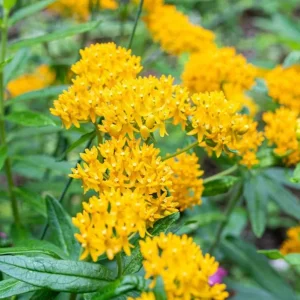
Set of 2 Yellow Milkweed Live Plants – Asclepias perennis – 3-6″ Tall – Outdoor Pollinator Flower
Sold 63 products
Original price was: $95.16.$47.58Current price is: $47.58.
Sold 73 products
Original price was: $25.56.$12.78Current price is: $12.78.
Sold 55 products
$39.58
Sold 94 products
From $14.98
Sold 91 products
$87.98
Sold 99 products
Original price was: $31.96.$15.98Current price is: $15.98.
Sold 61 products
Original price was: $44.99.$24.99Current price is: $24.99.
Sold 80 products
Original price was: $31.96.$15.98Current price is: $15.98.
Sold 51 products
$39.58
Sold 90 products
$41.78
Sold 93 products
$37.38
Sold 50 products
Original price was: $147.16.$73.58Current price is: $73.58.
Sold 82 products
Original price was: $112.00.$56.00Current price is: $56.00.
Sold 79 products
From $60.00
Sold 66 products
Original price was: $33.98.$18.49Current price is: $18.49.



Reviews
There are no reviews yet.