
Minerva Amaryllis Bulb – Large Red Winter Blooms, 28-30 cm Circumference, Indoor/Outdoor
From $75.80
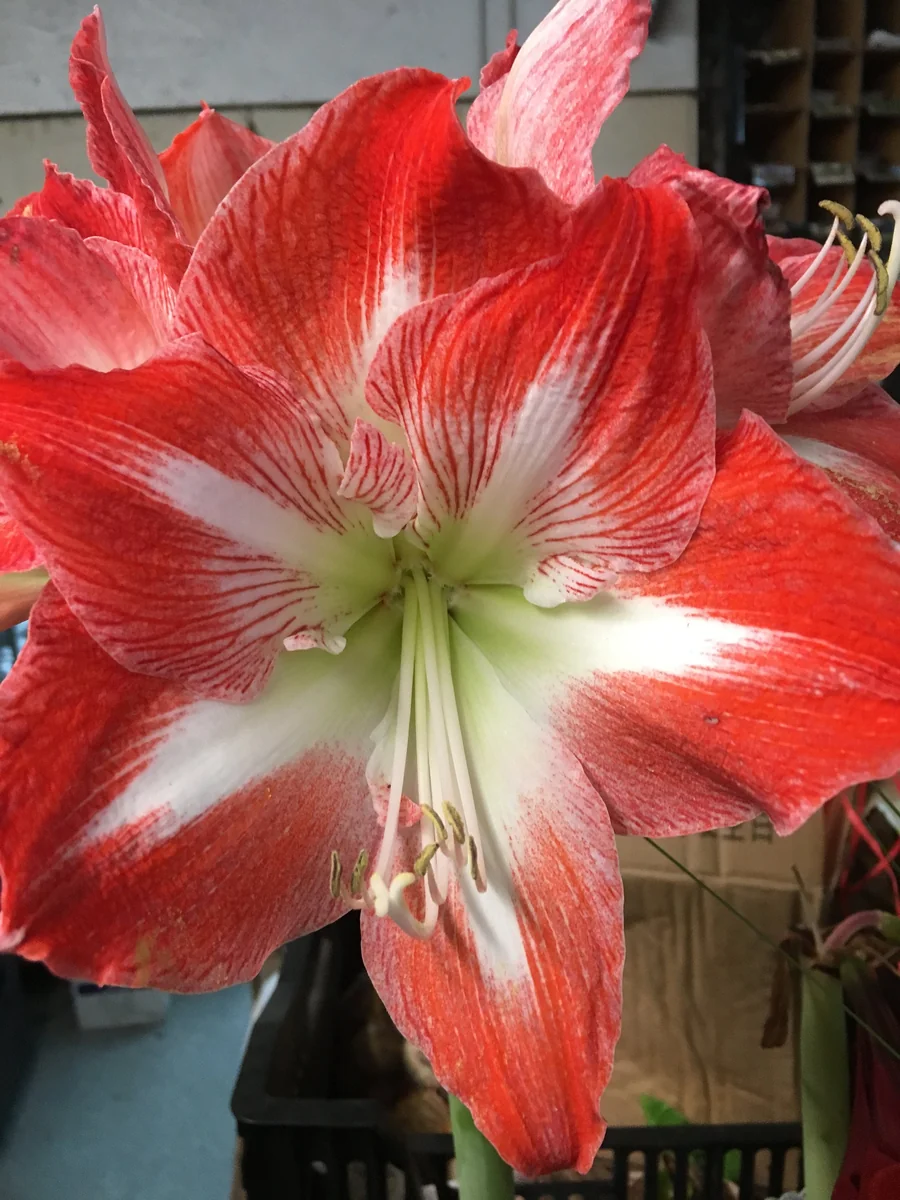
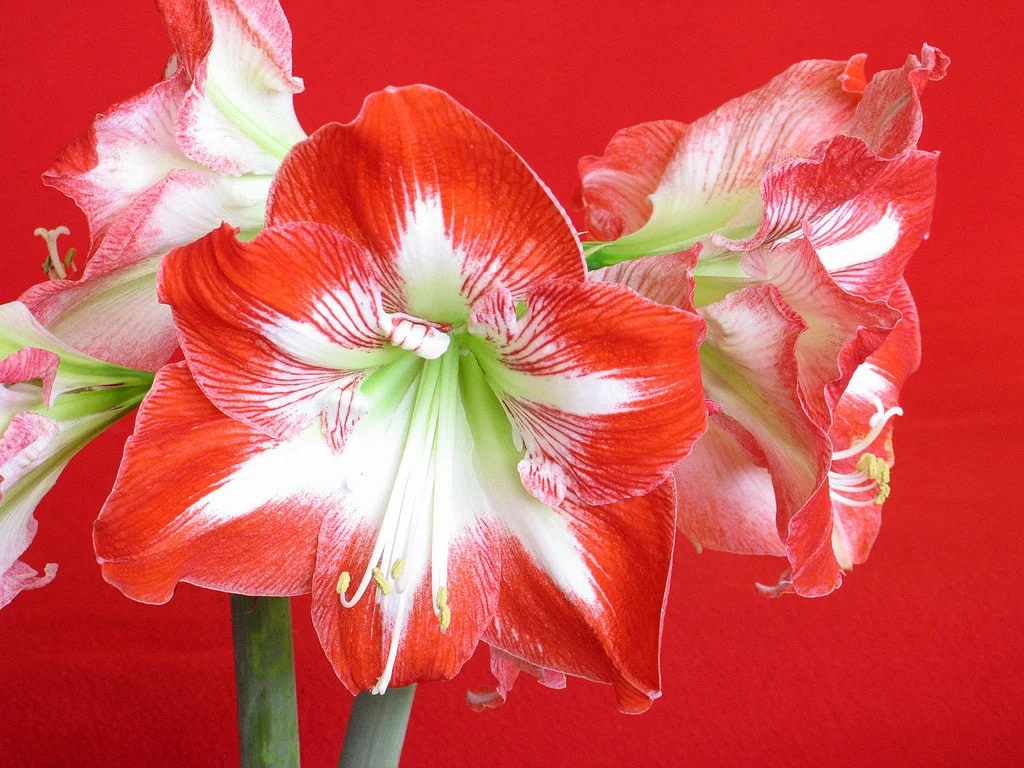
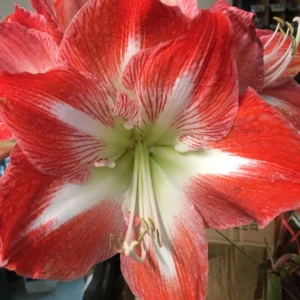
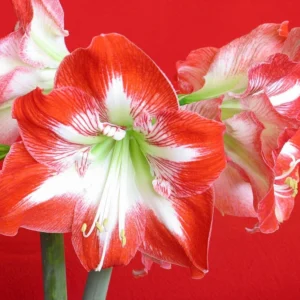
Introduce vibrant elegance with the Minerva Amaryllis bulb. This robust bulb produces spectacular large red blooms, ideal for brightening indoor spaces during winter. Perfect for Amaryllis for forcing, it’s easy to grow and makes a stunning centerpiece.
-
USDA Hardiness Zone
8-10 (outdoors), suitable for all zones indoors -
Soil Type
Well-draining potting mix -
Sunlight Exposure
Bright indirect light (indoors); Full sun to partial sun (outdoors) -
Expected Planting Period
Late fall to early winter (for indoor forcing); Spring (outdoors)

You can track your order HERE
Feb 27
Mar 04 - Mar 06
Mar 09 - Mar 13
Shipping and return policies: Our Alive & Thrive Guarantee covers issues with your plants within the first 30 days. Reach out to us. Our team will answer your questions and help you find the plants that are truly suitable for your environment, climate, and personal preferences.

Overview
Introduce a touch of vibrant elegance to your home or garden with the magnificent Minerva Amaryllis bulb. This impressive bulb is renowned for its brilliant, large red blooms that command attention. Perfect for winter forcing, the Minerva Amaryllis allows you to enjoy spectacular flowers indoors during the colder months, transforming any space into a floral paradise. Its striking appearance also makes it an exceptional choice for a unique and memorable gift. Whether you’re an experienced gardener or a beginner, growing this Amaryllis is a rewarding experience, culminating in a spectacular floral display that is sure to delight.
The Amaryllis, scientifically known as Hippeastrum, is a genus of flowering plants in the family Amaryllidaceae. The ‘Minerva’ cultivar is particularly prized for its robust growth and consistent flowering. These bulbs are ideal for planting indoors as a breathtaking centerpiece, providing a splash of color when most other plants are dormant. After their indoor bloom, the bulbs can often be transferred to an outdoor garden in suitable climates, offering a second life of beauty. Expect a journey from bulb to bloom in approximately 6-8 weeks, making it an exciting plant to watch develop.
Key Benefits
The Minerva Amaryllis bulb offers a range of benefits that make it a cherished addition to any plant collection. Its ease of care and stunning visual appeal are just a few reasons why gardeners and plant enthusiasts adore it:
- Stunning Winter Blooms: Provides spectacular, large red Amaryllis flower during the winter months when outdoor gardens are dormant. This makes it an excellent choice for adding color and life to indoor spaces, especially during holidays.
- Versatile Decor: The elegant blooms of the Minerva Amaryllis serve as a beautiful centerpiece for dining tables, living rooms, or office desks, enhancing the aesthetic appeal of any room.
- Easy to Force: This Amaryllis for forcing is incredibly easy to grow indoors, requiring minimal effort to produce impressive results. It’s a fantastic project for both novice and experienced plant lovers.
- Rewarding Growth Cycle: Watching the bulb sprout and the flower stalk emerge, then seeing the large buds unfurl into magnificent blossoms, is a highly satisfying experience. The entire process is engaging and relatively quick.
- Potential for Reblooming: With proper care, Amaryllis bulbs can be encouraged to rebloom year after year, offering sustained beauty and value. After flowering indoors, they can often be planted outdoors in appropriate zones.
- Unique Gift Idea: A blooming Amaryllis or a Minerva Amaryllis bulb ready for forcing makes a thoughtful and unique gift that continues to give joy long after it’s received.
- Air Purifying Qualities: Like many houseplants, the indoor Amaryllis plant contributes to a healthier indoor environment by improving air quality, though its primary appeal is its ornamental value.
Plant Care & Growing Tips
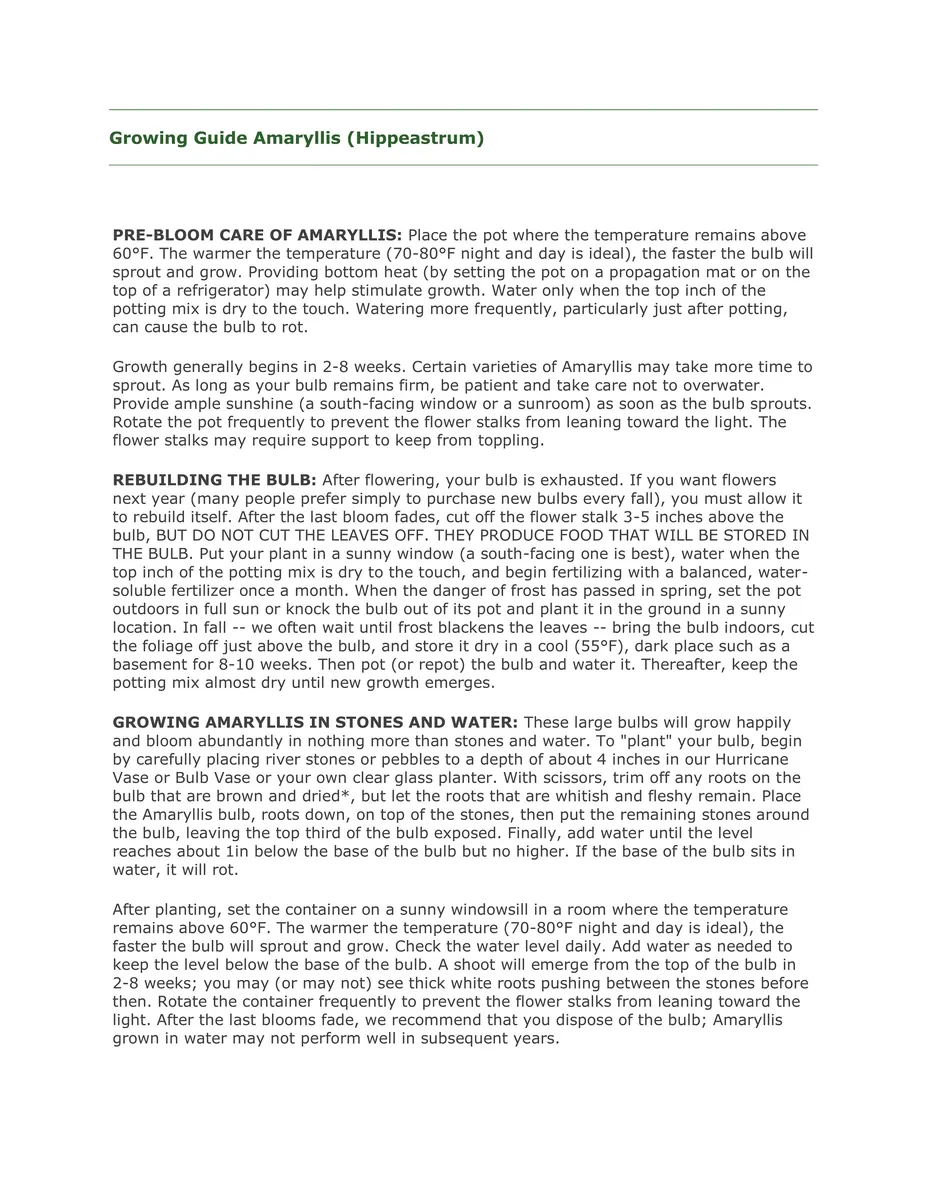
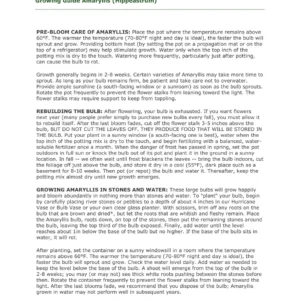
Caring for your Minerva Amaryllis bulb is straightforward, ensuring brilliant blooms. For best results, plant your bulb in a pot that is only slightly larger than the bulb itself, allowing about an inch of space around the sides. Use a good quality, well-draining potting mix. Plant the bulb with its top third exposed above the soil line. After planting, water thoroughly once, then sparingly until the new growth begins to emerge. Overwatering before growth starts can lead to bulb rot.
Amaryllis thrive in bright, indirect light. If forcing indoors, place your potted bulb in a location where it receives ample light, such as near a sunny window. Once the flower stalk appears and begins to grow, you can move it to a slightly shadier spot to prolong the bloom time. For outdoor planting, a location with full sun to partial sun is ideal. The plant requires consistent moisture during its active growth and flowering period but should not be left in standing water. Once flowering is complete, continue to water and fertilize to allow the leaves to grow and replenish the bulb for the next blooming cycle. This helps ensure a healthy red Amaryllis flower next season. Following this Amaryllis care guide will ensure your plant flourishes.
The Minerva Amaryllis can grow to be about 20 inches tall. For best performance, maintain indoor temperatures between 65-75°F (18-24°C). If planting outdoors, Amaryllis are generally suitable for USDA hardiness zones 8-10, where they can be left in the ground year-round. In colder zones, the bulbs must be dug up and stored indoors over winter. Fertilize every 2-4 weeks with a balanced liquid fertilizer once active growth begins. Ensure proper drainage to prevent root rot, and address any signs of pests early with appropriate horticultural sprays.
Size & Details
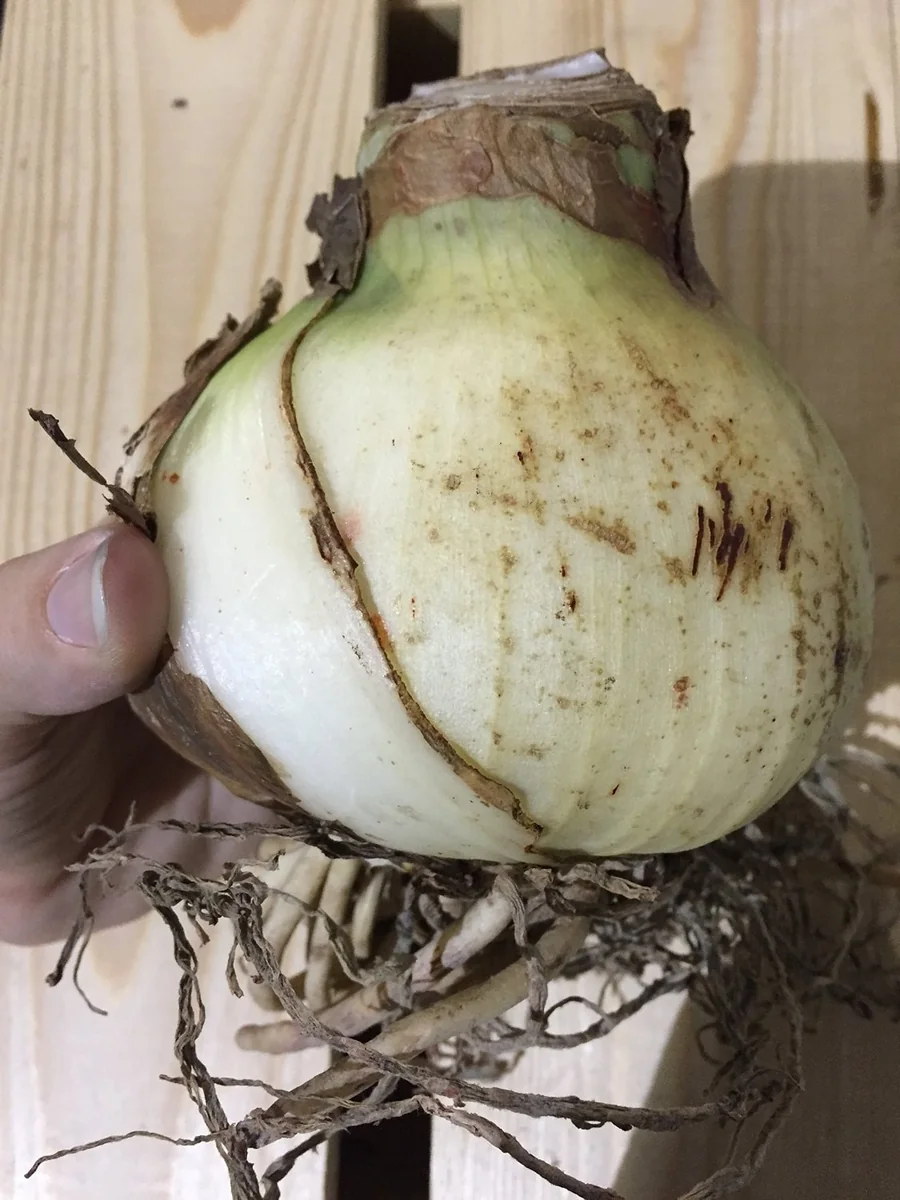
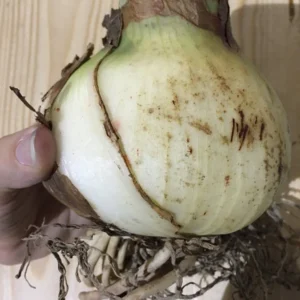
This offering includes a high-quality Minerva Amaryllis bulb, typically measuring 28-30 cm in circumference. This size indicates a mature, robust bulb capable of producing multiple impressive flower stalks, each bearing several large, brilliant red blooms. When fully grown, the Amaryllis plant can reach a height of approximately 20 inches (50 cm), making a significant visual impact as an indoor Amaryllis plant display or a striking addition to your garden. The bulb ships dormant, ready for planting upon arrival, ensuring it’s prepared to begin its growth cycle in your care.
From the time of planting, you can generally expect to see the first magnificent blooms within 6-8 weeks, depending on environmental conditions and care. This allows for precise planning if you wish to have it in bloom for specific events or holidays. While primarily known for its stunning flowers, the foliage is also attractive, providing a lush green backdrop when not in bloom. This bulb is a wonderful choice for those looking for a relatively quick and highly rewarding flowering plant experience.
Frequently Asked Questions
- Q: How big does this Minerva Amaryllis bulb get? A: The Minerva Amaryllis plant typically grows to about 20 inches tall. The bulb itself is a substantial 28-30 cm in circumference, indicating a strong, mature bulb.
- Q: Is this an indoor or outdoor plant? A: The Minerva Amaryllis bulb is extremely versatile. It can be forced indoors for beautiful winter blooms and can also be planted outdoors in appropriate USDA zones (typically 8-10) for spring or summer flowering.
- Q: How much sunlight does it need? A: Amaryllis thrive in bright, indirect light indoors. If planted outdoors, they prefer a location that receives full sun to partial sun for optimal growth and flowering.
- Q: Is this plant easy to care for? A: Yes, Amaryllis bulbs are considered relatively easy to care for, especially when grown indoors for forcing. They require minimal attention to produce spectacular blooms, making them suitable for beginners. You can find more details in our Amaryllis care guide.
- Q: What condition will it arrive in? A: Your Amaryllis bulb will arrive in a dormant state, carefully packaged to ensure its health and readiness for planting. It will be firm and healthy, ready to sprout under your care.
- Q: How long until it blooms after planting? A: You can generally expect your Amaryllis for forcing to bloom within 6-8 weeks after planting, given proper care and conditions. This timeline can vary slightly based on temperature and light.
- Q: When is the best time to plant the Minerva Amaryllis bulb? A: For indoor forcing, plant in late fall or early winter to enjoy blooms during the holiday season or mid-winter. For outdoor planting in suitable zones, spring after the last frost is ideal.
- Q: Will the red Amaryllis flower rebloom? A: Yes, with proper care after the initial bloom, including allowing the leaves to grow and feeding the plant, the bulb can be encouraged to rebloom in subsequent seasons.
- Q: Can I use this indoor Amaryllis plant as a gift? A: Absolutely! A Minerva Amaryllis bulb or a potted blooming plant makes a fantastic and unique gift, bringing long-lasting beauty and joy to the recipient.
- Q: What kind of soil is best for Amaryllis? A: A well-draining potting mix is essential for Amaryllis bulbs. Ensure the pot has drainage holes to prevent waterlogging, which can lead to bulb rot.
| Amount | 1, 2, 3 |
|---|
Be the first to review “Minerva Amaryllis Bulb – Large Red Winter Blooms, 28-30 cm Circumference, Indoor/Outdoor”
People Also Viewed
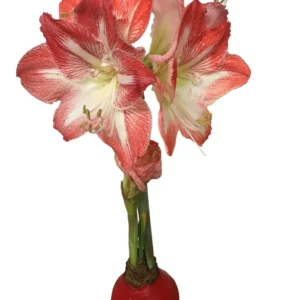
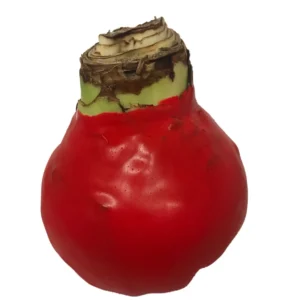
Sold 79 products
From $127.80
Sold 61 products
Original price was: $8.12.$4.06Current price is: $4.06.
Sold 93 products
Original price was: $28.76.$14.38Current price is: $14.38.
Sold 73 products
From $27.00
Sold 97 products
Original price was: $7.96.$3.98Current price is: $3.98.
Sold 70 products
From $16.48

Sold 72 products
From $150.99
Sold 54 products
Original price was: $3.90.$1.95Current price is: $1.95.
Sold 89 products
Original price was: $87.92.$43.96Current price is: $43.96.
Sold 63 products
From $55.80
Sold 79 products
From $9.08
Sold 56 products
From $99.80
Sold 87 products
Original price was: $37.47.$12.49Current price is: $12.49.
Sold 93 products
Original price was: $112.00.$89.60Current price is: $89.60.
Sold 76 products
Original price was: $8.12.$4.06Current price is: $4.06.
Sold 91 products
Original price was: $82.40.$41.20Current price is: $41.20.
Sold 72 products
From $51.96
Sold 91 products
From $7.38


Reviews
There are no reviews yet.