










Milk Crape Myrtle Cuttings – 7 Cuttings for Rooting & Grafting – Fast Growing
Original price was: $26.76.$13.38Current price is: $13.38.
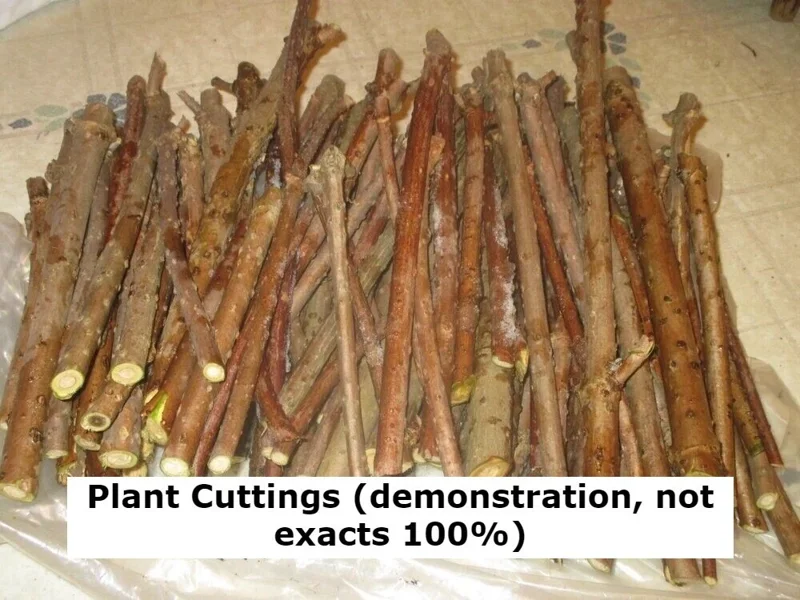
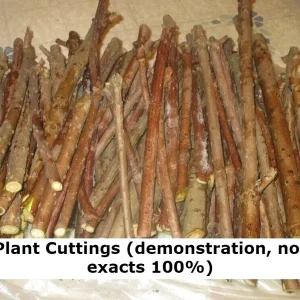
Start your own beautiful crepe myrtle propagation with these 7 high-quality milk crape myrtle cuttings. These fast-growing cuttings are perfect for rooting and grafting, allowing you to cultivate stunning plants for your garden or landscape.
-
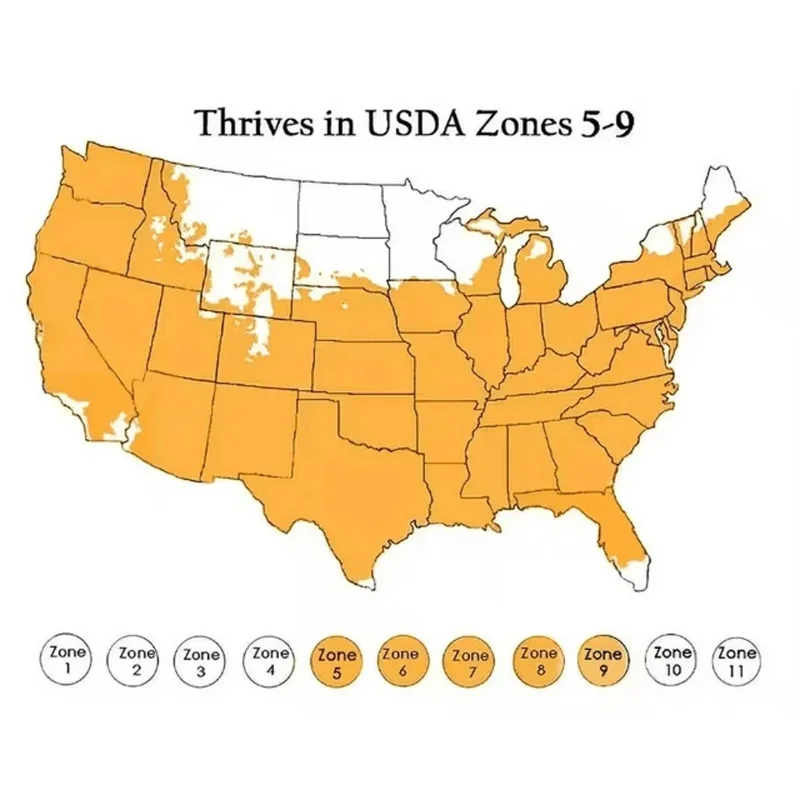
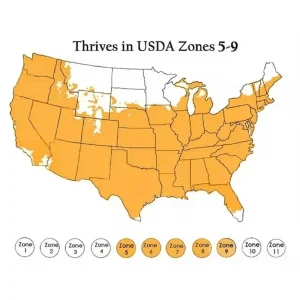
USDA Hardiness Zone
7-10 -
Soil Type
Well-draining, slightly acidic to neutral soil -
Sunlight Exposure
Full sun -
Expected Planting Period
Spring to early summer

You can track your order HERE
Mar 20
Mar 25 - Mar 27
Mar 30 - Apr 03
Shipping and return policies: Our Alive & Thrive Guarantee covers issues with your plants within the first 30 days. Reach out to us. Our team will answer your questions and help you find the plants that are truly suitable for your environment, climate, and personal preferences.

Overview
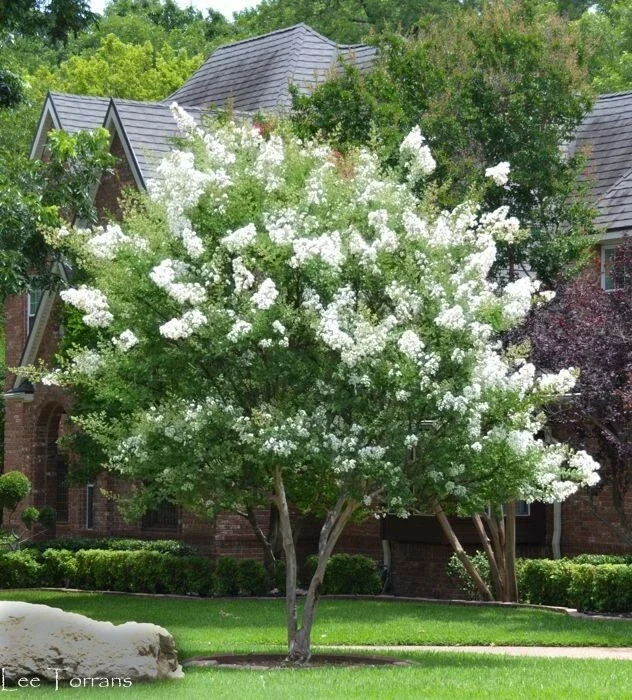
Embark on your gardening journey with these premium milk crape myrtle cuttings, designed for successful propagation. Each order includes 7 robust cuttings, ready for rooting and grafting. Crape Myrtles, scientifically known as Lagerstroemia indica, are renowned for their vibrant, long-lasting blooms and attractive peeling bark, making them a favorite in many American gardens. These particular cuttings are selected for their vigor and potential for fast growing crape myrtle development, ensuring a rewarding experience for both novice and experienced propagators. Cultivating your own crape myrtle from cuttings is an economical and satisfying way to expand your plant collection or share with fellow gardening enthusiasts.
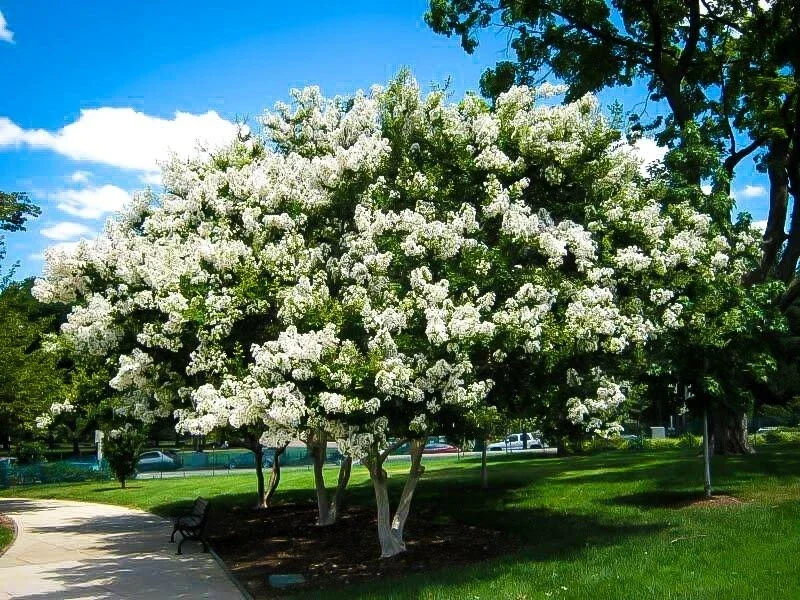
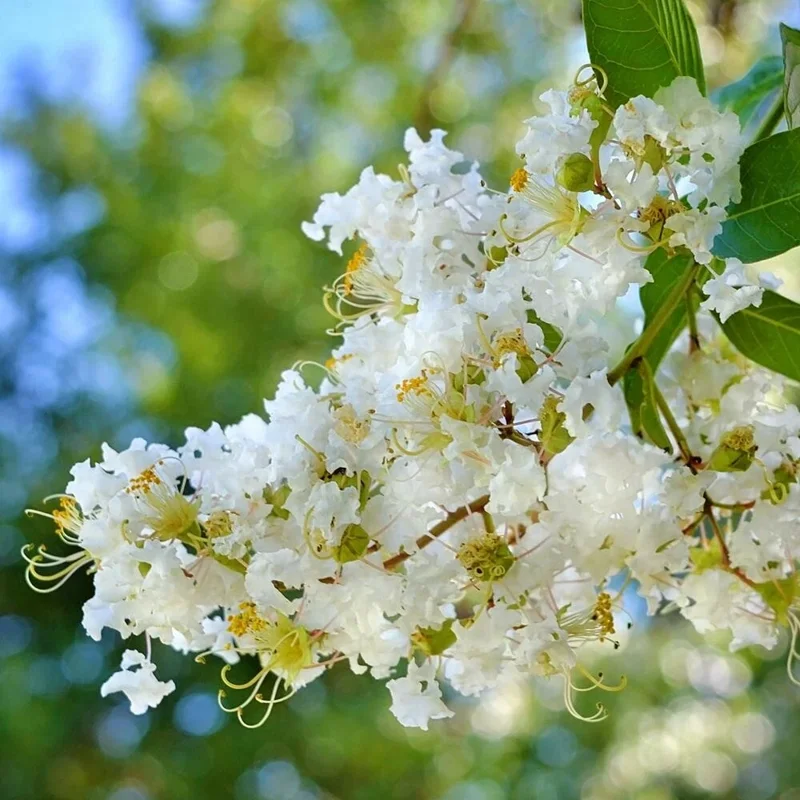
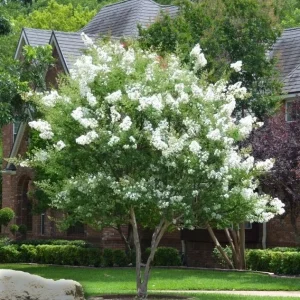
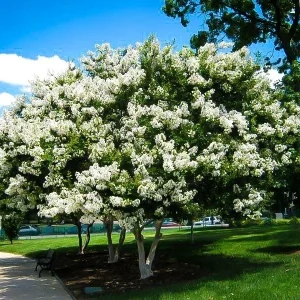
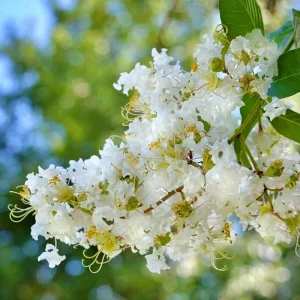
The ‘Milk’ variety of Crape Myrtle is known for its desirable characteristics, though specific flower color details are not provided, Crape Myrtles typically offer a spectacular display of colors through summer and fall. These cuttings provide a fantastic opportunity for crepe myrtle propagation, allowing you to grow healthy, established plants from the ground up. Whether you’re looking to create a stunning hedge, a standalone specimen, or a colorful border, these cuttings are the ideal starting point for your landscaping dreams. They are a versatile addition to any garden, thriving in various climates and providing beauty across multiple seasons.
Key Benefits
These milk crape myrtle cuttings offer numerous advantages for gardeners looking to grow their own Crape Myrtle plants. Their robust nature and readiness for propagation make them an excellent choice for expanding your garden or starting new projects. The benefits extend beyond just ease of growth, encompassing aesthetic appeal and environmental contributions.
- Ease of Propagation: These cuttings are specifically prepared for rooting crape myrtle, making the process straightforward for both beginners and experienced gardeners. You’ll enjoy the satisfaction of growing a new plant from a cutting.
- Fast Growth Rate: Crape Myrtles are known for their rapid growth, and these cuttings are selected to promote fast growing crape myrtle plants, allowing you to establish your landscape quickly.
- Versatile Landscaping: Once established, these plants can be used in a variety of garden designs, from specimen trees to colorful hedges, adding immense value and beauty.
- Seasonal Interest: Crape Myrtles provide interest across multiple seasons, with vibrant blooms in summer, attractive foliage in fall, and distinctive bark in winter.
- Drought Tolerance: Mature Crape Myrtles are generally drought-resistant, making them a sustainable choice for many garden settings once established.
- Attracts Pollinators: The beautiful flowers of Crape Myrtles can attract bees, butterflies, and other beneficial pollinators to your garden.
- Cost-Effective: Propagating from milk crape myrtle cuttings is a more affordable way to acquire multiple plants compared to purchasing mature specimens.
Plant Care & Growing Tips
Successful cultivation of your milk crape myrtle cuttings requires attention to specific care guidelines. Once your cuttings have rooted, they will transition into robust young plants that need proper environmental conditions to thrive. Crape Myrtles generally prefer full sun, meaning at least six hours of direct sunlight per day. This ensures abundant flowering and strong growth. For indoor rooting, provide bright, indirect light or use a grow light. Ensure good air circulation to prevent fungal issues.
When it comes to watering, newly rooted lagersroemia indica cuttings need consistently moist, but not waterlogged, soil. As the plant matures, Crape Myrtles become more drought-tolerant, but regular watering during dry spells, especially in their first few years, is crucial. The ideal soil for these plants is well-draining with a slightly acidic to neutral pH. Incorporating organic matter will improve soil structure and fertility. These plants are suitable for USDA Zones 7-10, tolerating a wide range of climates. Fertilize young plants with a balanced, slow-release fertilizer in spring to encourage healthy development and robust flowering. Watch for common pests like aphids and powdery mildew, treating promptly with organic solutions if they appear. Pruning in late winter or early spring can help shape the plant and promote more blooms. Proper care will lead to a beautiful fast growing crape myrtle.
Size & Details
This offering includes 7 individual milk crape myrtle cuttings, each prepared for optimal success in rooting and grafting. While the exact length of each cutting is not specified, they are typically sized to encourage efficient rooting, usually ranging from 6 to 12 inches. These are not rooted plants, but fresh cuttings ready for you to begin your crepe myrtle propagation project. Once successfully rooted and planted, these Crape Myrtles are known for their relatively fast growth rate, often adding several feet in height per year under ideal conditions. Mature Crape Myrtles can vary significantly in size depending on the specific cultivar and growing environment, ranging from dwarf shrubs to small trees that can reach heights of 20 feet or more. With proper care, you can expect these cuttings to develop into healthy, flowering plants that provide seasonal beauty.
Frequently Asked Questions
- Q: How big does a Crape Myrtle typically grow from these cuttings? A: The mature size of a Crape Myrtle varies depending on the specific cultivar and growing conditions. From these milk crape myrtle cuttings, you can expect to grow plants that can range from a compact shrub to a small tree, potentially reaching 20 feet or more in height over several years. Regular pruning can help manage its size and shape.
- Q: Is this an indoor or outdoor plant? A: Crape Myrtles are primarily outdoor plants, thriving in garden settings. While you may start the crepe myrtle propagation indoors, the rooted plants should be transplanted outside once they are established and the weather conditions are suitable for their growth.
- Q: How much sunlight do these Crape Myrtle cuttings need after rooting? A: Once rooted and planted outdoors, Crape Myrtles require full sun, which means at least 6 hours of direct sunlight per day, to produce the most abundant blooms. Insufficient sunlight can lead to sparse flowering and weaker growth in your fast growing crape myrtle.
- Q: Is this plant easy to care for? A: Crape Myrtles are generally considered low-maintenance once established. They are relatively drought-tolerant and disease-resistant. The initial process of rooting crape myrtle cuttings requires some attention, but the mature plants are quite resilient.
- Q: What condition will the cuttings arrive in? A: The milk crape myrtle cuttings will arrive fresh and ready for propagation. They are carefully prepared to ensure their viability for rooting and grafting, though specific packaging details are unknown.
- Q: When is the best time to plant these cuttings? A: The best time to start rooting Crape Myrtle cuttings is typically in the spring or early summer, when the plant is actively growing. This allows the cuttings ample time to develop a strong root system before the colder months.
- Q: Will Crape Myrtle survive winter in my zone? A: Crape Myrtles are hardy in USDA Zones 7-10. If you live within these zones, your established Crape Myrtle should survive the winter. In colder zones, they may experience dieback but can often regrow from the roots if mulched, or they can be grown as annuals or overwintered indoors as dormant plants.
- Q: What type of soil is best for rooting these cuttings? A: For rooting, a well-draining, sterile potting mix or a mixture of peat and perlite is ideal. This provides the necessary aeration and moisture retention without promoting rot. Once planted outdoors, well-draining garden soil is preferred for your lagersroemia indica cuttings.
- Q: Can I graft other plants onto these Crape Myrtle cuttings? A: These cuttings are suitable for grafting other Crape Myrtle varieties onto them, which can create multi-colored flowering specimens. Grafting different species of plants onto Crape Myrtle is generally not successful due to incompatibility.
- Q: Are Crape Myrtles attractive to pests? A: While generally robust, Crape Myrtles can occasionally be susceptible to certain pests like aphids or diseases like powdery mildew, especially in humid conditions. Good air circulation and proper care can help prevent most issues.
Be the first to review “Milk Crape Myrtle Cuttings – 7 Cuttings for Rooting & Grafting – Fast Growing”
People Also Viewed

Sold 57 products
From $9.98
Sold 60 products
Original price was: $26.76.$13.38Current price is: $13.38.
Sold 85 products
Original price was: $19.48.$5.79Current price is: $5.79.

Sold 71 products
Original price was: $79.98.$39.99Current price is: $39.99.
Sold 66 products
Original price was: $40.60.$14.24Current price is: $14.24.
Sold 57 products
Original price was: $41.56.$20.78Current price is: $20.78.
Sold 98 products
From $67.80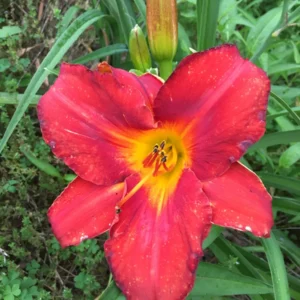
Flower Plants
Pardon Me Daylily Bare Root Plant – Fragrant Red Reblooming Hemerocallis, 1-2 Fans, Outdoor
Sold 69 products
From $119.80
Sold 87 products
Original price was: $27.60.$9.04Current price is: $9.04.
Sold 54 products
Original price was: $19.96.$9.98Current price is: $9.98.
Sold 56 products
Original price was: $20.00.$10.00Current price is: $10.00.

Sold 80 products
Original price was: $19.92.$9.96Current price is: $9.96.
Sold 72 products
Original price was: $19.16.$9.58Current price is: $9.58.

Sold 75 products
From $29.99
Aquatic Plant Seeds
Colorful Lotus Water Lily Aquarium Plant Seeds – Easy Grow (FS0-03)
Sold 90 products
Original price was: $22.76.$11.38Current price is: $11.38.
Sold 74 products
Original price was: $47.96.$23.98Current price is: $23.98.
Sold 55 products
Original price was: $27.98.$13.99Current price is: $13.99.
Sold 53 products
Original price was: $41.56.$20.78Current price is: $20.78.



Reviews
There are no reviews yet.