
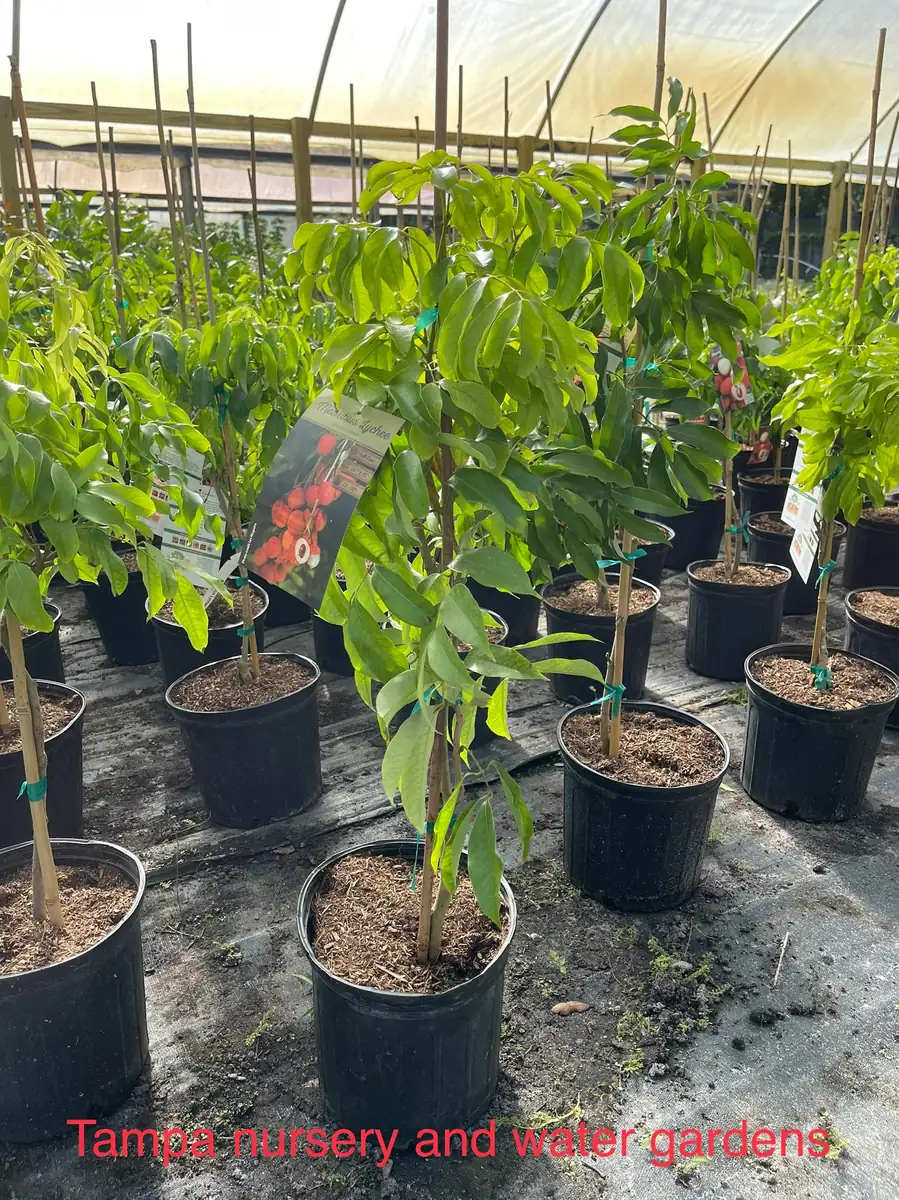
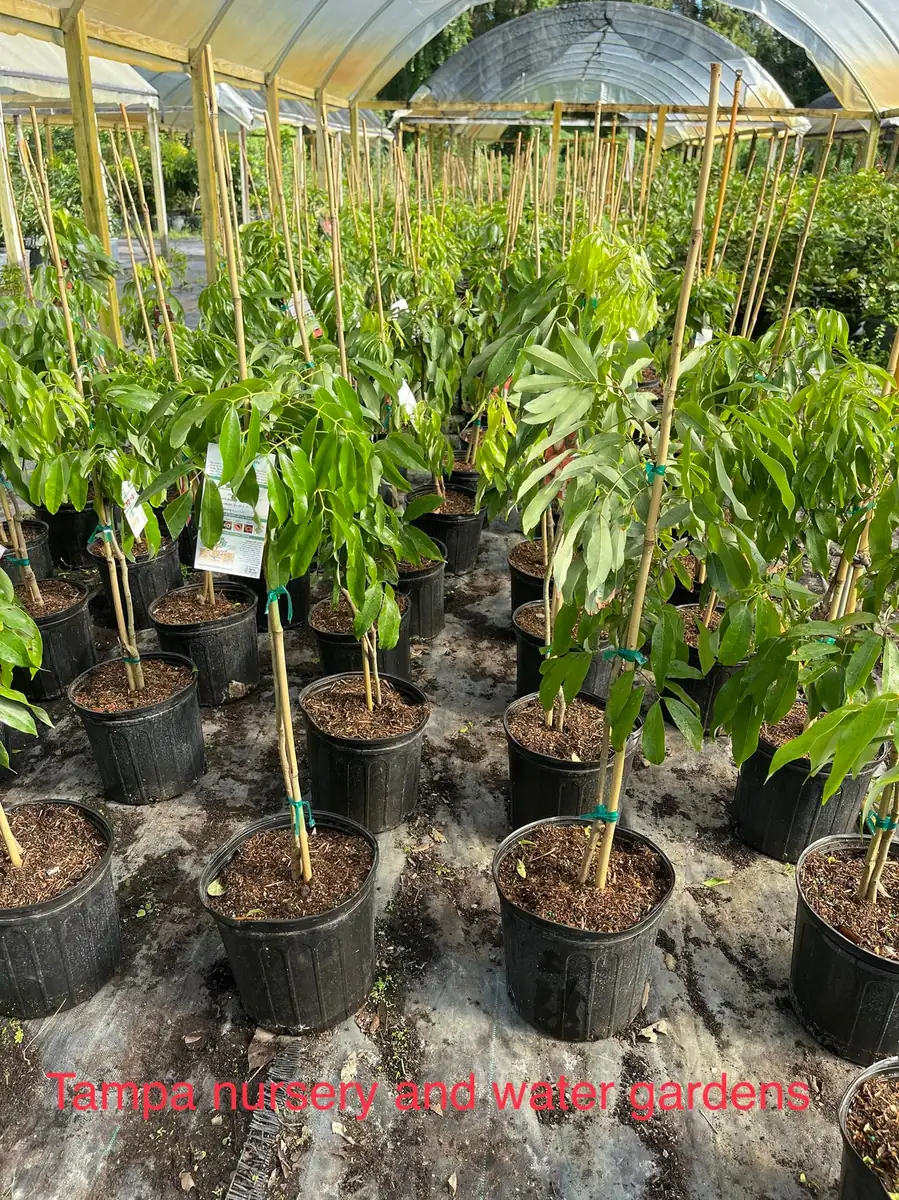
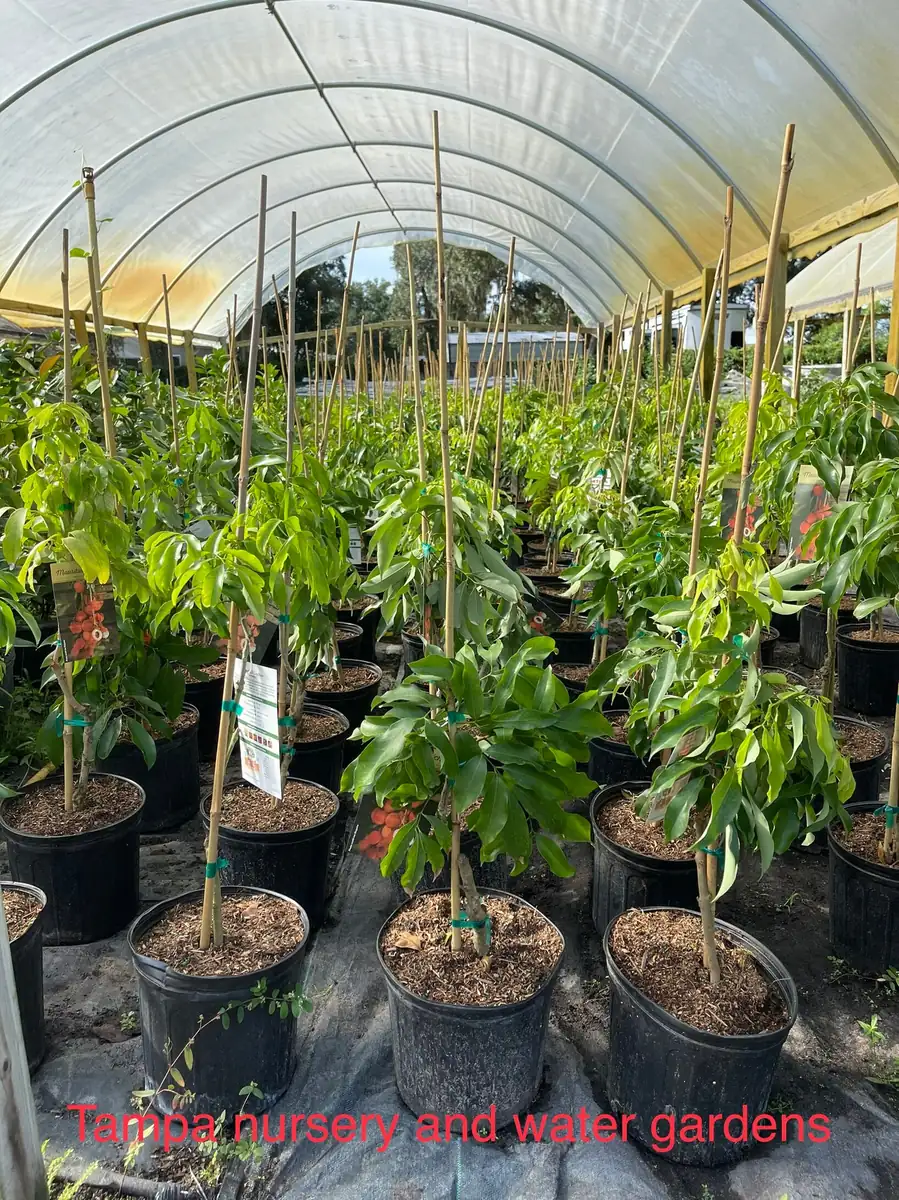
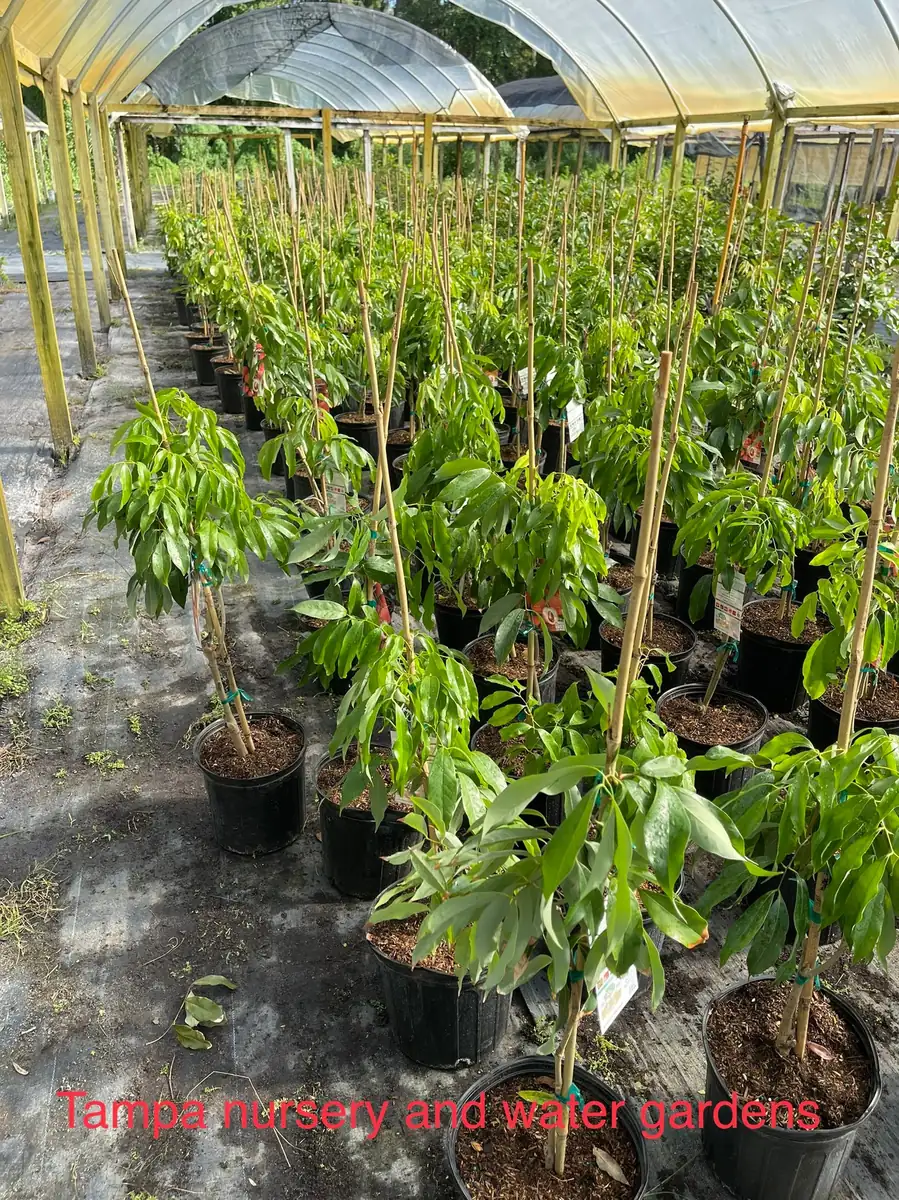
Mauritius Lychee Tree Live Plant – 3 Gallon Pot, 3 Feet Tall – Sweet Fruit
Original price was: $420.00.$156.99Current price is: $156.99.
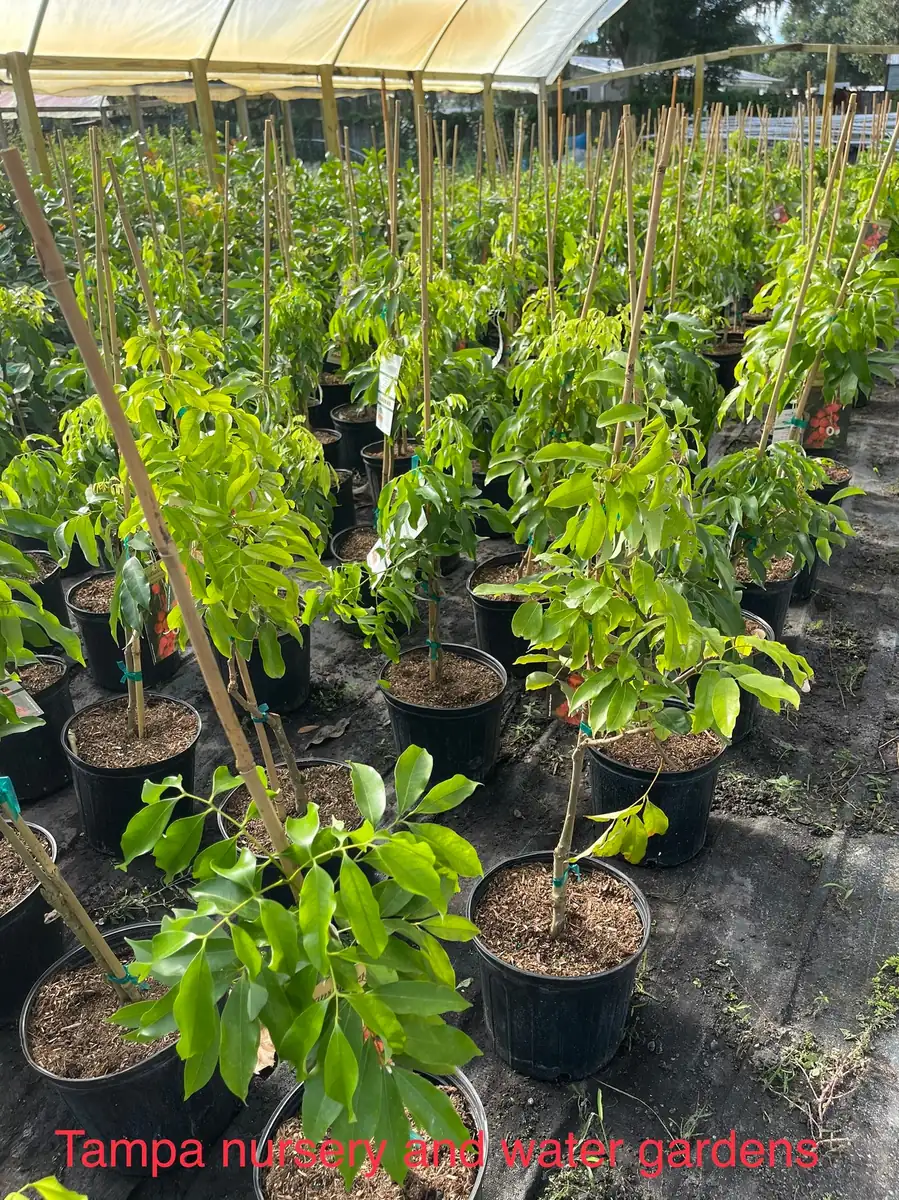
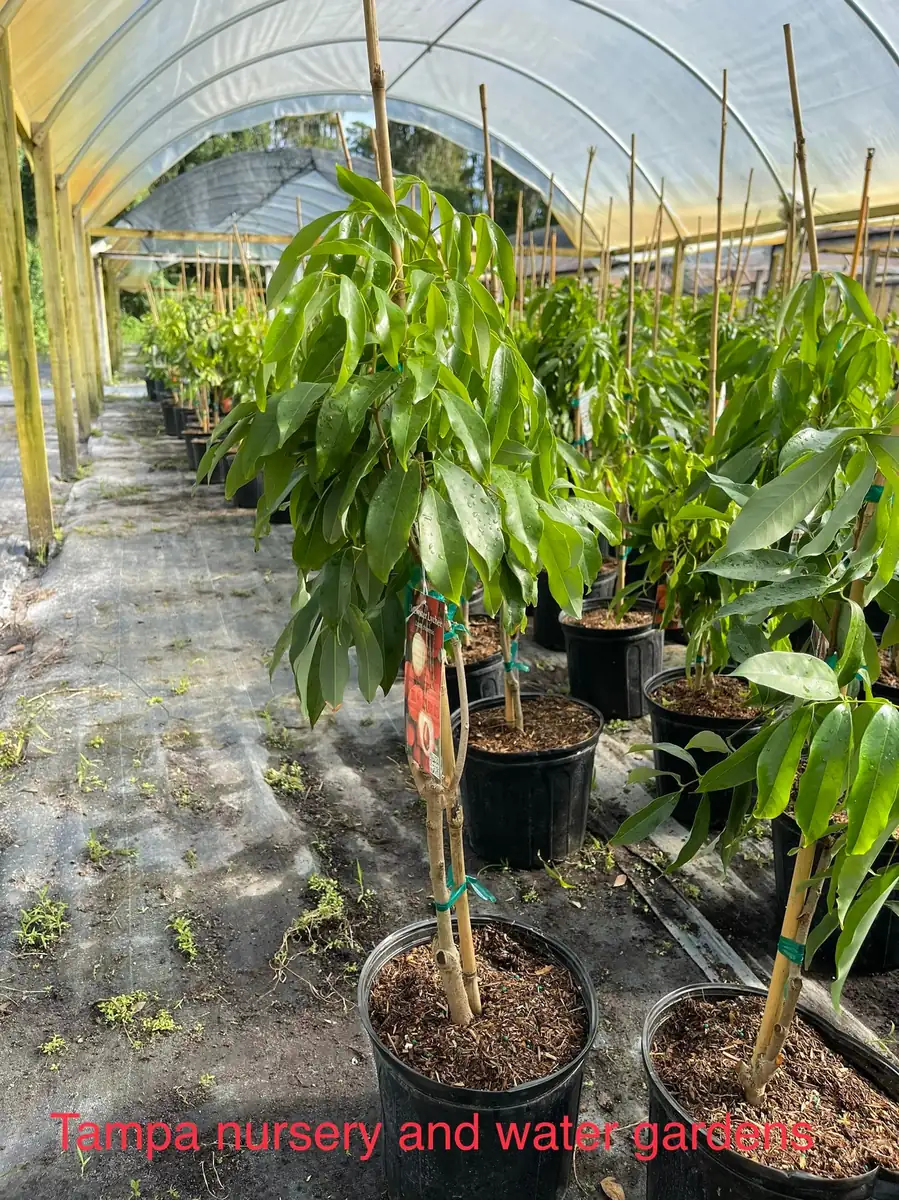
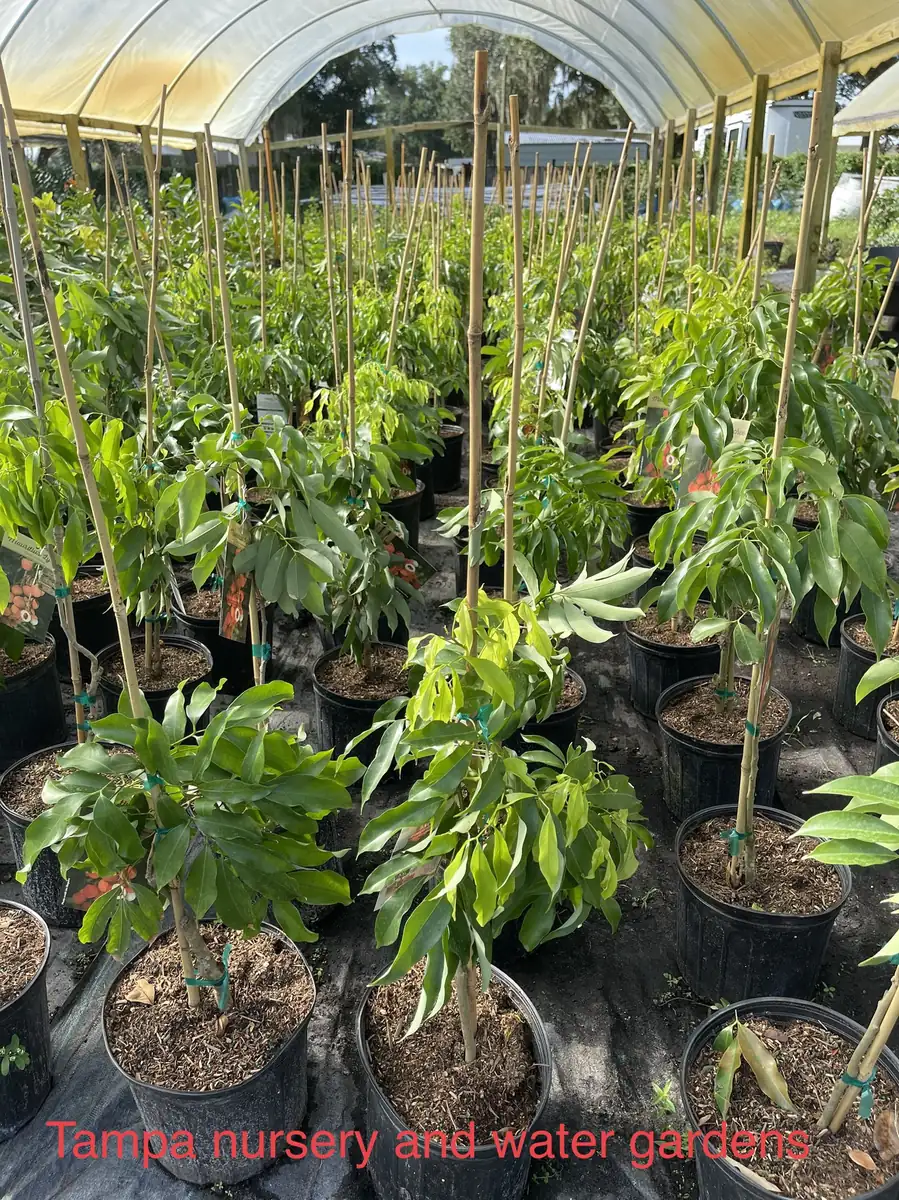
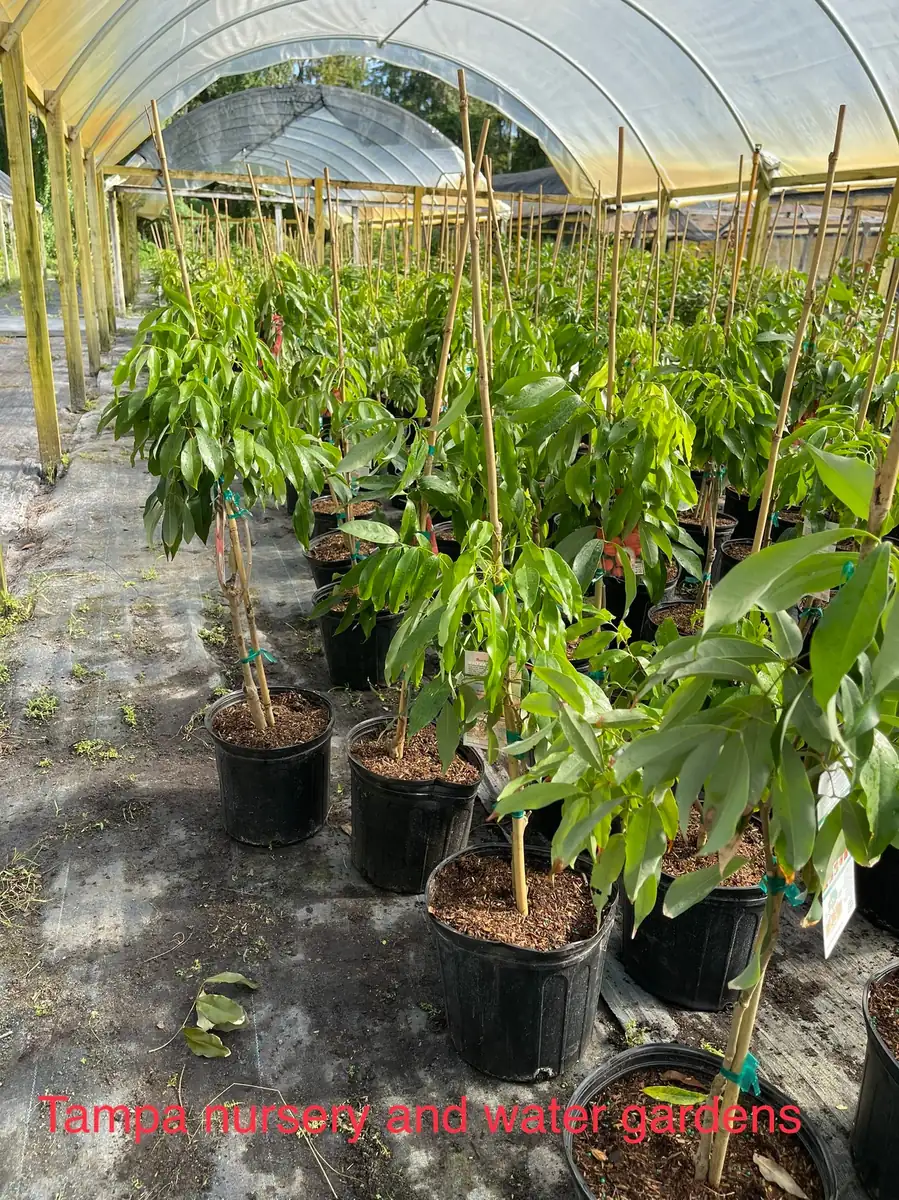
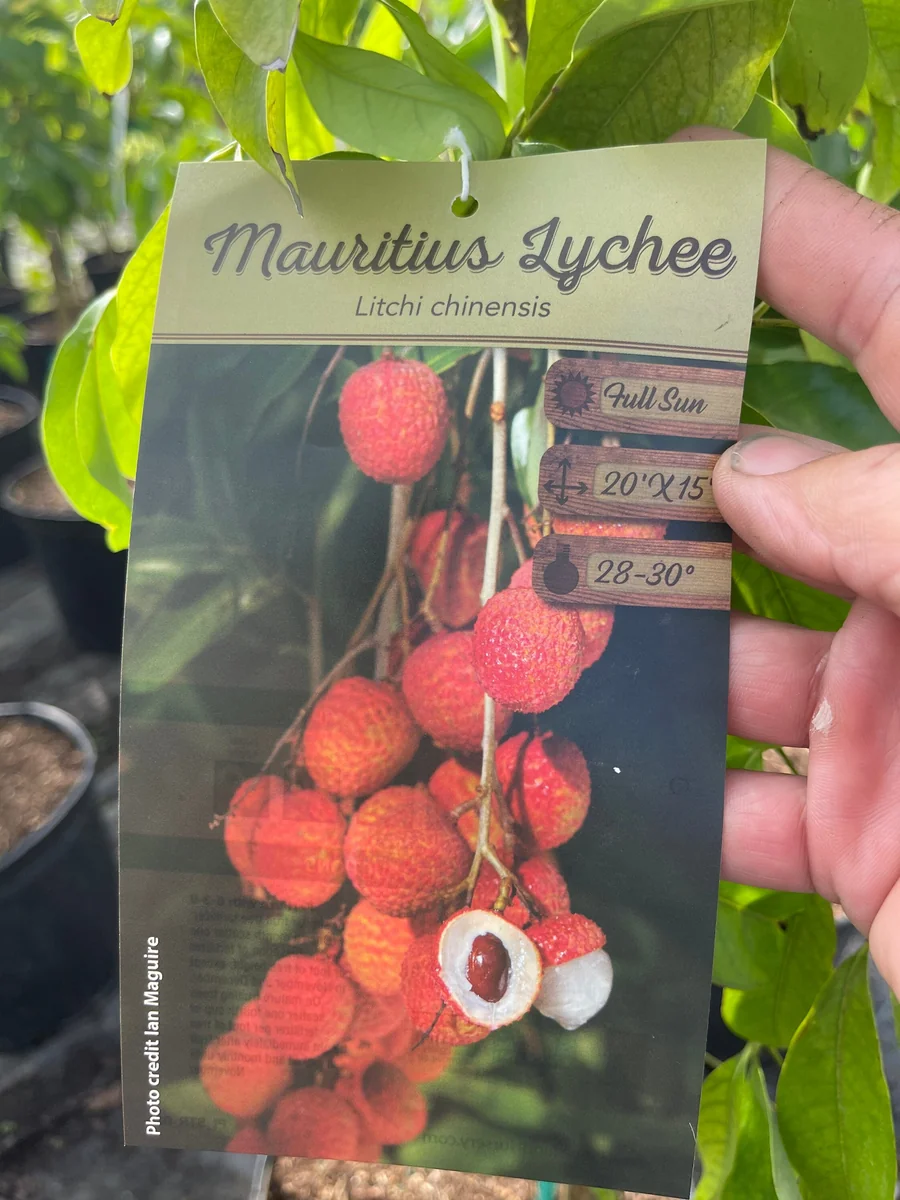
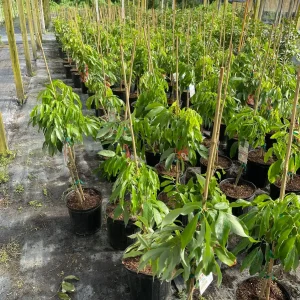
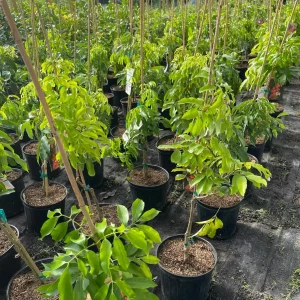
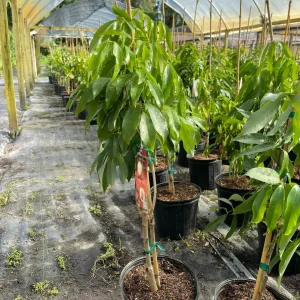
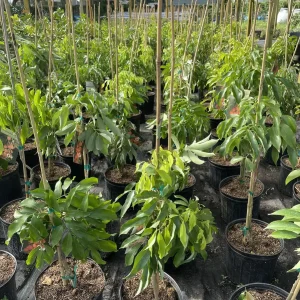
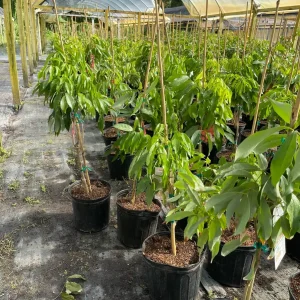
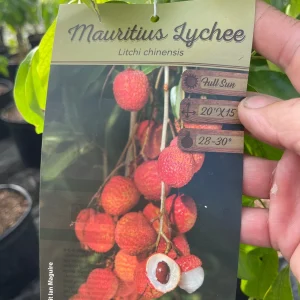
Cultivate your own delicious tropical fruit with this vibrant Mauritius Lychee Tree. Standing 3 feet tall in a 3-gallon pot, this live plant is ready to thrive and produce sweet, juicy lychees. Ideal for warmer climates or container growing.
-
USDA Hardiness Zone
USDA zones 9-11 -
Soil Type
Well-draining, slightly acidic soil (pH 5.5-6.5) -
Sunlight Exposure
Full sun (6-8+ hours direct sunlight) -
Expected Planting Period
Spring to early summer (after last frost)

You can track your order HERE
Mar 02
Mar 07 - Mar 09
Mar 12 - Mar 16
Shipping and return policies: Our Alive & Thrive Guarantee covers issues with your plants within the first 30 days. Reach out to us. Our team will answer your questions and help you find the plants that are truly suitable for your environment, climate, and personal preferences.

Overview
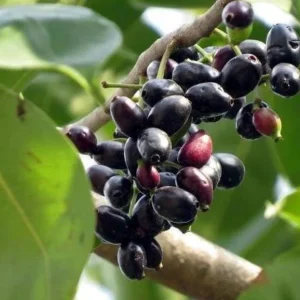
Bring the taste of the tropics to your home with a beautiful Mauritius Lychee Tree. This live plant, known for its delectable fruit, is a popular choice among gardeners and fruit enthusiasts. The Mauritius variety is highly prized for its consistent production of large, sweet, and juicy lychee fruits with small seeds, making it an excellent addition to any garden or patio. Growing your own lychee fruit can be a rewarding experience, offering fresh, exotic flavors right at your fingertips. Our Mauritius Lychee Tree comes as a robust specimen, ready to establish itself and begin its journey towards fruit production. Whether you’re an experienced horticulturist or a budding green thumb, this tree offers a unique opportunity to cultivate a truly special plant.
Originating from Southeast Asia, the lychee (Litchi chinensis) has been cherished for centuries for its succulent fruit. The Mauritius variety specifically, stands out for its reliability and delicious taste. This tree can be grown in the ground in suitable climates or maintained in a large container, allowing for portability and protection in cooler regions. With proper care, your Mauritius Lychee Tree will become a focal point, not just for its fruit, but also for its attractive, glossy green foliage. It’s an investment in both your landscape and your culinary adventures, promising a bounty of sweet rewards.
Key Benefits
The Mauritius Lychee Tree offers a wealth of benefits beyond just its delicious fruit. It’s a fantastic choice for those looking to add an exotic touch to their garden while enjoying practical advantages.
- Exotic Fruit Production: Enjoy an abundant harvest of incredibly sweet, juicy lychee fruits. The Mauritius variety is renowned for its superior flavor and consistent yield, often producing fruit with smaller seeds, maximizing the edible flesh. This makes growing your own Mauritius Lychee Tree incredibly rewarding.
- Ornamental Value: With its lush, dark green foliage, the lychee tree is a beautiful addition to any landscape. It provides year-round visual appeal, making it an attractive specimen plant even when not in fruit.
- Versatile Growing Options: This tree can thrive in the ground in warm, subtropical climates or be successfully grown in large containers. Container growing allows you to move the plant indoors during colder months, extending its reach to a wider range of USDA zones.
- Nutrient-Rich Fruit: Lychees are not only delicious but also packed with Vitamin C, antioxidants, and other beneficial nutrients, contributing to a healthy diet.
- Unique Culinary Experience: Freshly picked lychees offer a unique flavor profile that is hard to replicate. They are perfect for eating fresh, adding to desserts, cocktails, or exotic salads. Learning how to grow lychee fruit opens up a world of culinary possibilities.
- Long-Term Investment: A well-cared-for lychee tree can produce fruit for many decades, becoming a long-term source of fresh, tropical produce and a cherished part of your garden.
- Educational Opportunity: Growing a tropical fruit tree like the lychee can be a fascinating educational experience for all ages, teaching about plant biology, climate, and sustainable food production.
Plant Care & Growing Tips
Caring for your Mauritius Lychee Tree requires attention to specific environmental conditions to ensure optimal growth and fruit production. Lychees thrive in subtropical climates, preferring warm temperatures and high humidity. For best results, plant your tree in a location that receives full sun for at least 6-8 hours a day. While established trees can tolerate some direct sun, young trees may benefit from partial shade during the hottest part of the day, especially in extremely hot climates. If growing in a container, ensure it’s a large pot (at least 15-20 gallons for a mature plant) with excellent drainage.
Watering is crucial for a Mauritius Lychee Tree. Lychees prefer consistently moist, but not waterlogged, soil, especially during flowering and fruiting periods. Allow the top few inches of soil to dry out slightly between waterings. Overwatering can lead to root rot, while underwatering can cause fruit drop or reduced yields. During dry spells, supplemental watering is essential. The ideal soil for lychees is slightly acidic (pH 5.5-6.5), well-draining, and rich in organic matter. Amending heavy clay soils with compost or sand can improve drainage. For container-grown plants, use a high-quality potting mix designed for acid-loving plants.
Fertilization should begin after the tree has established itself, typically a month or two after planting. Use a balanced, slow-release fertilizer formulated for acid-loving plants, or a specific fruit tree fertilizer. Apply sparingly and according to product instructions, usually every 2-3 months during the growing season. Reduce fertilization during the dormant period. Pruning is generally minimal for lychee trees, focusing on removing dead or diseased branches and shaping the tree for improved air circulation and light penetration. It’s often recommended to prune after harvest. Protecting your tropical fruit tree from frost is vital; temperatures below 30°F (-1°C) can severely damage or kill young trees. Consider covering or moving container plants indoors during cold snaps. Learning to grow lychee fruit successfully involves understanding these specific needs.
Size & Details
This offering is for a robust Mauritius Lychee Tree, standing approximately 3 feet tall from the soil line and established in a 3-gallon nursery pot. This size provides a significant head start compared to smaller plants, allowing for quicker establishment and potentially earlier fruit production. Lychee trees are moderate growers, typically adding 1-2 feet of height per year under ideal conditions. When mature, a lychee tree can reach heights of 20-40 feet in the ground, though it will remain significantly smaller in a container. The tree will arrive with healthy foliage and a well-developed root system, ready for planting in its permanent location or a larger container. Expect it to begin producing fruit within 3-5 years, with yields increasing as the tree matures. This 3 gallon lychee tree is a substantial specimen for starting your tropical orchard.
Frequently Asked Questions
- Q: How big does this Mauritius Lychee Tree get? A: In the ground, a mature Mauritius Lychee Tree can reach 20-40 feet tall. When grown in a large container, its size will be significantly more manageable, typically 8-15 feet, depending on pruning and pot size.
- Q: What size pot does it come in? A: This particular Mauritius Lychee Tree is currently growing in a 3-gallon nursery pot, standing about 3 feet tall. You will need to transplant it into a larger container or directly into the ground upon arrival.
- Q: Is this an indoor or outdoor plant? A: The Mauritius Lychee Tree is primarily an outdoor plant suited for USDA zones 9-11. In cooler climates, it can be grown outdoors in a container during warm months and moved indoors to a bright, protected location during winter.
- Q: How much sunlight does it need? A: Lychee trees require full sun, meaning at least 6-8 hours of direct sunlight per day, for optimal growth and fruit production. Young trees in very hot climates might benefit from some afternoon shade.
- Q: Is this plant easy to care for? A: While not extremely difficult, the Mauritius Lychee Tree requires specific conditions like consistent moisture, slightly acidic soil, and protection from frost. It’s considered moderately easy for gardeners in suitable climates or those willing to provide winter protection.
- Q: What condition will it arrive in? A: Your lychee tree will arrive as a healthy, live plant, carefully packaged to minimize stress during transit. It will be shipped with its roots and soil intact, ready for planting.
- Q: Can I use lychee fruit in cooking? A: Absolutely! Lychee fruit is wonderful eaten fresh, added to fruit salads, desserts, smoothies, and even savory dishes. Learning to grow lychee fruit allows for endless culinary experimentation.
- Q: How long until it blooms and fruits? A: A 3 gallon lychee tree like this one typically begins to flower and produce fruit within 3-5 years from planting, with yields increasing as the tree matures. Optimal conditions can sometimes speed up this process.
- Q: When is the best time to plant a lychee tree? A: The best time to plant a lychee tree is in the spring or early summer, after the last chance of frost has passed, allowing it ample time to establish before cooler weather.
- Q: Will it survive winter in my zone? A: Lychee trees are sensitive to cold. They thrive in USDA zones 9-11. If you live in a colder zone, you will need to grow your tropical fruit tree in a container and bring it indoors or provide significant winter protection.
| lychee tree | Lychee Tree, Tree+ 1Lb Fertilizer, Tree+ 2Lb Fertilizer |
|---|
Be the first to review “Mauritius Lychee Tree Live Plant – 3 Gallon Pot, 3 Feet Tall – Sweet Fruit”
People Also Viewed
Sold 61 products
Original price was: $59.98.$29.99Current price is: $29.99.

Sold 74 products
Original price was: $125.90.$75.54Current price is: $75.54.
Sold 67 products
Original price was: $76.00.$60.80Current price is: $60.80.
Sold 56 products
Original price was: $355.96.$177.98Current price is: $177.98.
Sold 82 products
Original price was: $147.16.$73.58Current price is: $73.58.
Sold 64 products
Original price was: $31.96.$15.98Current price is: $15.98.
Sold 99 products
Original price was: $339.80.$169.90Current price is: $169.90.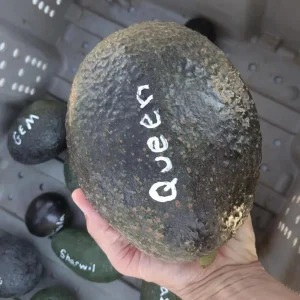
Sold 63 products
Original price was: $183.16.$91.58Current price is: $91.58.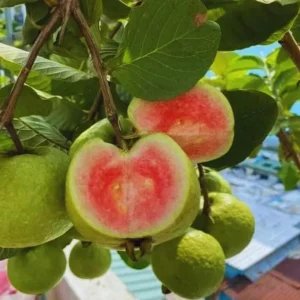
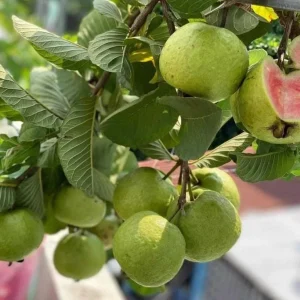
Sold 67 products
Original price was: $37.99.$26.59Current price is: $26.59.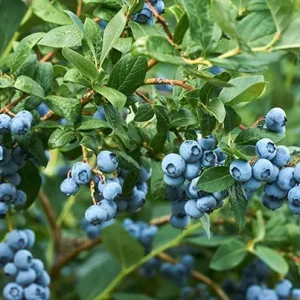
Sold 77 products
Original price was: $147.16.$73.58Current price is: $73.58.
Sold 93 products
Original price was: $104.90.$62.94Current price is: $62.94.
Sold 82 products
Original price was: $111.16.$55.58Current price is: $55.58.
Sold 77 products
Original price was: $391.96.$195.98Current price is: $195.98.
Sold 92 products
Original price was: $158.99.$111.29Current price is: $111.29.
Sold 59 products
From $75.80
Sold 86 products
Original price was: $147.16.$73.58Current price is: $73.58.
Sold 90 products
Original price was: $39.99.$27.99Current price is: $27.99.
Sold 57 products
Original price was: $44.00.$35.20Current price is: $35.20.


Reviews
There are no reviews yet.