
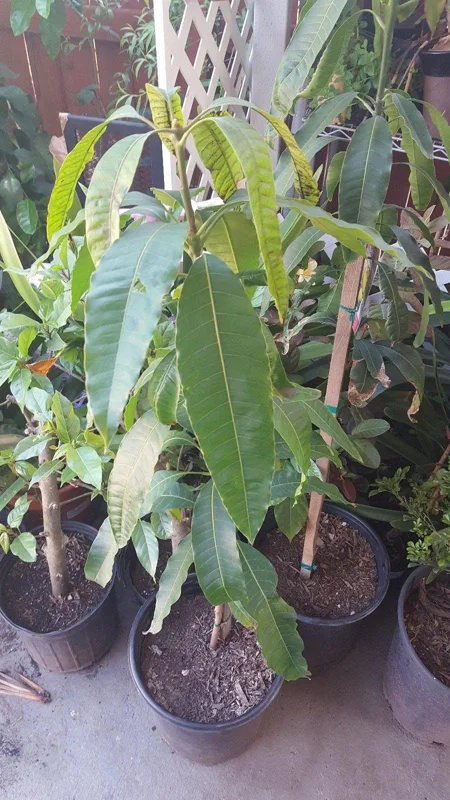
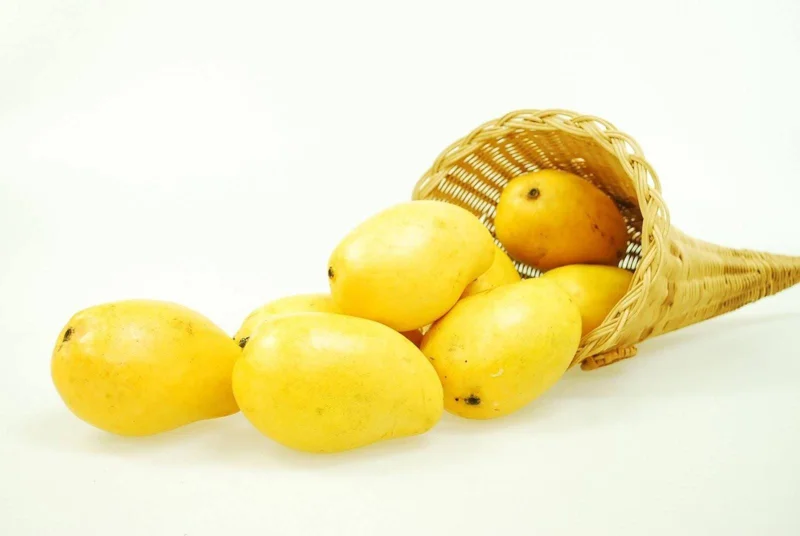
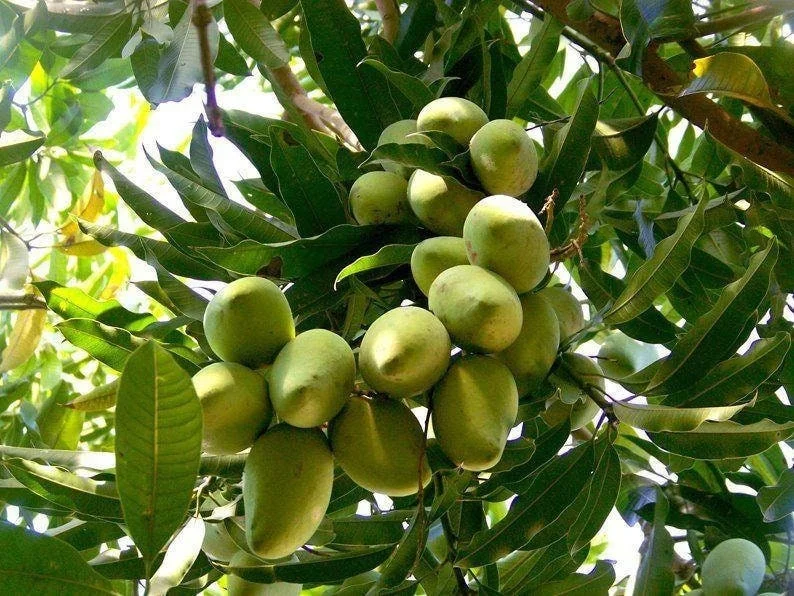
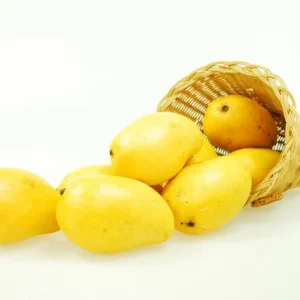
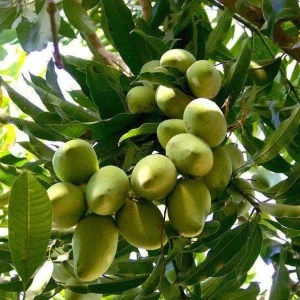
Manila Mango Tree Live Plant – 2-3 ft Tall – Ships in 3 Gallon Pot
Original price was: $391.96.$195.98Current price is: $195.98.
Bring tropical sweetness to your home with a manila mango tree live plant. This beautiful 2-3 feet tall specimen is known for producing delicious, fiberless fruit. Perfect for avid gardeners and fruit enthusiasts.
-
USDA Hardiness Zone
USDA zones 9-11 (outdoors), can be grown indoors in all zones -
Soil Type
Well-draining sandy loam -
Sunlight Exposure
Full sun (6-8+ hours direct sunlight) -
Expected Planting Period
Year-round indoors or spring to summer outdoors in suitable zones

You can track your order HERE
Mar 09
Mar 14 - Mar 16
Mar 19 - Mar 23
Shipping and return policies: Our Alive & Thrive Guarantee covers issues with your plants within the first 30 days. Reach out to us. Our team will answer your questions and help you find the plants that are truly suitable for your environment, climate, and personal preferences.

Overview
Cultivate your own delicious, sweet fruit with this exceptional manila mango tree live plant. Originating from the Philippines but widely popular for its adaptability, the ‘Manila’ mango is celebrated for its delectable, fiberless flesh and vibrant flavor. This particular variety is an early-season producer, typically flowering in the cooler months of January and February, making it a unique addition to any fruit-bearing collection. Our live plant arrives healthy and ready to thrive, providing you with the joy of growing your own tropical bounty. Whether you’re an experienced grower or new to fruit trees, this manila mango tree live plant offers a rewarding gardening experience.
The ‘Manila’ mango, often simply called Manila, is a beloved choice for its consistent fruit production and relatively compact size when container-grown. It’s an excellent option for those looking to enjoy homegrown mangoes, bringing a touch of the tropics to your backyard or sunroom. With proper care, this tree can become a long-lasting source of fresh, juicy fruit.
Key Benefits
Adding a manila mango tree live plant to your garden offers numerous advantages, from fresh fruit to ornamental beauty:
- Delicious Homegrown Fruit: Enjoy sweet, fiberless mangoes directly from your own tree, perfect for eating fresh, making smoothies, or adding to desserts. The taste of homegrown fruit is incomparable to store-bought varieties.
- Early Season Production: As an early-season mango, ‘Manila’ flowers in winter, allowing for an earlier harvest compared to many other varieties, extending your mango season.
- Ornamental Value: Beyond its fruit, the manila mango tree live plant is a beautiful addition to any landscape or patio with its lush green foliage and attractive form. It adds a tropical aesthetic to your space.
- Health Benefits: Mangoes are packed with vitamins, minerals, and antioxidants, contributing to a healthy diet. Growing your own ensures organic, fresh produce.
- Container Growing Potential: This variety is well-suited for container growing, making it ideal for patios, small gardens, or for those in colder climates who need to move the tree indoors during winter. This makes growing manila mango accessible to many.
- Unique Flavor Profile: The ‘Manila’ mango is renowned for its distinct, sweet, and aromatic flavor, making it a favorite among mango connoisseurs.
Plant Care & Growing Tips
To ensure your manila mango tree live plant thrives and produces abundant fruit, understanding its specific care requirements is crucial. This tropical tree prefers a warm, sunny environment. For optimal growth and fruit production, plant your mango tree in a location that receives at least 6-8 hours of direct sunlight daily. In cooler climates, consider planting it in a large container that can be moved indoors during colder months, or in a wind-sheltered, full-sun spot protected from frost.
Watering is essential, especially for young trees. Water deeply and regularly, allowing the top few inches of soil to dry out between waterings. Avoid overwatering, which can lead to root rot. Well-draining soil is paramount; a sandy loam with good organic matter is ideal. The ‘Manila’ mango is sensitive to cold, with temperatures below 40 degrees Fahrenheit potentially damaging buds and blossoms. If located in an area prone to frost, protect the tree with frost cloths or bring container-grown trees indoors to a warm, well-lit sunroom or greenhouse. Fertilize your mango tree with a balanced fertilizer specifically formulated for fruit trees, following the product’s instructions, typically during the growing season from spring through fall. Watch for common pests like aphids and scale, and address them promptly with organic pest control methods if necessary. Proper care is key for successful growing manila mango and enjoying its delicious manila mango fruit.
Size & Details
This offering is for one manila mango tree live plant, which stands approximately 2 to 3 feet tall from the base of the pot to the top of the foliage. The tree is shipped in a 3-gallon nursery pot, ensuring a well-established root system ready for transplanting. While the ‘Manila’ mango can grow quite large in ideal tropical conditions, its growth can be managed through pruning, especially when grown in containers. Expect a moderate growth rate, with the tree reaching a mature height of 10-20 feet in the ground, or a more manageable size of 6-10 feet in a large container. With proper care, you can anticipate your tree to begin producing manila mango fruit within a few years of planting.
The tree will arrive with healthy foliage and a robust root ball, carefully packaged to minimize stress during transit. Upon arrival, it’s recommended to acclimate the plant to its new environment gradually before transplanting. The 3-gallon pot size provides ample space for initial growth before it requires a larger container or permanent placement in the garden. This size is ideal for establishing a strong foundation for future fruiting.
Frequently Asked Questions
- Q: How big does this manila mango tree live plant get? A: When grown in the ground, a ‘Manila’ mango tree can reach 10-20 feet tall. If grown in a large container, its size can be kept more compact, typically 6-10 feet, with regular pruning.
- Q: What size pot does it come in? A: The manila mango tree live plant is shipped in a 3-gallon nursery pot, providing a good head start for its root development.
- Q: Is this an indoor or outdoor plant? A: The ‘Manila’ mango tree is a tropical plant. It can be grown outdoors year-round in USDA Zones 9-11. In colder climates, it should be grown in a container and moved indoors during winter to protect it from frost.
- Q: How much sunlight does it need? A: This tree requires at least 6-8 hours of direct sunlight per day to thrive and produce fruit. Full sun exposure is best for optimal growth and fruit development.
- Q: Is this plant easy to care for? A: While not extremely high-maintenance, the ‘Manila’ mango tree does require specific conditions, particularly warmth and sunlight. With attention to watering, soil, and winter protection in colder areas, growing manila mango can be very rewarding.
- Q: What condition will it arrive in? A: Your mango tree will arrive as a healthy, live plant with a well-established root system in its 3-gallon pot, carefully packaged to ensure its safety during transit.
- Q: How long until it blooms and produces fruit? A: Typically, a ‘Manila’ mango tree grown from this size plant can start to bloom and produce fruit within 2-4 years, given proper care and ideal growing conditions.
- Q: What’s the minimum temperature this tree can tolerate? A: The ‘Manila’ mango tree is sensitive to cold. Temperatures below 40 degrees Fahrenheit can cause damage to the plant, especially to its buds and blossoms, impacting the harvest.
- Q: Can I use the manila mango fruit in cooking? A: Absolutely! Manila mangoes are highly prized for their sweet, juicy, and fiberless flesh, making them excellent for fresh consumption, smoothies, desserts, salsas, and various culinary applications.
- Q: What type of soil is best for manila mango care? A: Well-draining soil is critical. A sandy loam rich in organic matter is ideal. Avoid heavy clay soils that retain too much moisture.
Be the first to review “Manila Mango Tree Live Plant – 2-3 ft Tall – Ships in 3 Gallon Pot”
People Also Viewed
Sold 52 products
Original price was: $91.98.$45.99Current price is: $45.99.
Sold 52 products
Original price was: $36.00.$18.00Current price is: $18.00.
Sold 55 products
Original price was: $36.00.$18.00Current price is: $18.00.
Sold 72 products
Original price was: $139.96.$69.98Current price is: $69.98.
Sold 68 products
Original price was: $45.98.$22.99Current price is: $22.99.
Sold 81 products
Original price was: $283.96.$141.98Current price is: $141.98.
Sold 88 products
Original price was: $88.00.$44.00Current price is: $44.00.
Sold 82 products
Original price was: $147.16.$73.58Current price is: $73.58.
Sold 92 products
Original price was: $38.00.$19.00Current price is: $19.00.
Sold 50 products
From $119.80
Sold 81 products
From $19.00
Sold 78 products
Original price was: $73.28.$36.64Current price is: $36.64.
Sold 72 products
Original price was: $36.00.$18.00Current price is: $18.00.
Sold 55 products
Original price was: $39.98.$19.99Current price is: $19.99.
Sold 92 products
Original price was: $37.98.$18.99Current price is: $18.99.
Sold 53 products
Original price was: $39.98.$19.99Current price is: $19.99.
Sold 55 products
Original price was: $44.00.$22.00Current price is: $22.00.
Sold 86 products
Original price was: $79.98.$39.99Current price is: $39.99.



Reviews
There are no reviews yet.