
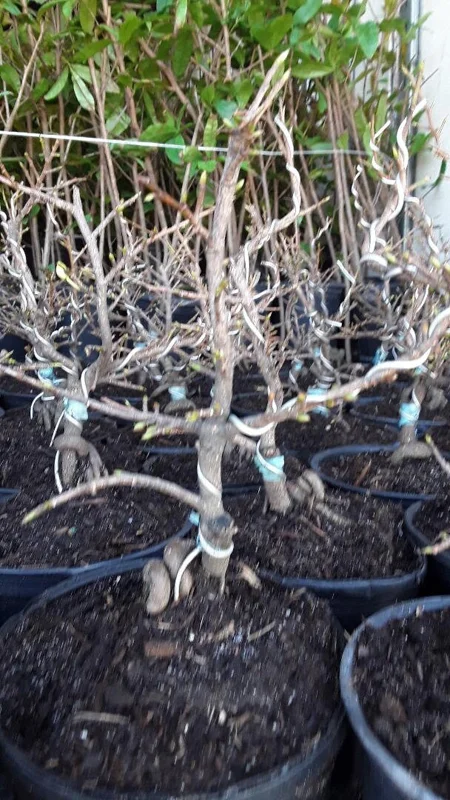


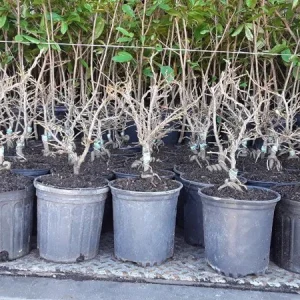
Mai Vang Bonsai Tree – Vietnamese Flowering Apricot Live Plant – 3 Gallon Pot – Outdoor
Original price was: $535.96.$267.98Current price is: $267.98.
Bring a piece of Vietnamese tradition to your home with the beautiful Mai Vang Bonsai tree. This stunning Vietnamese flowering apricot is a symbol of prosperity and good fortune, perfect for outdoor display. Shipped in a 3 gallon pot, it’s ready to thrive in your garden.
-
USDA Hardiness Zone
USDA zones 9–11 -
Soil Type
Well-draining, slightly acidic to neutral soil -
Sunlight Exposure
Full sun (6-8 hours direct light daily) -
Expected Planting Period
Year-round in warm climates; spring for establishment in cooler zones

You can track your order HERE
Mar 01
Mar 06 - Mar 08
Mar 11 - Mar 15
Shipping and return policies: Our Alive & Thrive Guarantee covers issues with your plants within the first 30 days. Reach out to us. Our team will answer your questions and help you find the plants that are truly suitable for your environment, climate, and personal preferences.

Overview
Welcome to the world of traditional Vietnamese horticulture with the exquisite Mai Vang Bonsai tree. This captivating live plant, also known as the Vietnamese flowering apricot (Ochna integerrima), is a cherished symbol of spring, prosperity, and good luck in Vietnam, particularly during the Lunar New Year (Tet). Originating from Southeast Asia, the Mai Vang is renowned for its vibrant yellow flowers that bloom profusely, creating a spectacular display that brightens any landscape. Unlike typical apricots, this plant is not grown for its fruit but for its ornamental value, especially when cultivated in the intricate art form of bonsai. Each Mai Vang Bonsai tree represents a living piece of art, meticulously shaped and nurtured over time to achieve its characteristic beauty. It’s an ideal choice for collectors and enthusiasts looking for a unique and culturally significant addition to their outdoor garden or patio.
Cultivating a Mai Vang Bonsai tree offers a rewarding experience, combining horticultural skill with artistic expression. Its distinctive trunk, delicate foliage, and abundant golden blossoms make it a focal point in any setting. This particular specimen is shipped as a robust live plant in a 3 gallon pot, ensuring it has a strong root system and a healthy start in its new home. While it may or may not have flowers at the time of shipping, its potential for future magnificent blooms is guaranteed with proper care. Embrace the tradition and elegance of the Vietnamese flowering apricot by adding this stunning bonsai to your collection today.
Key Benefits
The Mai Vang Bonsai tree offers numerous benefits, making it a highly desirable plant for both seasoned gardeners and those new to bonsai. Its unique characteristics contribute to its appeal and cultural significance.
- Stunning Floral Display: The primary allure of the Mai Vang Bonsai tree is its profusion of bright yellow flowers. These golden blossoms typically appear in late winter to early spring, creating a vibrant spectacle that symbolizes prosperity and happiness. The sheer volume of flowers can transform the plant into a dazzling golden cloud.
- Cultural Significance: As a traditional Vietnamese flowering apricot, this plant carries deep cultural meaning, often associated with the Lunar New Year. Owning a Mai Vang can connect you to rich traditions and serve as a beautiful conversation piece. It’s more than just a plant; it’s a piece of living heritage.
- Unique Bonsai Form: Cultivated as a bonsai, the Mai Vang showcases intricate trunk development and elegant branch structure. Each specimen is unique, reflecting the art and patience involved in its training. This makes it a distinctive addition to any collection of outdoor bonsai tree specimens.
- Long-Lived Beauty: With appropriate care, a Mai Vang Bonsai tree can live for many decades, becoming a cherished family heirloom. Its enduring beauty makes it a worthwhile investment for any plant enthusiast.
- Enhances Outdoor Spaces: Perfect for patios, balconies, or garden focal points, the Mai Vang adds an exotic and sophisticated touch. Its vibrant blooms and unique form draw attention, making any outdoor area more inviting and visually appealing.
- Rewarding Cultivation: For those interested in the art of bonsai plant care, the Mai Vang offers a rewarding challenge. Shaping and nurturing this plant can be a meditative and fulfilling hobby, allowing you to witness its transformation over time.
Plant Care & Growing Tips
Proper bonsai plant care is essential for the health and vibrant blooming of your Mai Vang Bonsai tree. This plant thrives in specific conditions that mimic its native tropical environment. Understanding these requirements will help ensure your Vietnamese flowering apricot flourishes.
Sunlight Requirements: The Mai Vang absolutely loves sunlight. It requires full sun exposure for at least 6-8 hours a day to produce abundant blooms. Place your outdoor bonsai tree in a location where it receives bright, direct sunlight throughout the day. While it can tolerate some partial shade, too little light will significantly reduce flowering. In extremely hot climates, some afternoon shade might be beneficial to prevent leaf scorch, but generally, more sun is better.
Watering: Consistent moisture is key, but good drainage is paramount. Water your Mai Vang thoroughly when the top inch of soil feels dry to the touch. During hot summer months, this might mean daily watering. Reduce watering frequency in cooler weather or during dormancy. Ensure the pot has drainage holes to prevent waterlogging, which can lead to root rot. A good indicator is when water starts to drain from the bottom of the pot. Never let the soil dry out completely for extended periods.
Soil Type: Use a well-draining, slightly acidic to neutral potting mix. A good bonsai soil mix typically includes akadama, pumice, and lava rock, which provides excellent drainage and aeration while retaining some moisture. For a general potting mix, a blend of peat moss, perlite, and pine bark fines works well. The goal is a medium that drains quickly but still holds enough moisture for the roots. This specific soil composition is crucial for healthy bonsai plant care.
Temperature & Hardiness: The Mai Vang is a tropical to subtropical plant. It is not frost-tolerant and should be protected from temperatures below 40°F (4°C). If you live in a region with cold winters, it’s best to move your Mai Vang Bonsai tree indoors to a bright, cool location before the first frost. Ideally, it prefers temperatures between 60-90°F (15-32°C). It is generally suitable for USDA zones 9-11 outdoors year-round. Consistent warmth encourages robust growth and flowering. Protecting your yellow apricot bonsai during colder months is vital for its long-term survival.
Fertilization: During the growing season (spring through fall), feed your Mai Vang every 2-4 weeks with a balanced liquid fertilizer. As it approaches its blooming period, switch to a fertilizer higher in phosphorus to encourage flower production. Reduce or stop fertilizing during its dormant period in winter. Always follow the manufacturer’s instructions for dilution rates to avoid over-fertilization, which can damage the roots. Proper fertilization is an integral part of successful bonsai plant care.
Pruning & Shaping: Regular pruning is essential for maintaining the bonsai shape and encouraging new growth and flowering. Prune after the main blooming period to shape the tree and remove any dead or weak branches. Pinch back new shoots to encourage ramification. Wiring can be used to gently guide branch growth, but be careful not to scar the bark. Repotting is typically done every 2-3 years in early spring, trimming about one-third of the roots and refreshing the soil.
Size & Details
This offering is for one Mai Vang Bonsai tree, a beautiful specimen of the Vietnamese flowering apricot. The plant is shipped as a healthy, established live plant in a 3 gallon pot, providing a substantial root ball for successful transplanting or continued growth in its current container. The size of the plant will vary but typically stands between 12 to 24 inches tall from the base of the pot, with a developed trunk and branching structure characteristic of a young bonsai. The growth rate of the Mai Vang is moderate, allowing for gradual shaping and development over time. With proper bonsai plant care, it can eventually reach heights of several feet in a larger container, though its bonsai form will keep it more compact.
The Mai Vang Bonsai tree is intended for outdoor cultivation in suitable climates but can be overwintered indoors. It is a long-lived plant that will continue to mature and develop its unique character for many years. While the plant may or may not be in bloom at the time of shipping, it is a healthy specimen ready to produce its iconic yellow flowers in its appropriate season. Expect the main blooming period to occur in late winter to early spring, typically around the Lunar New Year. This outdoor bonsai tree is a perfect choice for those seeking a vibrant, culturally rich plant to enhance their garden or patio.
Frequently Asked Questions
- Q: How big does this Mai Vang Bonsai tree get? A: While it is a bonsai, which means it will be kept smaller than its full-sized counterpart, this plant typically arrives between 12 to 24 inches tall in its 3-gallon pot. With consistent pruning and care, it can be maintained at a compact, artistic size, though it has the potential to grow larger if allowed.
- Q: Is this an indoor or outdoor plant? A: The Mai Vang Bonsai tree is primarily an outdoor plant, thriving in full sun and warm temperatures. It is suitable for USDA zones 9-11 year-round outdoors. If you live in a colder climate, it must be brought indoors during winter to protect it from frost.
- Q: How much sunlight does the Vietnamese flowering apricot need? A: This plant requires abundant sunlight. For optimal growth and flowering, provide at least 6-8 hours of direct sunlight daily. Placing it in a south-facing location outdoors is ideal.
- Q: Is this bonsai plant easy to care for? A: While it requires specific conditions like full sun and consistent watering, the Mai Vang Bonsai tree is considered moderately easy for those familiar with basic bonsai or plant care. Attention to watering, light, and protection from cold are key to its success.
- Q: What condition will the Mai Vang arrive in? A: Your Mai Vang Bonsai tree will arrive as a healthy, live plant, securely packaged in a 3-gallon nursery pot with soil. It may or may not have flowers at the time of shipping, depending on the season and its natural blooming cycle.
- Q: When is the best time for the yellow apricot bonsai to bloom? A: The yellow apricot bonsai typically blooms in late winter to early spring, often coinciding with the Lunar New Year. The exact timing can vary slightly based on local climate conditions and specific care practices.
- Q: What type of soil is best for bonsai plant care? A: A well-draining, slightly acidic to neutral soil mix is ideal. Many bonsai enthusiasts use a mix containing akadama, pumice, and lava rock. For a simpler approach, a good quality potting mix amended with perlite or coarse sand to improve drainage will work well.
- Q: Will this outdoor bonsai tree survive winter in my zone? A: If you are in USDA zones 9-11, your Mai Vang can likely remain outdoors year-round. In zones colder than 9, you must provide winter protection by bringing the plant indoors to a bright, cool location to prevent frost damage.
- Q: How often should I water my Mai Vang Bonsai? A: Water thoroughly when the top inch of soil feels dry. In hot weather, this could be daily. In cooler periods, watering frequency will decrease. Always ensure good drainage to prevent root rot.
- Q: Can I use this plant for medicinal purposes? A: While some plants have traditional uses, the Vietnamese flowering apricot (Ochna integerrima) is primarily cultivated for its ornamental beauty and cultural significance, particularly as a bonsai. It is not typically used for medicinal purposes.
Be the first to review “Mai Vang Bonsai Tree – Vietnamese Flowering Apricot Live Plant – 3 Gallon Pot – Outdoor”
People Also Viewed


Sold 62 products
Original price was: $23.96.$11.98Current price is: $11.98.
Sold 52 products
Original price was: $97.98.$48.99Current price is: $48.99.
Sold 71 products
Original price was: $319.96.$159.98Current price is: $159.98.
Flower Plants
Creeping Blue Mazus Reptans Live Plant – Blue Flowers, 4 inch Pot, Outdoor Groundcover
Sold 85 products
From $51.80
Sold 95 products
Original price was: $355.96.$177.98Current price is: $177.98.
Sold 97 products
Original price was: $183.16.$91.58Current price is: $91.58.
Sold 76 products
Original price was: $67.96.$33.98Current price is: $33.98.
Sold 66 products
Original price was: $100.00.$80.00Current price is: $80.00.
Sold 77 products
From $13.98
Sold 71 products
Original price was: $24.35.$7.74Current price is: $7.74.
Sold 54 products
Original price was: $44.98.$22.49Current price is: $22.49.
Sold 62 products
Original price was: $39.98.$19.99Current price is: $19.99.
Sold 64 products
Original price was: $23.00.$18.40Current price is: $18.40.
Sold 80 products
Original price was: $44.00.$35.20Current price is: $35.20.
Sold 60 products
From $43.98
Sold 74 products
Original price was: $391.96.$195.98Current price is: $195.98.
Sold 82 products
Original price was: $102.60.$51.30Current price is: $51.30.
Flower Plants
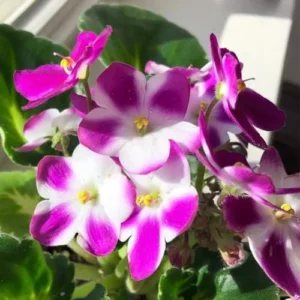
African Violet Live Plant – Pink White Flower Houseplant 4 Inch Pot Indoor Ready to Grow
Sold 81 products
Original price was: $63.98.$31.99Current price is: $31.99.

Reviews
There are no reviews yet.