
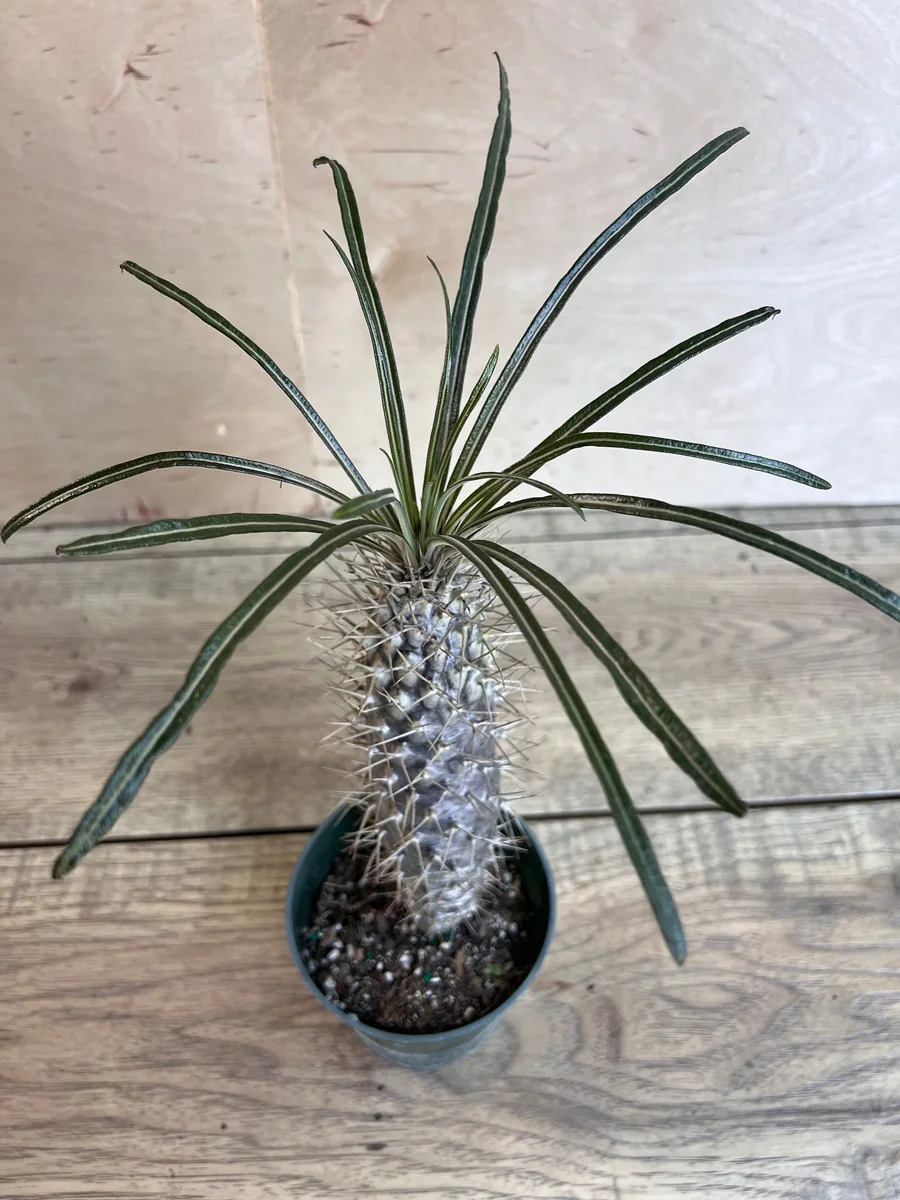
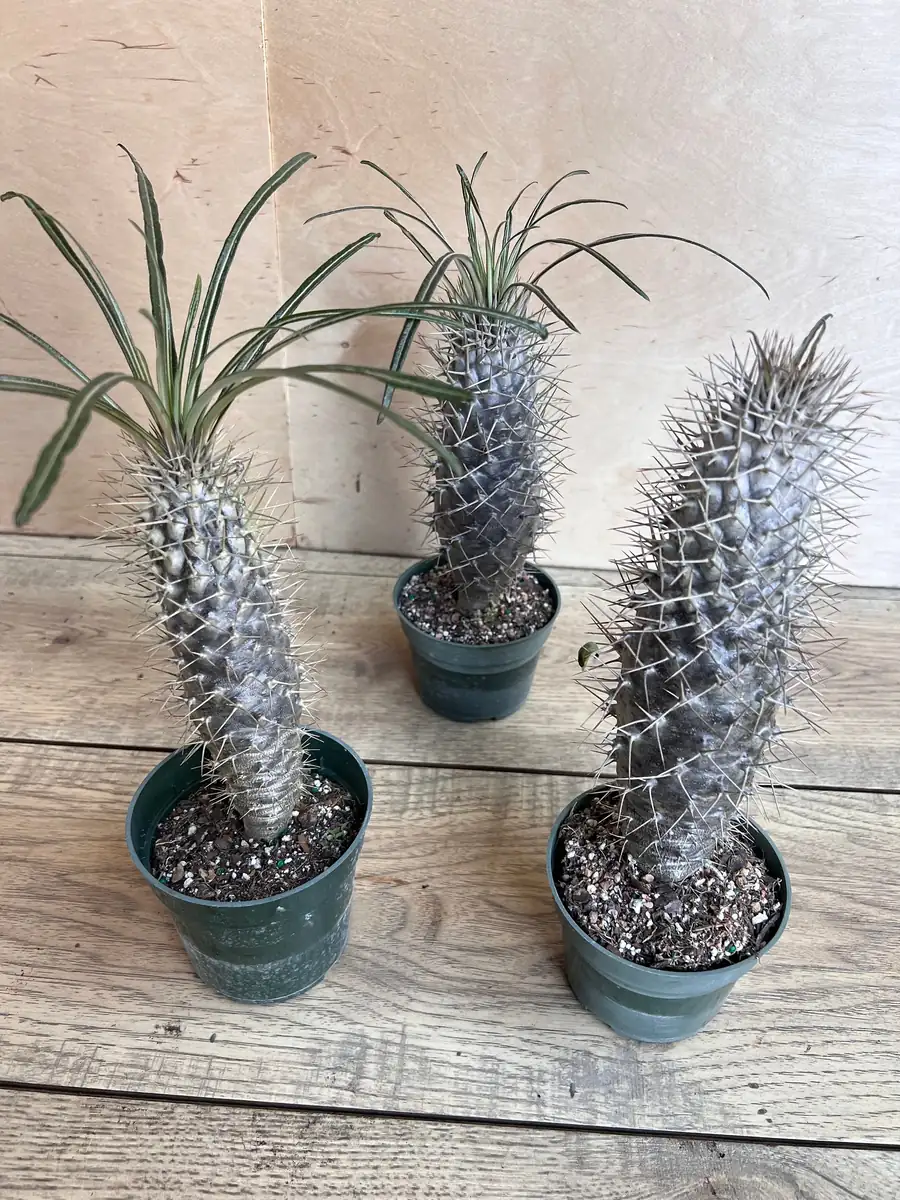
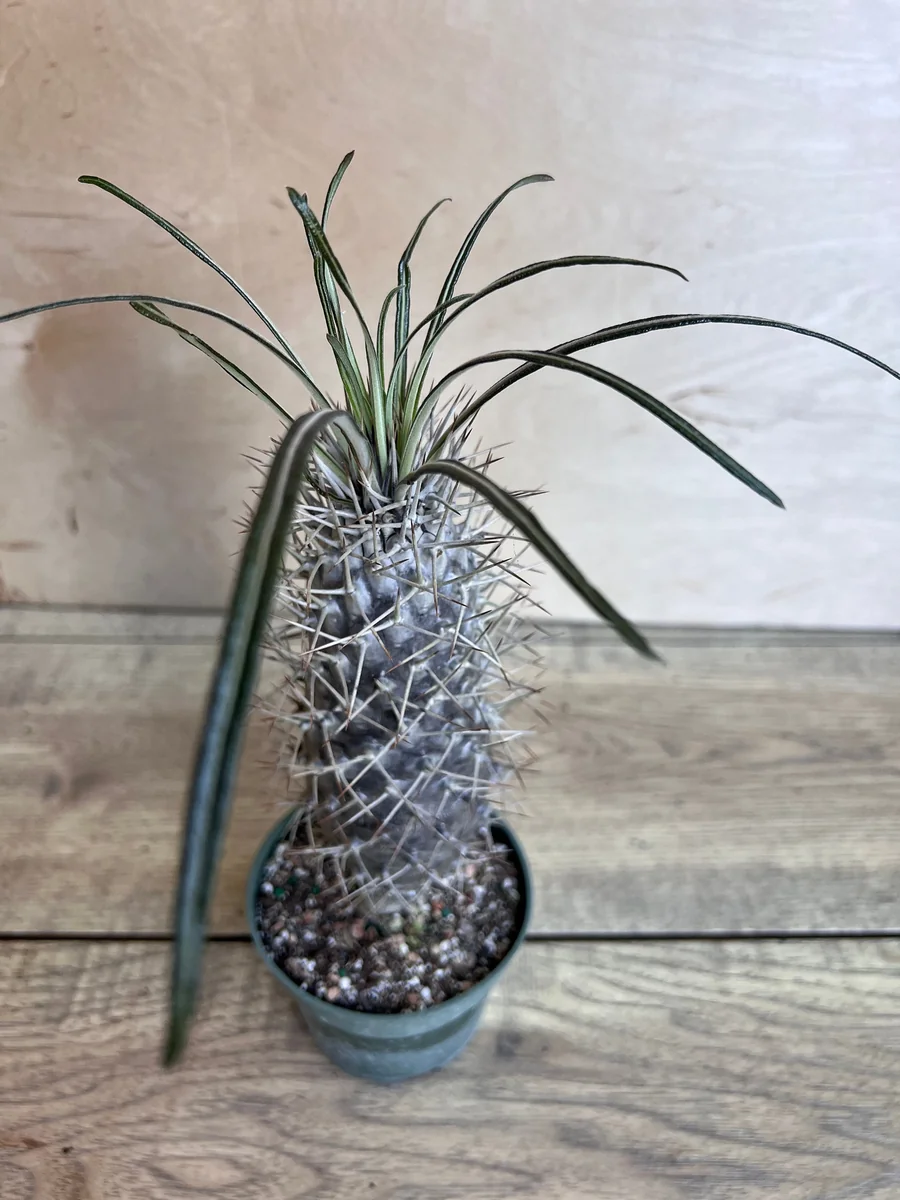
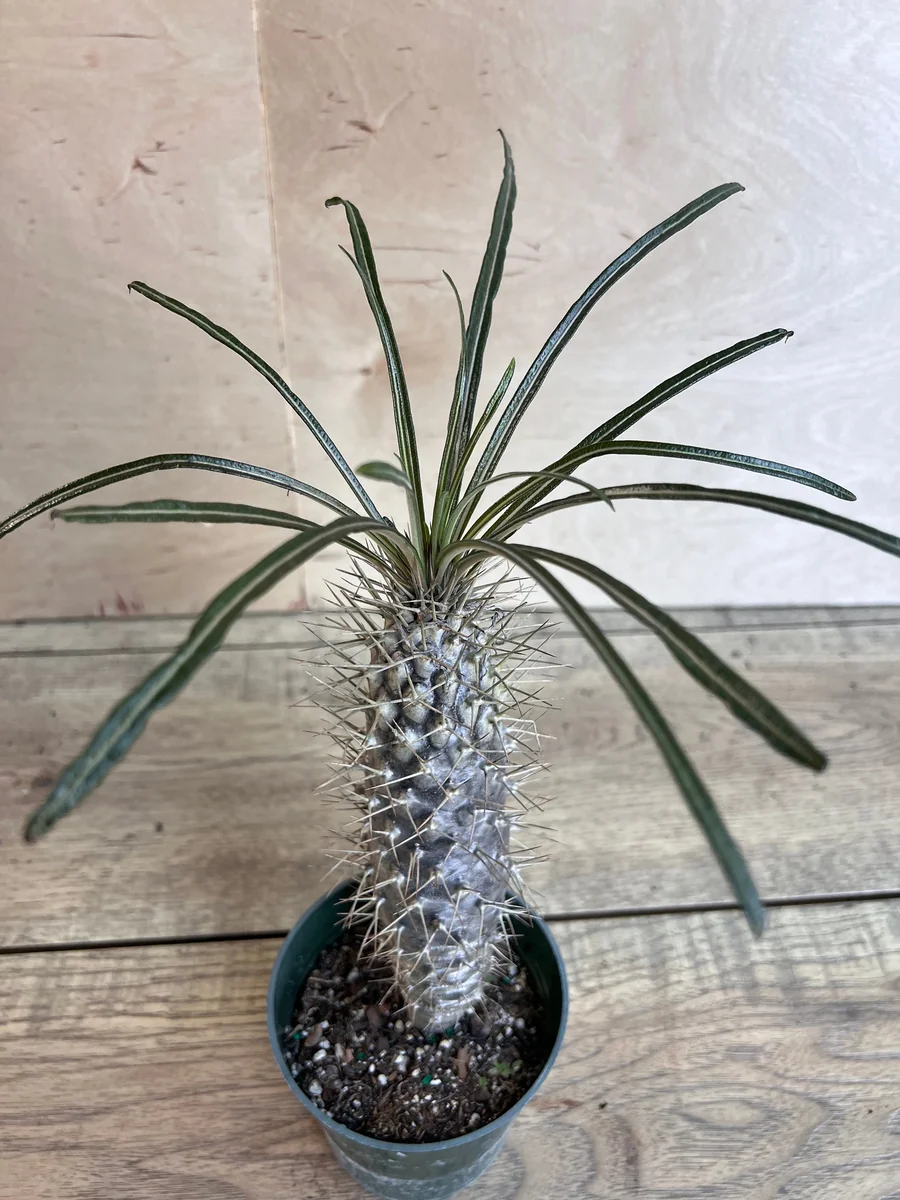
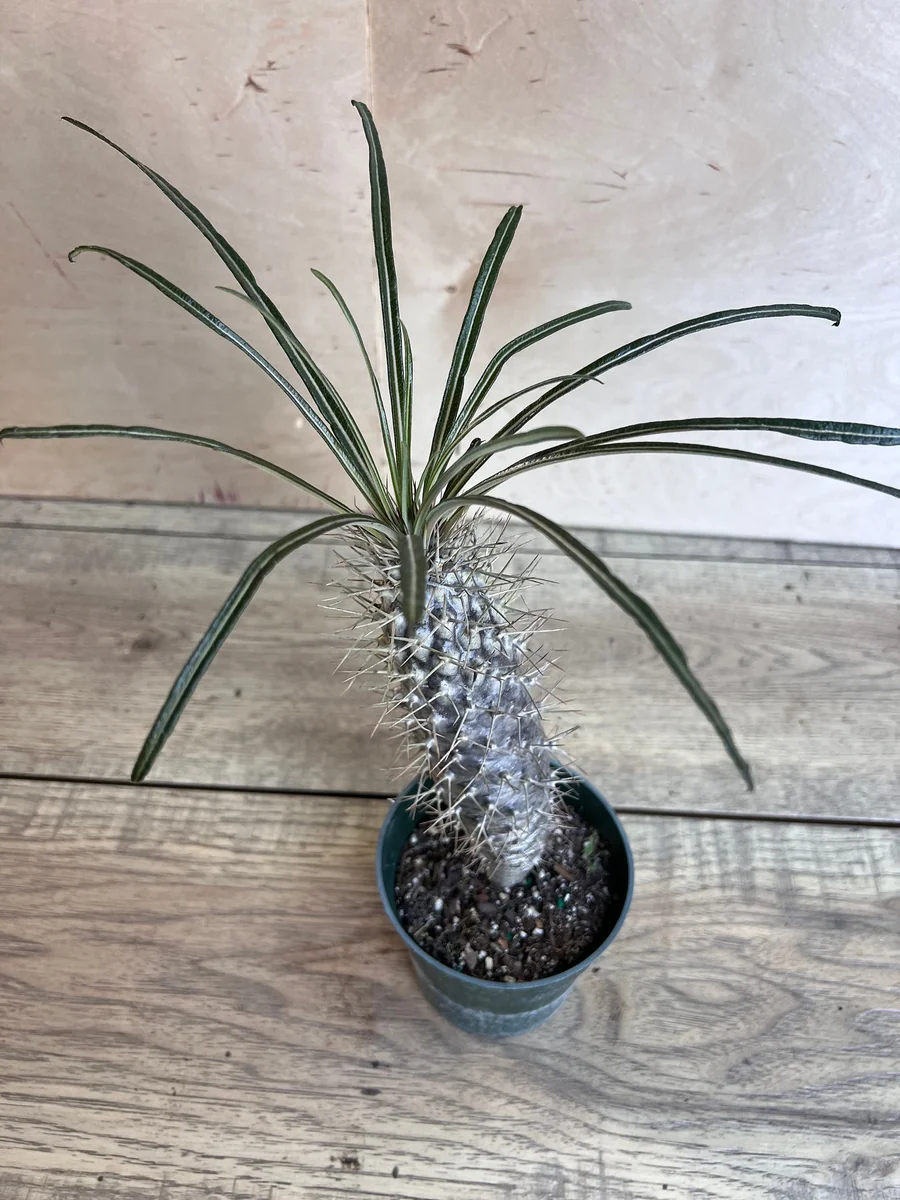
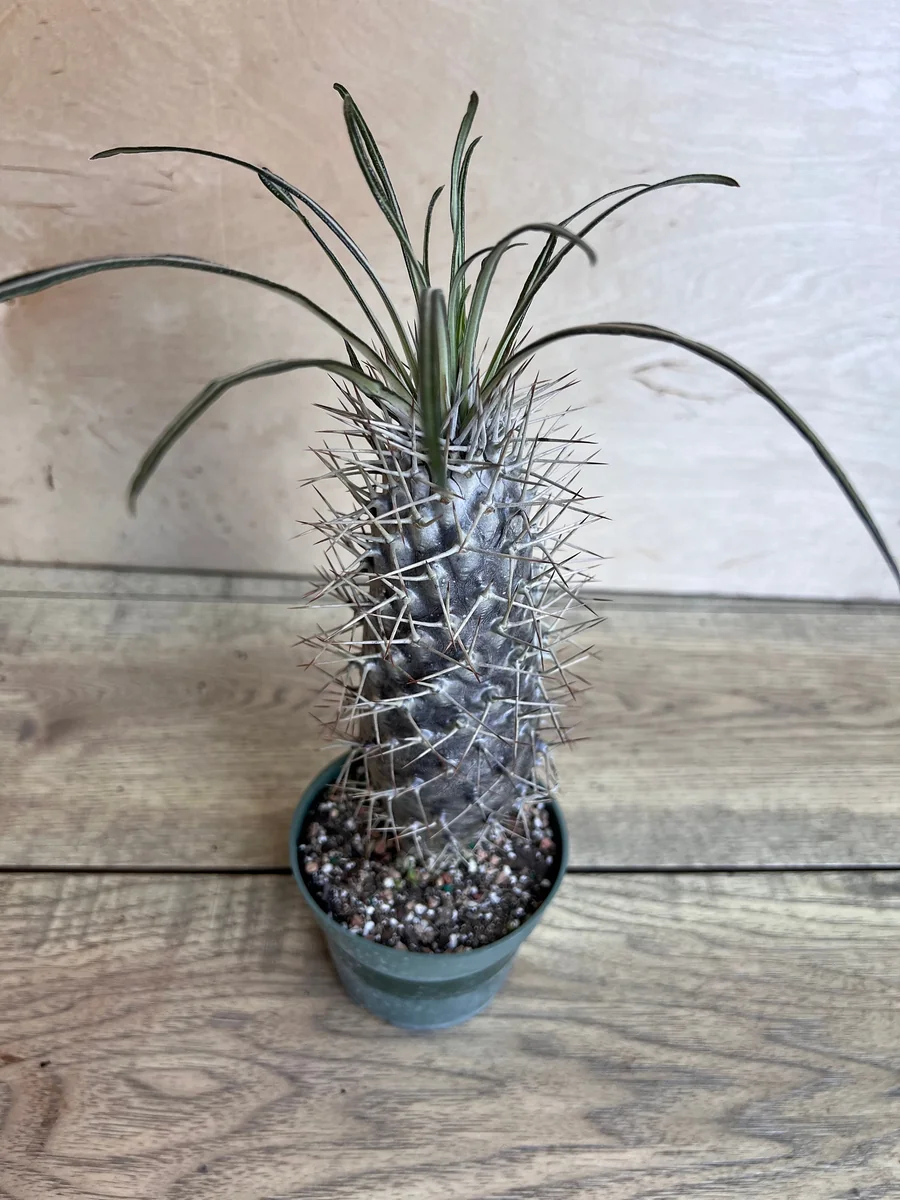
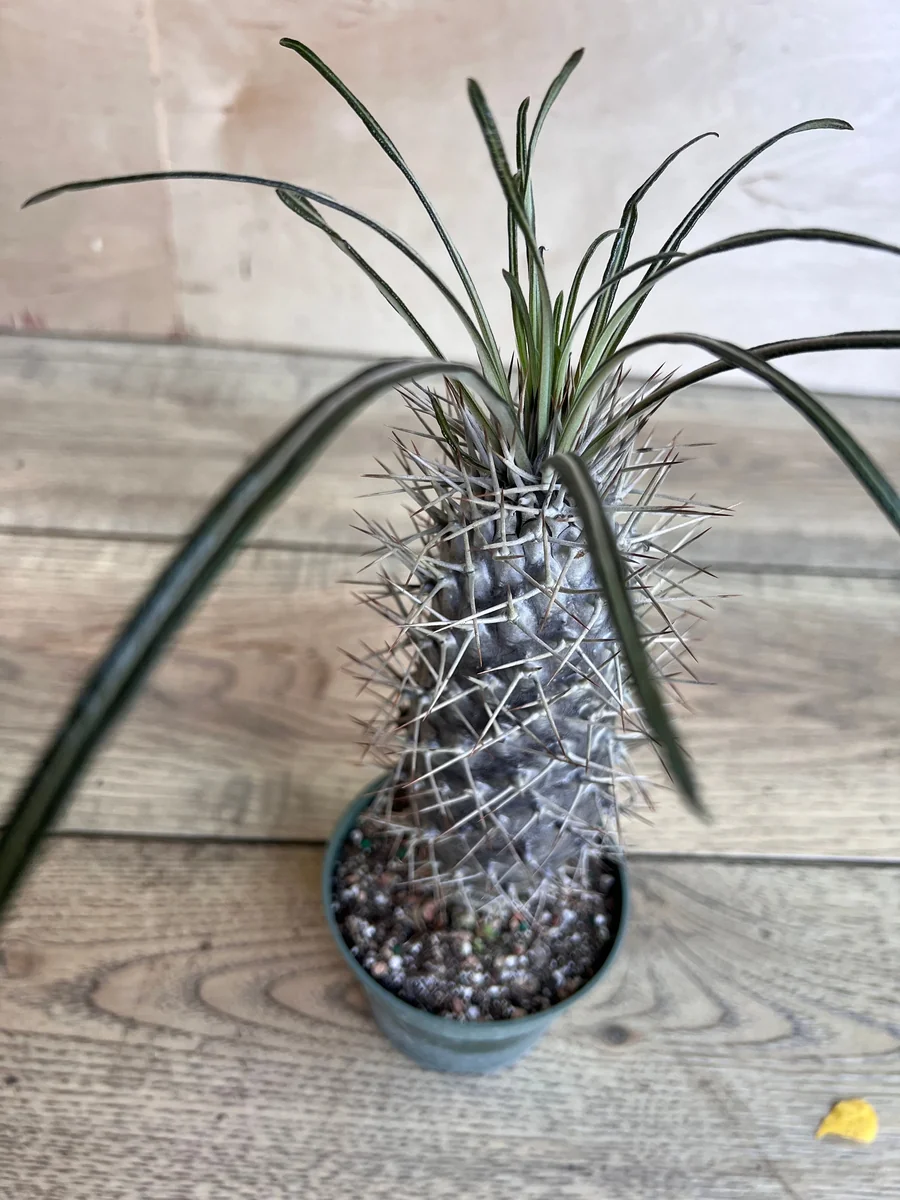
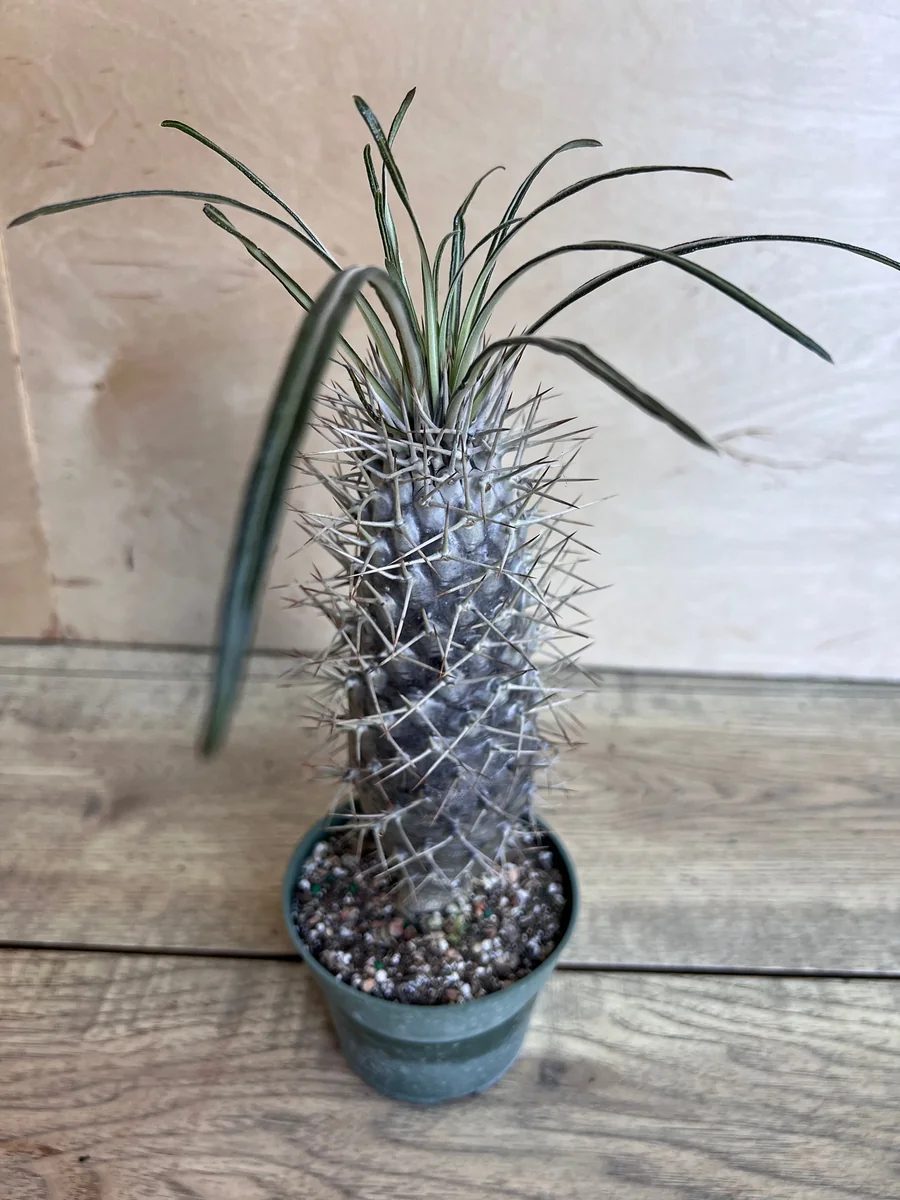
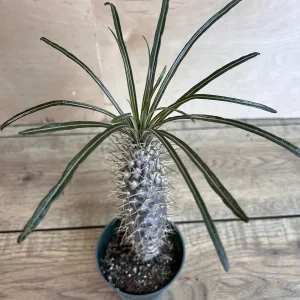
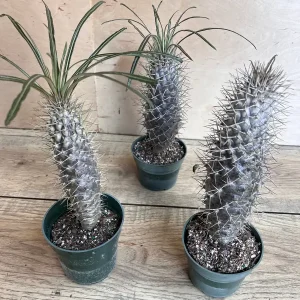
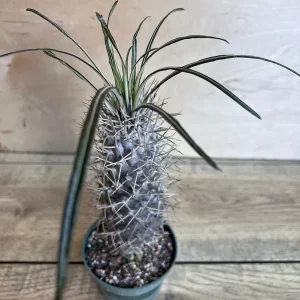
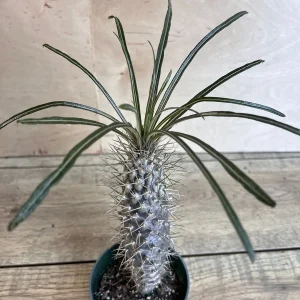
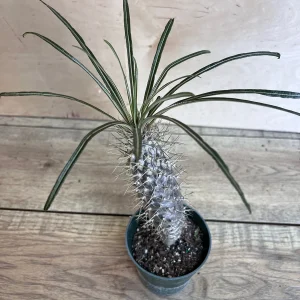
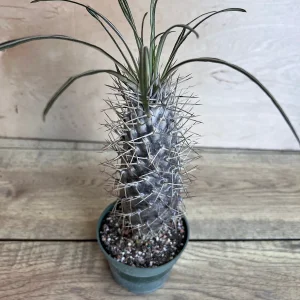
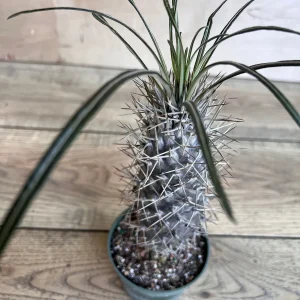
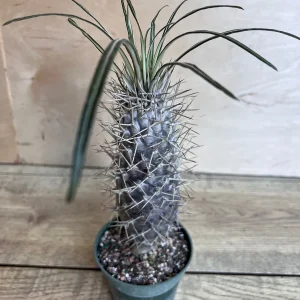
Madagascar Palm Tree Live Plant – Pachypodium Lamerei Succulent – 4 inch Pot
Original price was: $41.92.$25.16Current price is: $25.16.
Bring a touch of the tropics home with this stunning madagascar palm live plant. Known for its bottle-shaped trunk and spiny exterior, this pachypodium lamerei succulent is perfect for adding exotic beauty to your indoor space. Easy to care for, it thrives in bright, indirect light.
-
USDA Hardiness Zone
USDA zones 9-11 (outdoors), suitable for all zones indoors -
Soil Type
Well-draining succulent/cactus mix -
Sunlight Exposure
Bright indirect light -
Expected Planting Period
Year-round indoors

You can track your order HERE
Mar 03
Mar 08 - Mar 10
Mar 13 - Mar 17
Shipping and return policies: Our Alive & Thrive Guarantee covers issues with your plants within the first 30 days. Reach out to us. Our team will answer your questions and help you find the plants that are truly suitable for your environment, climate, and personal preferences.

Overview
The madagascar palm live plant, scientifically known as Pachypodium lamerei, is a truly distinctive succulent native to the arid regions of Madagascar and parts of southern Africa. Despite its common name, this plant is not a true palm but rather a member of the succulent family, offering a unique architectural form that captivates plant enthusiasts. Characterized by its robust, bottle-shaped trunk adorned with sharp spines and a crown of long, narrow green leaves, the madagascar palm live plant makes a striking statement in any collection. While it can reach impressive heights in its natural habitat, it typically remains a manageable size when cultivated as an exotic houseplant madagascar palm, making it an ideal choice for adding a touch of the exotic to your home or office. It’s a slow-growing specimen that rewards patience with its enduring beauty and relatively low maintenance requirements.
Key Benefits
Adding a madagascar palm live plant to your collection offers numerous advantages, from its unique aesthetic appeal to its adaptability:
-
Exotic Visual Appeal: The distinctive bottle-shaped trunk and spiny exterior, topped with lush green foliage, create an eye-catching focal point. It’s truly an exotic houseplant madagascar palm that stands out.
-
Low Maintenance: As a succulent, the madagascar palm live plant is highly drought-tolerant and requires infrequent watering, making it suitable for busy individuals or those new to plant care.
-
Unique Growth Habit: Its slow growth rate and unique form make it a fascinating specimen to observe over time, developing a strong character as it matures.
-
Versatile Placement: Thrives indoors in bright, indirect light, making it perfect for sunny windowsills or well-lit rooms. In suitable climates, it can also be a unique outdoor landscape plant.
-
Drought Tolerant: Its succulent nature means it stores water in its trunk, allowing it to withstand periods of dryness, which is a key aspect of good madagascar palm care.
-
Conversation Starter: Its unusual appearance is sure to spark interest and admiration from guests, highlighting its status as an exotic houseplant madagascar palm.
Plant Care & Growing Tips
Proper madagascar palm care is straightforward, ensuring your plant thrives and maintains its unique beauty. This resilient succulent prefers conditions that mimic its native arid environment. For optimal growth, provide bright, indirect sunlight. A south or west-facing window is ideal, offering plenty of light without the harsh intensity of direct afternoon sun, which can scorch its leaves. If growing outdoors in hot climates, some afternoon shade is beneficial. The pachypodium lamerei succulent thrives in warm temperatures, ideally between 65-80°F (18-27°C) during the day, and should not be exposed to temperatures below 50°F (10°C). It is sensitive to cold and frost, so bring it indoors if temperatures drop.
When it comes to watering, the key to successful madagascar palm care is to allow the soil to dry out almost completely between waterings. Water thoroughly until water drains from the bottom, then wait before watering again. Overwatering is the most common cause of problems, leading to root rot. During winter months, when the plant’s growth naturally slows, reduce watering frequency significantly. Use a well-draining soil mix specifically formulated for cacti and succulents, which often contains a blend of potting soil, sand, and perlite. Ensure the pot has adequate drainage holes to prevent waterlogging. Moderate humidity levels are preferred; if your indoor air is very dry, occasional misting or a nearby humidifier can help. Fertilize your madagascar palm live plant with a balanced liquid fertilizer, diluted to half-strength, every 4-6 weeks during the spring and summer growing season. Avoid fertilizing in winter. Prune only to remove dead or yellowing leaves using clean, sharp tools. Repot every 2-3 years or when it outgrows its current container, choosing a pot only slightly larger than the root ball.
Size & Details
This offering is for one madagascar palm live plant, provided in a 4-inch nursery pot. The plant will be similar in size and appearance to the images shown, ready to be displayed or repotted into your preferred decorative container. Typically, these plants are compact when young, with the potential to grow several feet tall over many years when given optimal conditions. As a slow-growing succulent, your pachypodium lamerei succulent will gradually develop its characteristic bottle-shaped trunk and spiny texture. It is shipped as a rooted plant, ensuring a healthy start in its new home. Expect it to establish itself quickly and begin its journey of growth, becoming a long-lasting and fascinating addition to your plant collection.
Frequently Asked Questions
-
Q: How big does this plant get? A: While madagascar palm live plant can reach up to 20 feet in its native habitat, it typically grows much smaller as a houseplant, often reaching 3-6 feet tall indoors over many years, depending on pot size and care.
-
Q: What size pot does it come in? A: This madagascar palm live plant is shipped in a 4-inch nursery pot, providing a good foundation for its initial growth in your home.
-
Q: Is this an indoor or outdoor plant? A: The madagascar palm live plant is commonly grown as an indoor houseplant in temperate climates. It can be grown outdoors in suitable warm, frost-free environments (USDA zones 9-11).
-
Q: How much sunlight does it need? A: This pachypodium lamerei succulent thrives in bright, indirect sunlight. Place it near a south or west-facing window, protecting it from intense, direct afternoon sun.
-
Q: Is this plant easy to care for? A: Yes, with proper madagascar palm care, it is considered relatively low maintenance, especially regarding watering, making it a good choice for both beginners and experienced plant enthusiasts.
-
Q: What condition will it arrive in? A: Your madagascar palm live plant will arrive carefully packaged, similar to the pictures, healthy and ready to thrive in its new environment.
-
Q: Is it pet-safe? A: The Madagascar Palm has sharp spines and its sap can be irritating if ingested. It’s best to keep this exotic houseplant madagascar palm out of reach of pets and children.
-
Q: How often should I water my Madagascar Palm? A: Water thoroughly but allow the soil to dry out almost completely between waterings. Reduce watering significantly during the winter months to prevent root rot.
-
Q: What kind of soil is best for a Madagascar Palm? A: Use a well-draining soil mix formulated for cacti and succulents. A blend of potting soil, sand, and perlite works well for this pachypodium lamerei succulent.
-
Q: Will it grow flowers? A: Mature Madagascar Palms can produce showy white flowers, especially when grown outdoors or given ideal conditions indoors, adding to the beauty of your madagascar palm indoor plant.
Be the first to review “Madagascar Palm Tree Live Plant – Pachypodium Lamerei Succulent – 4 inch Pot”
People Also Viewed
Sold 89 products
Original price was: $68.78.$41.26Current price is: $41.26.
Sold 80 products
Original price was: $84.00.$67.20Current price is: $67.20.
Sold 68 products
Original price was: $95.96.$47.98Current price is: $47.98.
Sold 60 products
Original price was: $91.98.$45.99Current price is: $45.99.
Sold 57 products
Original price was: $25.92.$12.96Current price is: $12.96.
Sold 67 products
From $131.80

Flower Plants
Dancing Darling Hosta Live Plant – Yellow-Golden Foliage – 1 Gallon Pot – Shade Garden Perennial
Sold 72 products
From $99.80
Sold 85 products
Original price was: $28.00.$22.40Current price is: $22.40.
Shrubs
Abutilon Chiffon Live Plant – Flowering Maple Shrub, Yellow Bell Flowers, 2ft Tall, 6 Inch Pot
Sold 50 products
Original price was: $147.16.$73.58Current price is: $73.58.
Sold 83 products
Original price was: $158.00.$79.00Current price is: $79.00.

Sold 79 products
Original price was: $50.76.$25.38Current price is: $25.38.
Sold 52 products
From $107.80
Flower Bulbs
Reblooming Iris Bareroot – Speckled Plum & Purple Flowers – Hardy Zones 3-10 Outdoor Plant
Sold 96 products
From $67.80
Sold 63 products
Original price was: $44.99.$31.49Current price is: $31.49.
Sold 62 products
From $26.99
Sold 84 products
Original price was: $147.16.$73.58Current price is: $73.58.
Sold 70 products
Original price was: $158.40.$79.20Current price is: $79.20.
Sold 70 products
Original price was: $96.74.$58.04Current price is: $58.04.


Reviews
There are no reviews yet.