
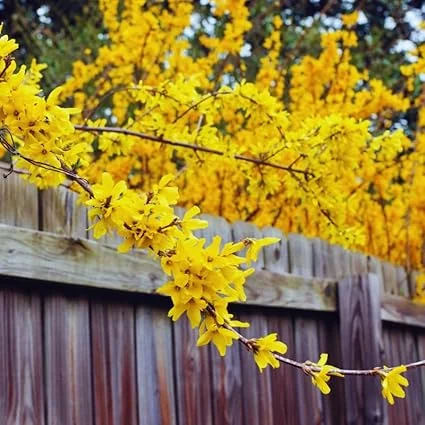
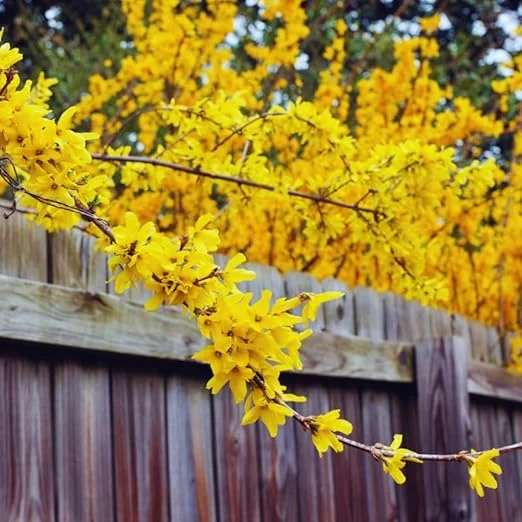
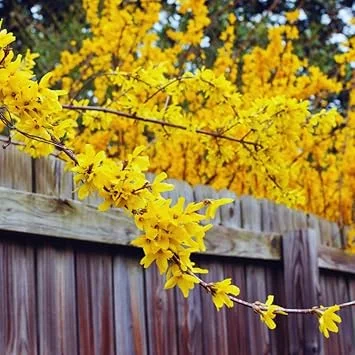
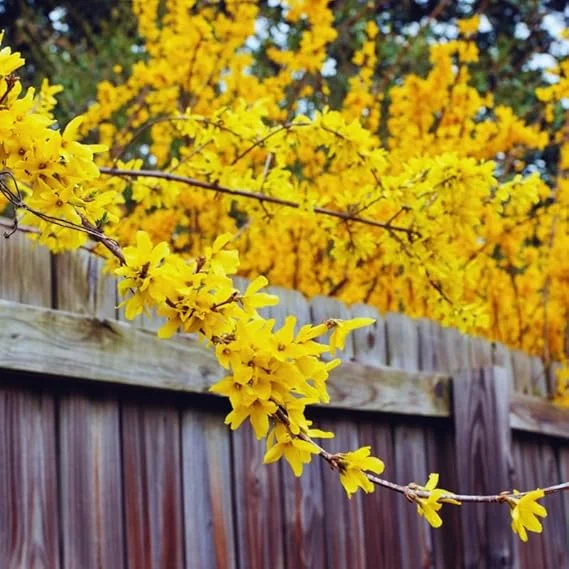
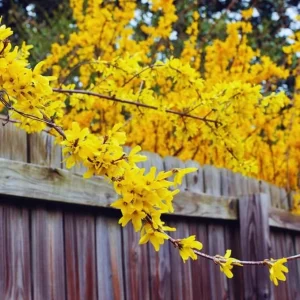
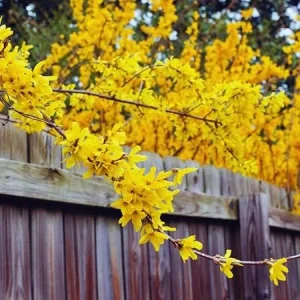
Lynwood Forsythia Live Plant – Yellow Flower Bush, 6-12 inches, Outdoor Shrub
Original price was: $39.98.$19.99Current price is: $19.99.
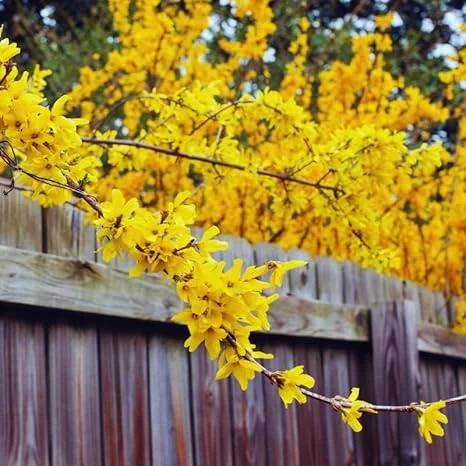
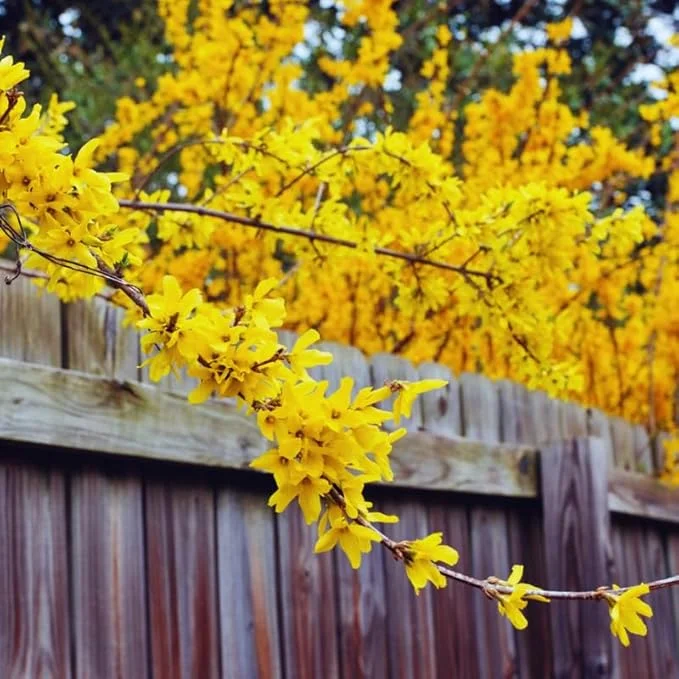
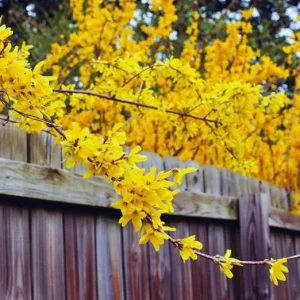
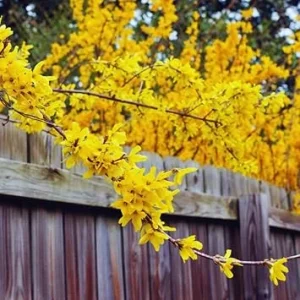
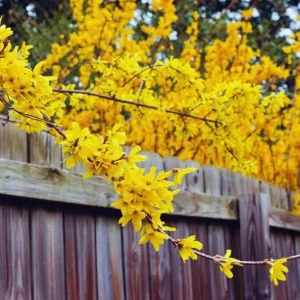
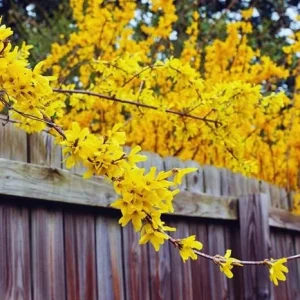
Bring brilliant early spring color to your garden with a Lynwood Forsythia live plant. This vibrant deciduous shrub produces an abundance of bright yellow flowers before its leaves emerge, offering a spectacular display. Growing 6 to 12 inches tall initially, it’s ideal for creating stunning hedges, borders, or as a standalone specimen in your landscape.
-
USDA Hardiness Zone
USDA Zones 5-8 -
Soil Type
Well-draining soil -
Sunlight Exposure
Full Sun to Partial Shade -
Expected Planting Period
Early spring or fall

You can track your order HERE
Mar 30
Apr 04 - Apr 06
Apr 09 - Apr 13
Shipping and return policies: Our Alive & Thrive Guarantee covers issues with your plants within the first 30 days. Reach out to us. Our team will answer your questions and help you find the plants that are truly suitable for your environment, climate, and personal preferences.

Overview
Introduce a burst of sunshine to your landscape with the Lynwood Forsythia live plant. This highly popular deciduous shrub, scientifically known as Forsythia x intermedia ‘Lynwood Gold’, is renowned for its spectacular display of bright yellow, bell-shaped flowers that emerge in early spring, often before other plants begin to leaf out. The yellow forsythia bush is a true harbinger of spring, transforming dull winter landscapes into vibrant spectacles. Our Lynwood Forsythia live plant arrives ready to thrive, typically measuring 6 to 12 inches tall, providing an excellent foundation for a mature, floriferous shrub. It’s a low-maintenance, fast-growing plant that adapts well to various soil conditions, making it an ideal choice for both experienced gardeners and beginners looking for reliable early-season color.
The Lynwood Forsythia is a hybrid cultivar celebrated for its profuse blooming and upright, arching growth habit. It’s an excellent choice for creating informal hedges, mass plantings, or as a striking specimen plant. Its vigorous growth and resilience make it a garden favorite, promising years of dazzling yellow blooms. If you’re looking to enhance your garden with a plant that signals the end of winter and the arrival of a colorful spring, look no further than this magnificent Lynwood Forsythia live plant.
Key Benefits
The Lynwood Forsythia live plant offers numerous advantages, making it a stellar addition to any garden. Its vibrant presence and easygoing nature contribute to a beautiful and less demanding landscape.
- Spectacular Early Spring Blooms: Enjoy an explosion of brilliant yellow flowers that appear in early spring, often as the first signs of color in the garden. This vibrant display is unmatched and provides a welcome contrast to the still-dormant landscape. The profusion of blossoms makes the yellow forsythia bush a focal point.
- Fast-Growing and Vigorous: This shrub establishes quickly and grows rapidly, allowing you to achieve a mature, full-sized plant in a relatively short period. Its robust nature ensures a healthy and thriving addition to your outdoor space.
- Low Maintenance and Easy Care: The ‘Lynwood Gold’ cultivar is known for its resilience and minimal care requirements. It tolerates a range of soil types and conditions, making it suitable for gardeners of all skill levels. Learning about forsythia care is straightforward.
- Versatile Landscape Use: Perfect for creating stunning informal hedges, privacy screens, mass plantings, or as a standalone specimen. Its arching branches and vibrant flowers provide excellent visual interest. It can also be used for erosion control on slopes.
- Attracts Pollinators: The early blooms provide a valuable nectar source for early-emerging bees and other pollinators, contributing to the biodiversity of your garden ecosystem.
- Drought Tolerant Once Established: While it appreciates regular watering, the Lynwood Forsythia is quite tolerant of dry spells once its root system is well-developed, reducing the need for constant irrigation.
- Disease and Pest Resistant: This hardy shrub is generally resistant to most common plant diseases and pests, ensuring a healthier plant with fewer issues for the gardener. This contributes to easy forsythia care.
Plant Care & Growing Tips
Caring for your Lynwood Forsythia live plant is relatively simple, ensuring a stunning display of yellow flowers each spring. These shrubs are quite adaptable but thrive best with a few key considerations. For optimal blooming, plant your forsythia in a location that receives full sun, meaning at least 6 hours of direct sunlight per day. While it can tolerate partial shade, too little sun will result in fewer flowers and a more leggy growth habit. Ensure good air circulation around the plant to prevent fungal issues.
When it comes to watering, keep the soil consistently moist but not waterlogged during the first growing season to help establish a strong root system. Once established, the yellow forsythia bush is quite drought tolerant, but it will perform best with regular watering during prolonged dry periods. The ideal soil for forsythia care is well-drained, fertile loam, but it can adapt to a variety of soil types, including clay and sandy soils, as long as drainage is adequate. Amend heavy clay soils with organic matter to improve drainage and aeration.
Pruning is essential for maintaining the shape and vigor of your deciduous shrub and encouraging abundant blooms. The best time to prune forsythia is immediately after it finishes flowering in spring. Prune out about one-third of the oldest, heaviest stems to the ground each year to encourage new growth and maintain a shapely bush. Avoid pruning in late summer, fall, or winter, as this will remove the flower buds that form on old wood for the following spring. Fertilize in early spring with a balanced, slow-release granular fertilizer, following package directions. Lynwood Forsythia is generally hardy and resistant to most pests and diseases, making it a robust and reliable choice for your garden.
Size & Details
This Lynwood Forsythia live plant is shipped as a young, actively growing specimen, typically measuring 6 to 12 inches in height. It arrives ready for planting, allowing you to establish a beautiful foundation for future growth. Lynwood Forsythia is a moderately fast-growing deciduous shrub, capable of adding 1 to 2 feet of height per year under optimal conditions. When mature, it can reach an impressive height of 6 to 10 feet with a similar spread, forming a dense and upright bush with gracefully arching branches. The plant is shipped in a nursery pot with soil, ensuring its roots are protected and hydrated during transit.
Expect vibrant early spring flowers, usually in March or April, depending on your climate zone. The flowers emerge before the foliage, creating a striking golden display. This cultivar is known for its dense bloom coverage, making it a standout feature in any garden. It will continue to grow and fill out over several seasons, eventually forming a substantial and beautiful addition to your landscape, providing a glorious spectacle year after year with proper forsythia care.
Frequently Asked Questions
- Q: How big does this Lynwood Forsythia plant get? A: This Lynwood Forsythia live plant is shipped at 6 to 12 inches tall, but it can grow to a mature height of 6 to 10 feet with a similar spread, forming a large, impressive bush.
- Q: Is this an indoor or outdoor plant? A: The Lynwood Forsythia is an outdoor deciduous shrub, best suited for garden beds, hedges, or as a standalone specimen in your landscape. It requires outdoor conditions to thrive and bloom.
- Q: How much sunlight does a yellow forsythia bush need? A: For the best flowering display, a yellow forsythia bush needs full sun, which means at least 6 hours of direct sunlight per day. It can tolerate partial shade, but blooming will be less prolific.
- Q: Is this plant easy to care for? A: Yes, the Lynwood Forsythia live plant is considered very easy to care for. It’s adaptable to various soil types and is relatively drought-tolerant once established, making forsythia care minimal.
- Q: What condition will it arrive in? A: Your Lynwood Forsythia live plant will arrive in a nursery pot with soil, carefully packaged to ensure its health and safety during transit. It will be a well-rooted, young plant ready for planting.
- Q: When is the best time to plant a deciduous shrub like forsythia? A: The best time to plant a deciduous shrub like forsythia is in early spring or fall when temperatures are moderate. This allows the plant to establish its root system before extreme heat or cold.
- Q: Will it survive winter in my zone? A: Lynwood Forsythia is hardy in USDA Zones 5-8, meaning it can withstand winter temperatures in these regions. It requires a period of cold dormancy to produce its spectacular early spring flowers.
- Q: How long until it blooms? A: Your Lynwood Forsythia live plant may produce a few blooms in its first year if planted in early spring, but it will typically start to show a more significant display of flowers in its second or third year after establishment.
- Q: Can I use forsythia for a privacy hedge? A: Absolutely! Due to its fast growth rate and dense branching, the yellow forsythia bush is an excellent choice for creating informal privacy hedges and screens.
- Q: What kind of soil does forsythia prefer? A: Forsythia prefers well-drained, fertile soil but is quite adaptable. It can tolerate a range of soil types, including clay and sandy soils, as long as they are not waterlogged.
Be the first to review “Lynwood Forsythia Live Plant – Yellow Flower Bush, 6-12 inches, Outdoor Shrub”
People Also Viewed
Sold 72 products
From $26.99
Sold 62 products
Original price was: $49.98.$24.99Current price is: $24.99.
Sold 67 products
From $18.99
Sold 88 products
Original price was: $60.76.$30.38Current price is: $30.38.

Sold 75 products
Original price was: $39.96.$19.98Current price is: $19.98.
Sold 90 products
Original price was: $62.22.$20.74Current price is: $20.74.
Sold 68 products
Original price was: $91.98.$45.99Current price is: $45.99.
Sold 94 products
Original price was: $283.96.$141.98Current price is: $141.98.
Sold 84 products
Original price was: $39.98.$19.99Current price is: $19.99.
Sold 86 products
Original price was: $40.76.$20.38Current price is: $20.38.
Flower Plants
Sold 92 products
Original price was: $29.90.$14.95Current price is: $14.95.
Sold 72 products
Original price was: $63.00.$31.50Current price is: $31.50.
Sold 52 products
Original price was: $47.58.$23.79Current price is: $23.79.
Sold 57 products
Original price was: $67.98.$33.99Current price is: $33.99.

Sold 75 products
Original price was: $75.96.$37.98Current price is: $37.98.
Sold 85 products
Original price was: $53.98.$26.99Current price is: $26.99.
Sold 95 products
Original price was: $24.35.$7.74Current price is: $7.74.
Sold 74 products
Original price was: $63.96.$31.98Current price is: $31.98.



Reviews
There are no reviews yet.